
Breast & Body
Breast Reduction in Bangkok
At YOUNIFY Clinic in Bangkok, breast reduction starts from THB 149,000; the final plan is confirmed in a written quotation after assessment. Excess breast tissue and skin removed, and the breast reshaped and lifted at the same time, to relieve neck, shoulder and back strain and restore proportion.
Clinic open daily, 11:00 to 20:00 (Bangkok time) · Online enquiries answered 24 hours a day

Price list
| Procedure | Starting Thailand price (฿) | Starting Thailand price (AUD) | Standard Australia price (AUD) |
|---|---|---|---|
| Breast Reduction | |||
| Breast Reduction | THB 179,000 | A$7,783 | A$10,919 |
| Breast Reduction (Massive Breasts) | THB 149,000 | A$6,478 | A$24,000 |
| Male Chest (Gynecomastia) | |||
| Gynecomastia (Male Breast Reduction) | THB 120,000 | A$5,217 | A$6,574 |
| Male Chest Liposuction: per area | THB 59,000 | A$2,565 | A$6,500 |
| Correction · Nipple & Areola | |||
| Breast Correction (Tuberous / Asymmetrical) | THB 59,000 | A$2,565 | A$12,000 |
| Nipple Reduction | THB 48,000 | A$2,087 | A$4,500 |
| Areola Reduction | THB 48,000 | A$2,087 | A$4,500 |
| Nipple Graft | THB 48,000 | A$2,087 | A$5,500 |
* Indicative prices for reference only. Final pricing depends on an individual assessment. Overseas prices are indicative market estimates for comparison only. Contact our team for a personalized quote.
Your final quote follows an individual medical assessment. You receive a written quotation before any deposit.
Plan your trip
All figures are approximate and intended for travel planning. Results vary by individual, and your doctor confirms the plan case by case. Please consult a physician before treatment.
Care you can measure
Figures from the YOUNIFY surgical program.
01 · Planning
Decide how much comes off, together
Size is only part of it: the plan starts from your symptoms.
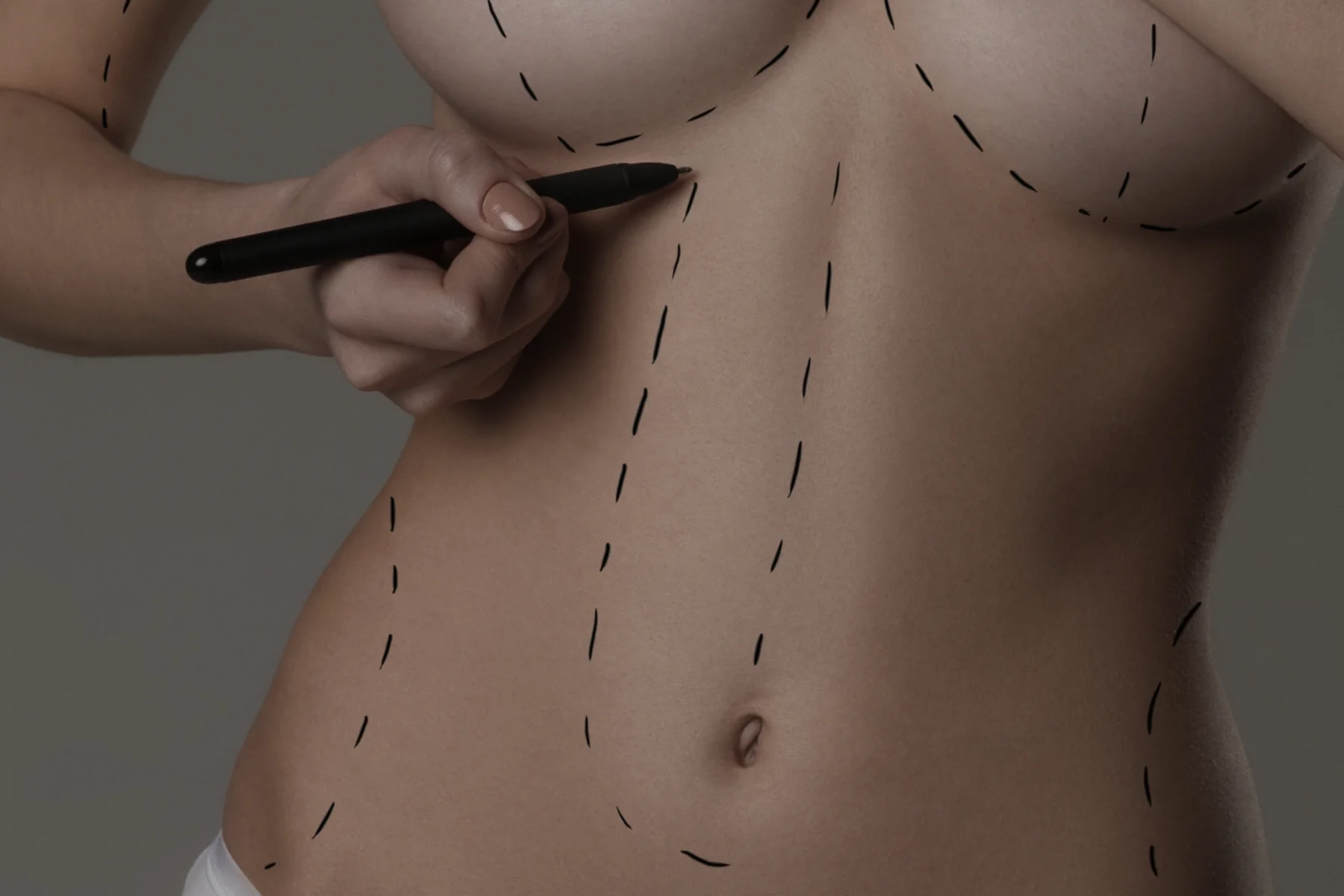
Planning a reduction starts with what is actually bothering you: the shoulder grooving, the neck ache, the irritation under the fold. How much tissue is removed follows from the relief you need, not from a cup size picked in advance.
Your surgeon measures the breast against your frame, marks the plan on you standing up, and shows you the scar pattern that amount of reduction requires, so you can see the trade-off before you agree to it.
Markings and measurements guide the plan. They illustrate an expected direction, not a guaranteed outcome.
What is breast reduction?
Breast reduction (reduction mammoplasty) removes excess tissue, fat, and skin, then reshapes and lifts the breasts and repositions the nipple for proportions that suit your frame, leaving the breasts lighter and better defined.
Overly large breasts often cause neck, shoulder, and back pain, bra-strap grooving, skin irritation, and difficulty moving. Reduction improves both comfort and confidence. The YOUNIFY team plans a size that fits your body and lifestyle.
Concerns it addresses
Neck, shoulder & back pain
Large, heavy breasts pull on the neck, shoulders, and back, causing chronic pain.
Bra-strap grooving
Straps carry so much weight they leave deep grooves in the shoulders.
Irritation under the fold
Moisture under the breast fold causes recurring rashes or irritation.
Difficulty exercising / moving
Breast size and weight make exercise and daily activity difficult.
Breast Reduction vs Breast Lift
Both reshape and lift. The difference is whether breast tissue is removed as well as skin.
| Breast Reduction | Breast Lift | |
|---|---|---|
| Primary goal | Reduces size and weight, and lifts | Lifts and reshapes at the current size |
| What is removed | Breast tissue, fat and skin | Mainly skin |
| Physical symptoms | Often done to relieve neck, shoulder and back strain | Usually done for shape rather than symptoms |
| Scar pattern | Vertical or anchor, depending on how much is removed | Donut, vertical or anchor, depending on the degree of sag |
| Suited to | Breasts large enough to cause discomfort | Sagging without excess volume |
How we plan your result
Breast reduction is not only about removing tissue: it resizes the breast in proportion to your frame and lifts it to a firmer shape in one procedure, while preserving the nipple's blood supply and, as far as possible, its sensation.
Your planning options
Who is it for
- Those with large breasts causing neck, shoulder, or back pain
- Those with bra-strap grooving or skin irritation under the fold
- Those who find exercise or activity difficult due to breast size
- Those in good health with no contraindications to surgery
03 · Incision
Which scar pattern suits your reduction
A reduction removes tissue and skin, so it always leaves a scar. The pattern follows how much has to come out. Your surgeon marks it on you before the day.
Vertical (lollipop)
An incision around the areola and vertically down to the breast fold.
Benefits: No scar along the breast fold, and the shorter of the two patterns.
Suitable for: Small to moderate reductions where the breast does not need reshaping along its base.
Anchor (inverted-T)
Around the areola, vertically down, and along the breast fold.
Benefits: Gives the most control over shape and over how much tissue and skin are removed.
Suitable for: Larger reductions. It leaves the longer scar of the two, along the fold where a bra normally sits.
04 · Your team
Performed by board-certified plastic surgeons
This procedure is performed by the clinic's plastic surgeons at an accredited partner private hospital (JCI / AACI).

Dr. Phattrapohn Liangcheep
Plastic and Reconstructive Surgery
Diploma of the Thai Board of Plastic and Reconstructive Surgery
View full profile
Dr. Thanachot Kamolveerat
Plastic and Reconstructive Surgery
Diploma of the Thai Board of Plastic and Reconstructive Surgery
View full profile05 · Safety
Operating room standards and monitoring
Surgery is performed in the operating room of a JCI- or AACI-accredited partner private hospital, with anesthesia care and continuous monitoring throughout.
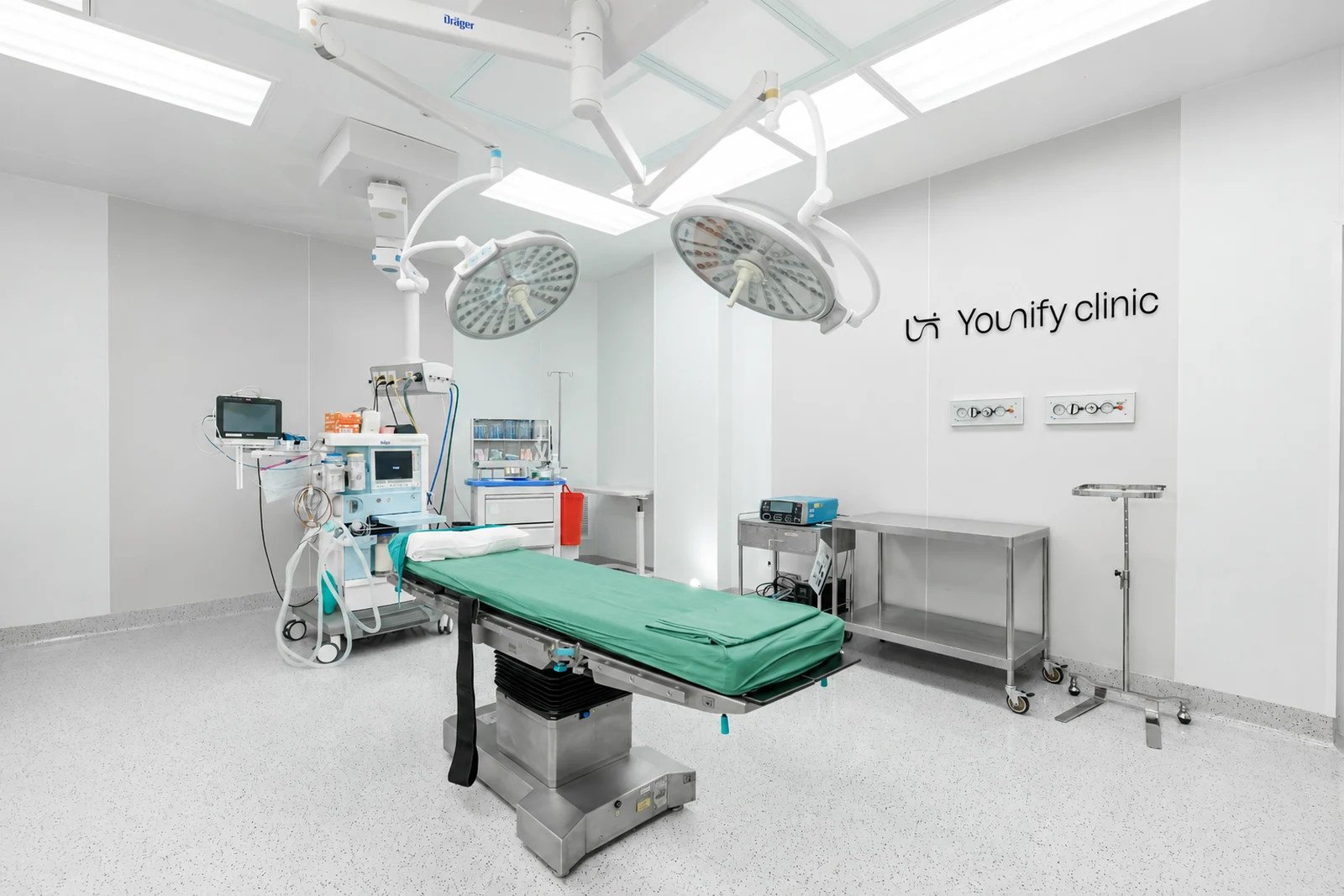
JCI- or AACI-accredited partner private hospital
Procedures are performed in a registered operating room, not a treatment room.

Specialist anaesthesia care
Anaesthesia is administered and monitored by a qualified anaesthesiologist for the duration of surgery.
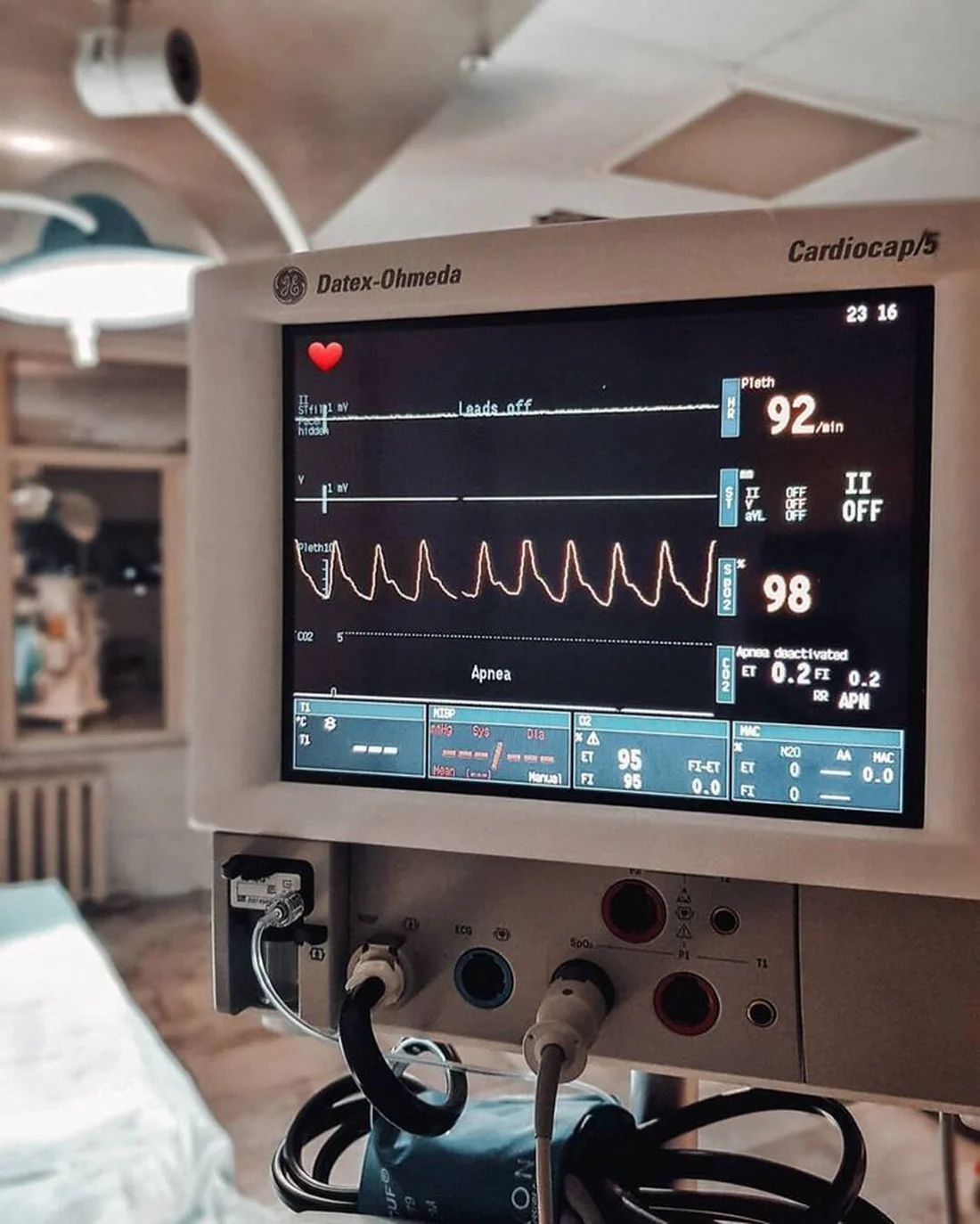
Continuous monitoring
Vital signs are monitored continuously during the procedure and through initial recovery.
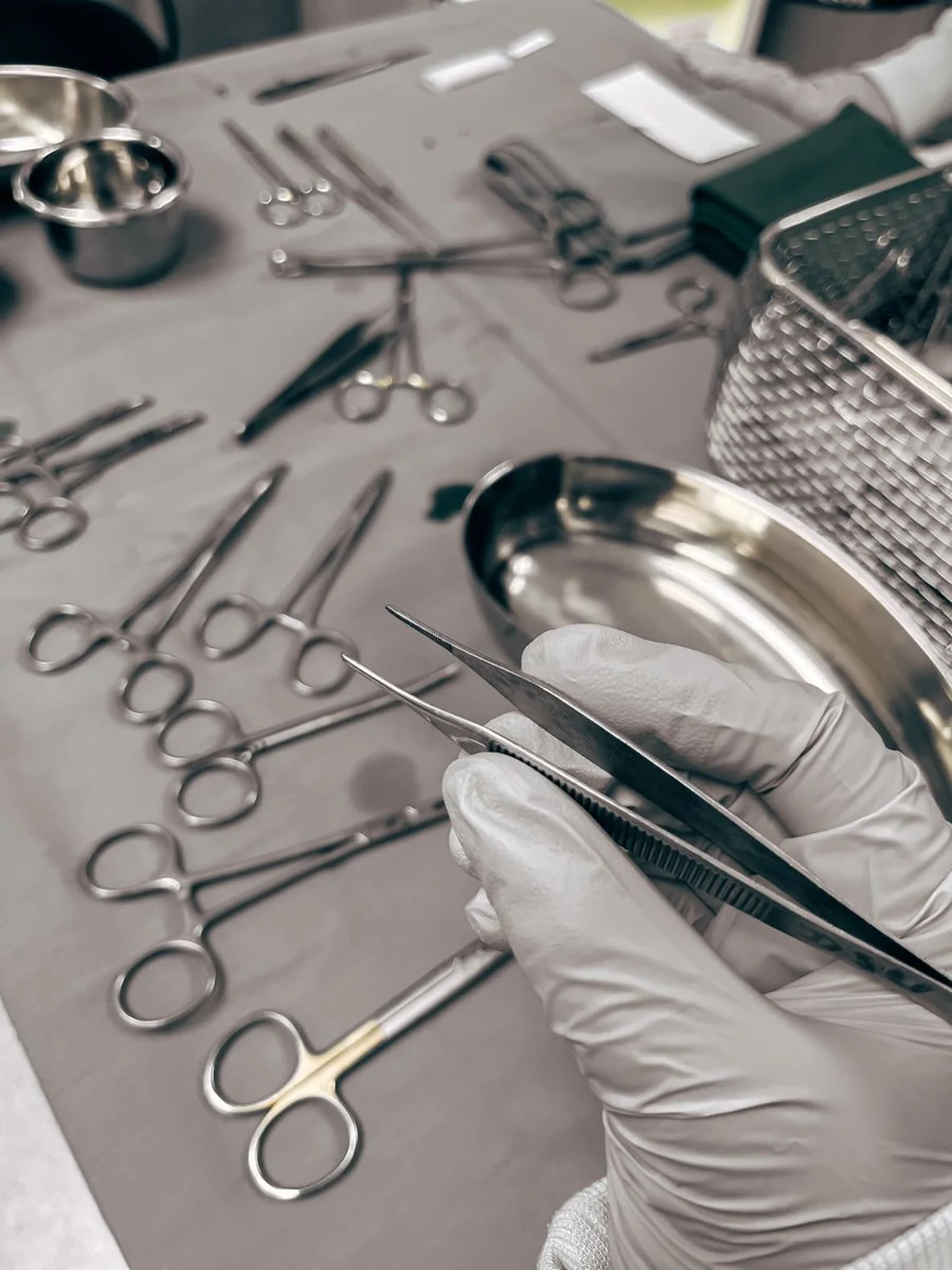
Sterile instrument protocol
Instruments and implants are handled under a documented sterile protocol.
The treatment process
Consult & assess symptoms
Assess size, pain, and your desired proportion, and hear your goals.
Plan reduction & scar pattern
Determine how much to remove and the scar pattern for your frame and sagging.
Prepare for surgery
Fitness checks and preparation guidance.
Surgery day
Performed in a standard operating theatre by a specialist surgeon and anesthesia team.
Aftercare
A supportive garment, a swelling program, and wound-care guidance.
Follow-up
Suture removal and reviews as the shape settles.
Recovery timeline
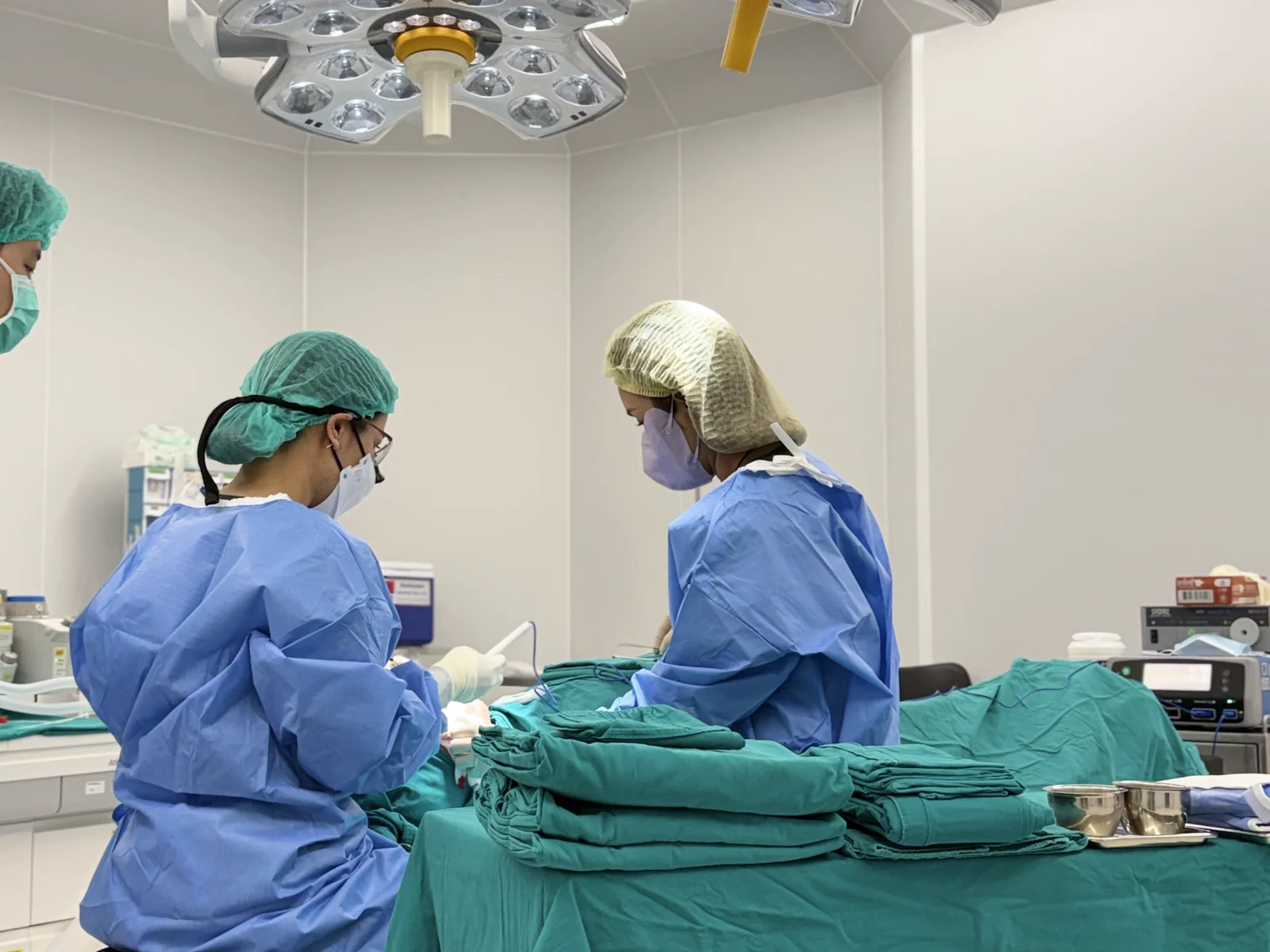
Your surgery at YOUNIFY
From the surgeon who operates to the nurses who follow up, and a private suite to recover in.


Frequently asked questions
Does reduction really relieve pain?
Those with neck, shoulder, or back pain from breast weight usually feel notably better afterward, as the load on the spine and muscles is reduced.
Will my breasts sag after reduction?
A reduction usually includes a lift in the same procedure, so you gain a firmer, better-defined shape at the same time.
Can I still breastfeed afterward?
It depends on the technique and how much tissue is removed. Tell your surgeon if you plan to breastfeed in the future so it can be considered in planning.
Will scars be visible?
Incisions are designed to hide around the areola and under the breast fold, and fade gradually once healed.
* This information is for general education. Results and treatment plans depend on an individual medical assessment.
Related procedures
Interested in breast reduction?
Book a consultation for a personalized assessment and treatment plan with the YOUNIFY Clinic medical team.
Medically reviewed by Dr. Noppachai Siranart · Last reviewed
Surgery is performed by the clinic's two board-certified plastic surgeons at JCI- or AACI-accredited partner private hospitals in Bangkok.
Individual results may vary. Please consult a doctor before treatment.