Aesthetic Surgery
Occipital Contouring in Bangkok
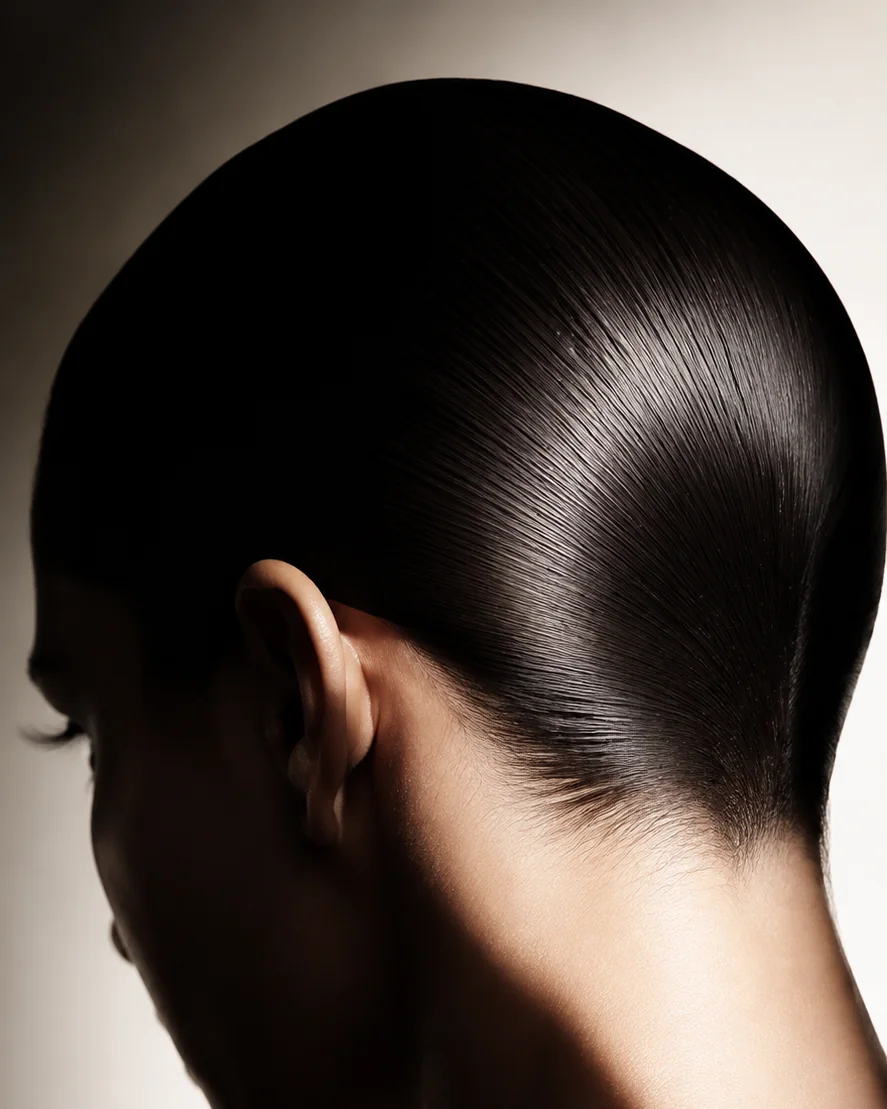
Projection added to the back of the head so it runs continuously into the crown and nape, planned from your own head shape.
Clinic open daily, 11:00 to 20:00 (Bangkok time) · Online enquiries answered 24 hours a day

Price list
| Procedure | Starting Thailand price (฿) | Starting Thailand price (AUD) |
|---|---|---|
| Occipital augmentation | ||
| Occipital Augmentation: Patient-Specific Implant | THB 200,000 | A$8,696 |
| Occipital Augmentation: Autologous Fat Grafting | THB 40,000 | A$1,739 |
| Combined with forehead / temple | ||
| Occipital Contouring + Forehead / Temple (combined) | Confirmed in your written quotation after assessment. | — |
* Indicative prices for reference only. Some items are priced per area. Final pricing depends on an individual assessment. Overseas prices are indicative market estimates for comparison only. Contact our team for a personalized quote.
Your final quote follows an individual medical assessment. You receive a written quotation before any deposit.
Care you can measure
Figures from the YOUNIFY surgical program.

01 · Planning
See the head shape before the day of surgery
Agree on the curve you are aiming for before anything is decided.
Standardised photographs from the side and from above are used to show how added volume would change the curve of your head against your existing structure.
Planning looks at both side-to-side symmetry and continuity with the crown, so the result reads as a head shape rather than a localised bump.
Simulation is a planning aid. It illustrates an expected direction, not a guaranteed outcome.
What this procedure is
Occipital contouring adds volume over the occipital bone so the curve at the back of the head runs continuously into the crown and the neck. A flat occiput is usually noticed when the hair is tied back or in a side-profile photograph.
Your surgeon assesses the head shape from the side and from above, the thickness of the scalp, and the hairline, then plans where volume is needed. The aim is a curve that blends into your existing contour rather than a localised bump.
Concerns it addresses
Flat occiput
The back of the head is flat, so the head looks short in profile.
Asymmetry
One side projects more than the other, most visible with the hair tied back.
Indistinct nape transition
The line from crown to neck reads as flat, with little depth.
Positional flattening
Flattening present since infancy that did not self-correct with growth.
Patient-Specific Implant vs Autologous Fat Grafting
These two approaches differ in how much volume can be added and how the result holds. Your physician plans from the actual shape of your head.
| Patient-specific implant | Autologous fat grafting | |
|---|---|---|
| Primary goal | Adds occipital volume to a designed contour | Adds volume gradually using the patient's own tissue |
| Method | An implant shaped for the individual is placed on the occipital bone | The patient's own fat is harvested and grafted to the occiput |
| Strength | Precise control of shape and thickness, with edges that run smoothly into the existing bone | No foreign material, a smaller incision, and volume can be added gradually later |
| Who it suits | Those needing substantial volume, or asymmetry that must be corrected side by side | Those needing modest volume, or mainly smoother contour edges |
| Durability | The implant is stable over the long term | Part of the graft resorbs in the first months and a second session may be needed |
How we plan your result
A balanced head shape is not measured at a single point on the occiput. It comes from the continuity of the curve running from the forehead, over the crown, down to the occiput and the nape.
Who is it for
- People with a flat occiput whose head looks short in profile
- People who want to tie their hair back or wear it short but are conscious of the head shape
- People whose two sides project unevenly
- People in good general health with no contraindication to general anaesthesia
03 · Technique
Choosing how volume is added for your head shape
How much volume is needed, and how evenly the edge has to blend, decides the method.
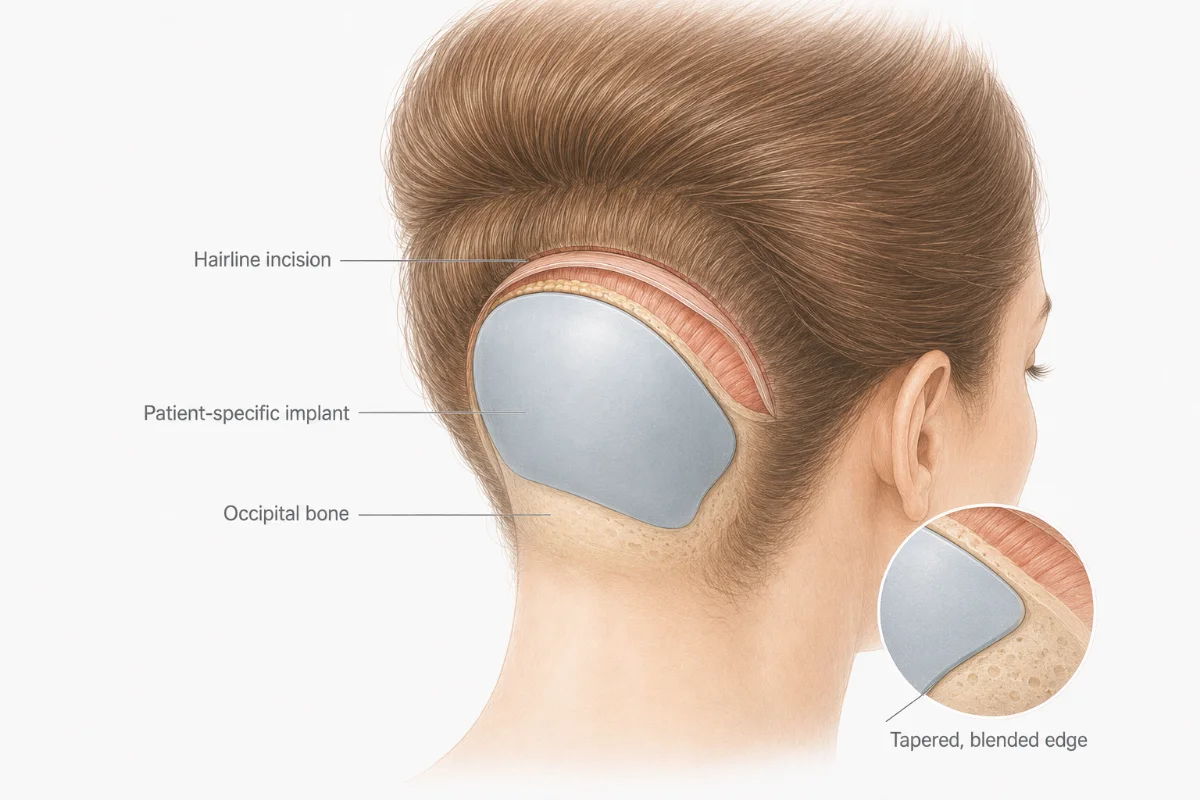
Patient-specific implant
Shaped from your own imaging and placed on the occipital bone through an incision in the hairline.
Benefits: Precise control of shape and thickness, an edge that blends into the existing bone, and stability long term.
Suitable for: Larger volume requirements, or asymmetry that needs different amounts on each side.
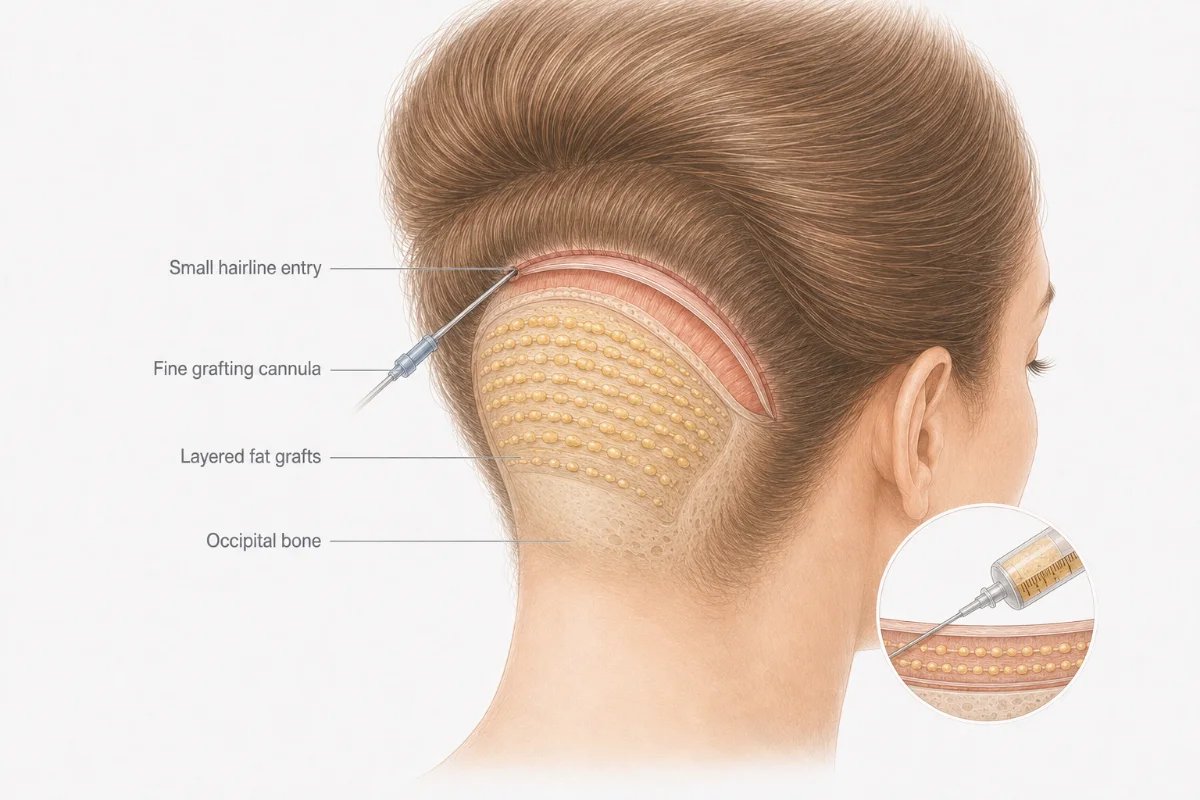
Autologous fat grafting
Fat is harvested elsewhere, processed and layered thinly over the occiput.
Benefits: No foreign material, smaller incisions, and it can be topped up in stages later.
Suitable for: Modest volume increases, or smoothing the contour rather than building projection.
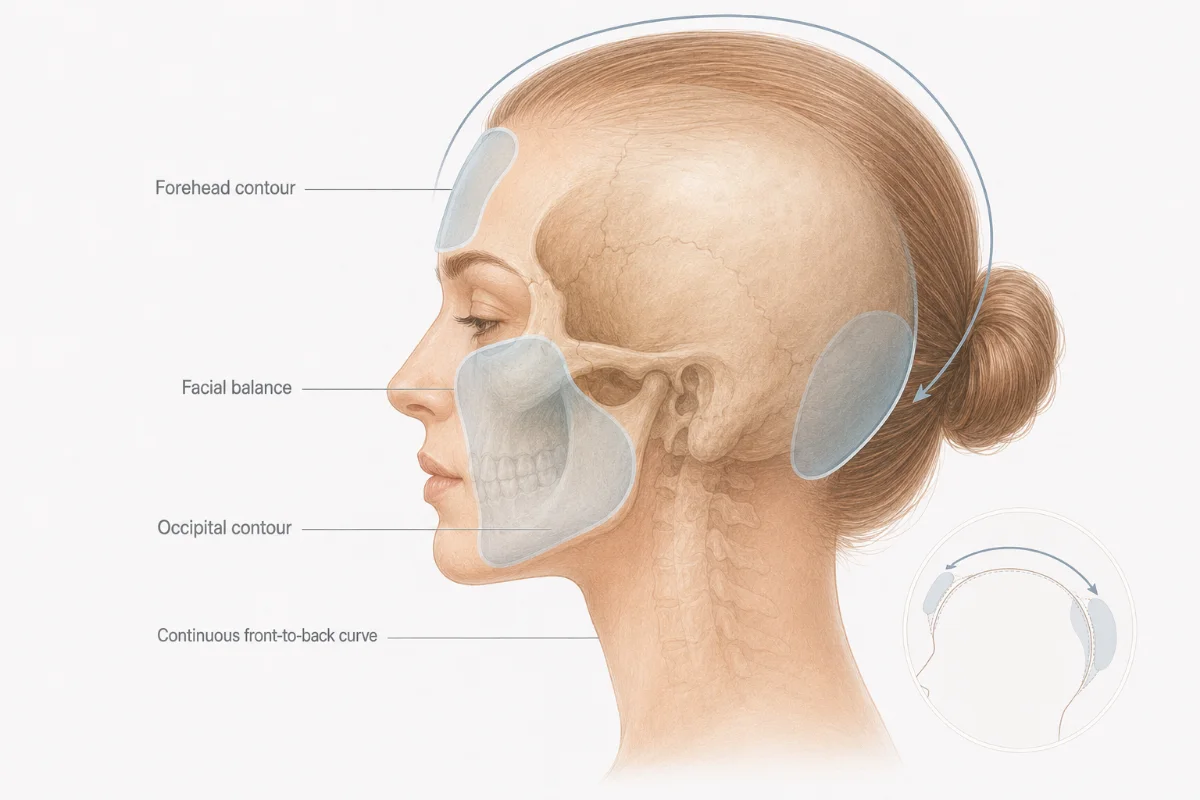
Combined with other contouring
Planned alongside forehead augmentation or facial contouring so the skull curve is continuous front to back.
Benefits: Treats the head shape as a whole instead of adding one bump that makes another area look out of proportion.
Suitable for: A flat forehead and flat occiput together, or an overall head shape that reads unbalanced.
04 · Your team
Performed by board-certified plastic surgeons
This procedure is performed by the clinic's plastic surgeons at an accredited partner private hospital (JCI / AACI).

Dr. Phattrapohn Liangcheep
Plastic and Reconstructive Surgery
Diploma of the Thai Board of Plastic and Reconstructive Surgery
View full profile
Dr. Thanachot Kamolveerat
Plastic and Reconstructive Surgery
Diploma of the Thai Board of Plastic and Reconstructive Surgery
View full profile05 · Safety
Operating room standards and monitoring
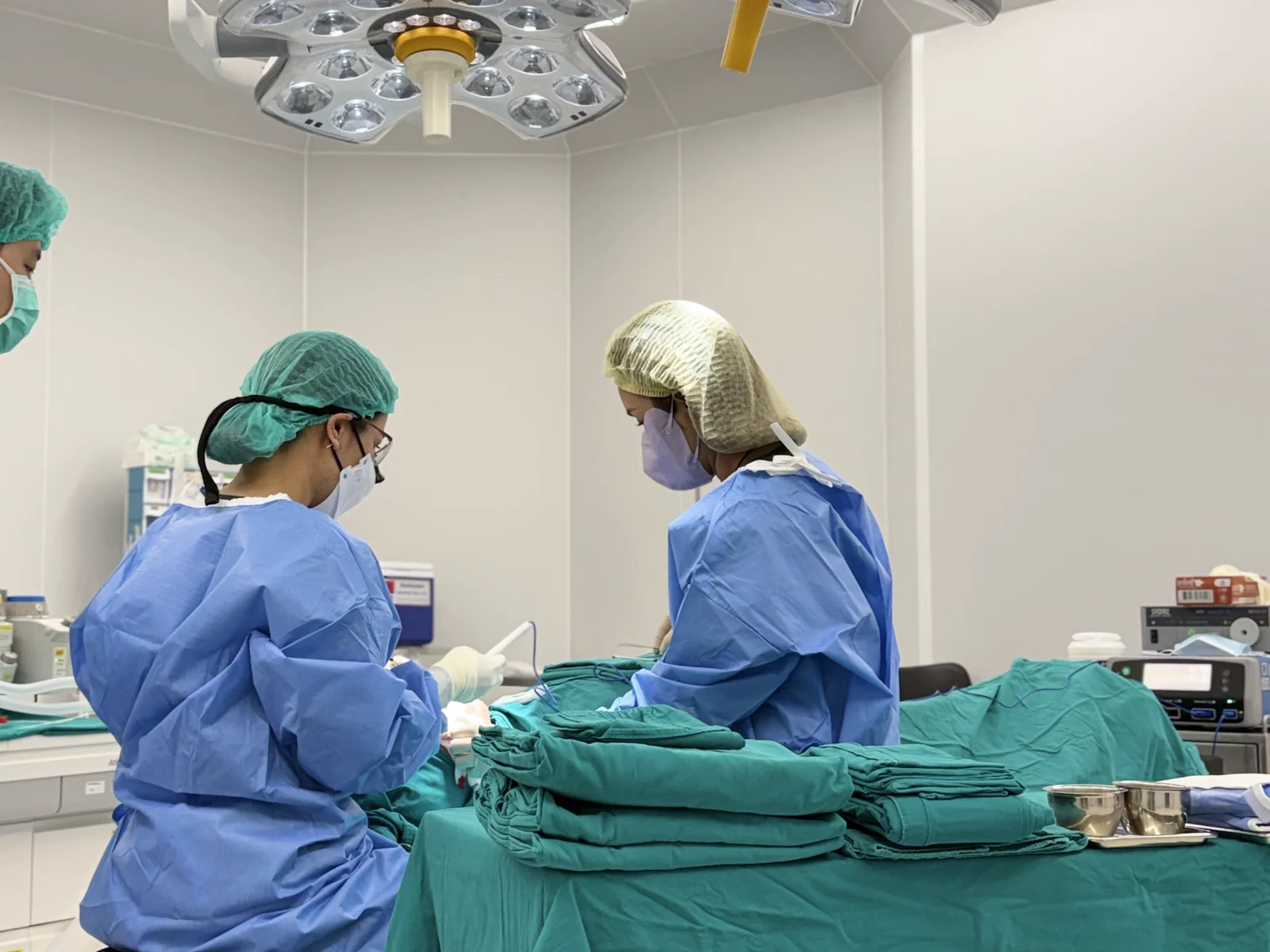
Surgery is performed in the operating room of a JCI- or AACI-accredited partner private hospital, with anesthesia care and continuous monitoring throughout.
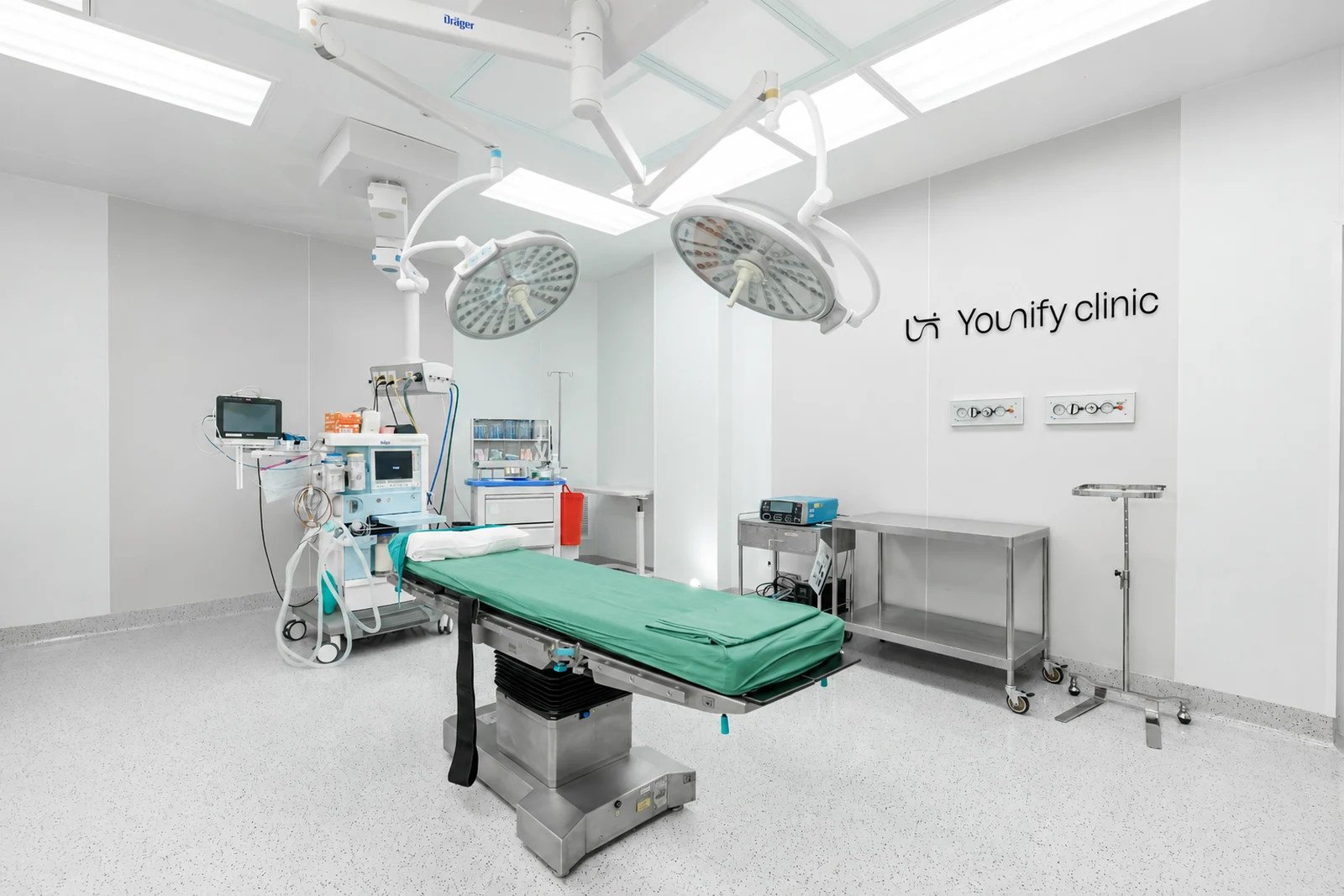
JCI- or AACI-accredited partner private hospital
Procedures are performed in a registered operating room, not a treatment room.
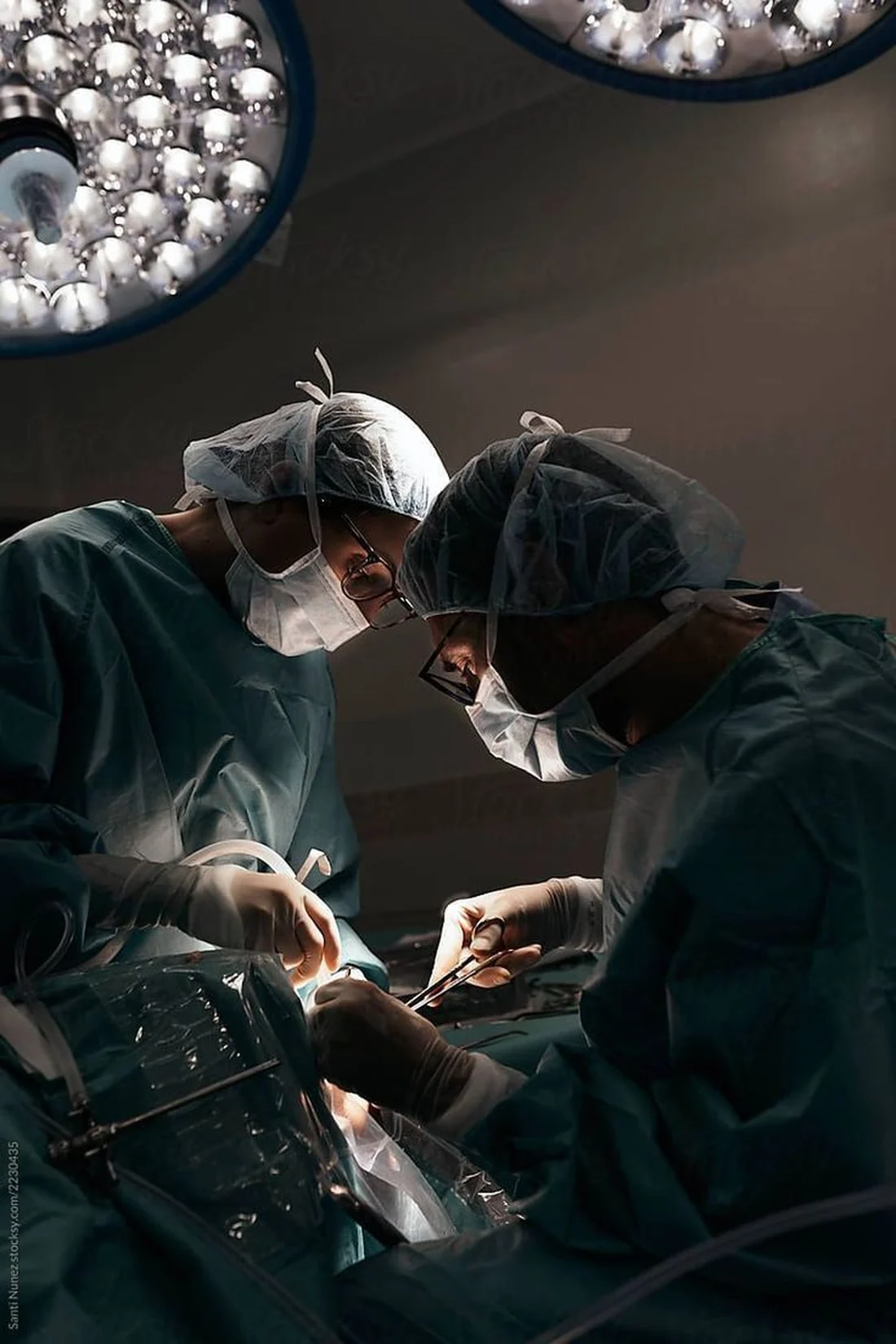
Specialist anaesthesia care
Anaesthesia is administered and monitored by a qualified anaesthesiologist for the duration of surgery.
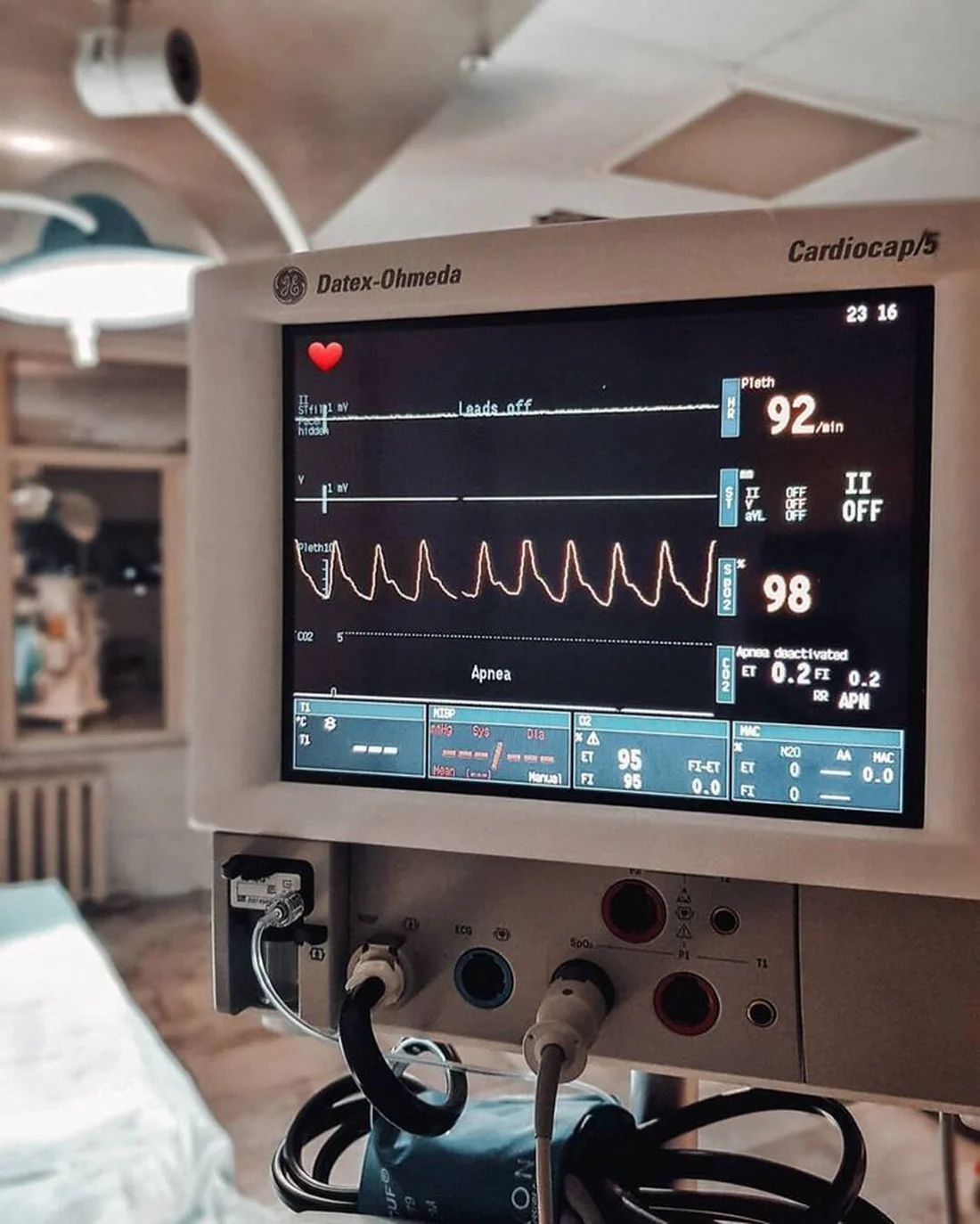
Continuous monitoring
Vital signs are monitored continuously during the procedure and through initial recovery.
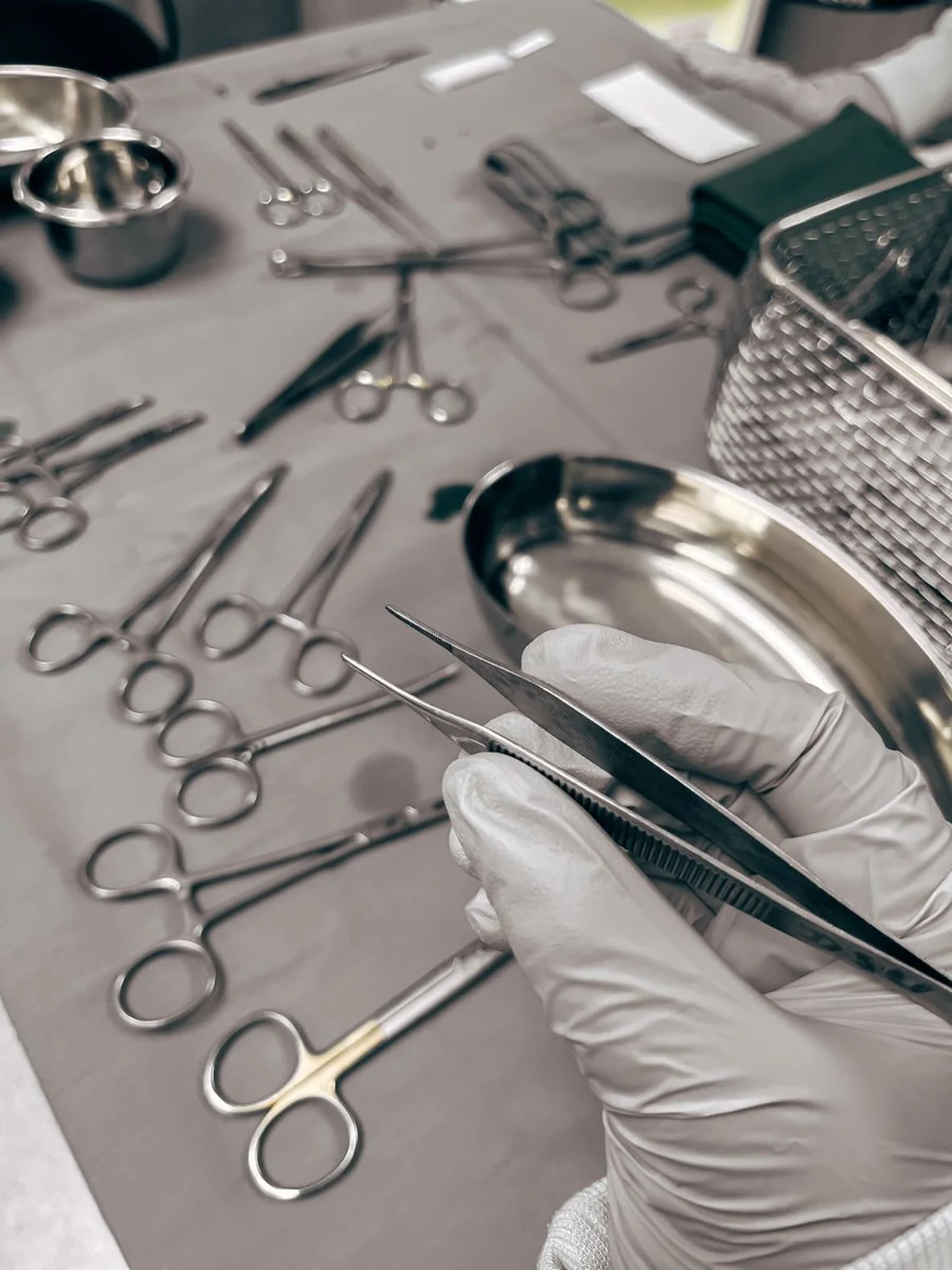
Sterile instrument protocol
Instruments and implants are handled under a documented sterile protocol.
The treatment process
Consultation & assessment
Standardised side and top photographs, measurements, and a check of scalp thickness.
Volume planning
Position and volume are agreed, along with a clear explanation of what is realistically achievable.
Pre-operative preparation
Pre-surgical health checks plus preparation guidance, including hair care.
Day of surgery
Performed under general anaesthesia through an incision placed within the hairline at the back of the head.
Aftercare
Wound care, swelling management and guidance on sleeping position for the first period.
Follow-up
Scheduled wound checks and a contour review once swelling settles.
Recovery timeline
Your surgery at YOUNIFY
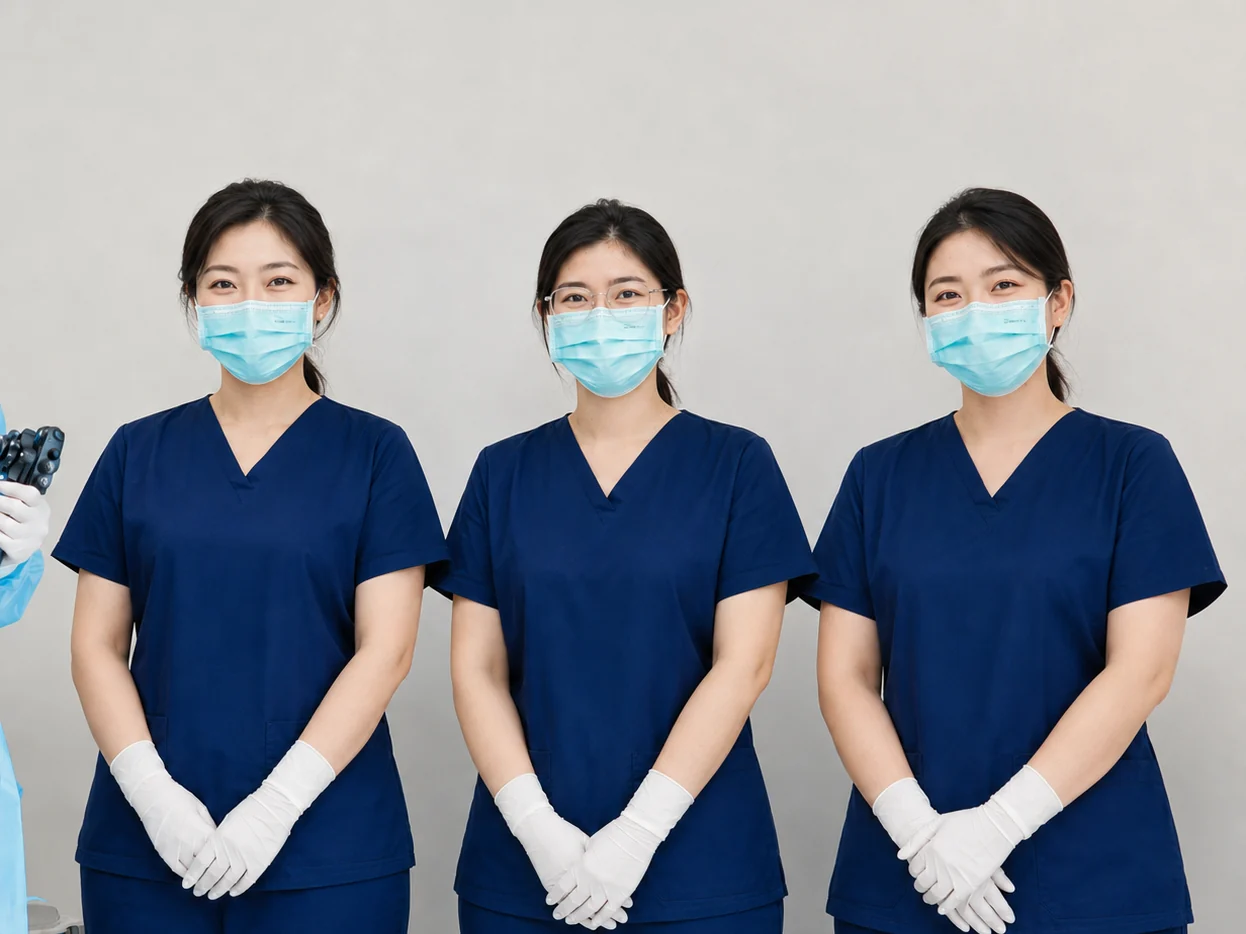
From the surgeon who operates to the nurses who follow up, and a private suite to recover in.

Frequently asked questions
Will the scar be visible?
The incision sits within the hairline at the back of the head and is not visible in everyday situations once hair regrows. Complete disappearance of any scar cannot be guaranteed.
Does my head need to be shaved?
A full shave is not usually required: the hair is parted along the incision line only. The exact extent depends on your surgical plan.
Is the result permanent?
An implant is stable long term. Fat grafting partially resorbs over the first months and may need a second session.
When can I sleep on my back?
You will be asked to avoid lying on the operated area at first. How long depends on your surgical plan and how your wound heals.
* This information is for general education. Results and treatment plans depend on an individual medical assessment. Every procedure carries risk. Please consult a doctor before deciding.
Related procedures
Considering occipital contouring?
Book an assessment of your head shape and an individual plan with the YOUNIFY Clinic medical team.
Medically reviewed by Dr. Noppachai Siranart · Last reviewed
Surgery is performed by the clinic's two board-certified plastic surgeons at JCI- or AACI-accredited partner private hospitals in Bangkok.
Individual results may vary. Please consult a doctor before treatment.