Plantar Fasciitis Care
Plantar Fasciitis Treatment in Bangkok
Persistent heel pain at YOUNIFY Clinic, Silom, Bangkok, is assessed before any procedure is offered, because most heel pain settles without one. Where standard care has not worked, transarterial microembolization starts from THB 129,000 and is performed through a needle puncture with same-day discharge. Results vary by individual.
Plantar Fasciitis Care
Overview
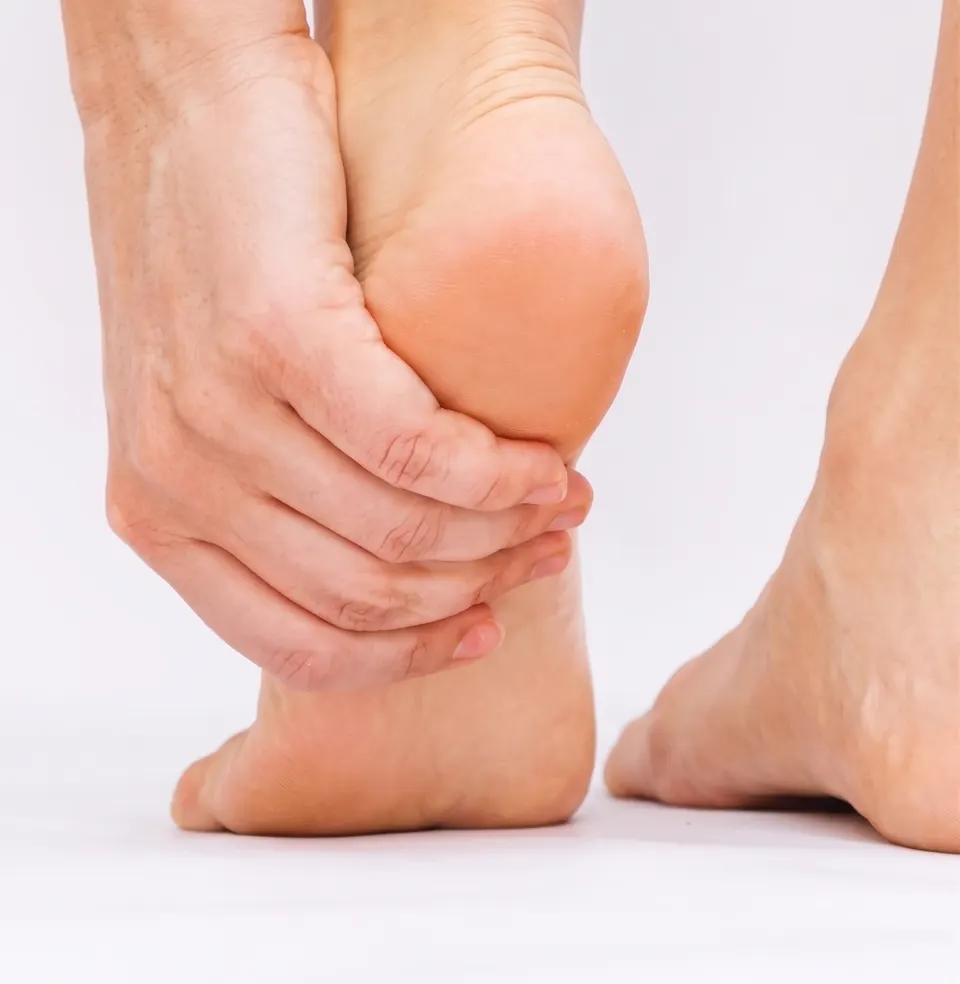
Plantar fasciitis often starts as heel pain with the first steps in the morning. Many patients begin with stretching, footwear changes, and physical therapy; for selected chronic inflammatory pain, the doctor may consider a TAME procedure. Heel pain is not always plantar fasciitis, so the cause is assessed first.
- Plantar fasciitis
- Heel pain
- Chronic pain
- TAME
Treatment Options for Plantar Fasciitis
| Approach | What it involves | Is it a procedure |
|---|---|---|
| Stretching and activity adjustment | Stretching and adjusting how weight is loaded through the day | No |
| Arch support and footwear | Arch supports and footwear suited to daily use | No |
| Physiotherapy | A physiotherapy program, as assessed by your physician | No |
| A course of anti-inflammatory medication | Anti-inflammatory medication for a defined period, as assessed by your physician | No |
| Case-by-case procedures | Shockwave, PRP injection, or corticosteroid injection, as assessed by your physician | Yes |
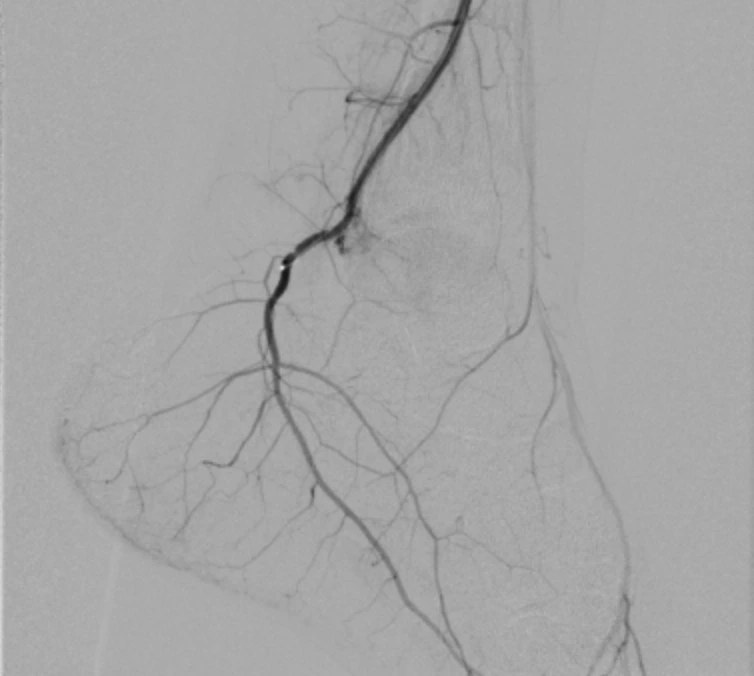
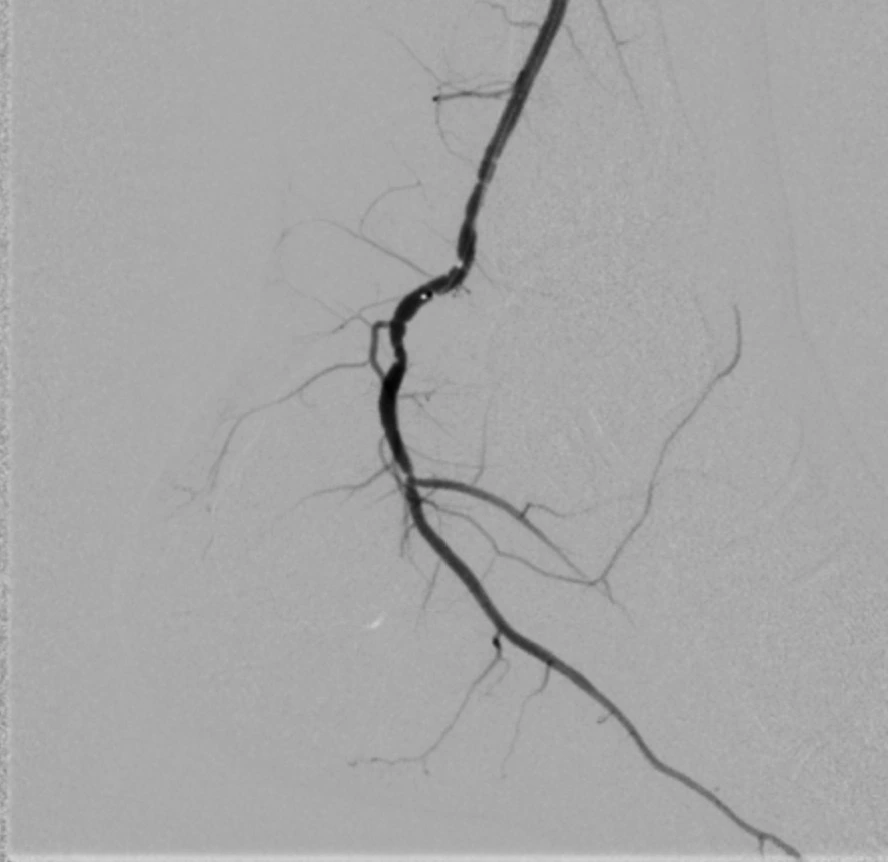
| TAME microembolization | Reduces the abnormal vessels associated with the source of pain, in selected patients with chronic inflammation | Yes |
Treatment depends on the stage of symptoms, their severity, and what has already been tried. Not everyone needs an injection or a procedure. Your physician assesses you and selects the approach that suits you.
Care Pathway
Foot and walking assessment
Risk factor and load review
Stage-matched treatment plan
Follow-up for walking and recurrence prevention
Who It May Suit
- Heel pain with first steps in the morning
- Persistent pain despite stretching or footwear changes
- Pain that limits walking, work, or exercise
Price list
* Indicative prices for reference only. Final pricing depends on an individual assessment. Overseas prices are indicative market estimates for comparison only — contact our team for a personalized quote.
Traveling from overseas? See the Thailand package for this procedure.
View the Thailand packageFAQ
Can plantar fasciitis go away on its own?
Some cases improve with load adjustment and stretching, but persistent or recurrent pain should be assessed.
Does everyone need injections or procedures?
No. Treatment depends on severity, duration, and what has already been tried.
Can I keep exercising?
It depends on pain level and activity type. Temporary load modification may be needed to avoid repeated irritation.
Related Services
Reviewed by The YOUNIFY Clinic medical team · Last reviewed
Individual results may vary. Please consult a doctor before treatment.