
Breast & Body
Breast Lift in Bangkok
At YOUNIFY Clinic in Bangkok, breast lift (mastopexy) starts from THB 175,000; the final plan is confirmed in a written quotation after assessment. A breast lift (mastopexy) at YOUNIFY Clinic, Silom, Bangkok, raises and reshapes the breast and repositions the nipple using your own tissue. Most patients fly home within 7 to 10 days; results vary by individual.
Clinic open daily, 11:00 to 20:00 (Bangkok time) · Online enquiries answered 24 hours a day

Price list
Procedures in this table start from THB 48,000 to THB 225,000 per procedure; the final plan is confirmed in a written quotation after assessment.
| Procedure | Starting Thailand price (฿) | Starting Thailand price (AUD) | Standard Australia price (AUD) |
|---|---|---|---|
| Breast Lift | |||
| Breast Lift (Mastopexy) | THB 175,000 | A$7,609 | A$15,000 |
| Breast Lift with Augmentation (Round implants) | THB 225,000 | A$9,783 | A$25,000 |
| Implant Removal / Revision | |||
| Breast Implant Removal | THB 125,000 | A$5,435 | A$12,000 |
| Breast Implant Removal & Lift | THB 145,000 | A$6,304 | A$20,000 |
| Breast Implant Revision | THB 200,000 | A$8,696 | A$18,000 |
| Nipple & Areola | |||
| Nipple Lift | THB 48,000 | A$2,087 | A$4,500 |
| Areola Reduction | THB 48,000 | A$2,087 | A$4,500 |
| Nipple Reduction | THB 48,000 | A$2,087 | A$4,500 |
| Nipple Correction Surgery | THB 48,000 | A$2,087 | A$4,500 |
* Indicative prices for reference only. Final pricing depends on an individual assessment. Overseas prices are indicative market estimates for comparison only. Contact our team for a personalized quote.
Your final quote follows an individual medical assessment. You receive a written quotation before any deposit.
Traveling from overseas? See the Thailand package for this procedure.
View the Thailand packagePlan your trip
All figures are approximate and intended for travel planning. Results vary by individual, and your doctor confirms the plan case by case. Please consult a physician before treatment.
Care you can measure
Figures from the YOUNIFY surgical program.
01 · Planning
Plan the lift on your own anatomy
Know where the breast will sit before the day of surgery.
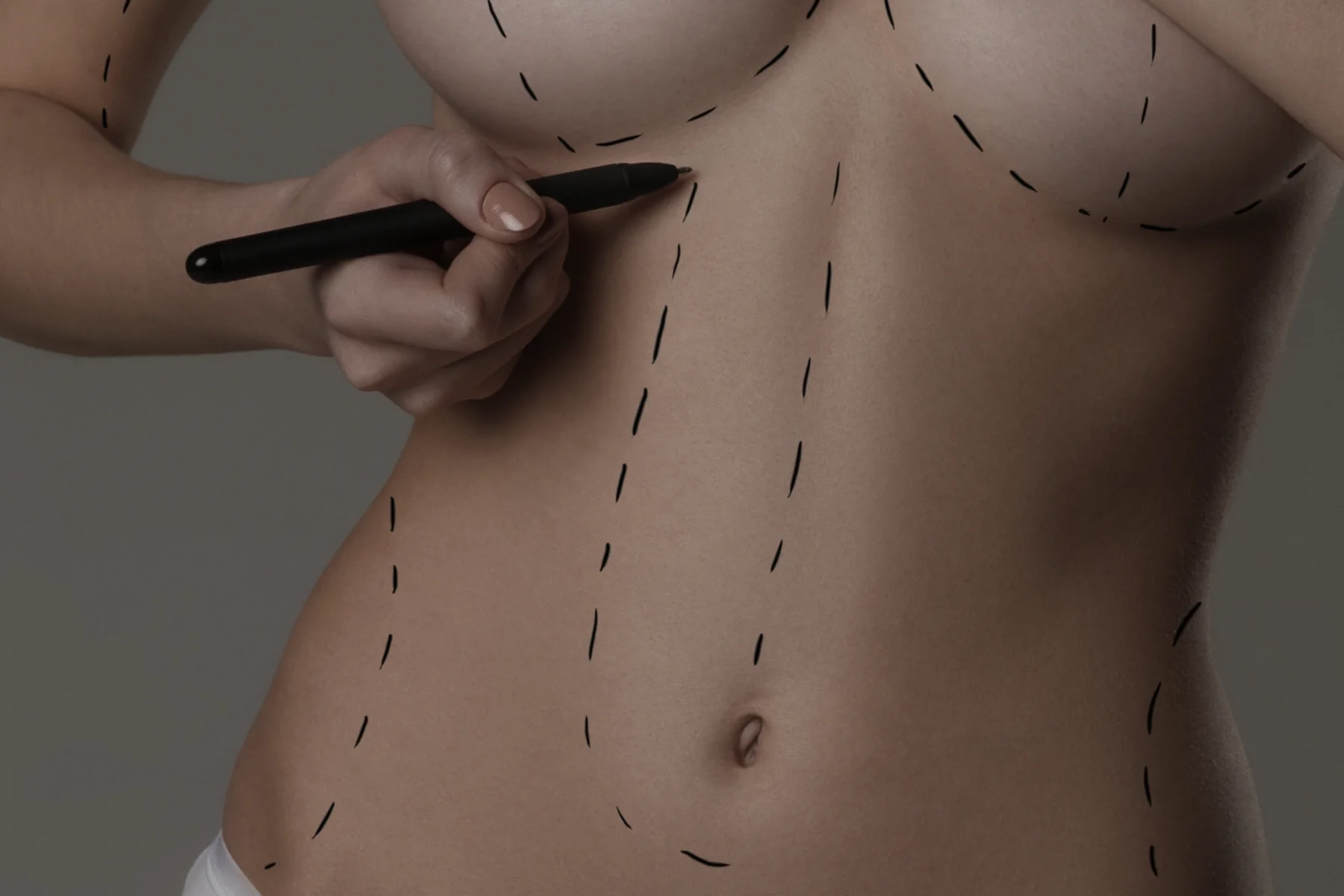
Planning a lift starts with one measurement: where the nipple sits now, relative to the fold beneath your breast. That number, more than any photograph, decides which scar pattern your lift needs.
We mark the plan on you standing up. A breast assessed lying down does not tell you what it will look like in a mirror, so you see the marks, and the reasoning behind them, before anything is agreed.
Markings and measurements guide the plan. They illustrate an expected direction, not a guaranteed outcome.
What is a breast lift?
A breast lift (mastopexy) corrects sagging by removing excess skin, tightening the underlying tissue, and repositioning the nipple and areola to restore a firmer, more youthful shape.
Sagging often follows pregnancy, breastfeeding, weight loss, or aging. The YOUNIFY team assesses the degree of ptosis and your tissue volume to choose the technique and incision that suit you best.
Concerns it addresses
Sagging (ptosis)
Breast tissue has descended, leaving the shape less firm and the upper pole empty.
Nipple points down / below the fold
The nipple sits below the breast fold or points downward, making the breast look droopy.
Upper-pole deflation after pregnancy
Loss of upper fullness after pregnancy, breastfeeding, or weight loss.
Stretched skin / wide areola
The breast skin has stretched and the areola widened as tissue descended.
Breast Lift vs Augmentation
The two procedures solve different problems, and are often combined. Your surgeon will assess which applies to you.
| Breast Lift | Breast Augmentation | |
|---|---|---|
| Primary goal | Raises sagging breasts to a firmer shape | Adds size and fullness |
| Method | Reshapes skin and tissue; usually no implant | Places silicone implants |
| Fullness | Keeps your existing volume, refines the shape | Adds upper-pole fullness |
| Nipple position | Raised to a higher position | Stays where it is |
| Suited to | Sagging after pregnancy, breastfeeding or weight loss | Smaller breasts, or wanting more size |
How we plan your result
A lift restores the nipple and breast tissue to a proportionate position on the chest by reshaping the tissue, not just trimming excess skin. The degree of sagging determines the right incision pattern.
Your planning options
Who is it for
- Those with sagging breasts who want a firmer shape
- Those whose nipples sit lower than before
- Those whose breasts changed after pregnancy, breastfeeding, or weight loss
- Those in good health with no contraindications to surgery
03 · Incision
Which scar pattern suits your degree of lift
A lift removes skin, so it always leaves a scar. The pattern is matched to how much lift you need: the more skin that has to come out, the longer the scar.
Donut (periareolar) lift
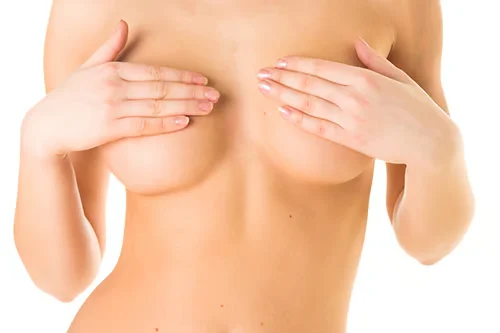
A single incision around the edge of the areola. A widened areola can be reduced at the same time.
Benefits: The shortest scar of the three, following the areolar border where the change in skin colour helps disguise it.
Suitable for: Mild sagging, where the nipple still sits close to the breast fold.
Lollipop (vertical) lift
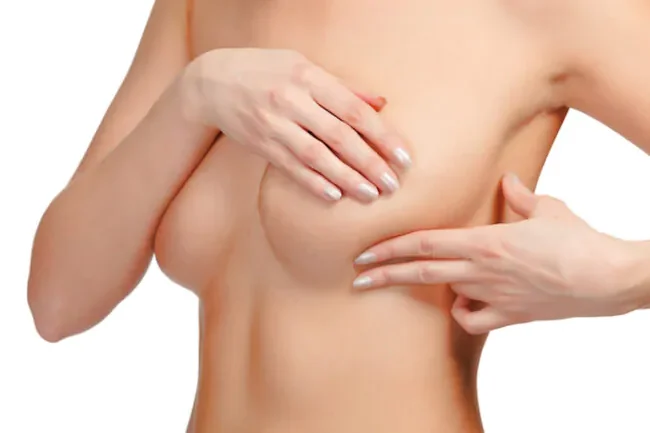
An incision around the areola and vertically down to the breast fold.
Benefits: Allows noticeably more reshaping than the donut pattern while keeping the scar out of the breast fold.
Suitable for: Moderate sagging that needs more skin removed than a periareolar lift can achieve.
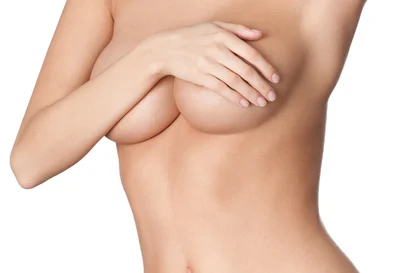
Anchor (inverted-T) lift
Around the areola, vertically down, and along the breast fold.
Benefits: Gives the most control over shape and over how much skin is removed.
Suitable for: Significant sagging or a large amount of stretched skin. It leaves the longest scar of the three. Your surgeon will show you the pattern before you decide.
04 · Your team
Performed by board-certified plastic surgeons
This procedure is performed by the clinic's plastic surgeons at an accredited partner private hospital (JCI / AACI).

Dr. Phattrapohn Liangcheep
Plastic and Reconstructive Surgery
Diploma of the Thai Board of Plastic and Reconstructive Surgery
View full profile
Dr. Thanachot Kamolveerat
Plastic and Reconstructive Surgery
Diploma of the Thai Board of Plastic and Reconstructive Surgery
View full profile05 · Safety
Operating room standards and monitoring
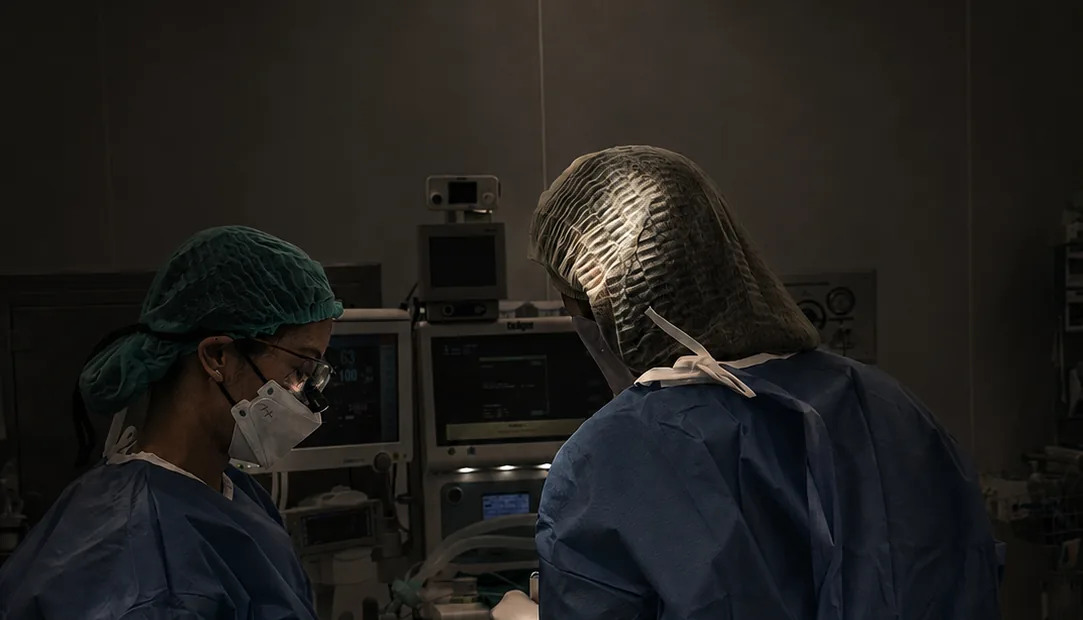
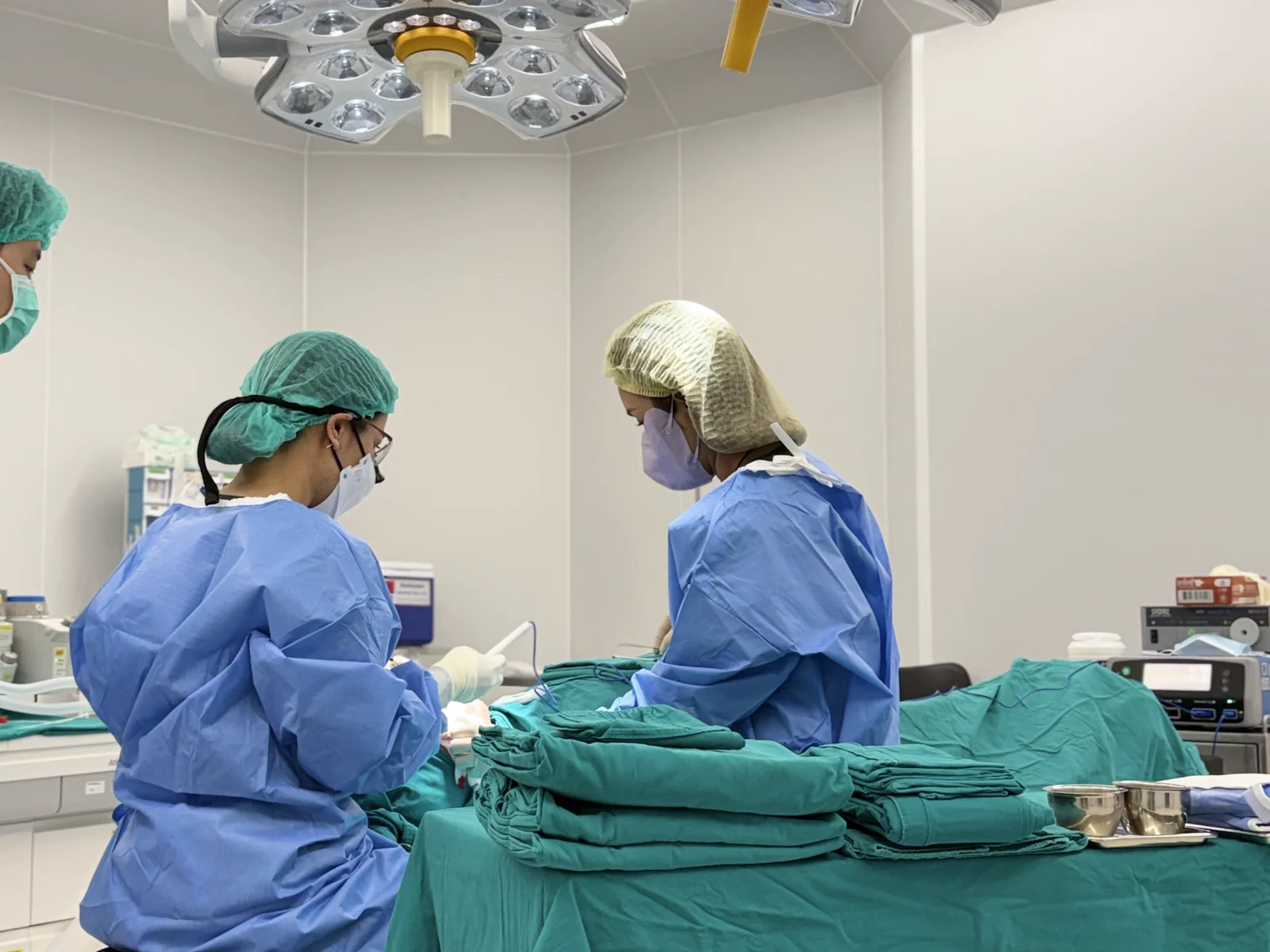
Surgery is performed in the operating room of a JCI- or AACI-accredited partner private hospital, with anesthesia care and continuous monitoring throughout.
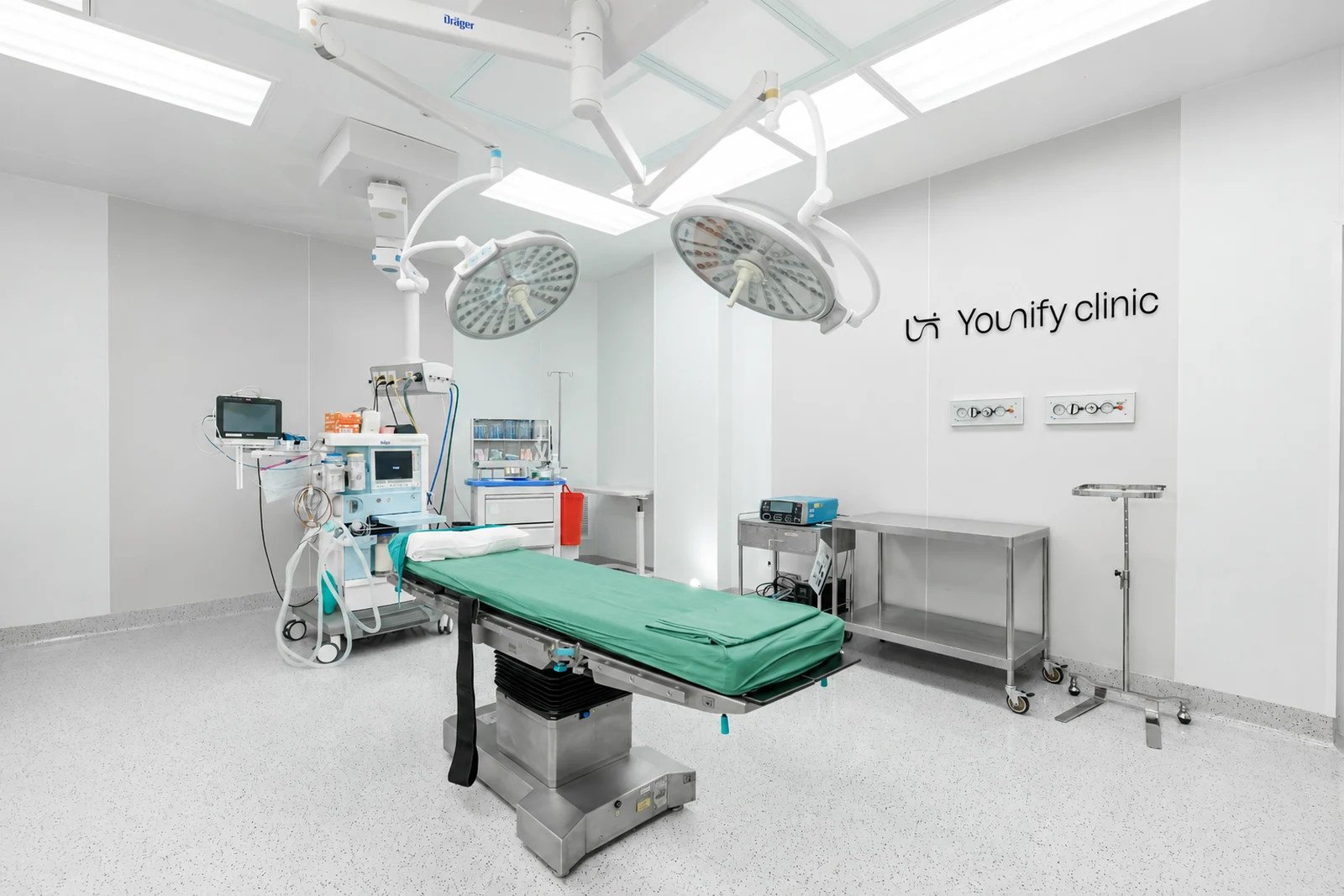
JCI- or AACI-accredited partner private hospital
Procedures are performed in a registered operating room, not a treatment room.
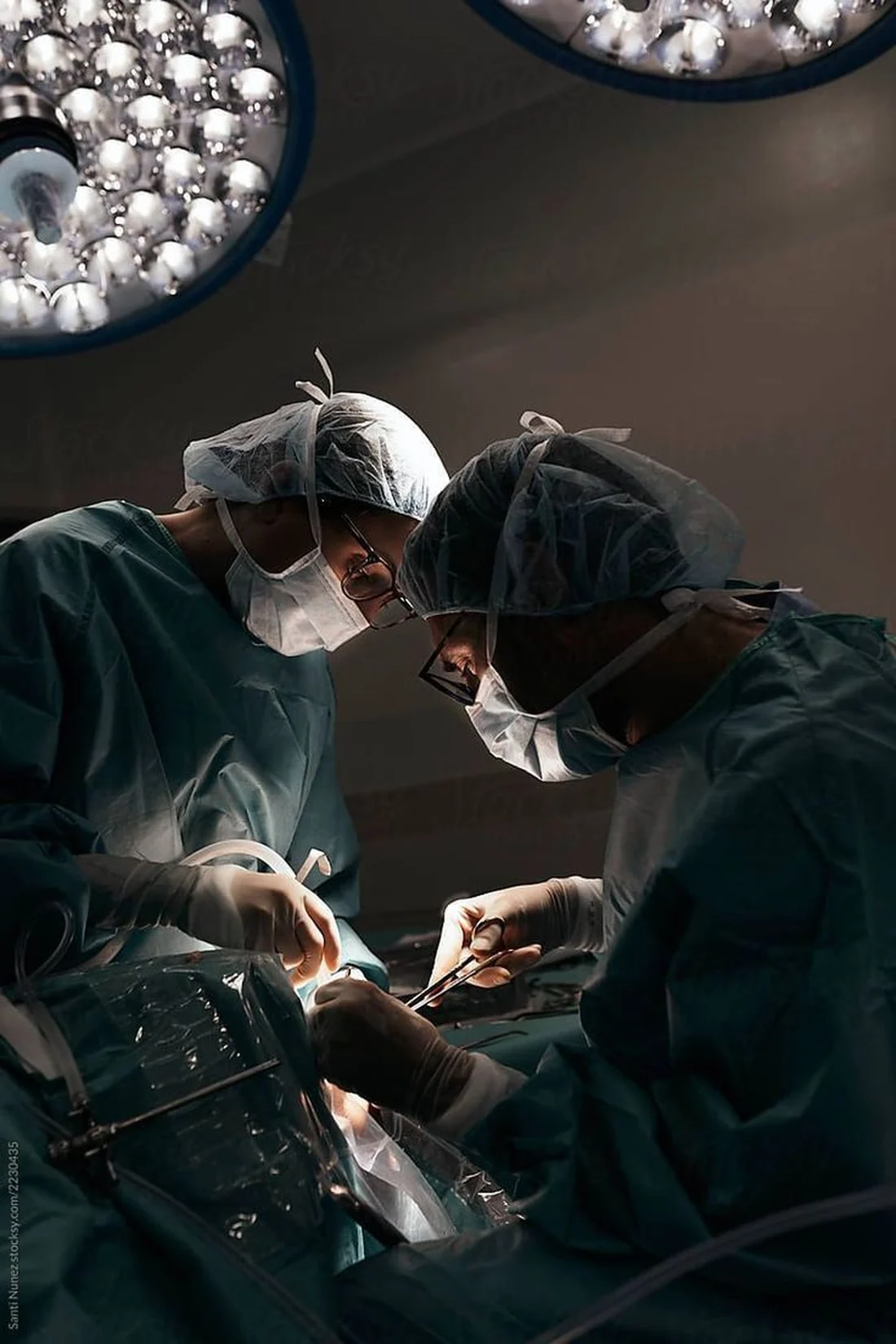
Specialist anaesthesia care
Anaesthesia is administered and monitored by a qualified anaesthesiologist for the duration of surgery.
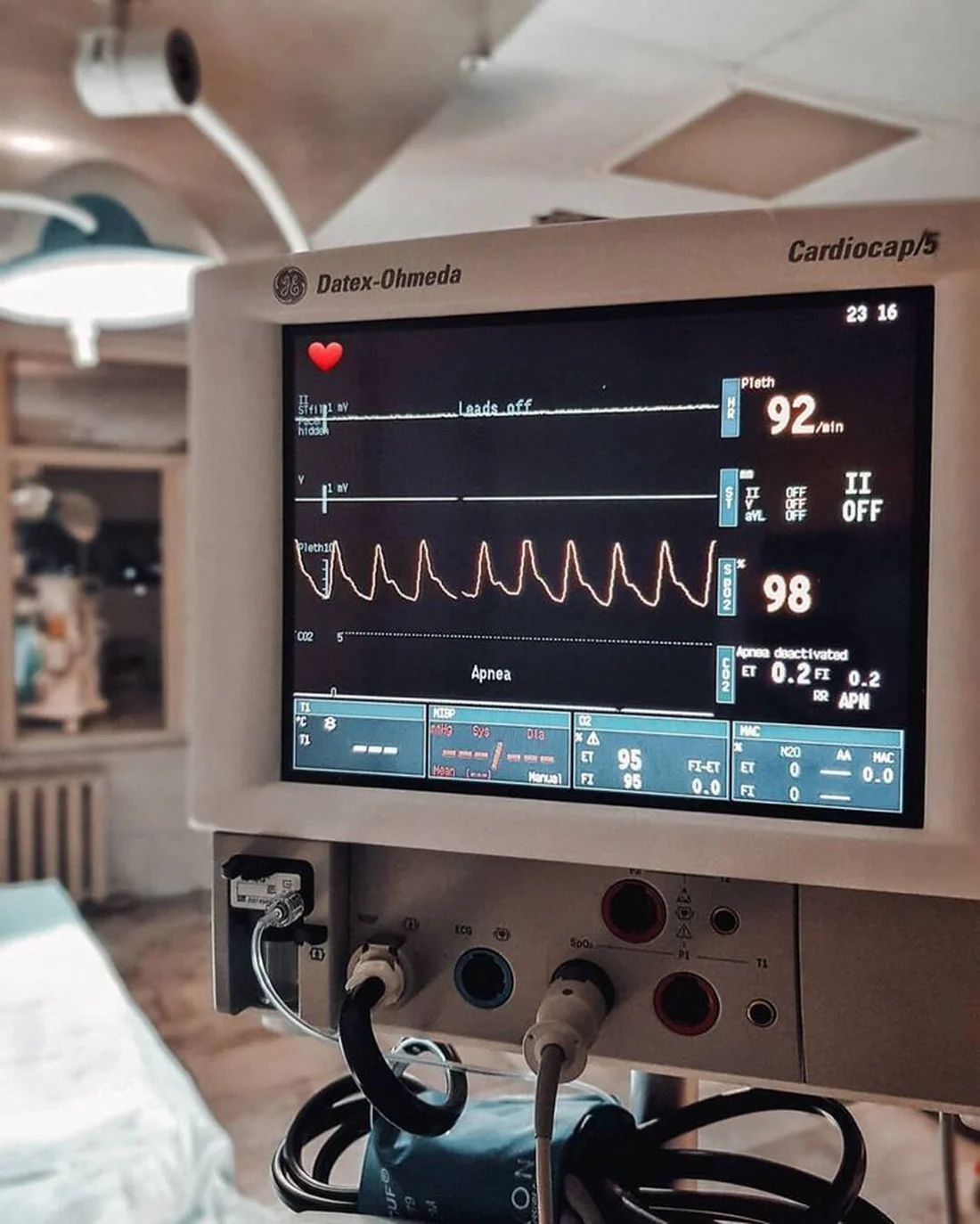
Continuous monitoring
Vital signs are monitored continuously during the procedure and through initial recovery.
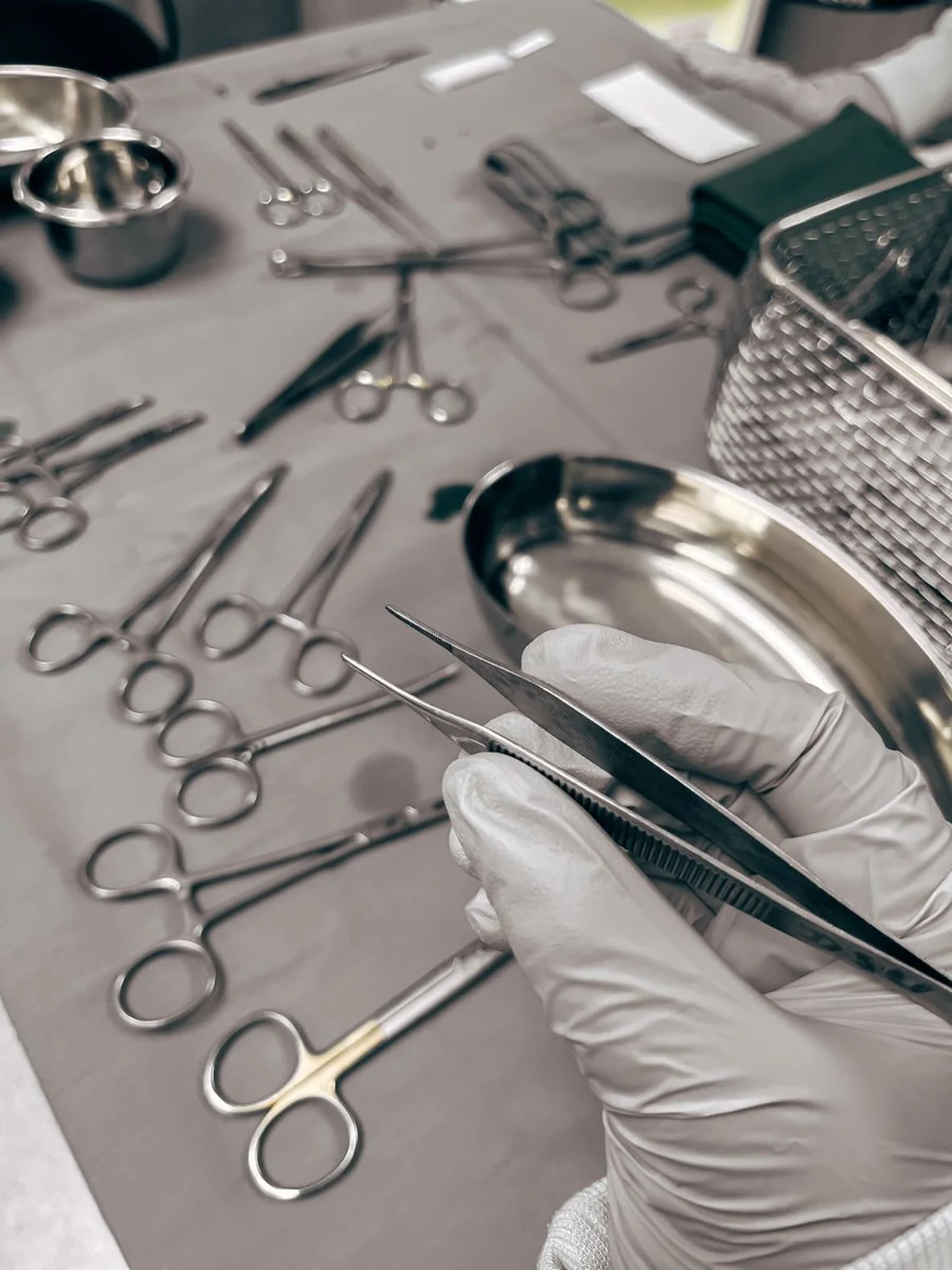
Sterile instrument protocol
Instruments and implants are handled under a documented sterile protocol.
The treatment process
Consult & assess sagging
Assess the degree of ptosis, nipple position, and skin elasticity, and hear your goals.
Plan the incision pattern
Choose the scar pattern for your sagging, and consider a combined implant if you want fullness.
Prepare for surgery
Fitness checks and preparation guidance.
Surgery day
Performed in a standard operating theatre by a specialist surgeon and anesthesia team.
Aftercare
A supportive garment, a swelling program, and wound-care guidance.
Follow-up
Suture removal and reviews as the shape settles.
Recovery timeline
Your surgery at YOUNIFY
From the surgeon who operates to the nurses who follow up, and a private suite to recover in.


Frequently asked questions
How is a lift different from augmentation?
A lift reshapes skin and tissue to correct sagging, while augmentation adds size with implants. If you want both firmness and fullness, they can be combined.
Will my breasts look smaller after a lift?
A lift mainly reshapes rather than reduces size. If you also want a smaller size, your surgeon may recommend a breast reduction.
Will scars be visible?
Incisions are placed to hide around the areola or under the breast fold. Once healed, scars gradually fade and become hard to notice.
How long do results last?
Results are long-lasting, though gravity, pregnancy, and weight changes can still affect shape over time.
* This information is for general education. Results and treatment plans depend on an individual medical assessment.
Related procedures
Interested in a breast lift?
Book a consultation for a personalized assessment and treatment plan with the YOUNIFY Clinic medical team.
Medically reviewed by Dr. Noppachai Siranart · Last reviewed
Surgery is performed by the clinic's two board-certified plastic surgeons at JCI- or AACI-accredited partner private hospitals in Bangkok.
Individual results may vary. Please consult a doctor before treatment.