
Aesthetic Surgery
Forehead & Brow in Bangkok
Forehead contour and brow position adjusted so they run continuously into the nasal bridge and the hairline.
Clinic open daily, 11:00 to 20:00 (Bangkok time) · Online enquiries answered 24 hours a day

Price list
Procedures in this table start from THB 69,000 to THB 182,000 per procedure; the final plan is confirmed in a written quotation after assessment.
| Procedure | Starting Thailand price (฿) | Starting Thailand price (AUD) | Standard Australia price (AUD) |
|---|---|---|---|
| Forehead / Hairline | |||
| Forehead Reduction / Hairline Advancement | THB 148,000 | A$6,435 | A$20,000 |
| Forehead Implant (Augmentation) | THB 119,000 | A$5,174 | A$18,000 |
| Brow / Forehead Lift | |||
| Eyebrow Lift | THB 69,000 | A$3,000 | A$12,000 |
| Forehead / Brow Lift | THB 182,000 | A$7,913 | A$7,652 |
| Temple Augmentation | |||
| Temporal Augmentation | THB 94,000 | A$4,087 | A$16,000 |
* Indicative prices for reference only. Some items are priced per area. Final pricing depends on an individual assessment. Overseas prices are indicative market estimates for comparison only. Contact our team for a personalized quote.
Your final quote follows an individual medical assessment. You receive a written quotation before any deposit.
Plan your trip
All figures are approximate and intended for travel planning. Results vary by individual, and your doctor confirms the plan case by case. Please consult a physician before treatment.
Care you can measure
Figures from the YOUNIFY surgical program.

01 · Planning
Assess forehead and brow as one unit
Move the brow and the eyelid changes with it.
Your surgeon assesses forehead contour in profile, brow position and shape, the distance from brow to lash line, and the hairline. Together, these create the impression of the upper eye.
Lifting the brow without assessing the lid can leave the eyelid looking over-exposed; conversely, creating a crease without addressing a descended brow usually under-delivers. The two are always planned together.
Pre-operative assessment is a planning aid. It illustrates an expected direction, not a guaranteed outcome.
What is forehead & brow surgery?
This group covers forehead reduction / hairline advancement, forehead augmentation for a smoother curve, temple filling for hollowed temples, and brow/forehead lifting, all to balance the upper third of the face.
Your surgeon assesses forehead height, hairline, brow position, and temple fullness to choose the right approach: hairline surgery, augmentation, or an endoscopic brow lift.
Men who want a stronger brow or forehead can read about facial implants for men.
Concerns it addresses
Tall forehead / high hairline
A tall forehead or high hairline makes the upper face look too long.
Flat forehead / hollow temples
A forehead without curve or hollow temples leaves the face looking deflated.
Drooping brows / sagging forehead
Brows descend and the forehead sags, making the eyes look heavy and tired.
Deep forehead lines
Lines from raising the brows against their descent add years and fatigue.
Forehead Augmentation vs Brow Lift
These two procedures are often confused, yet they address different concerns. Your physician assesses whether the concern lies in the shape of the forehead or in the position of the brow.
| Forehead augmentation | Brow or forehead lift | |
|---|---|---|
| Concern addressed | A flat or angular forehead and hollow temples | A descended brow and forehead laxity |
| Primary goal | Adds lateral curvature so the line runs on into the nasal bridge | Raises the position of the brow and the forehead |
| Method | A custom-shaped implant, or the patient's own fat, placed through an incision in the hairline | Endoscopic lift through small incisions in the hairline, or a targeted lift |
| Who it suits | Those whose brow position is still normal | Those whose brow has dropped, leaving the eyes looking heavy |
| What the other cannot do | A brow lift does not change the lateral curve of the forehead | Forehead augmentation does not change brow position |
How we plan your result
The upper face frames the eyes. Forehead height and curve, brow position over the orbit, and temple fullness all relate to one another, so the forehead and brow are planned against the whole face for a result that opens the eyes yet stays natural.
Your planning options
Who is it for
- Those with a tall forehead or high hairline
- Those with a flat forehead or hollow temples
- Those with drooping brows or a sagging forehead
- Those in good health with no contraindications to surgery
03 · Technique
Adding volume or lifting position
A flat forehead and a dropped brow are different problems with different solutions, though they can be treated together.
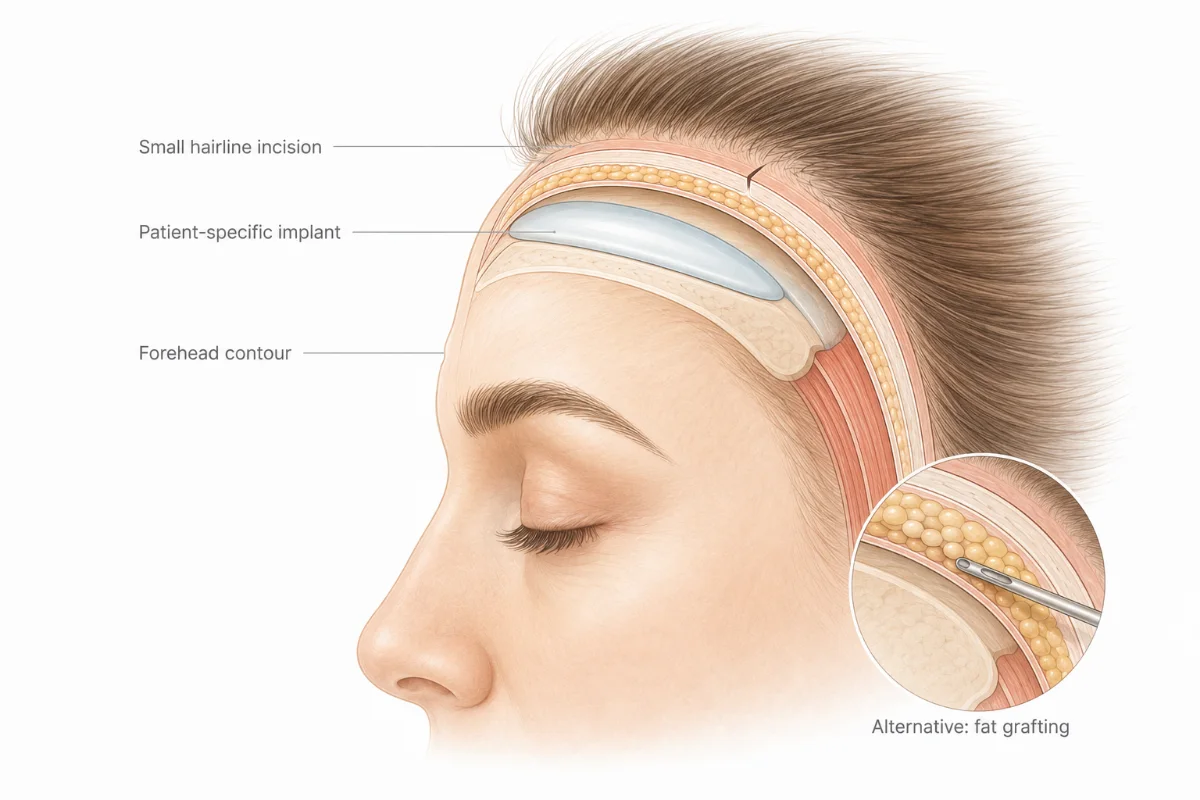
Forehead augmentation
Forehead contour is built up with a patient-specific implant or with fat grafting, through an incision in the hairline.
Benefits: Restores the profile curve into the nasal bridge, something a brow lift does not address.
Suitable for: A flat or angular forehead where brow position is already normal.
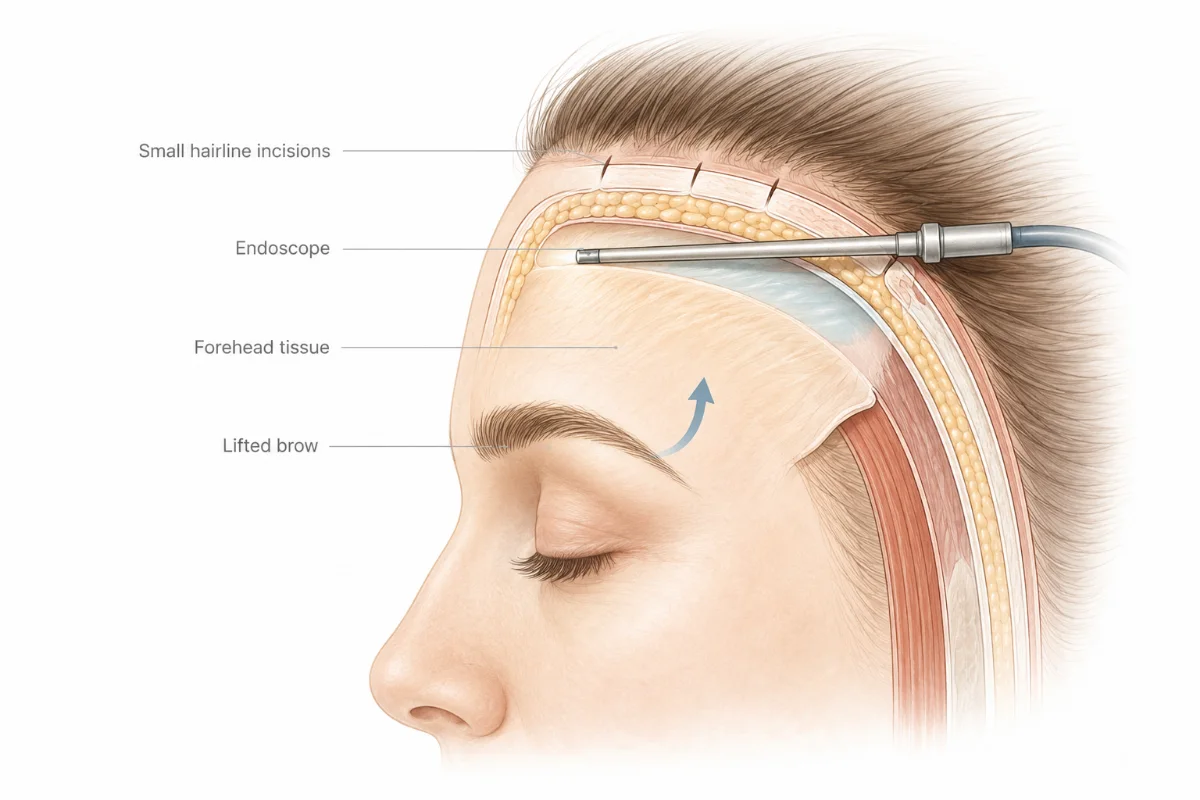
Endoscopic brow lift
Through several small hairline incisions, an endoscope is used to release the forehead tissue and fix it in a higher position.
Benefits: Small, hidden incisions, and the whole forehead can be lifted without a long scar.
Suitable for: Both brows descended, with a hairline that is not already high.
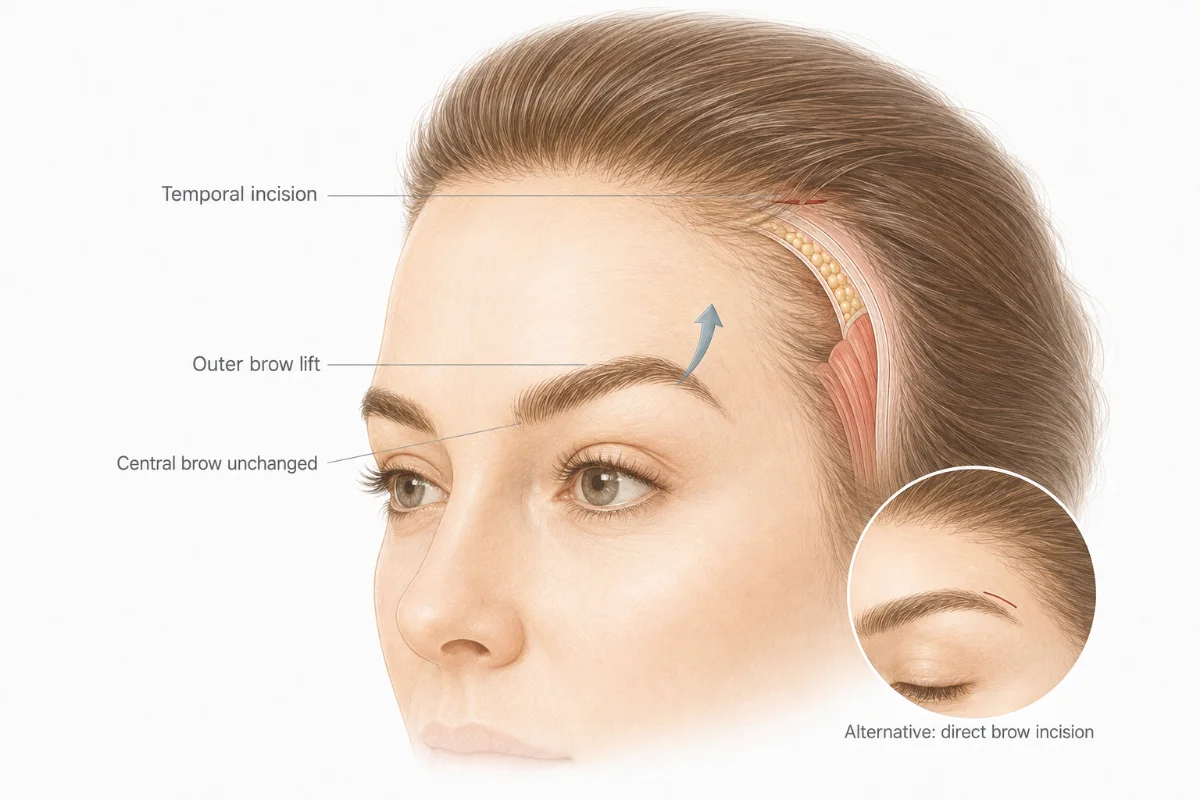
Targeted brow lift
Lifts the outer brow through a temporal incision, or directly above the brow in selected cases.
Benefits: Corrects only the part that has actually dropped, without moving the whole brow line.
Suitable for: Mainly outer-brow descent, or noticeable asymmetry between the two brows.
04 · Your team
Performed by board-certified plastic surgeons
This procedure is performed by the clinic's plastic surgeons at an accredited partner private hospital (JCI / AACI).

Dr. Phattrapohn Liangcheep
Plastic and Reconstructive Surgery
Diploma of the Thai Board of Plastic and Reconstructive Surgery
View full profile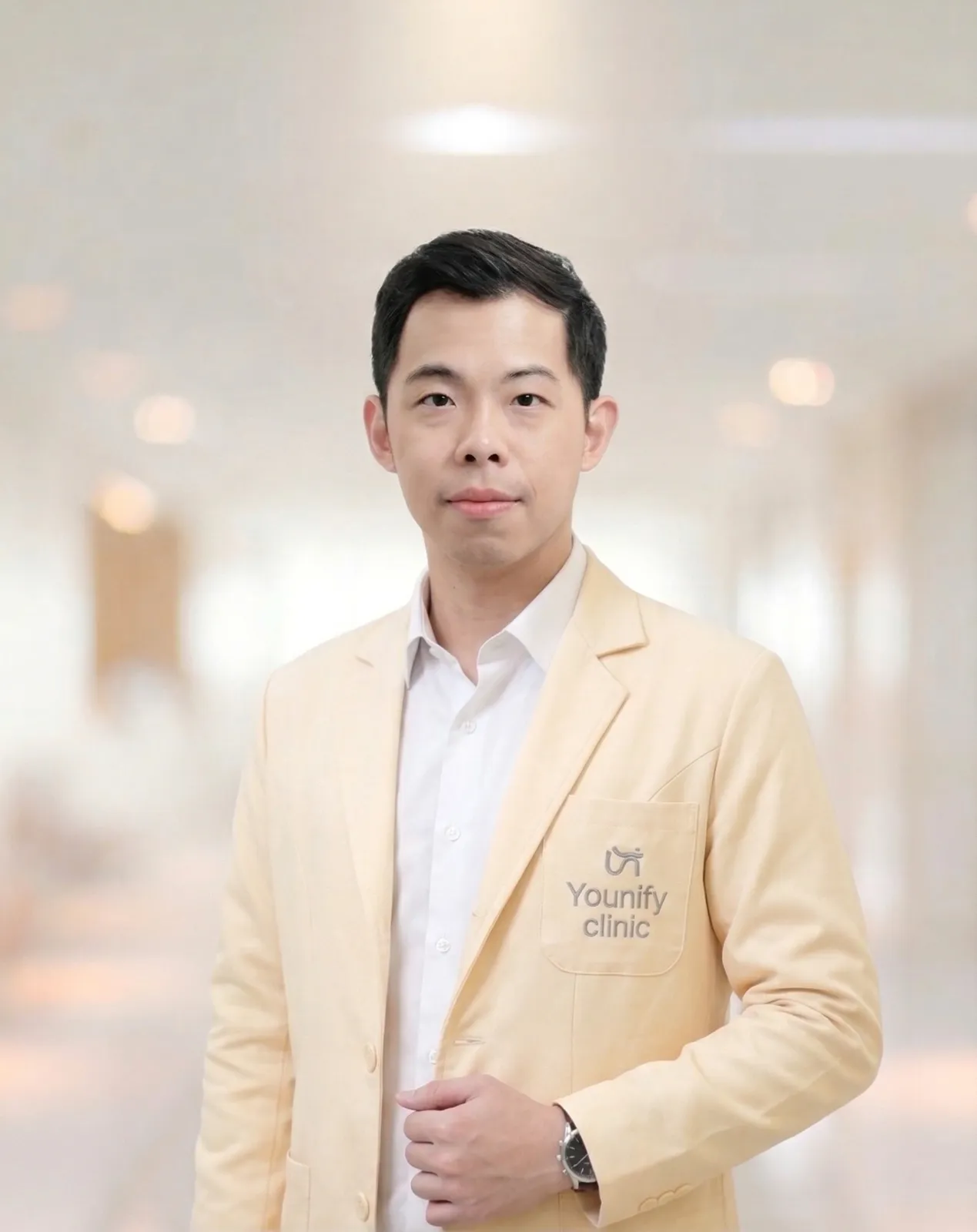
Dr. Thanachot Kamolveerat
Plastic and Reconstructive Surgery
Diploma of the Thai Board of Plastic and Reconstructive Surgery
View full profile05 · Safety
Operating room standards and monitoring
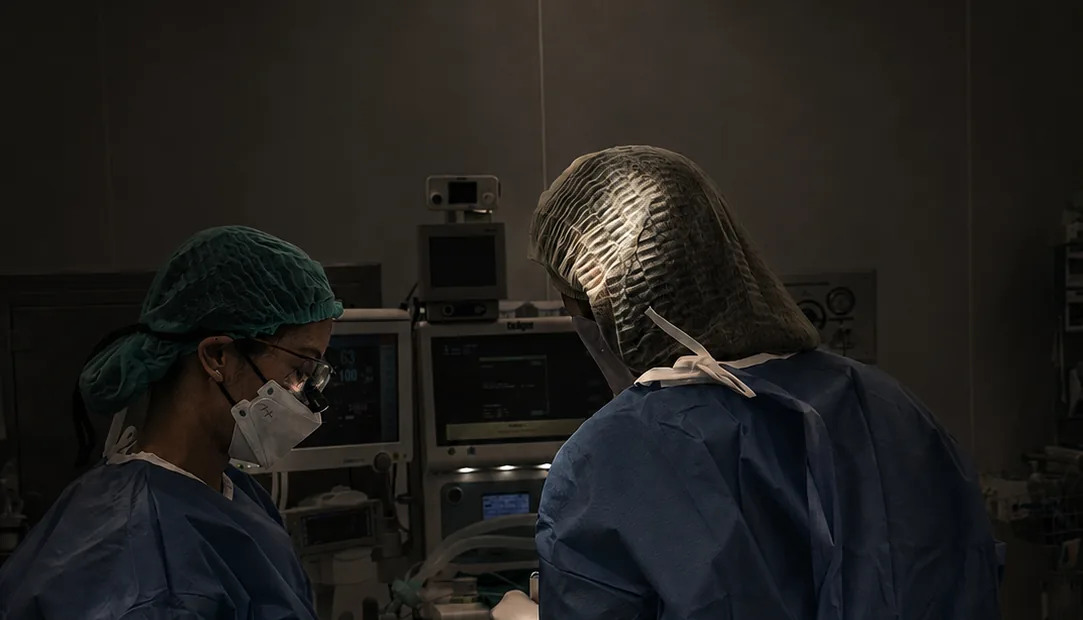
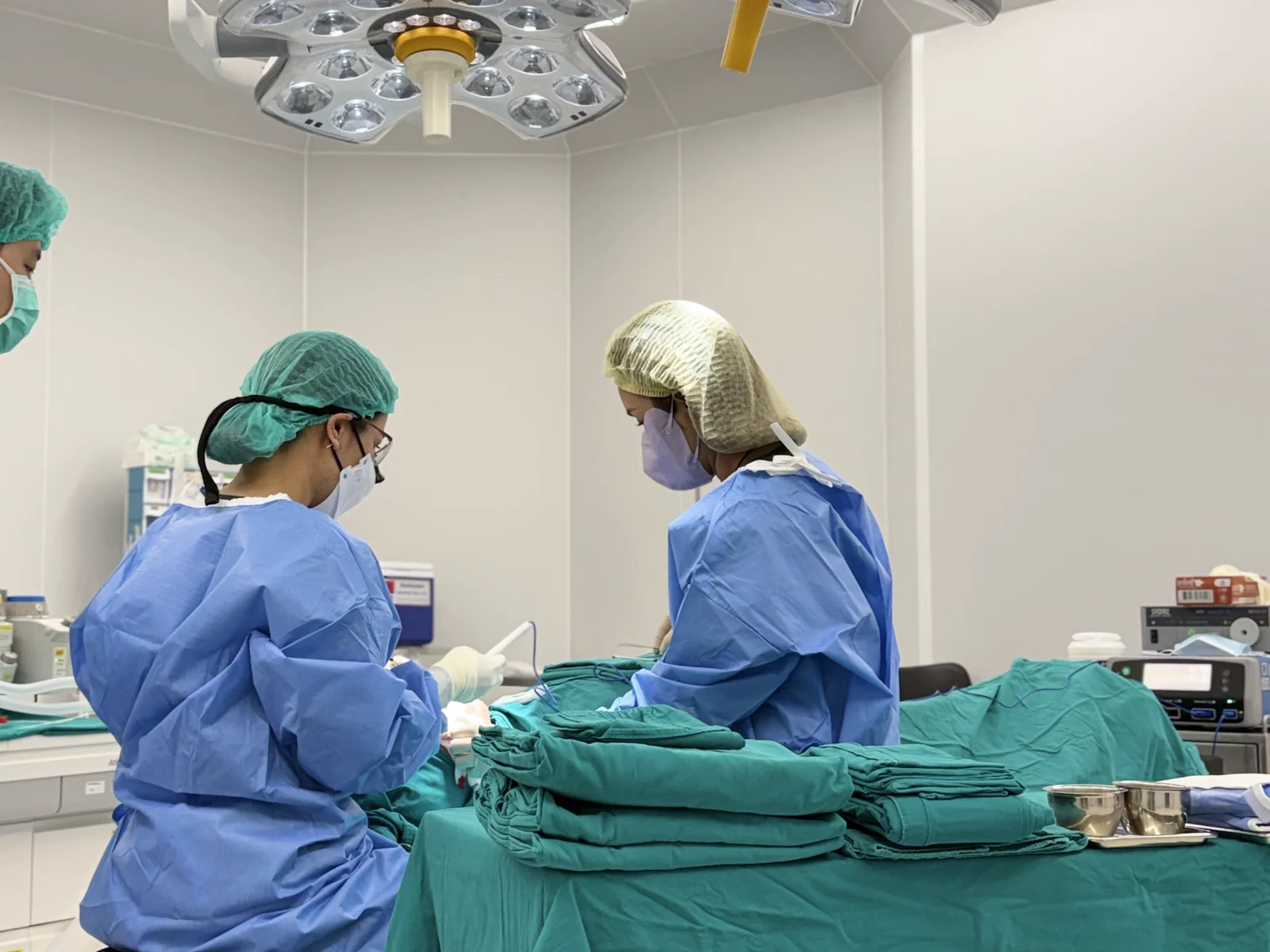
Surgery is performed in the operating room of a JCI- or AACI-accredited partner private hospital, with anesthesia care and continuous monitoring throughout.
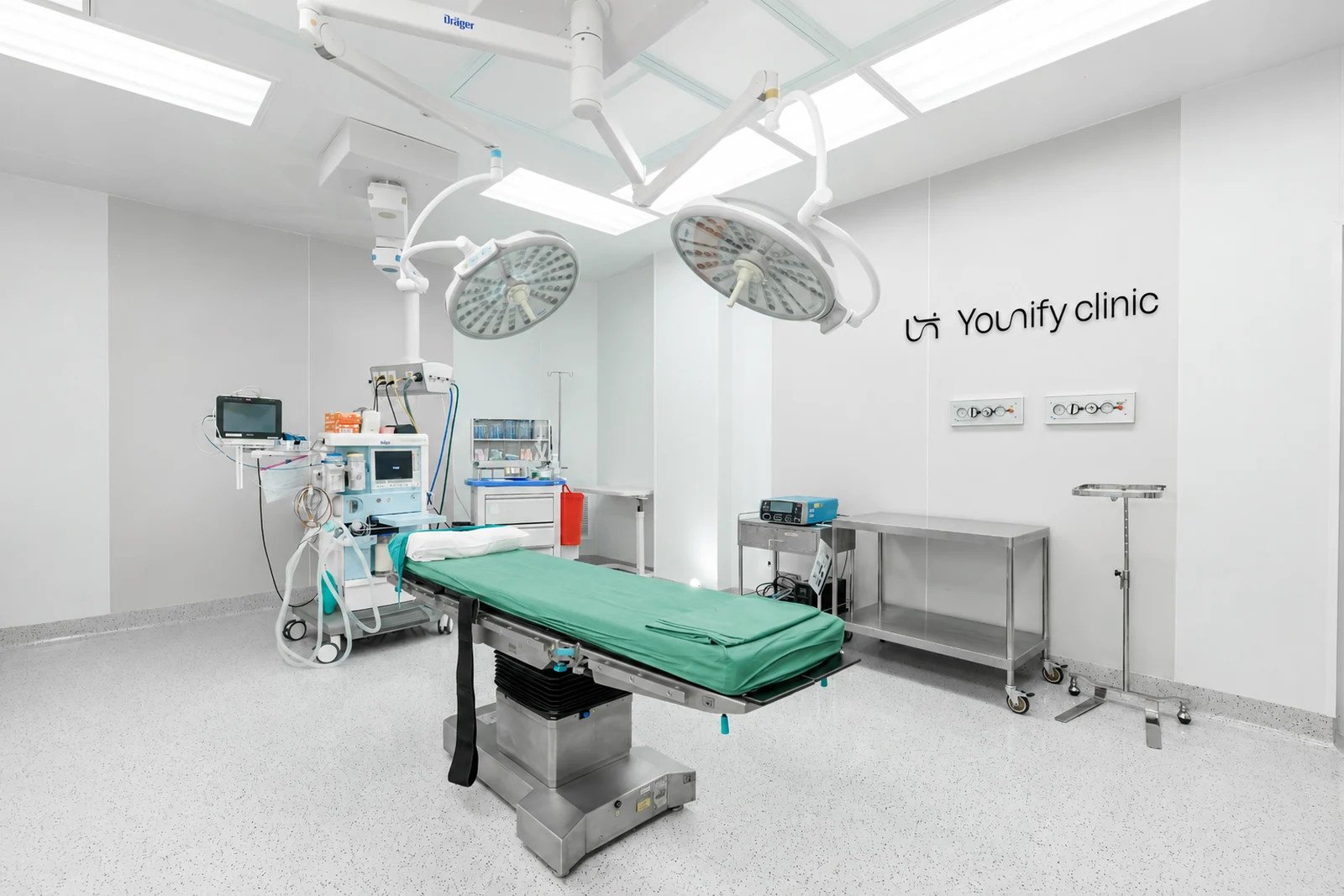
JCI- or AACI-accredited partner private hospital
Procedures are performed in a registered operating room, not a treatment room.
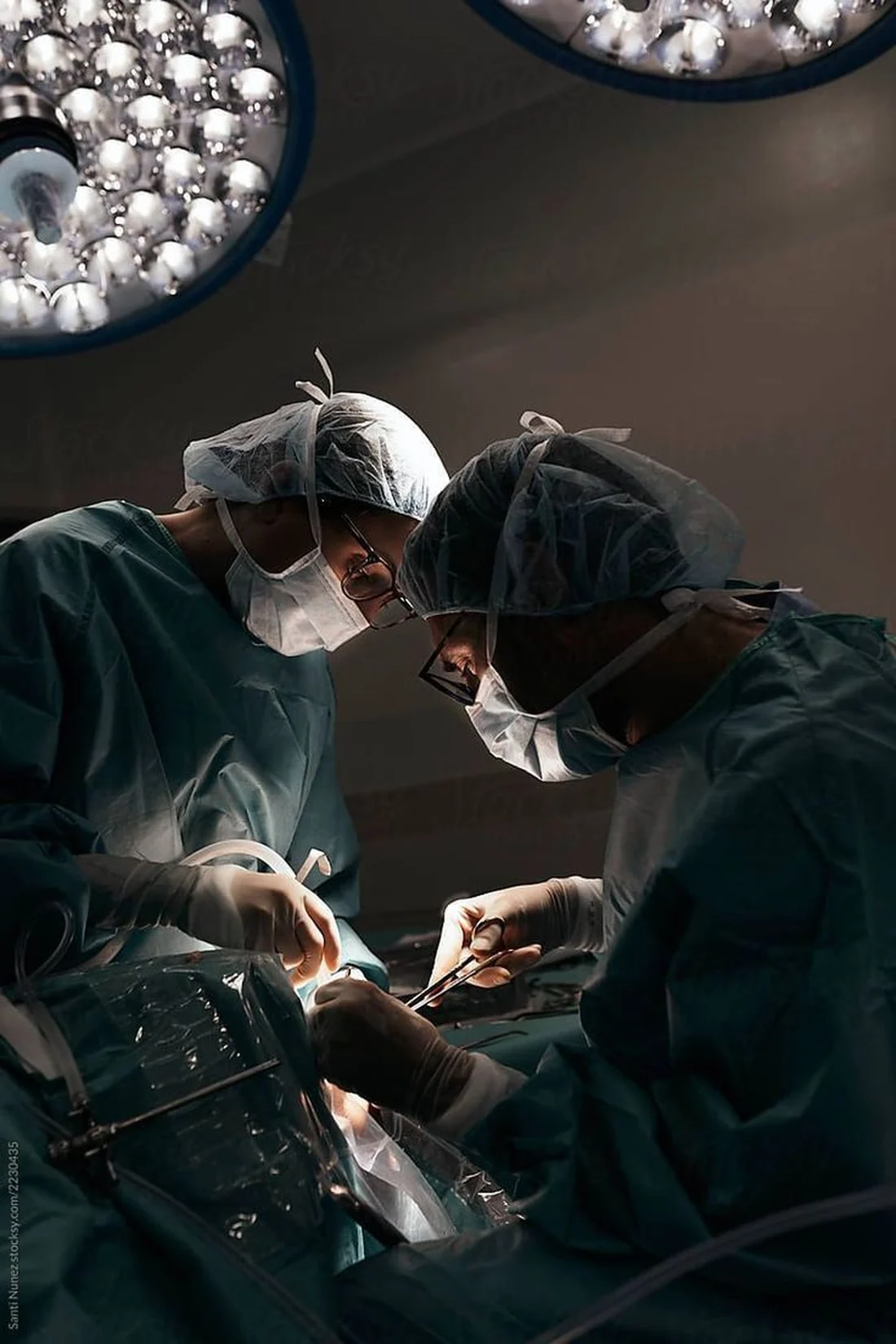
Specialist anaesthesia care
Anaesthesia is administered and monitored by a qualified anaesthesiologist for the duration of surgery.
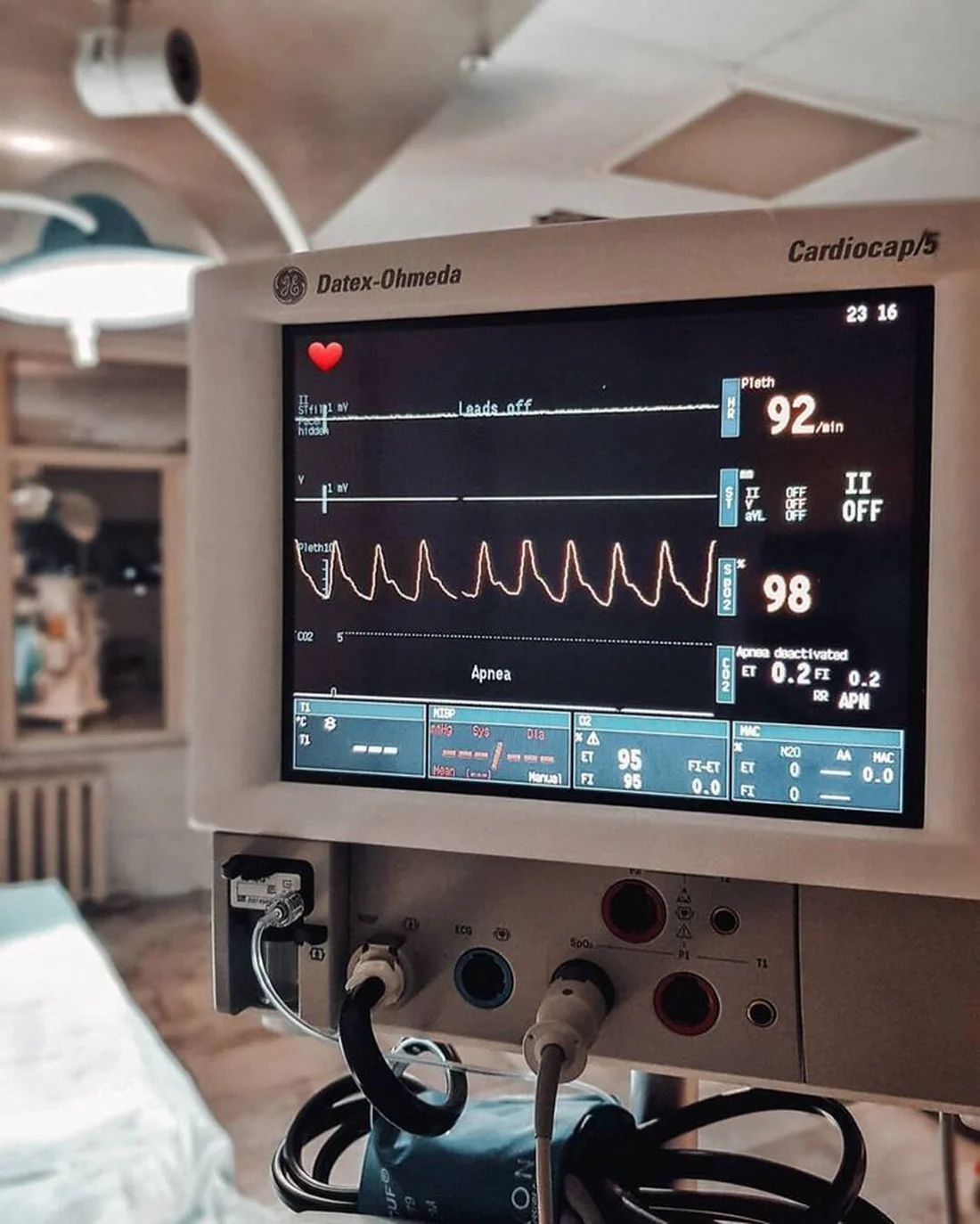
Continuous monitoring
Vital signs are monitored continuously during the procedure and through initial recovery.
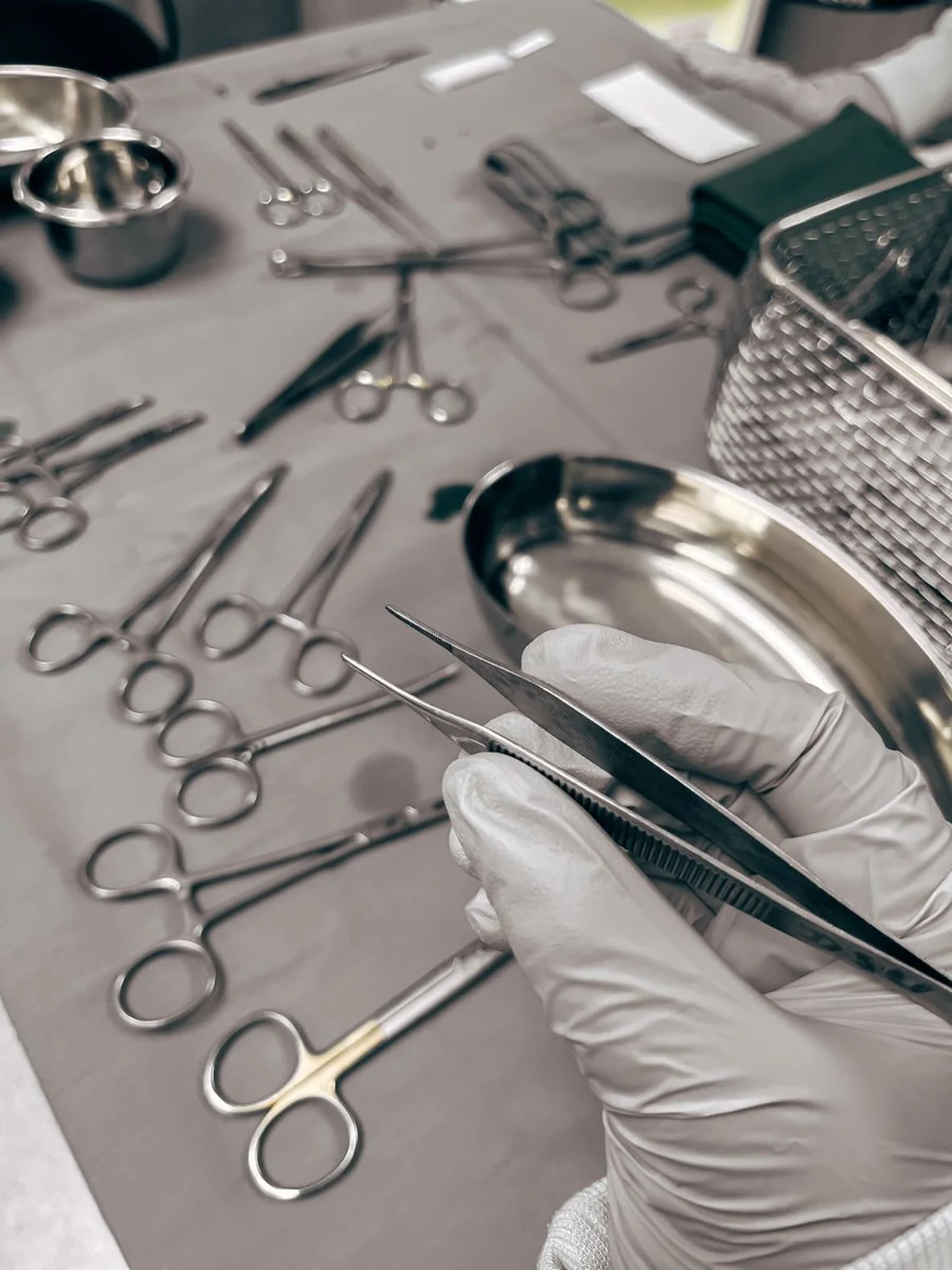
Sterile instrument protocol
Instruments and implants are handled under a documented sterile protocol.
The treatment process
Consult & measure
Assess forehead height, hairline, brow position, and temple fullness.
Choose the technique
Endoscopic lift, hairline advancement, or augmentation to match your goals.
Prepare for surgery
Fitness checks and preparation guidance.
Surgery day
Performed in a standard operating theatre by a specialist surgeon.
Aftercare
A swelling program, hairline wound care, and recovery guidance.
Follow-up
Suture removal and reviews as the brow and hairline settle.
Recovery timeline
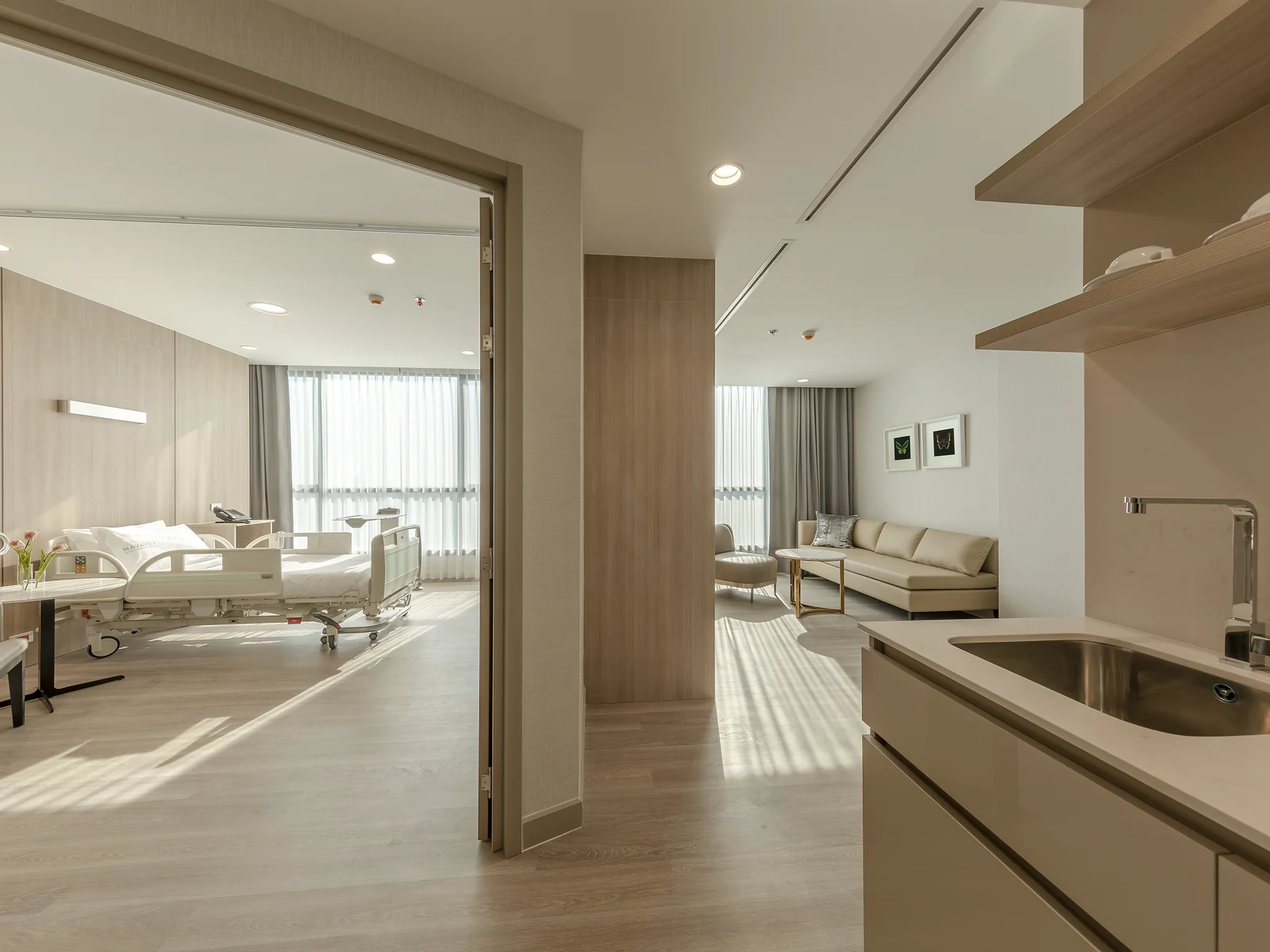
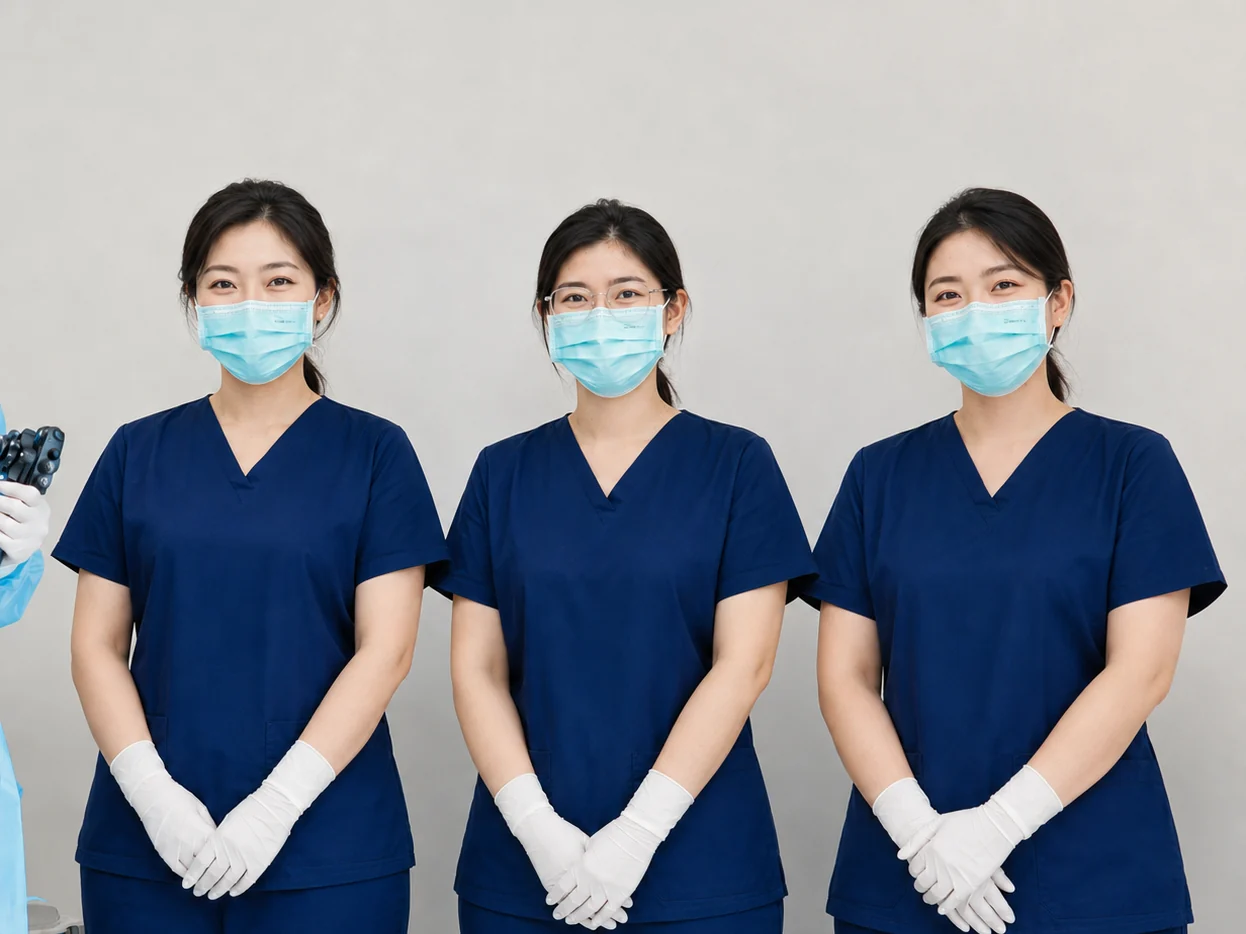
Your surgery at YOUNIFY
From the surgeon who operates to the nurses who follow up, and a private suite to recover in.
Frequently asked questions
Will forehead reduction leave a visible scar?
The incision is hidden along the hairline and becomes hard to notice once hair grows over it and it heals.
How is a brow lift different from threads?
A surgical brow lift corrects greater laxity and lasts longer; threads suit mild laxity.
What material is used for temple filling?
Either your own fat or an implant, depending on the volume needed and desired longevity.
Is it painful?
Tightness and swelling are expected at first and controlled with prescribed medication, improving within 1–2 weeks.
* This information is for general education. Results and treatment plans depend on an individual medical assessment.
Related procedures
Interested in forehead & brow surgery?
Book a consultation to assess the upper face and plan a personalized treatment with the YOUNIFY Clinic team.
Medically reviewed by Dr. Noppachai Siranart · Last reviewed
Surgery is performed by the clinic's two board-certified plastic surgeons at JCI- or AACI-accredited partner private hospitals in Bangkok.
Individual results may vary. Please consult a doctor before treatment.