In the News & Publications

Beyond painkillers: image-guided radiofrequency ablation for chronic back and neck pain
Dr. Noppachai Siranart's commentary in The Nation on needle-only, image-guided pain medicine — from diagnostic blocks to radiofrequency ablation and facet joint injection — targeting the nerves behind persistent spine pain without open surgery.

Stellate ganglion block emerges as a ‘reset’ for the overactive nervous system
Dr. Noppachai Siranart's commentary in The Nation on the stellate ganglion block (SGB): a minimally invasive injection that helps reset an overactive autonomic nervous system. SGB may help improve sleep quality.
Read about stellate ganglion block (SGB) at YOUNIFY Clinic, including the evidence and the cost per side.

Chronic back and neck pain that will not go away? Image-guided needle treatment, aimed at the source
NationTV reports on modern pain medicine using image-guided needles — from a diagnostic block that confirms which structure is actually generating the pain, through to radiofrequency ablation — with Dr. Noppachai Siranart of YOUNIFY Clinic explaining who it suits and how it differs from taking painkillers.

When heel pain won't quit: TAME offers a non-surgical option for chronic plantar fasciitis and tendon pain
Dr. Noppachai Siranart's commentary in The Nation on Transcatheter Arterial Micro-Embolization (TAME) — an image-guided procedure targeting the abnormal blood vessels behind persistent heel and tendon pain, for patients whose conservative treatment has not been enough.
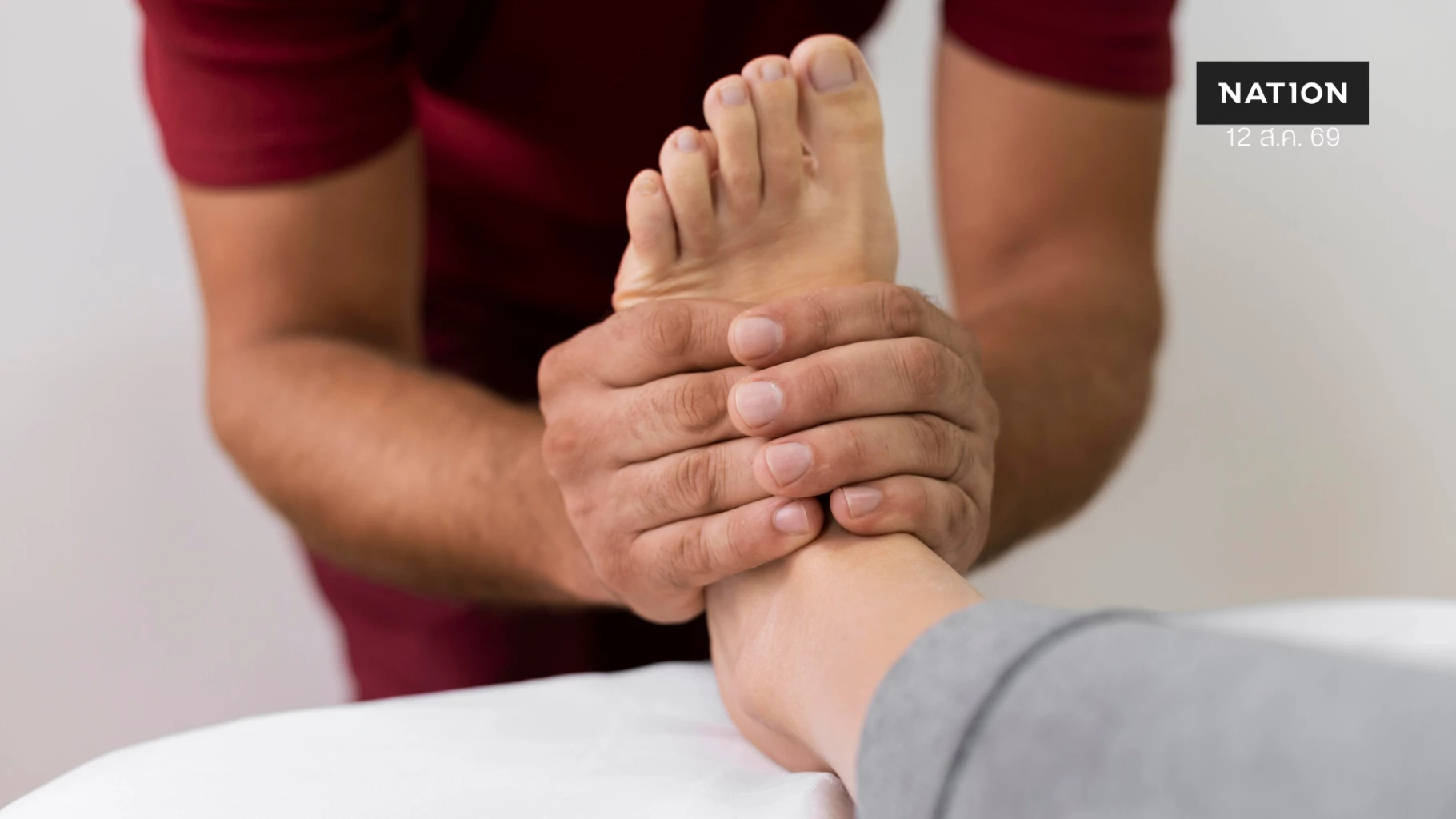
Chronic heel pain that will not go away? Meet TAME — embolising the abnormal blood vessels, without surgery
NationTV reports on TAME — a catheter-based procedure that blocks the abnormal blood vessels driving chronic heel and tendon pain at their source — with Dr. Noppachai Siranart of YOUNIFY Clinic explaining who it suits and how it differs from conventional care.

Endoscopic sleeve gastroplasty gains global focus after DDW 2026
Dr. Noppachai Siranart's commentary in The Nation on how endoscopic sleeve gastroplasty — which reduces weight without major surgery — fills the gap between medication and bariatric surgery.

GAE offers non-surgical relief for osteoarthritis knee pain
Dr. Noppachai Siranart's commentary in The Nation on Genicular Artery Embolization (GAE) — a minimally invasive procedure that blocks abnormal blood vessels to relieve chronic knee osteoarthritis without major surgery.

Younify Clinic Bangkok: Helping Expats Stay Active, Healthy and Independent for Longer
Expats in Bangkok features YOUNIFY Clinic — a Bangkok provider of minimally invasive treatments for weight management, knee pain, and chronic conditions, with personalized care for international patients.

A new option: SGB — an injection that resets the autonomic nerve ganglion to relieve insomnia and chronic stress
A new medical trend: Stellate Ganglion Block (SGB). This injection resets the autonomic nerve ganglion in the neck.
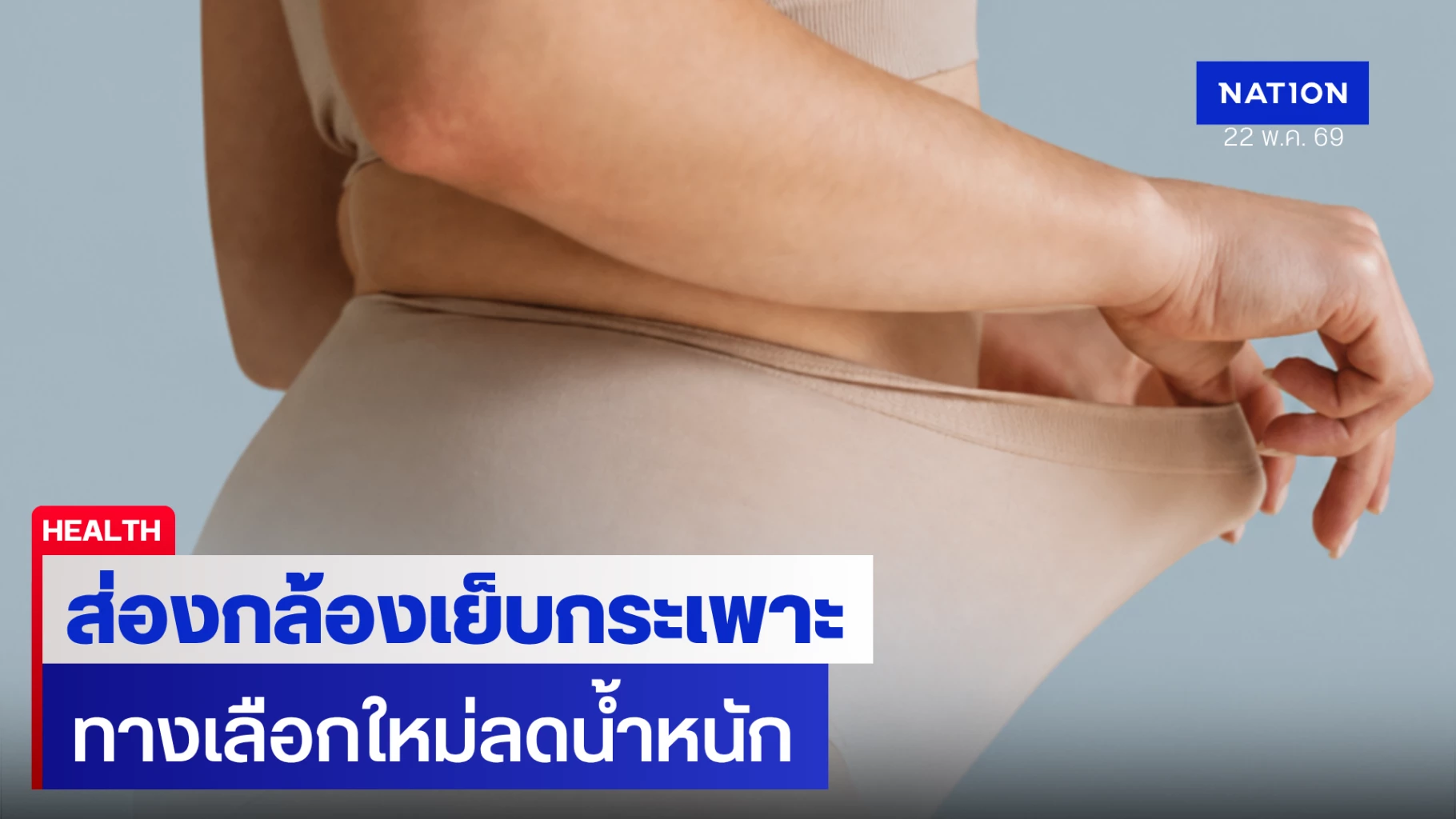
Doctors reveal a new trend: incision-free “endoscopic stomach tightening” — an answer for medication non-responders and yo-yo dieters
A new trend from the DDW 2026 world stage: Endoscopic Sleeve Gastroplasty (ESG), a modern option for obesity care that reduces weight — no major surgery required.

A new option for knee osteoarthritis: “GAE” breaks the pain cycle without surgery
An in-depth look at GAE (embolisation of abnormal blood vessels), a new specialist-led option for knee osteoarthritis: non-surgical, with fast recovery.

The end of major surgery? A new global obesity-care trend from the DDW 2026 stage
Dr. Noppachai Siranart introduces Endoscopic Sleeve Gastroplasty (ESG) — an incision-free weight-loss option with less pain and a fast recovery. Featured on the Nation Online page.
The “weight-loss injection pen” (GLP-1) debate — to inject or not?
A widely shared analysis of the weight-loss injection pen debate — worth reading before deciding whether GLP-1 medication is right for you. Featured on the Drama-addict page.
Our Health Articles

ESG in Bangkok: Endoscopic Sleeve Gastroplasty for Non-Surgical Weight Loss
ESG in Bangkok is non-surgical weight loss via endoscopic sleeve gastroplasty. Learn how it works, who qualifies, expected results and recovery at YOUNIFY Clinic.
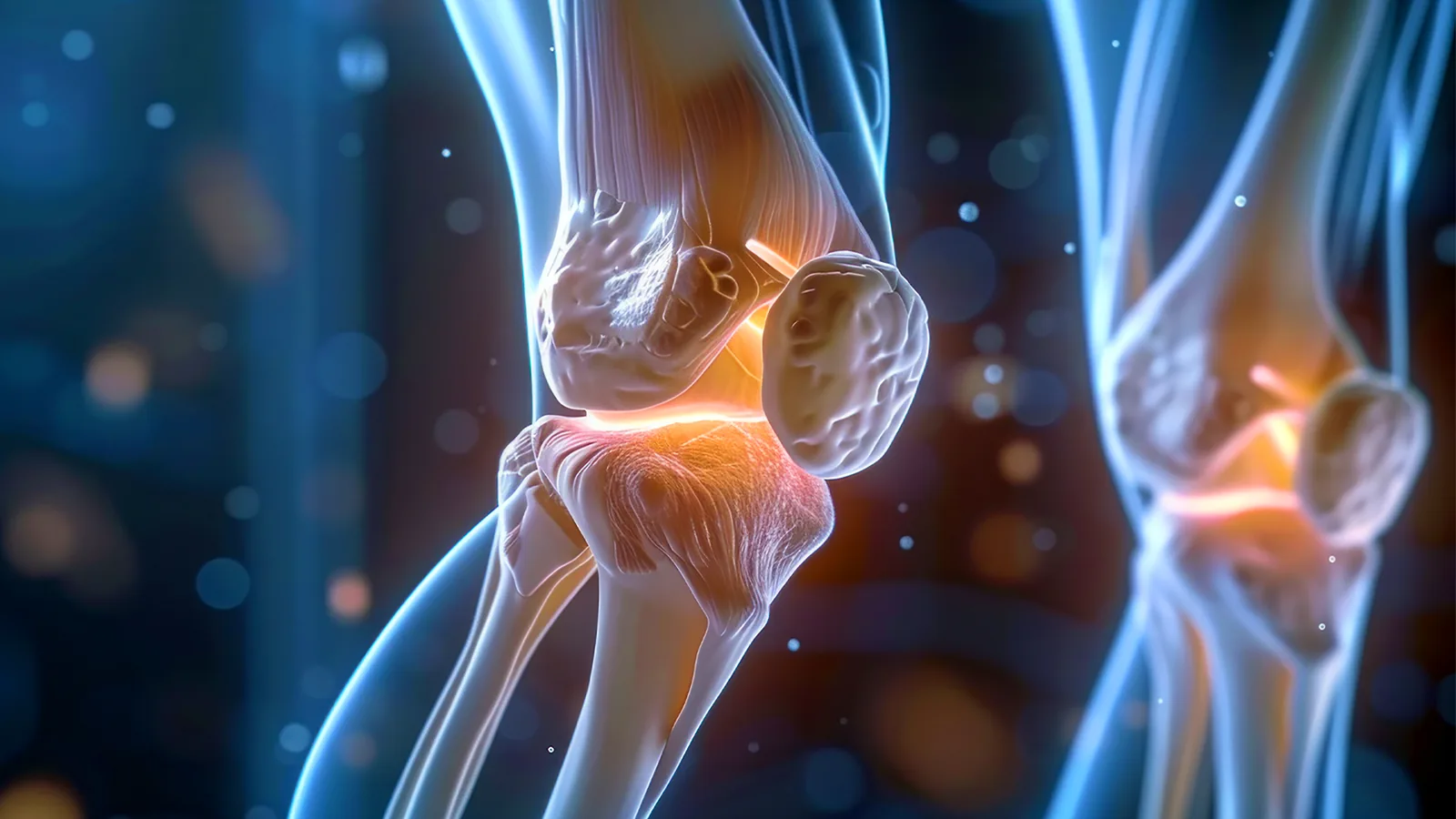
GAE Knee Treatment in Thailand: A Non-Surgical Option for Knee Osteoarthritis
GAE knee treatment (Genicular Artery Embolization) in Bangkok — a non-surgical option to ease knee osteoarthritis pain, same-day discharge for most patients. Consult our medical team.

Weight Regain After Sleeve: Revision Options
A patient-friendly summary of Dr. Noppachai Siranart's research on recurrent weight gain after sleeve gastrectomy and how endoscopic sleeve-in-sleeve compares with surgical revision.
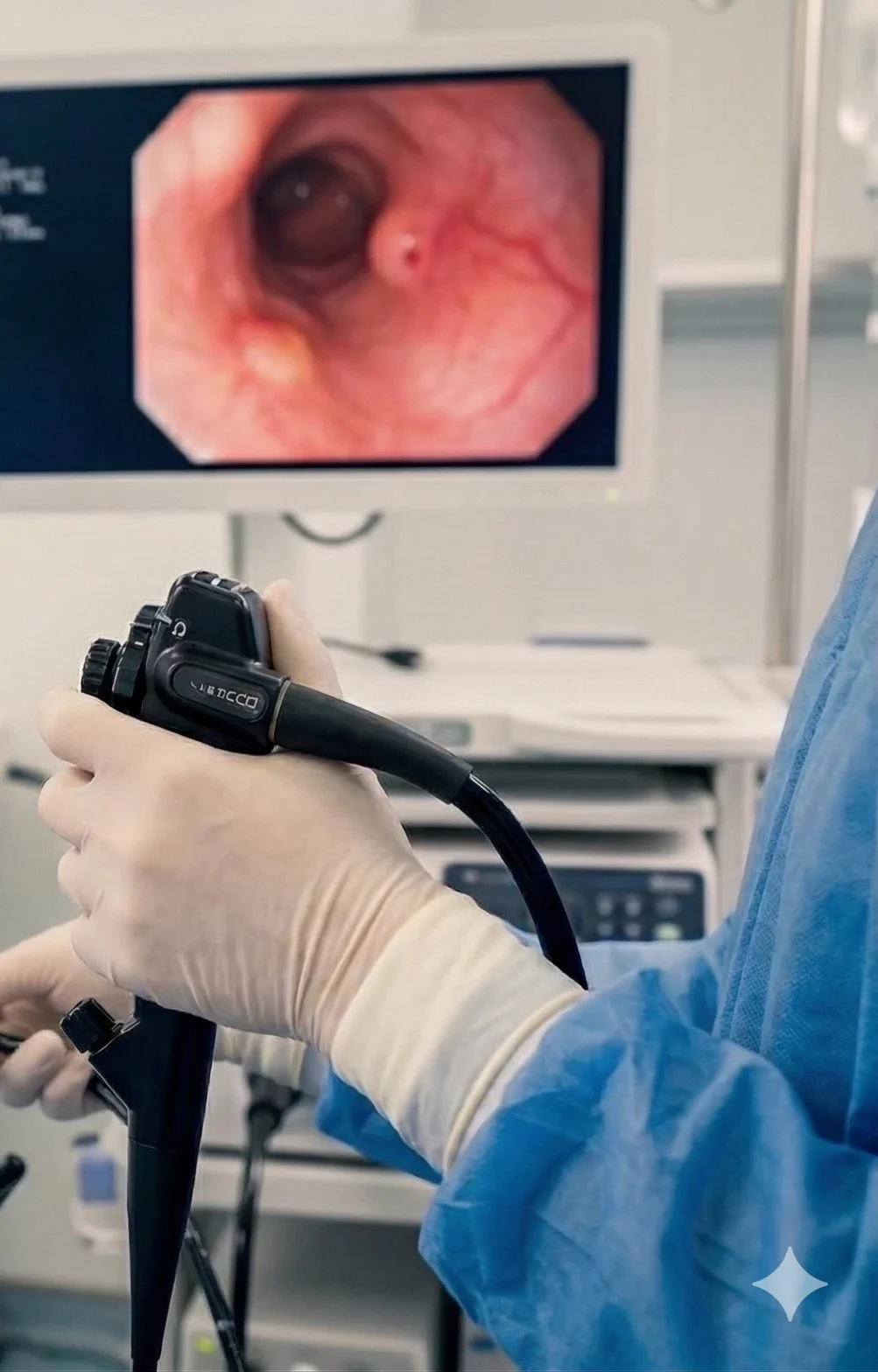
GLP-1 Before Endoscopy: Stop or Continue?
Should you stop a GLP-1 before an upper endoscopy? In Dr. Noppachai Siranart's study of 629 patients who stayed on the drug, continuing it showed no clear rise in aborted procedures, retained gastric food or aspiration. This article explains what the data found, and what it does not settle.
Knee Pain & Osteoarthritis

GAE Cost in Bangkok: What the Price Covers, and Whether It Is Worth It
What genicular artery embolization (GAE) costs in Bangkok covers, what makes the price differ between patients, and how it compares with the total cost of knee replacement.
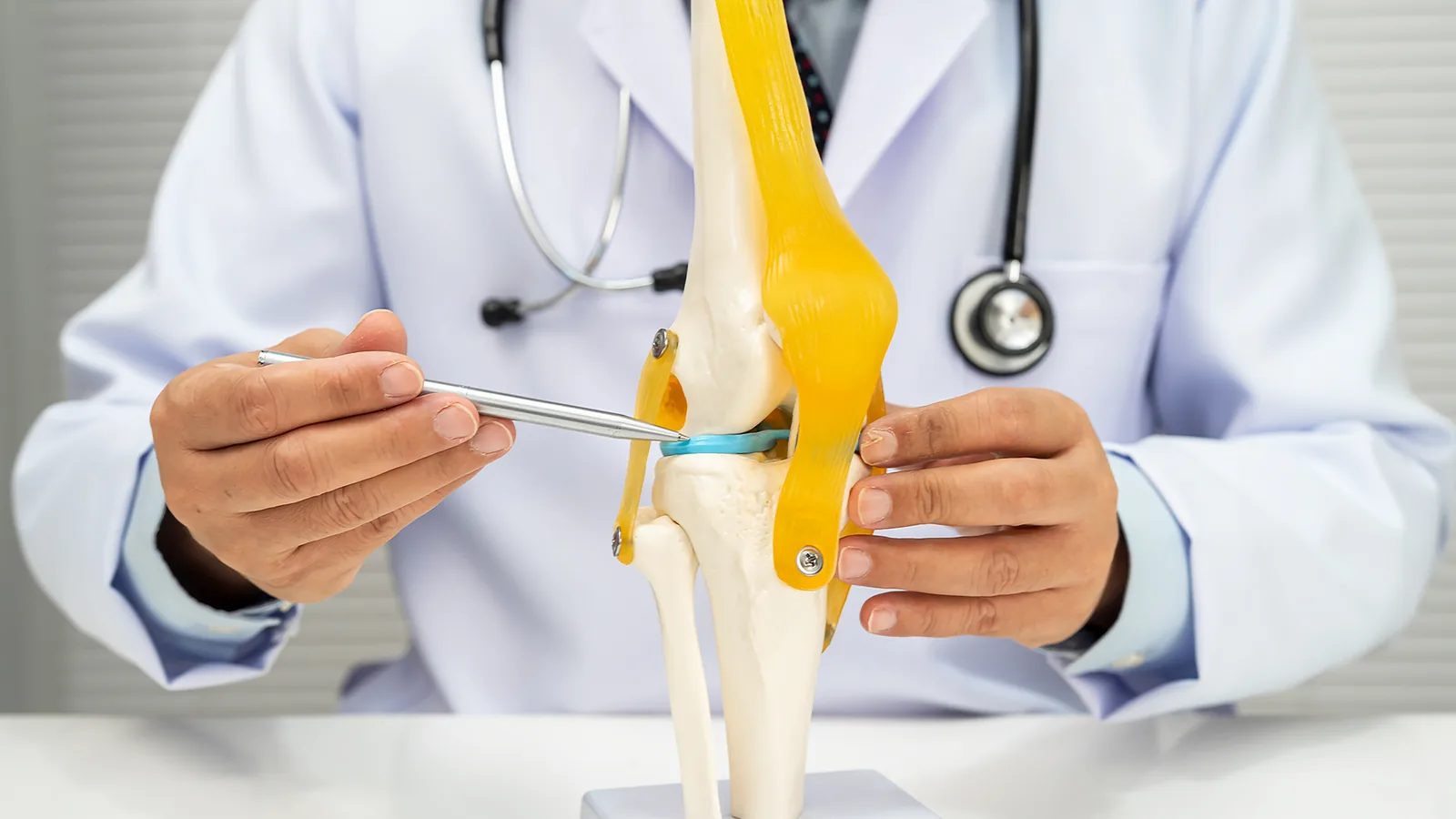
GAE vs Knee Replacement: What Each One Actually Does, and How to Choose
GAE vs knee replacement — they solve different problems. Compare incision, anaesthesia, recovery, how long results last, and where each fits on the knee osteoarthritis care ladder.
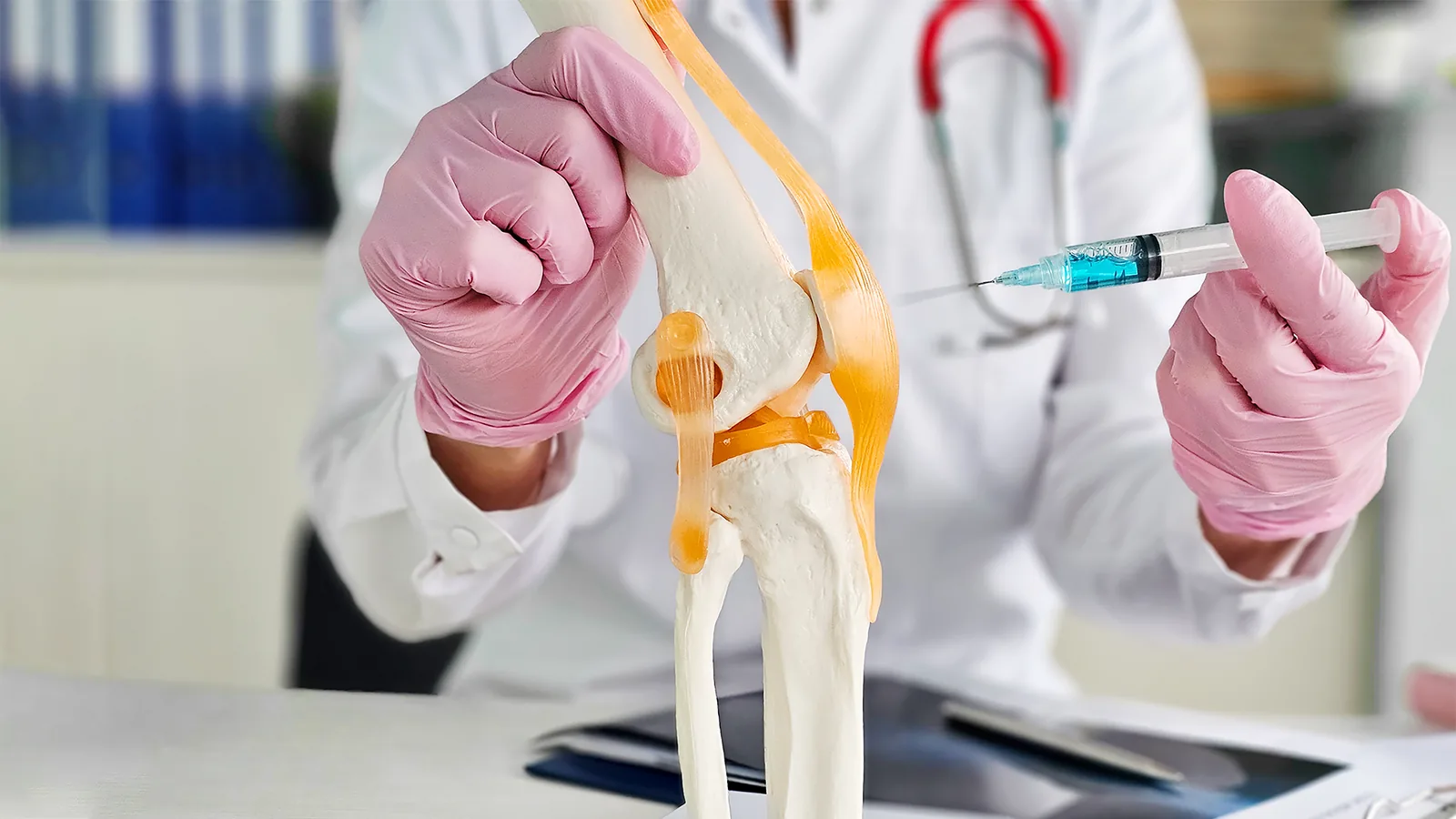
Hyaluronic Acid Knee Injections: Do They Work and How Long?
Do hyaluronic acid (viscosupplement) knee injections really work, and how long does the effect last? What the evidence and guidelines say, what to expect, and how GAE offers a non-surgical option for chronic knee pain.
Knee Osteoarthritis Treatment Without Surgery: Medication, Physical Therapy, Joint Injections, and GAE Compared
If you have knee osteoarthritis and would prefer to avoid surgery, the options form a series of steps: weight management and physical therapy, pain-relief medication, joint injections (a steroid or hyaluronic acid), cooled radiofrequency ablation of the nerves around the knee (Cooled RFA), and genicular artery embolization (GAE), a catheter-based procedure with no surgical incision. Each option suits a different kind of knee, and our physicians always assess you first. Results vary by individual.
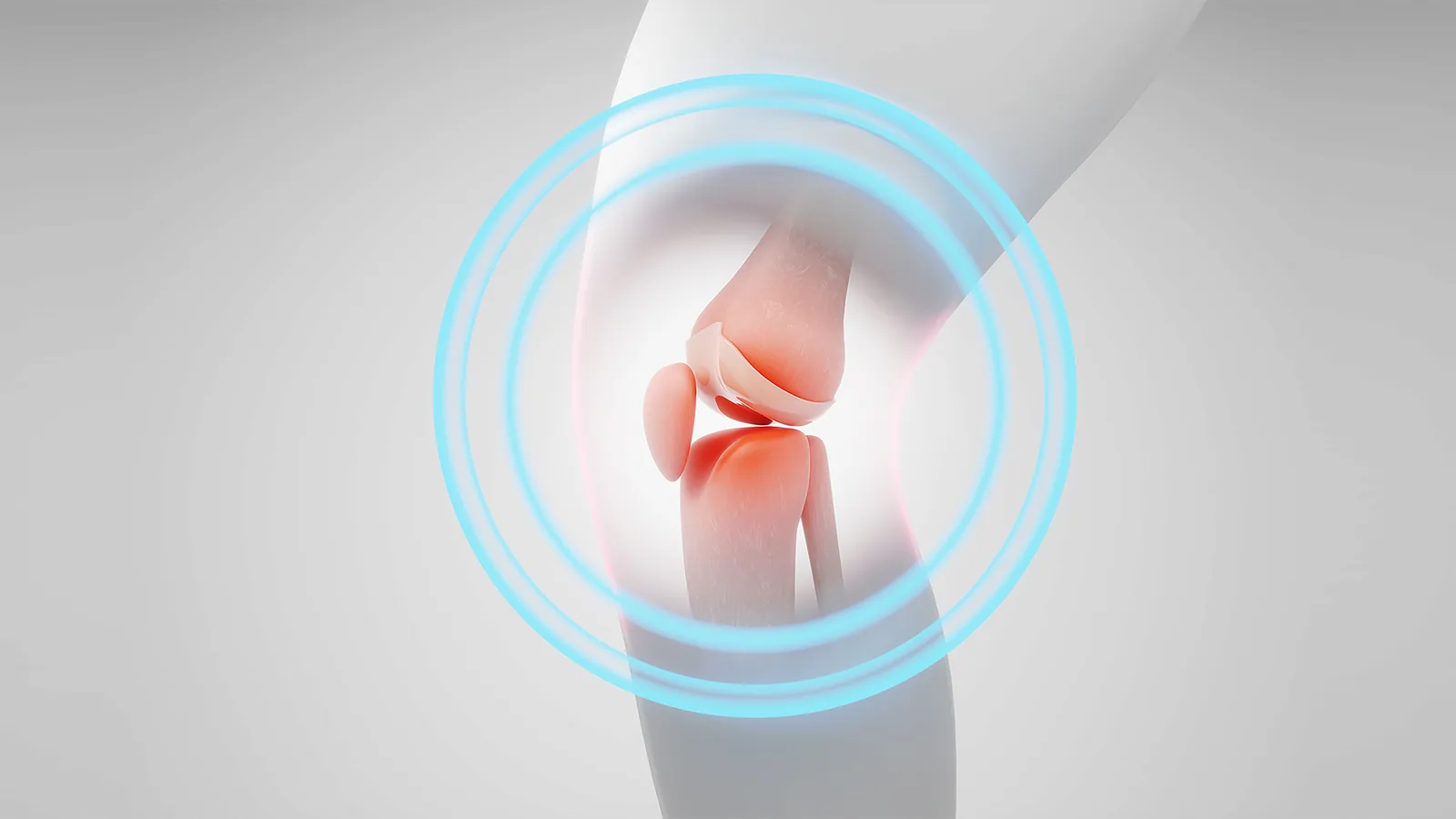
What Is GAE (Genicular Artery Embolization)? How It Works
A plain-language guide to genicular artery embolization (GAE): what it is, how blocking tiny abnormal knee vessels may ease chronic pain.

Am I a Candidate for GAE? Who It Suits and Who It Does not
Who is a good candidate for GAE, and who is not? An honest look at knee osteoarthritis, imaging, and health factors that guide the decision.
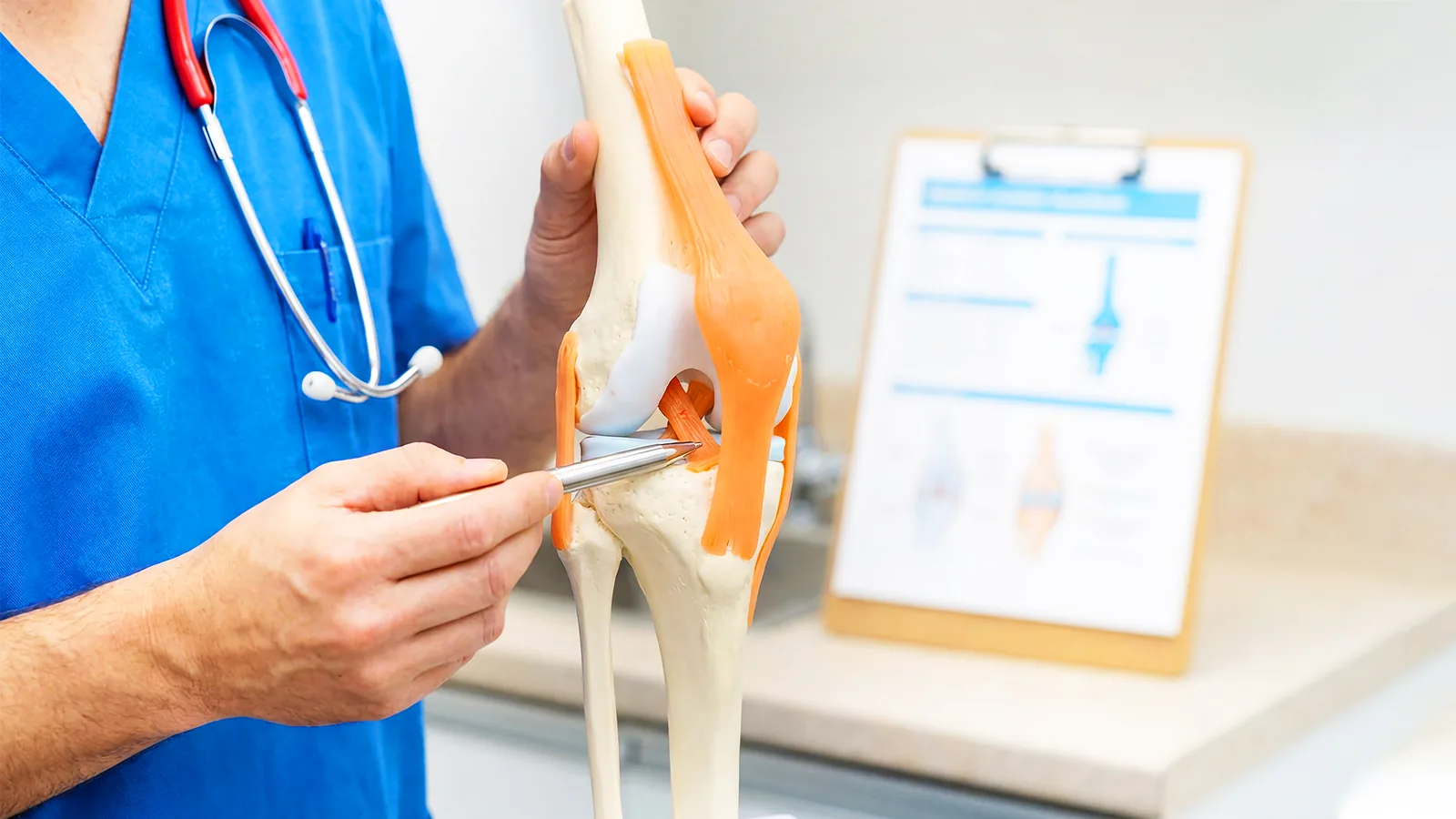
GAE Procedure: What to Expect Before, During, and After
A step-by-step guide to the GAE procedure: how to prepare, what happens on the day, and what to expect afterwards at YOUNIFY Clinic.
GAE Recovery Timeline: Week by Week
A week-by-week look at GAE recovery: what to expect from day one through the first months, and when pain relief tends to appear.
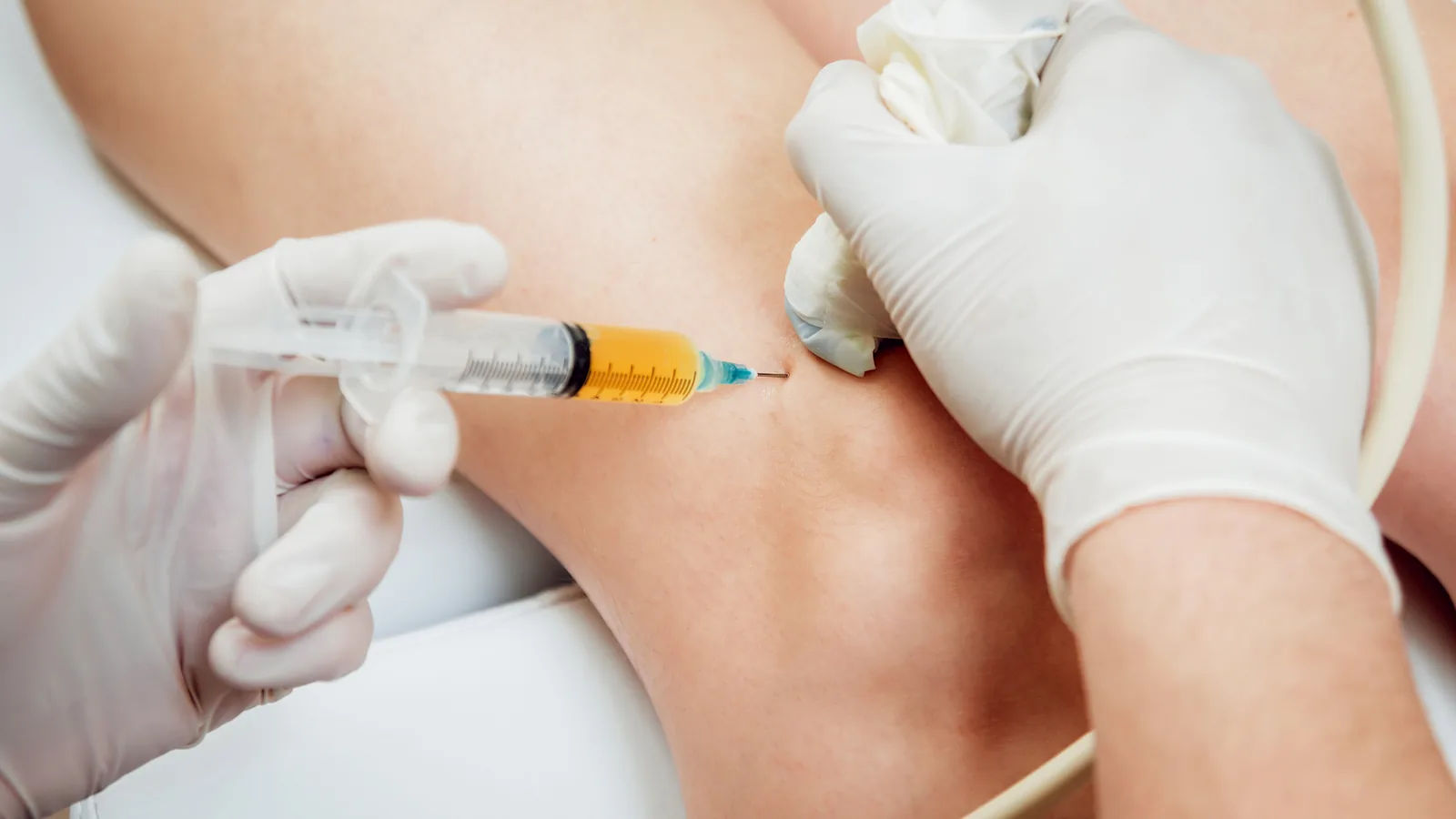
GAE vs Steroid and Hyaluronic Acid Injections: What is the Difference
How does GAE differ from steroid and hyaluronic acid knee injections? Compare how they work, how long they last, and who each suits.
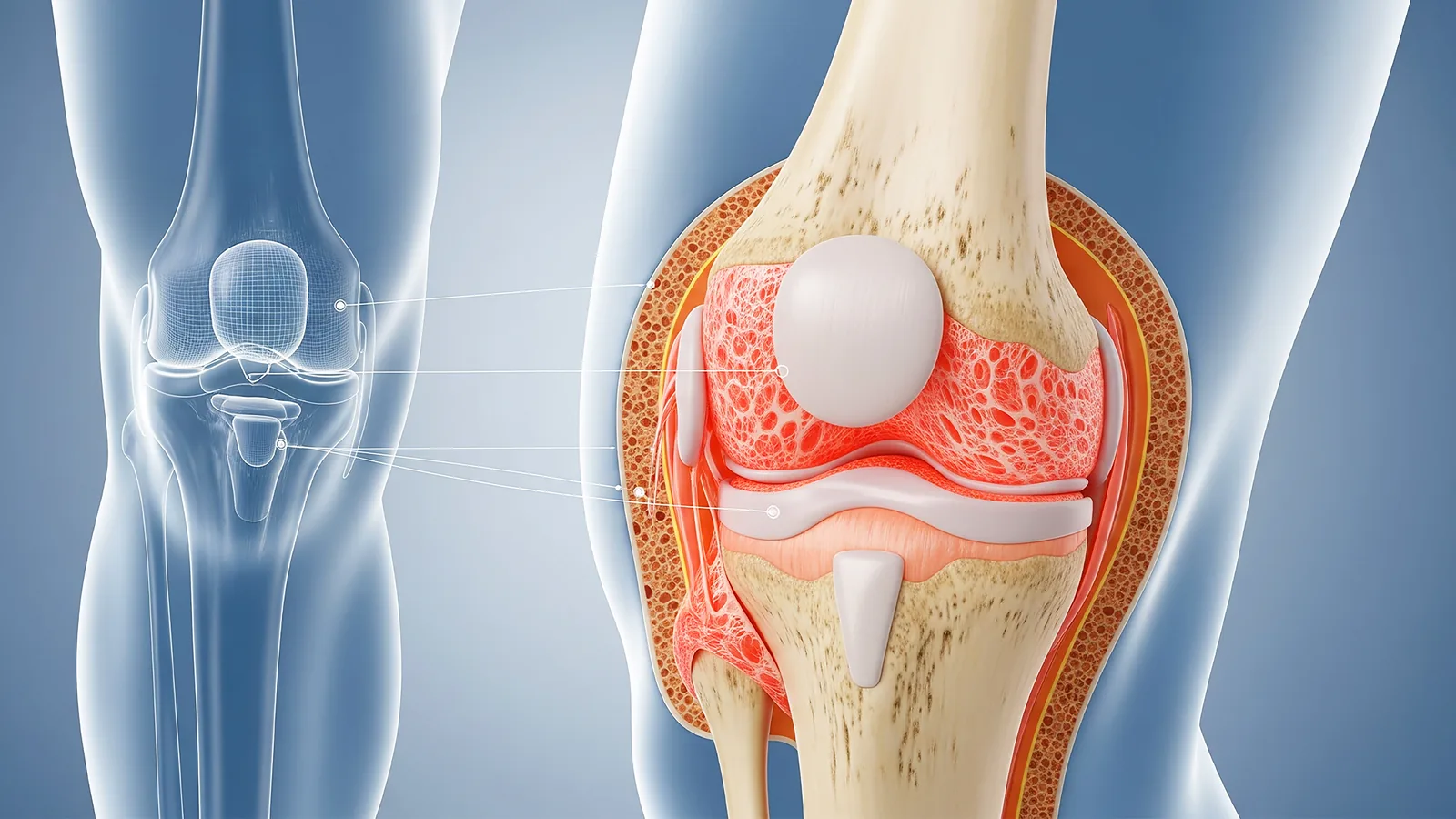
Does GAE Work? What the Evidence Shows and Its Limits
Does GAE work? An honest, plain-language look at what studies suggest about genicular artery embolization - and where the evidence is still limited.

GAE Risks, Side Effects, and Safety: An Honest Look
An honest look at GAE risks, side effects, and safety: what is common, what is rare, and the warning signs to watch for after the procedure.
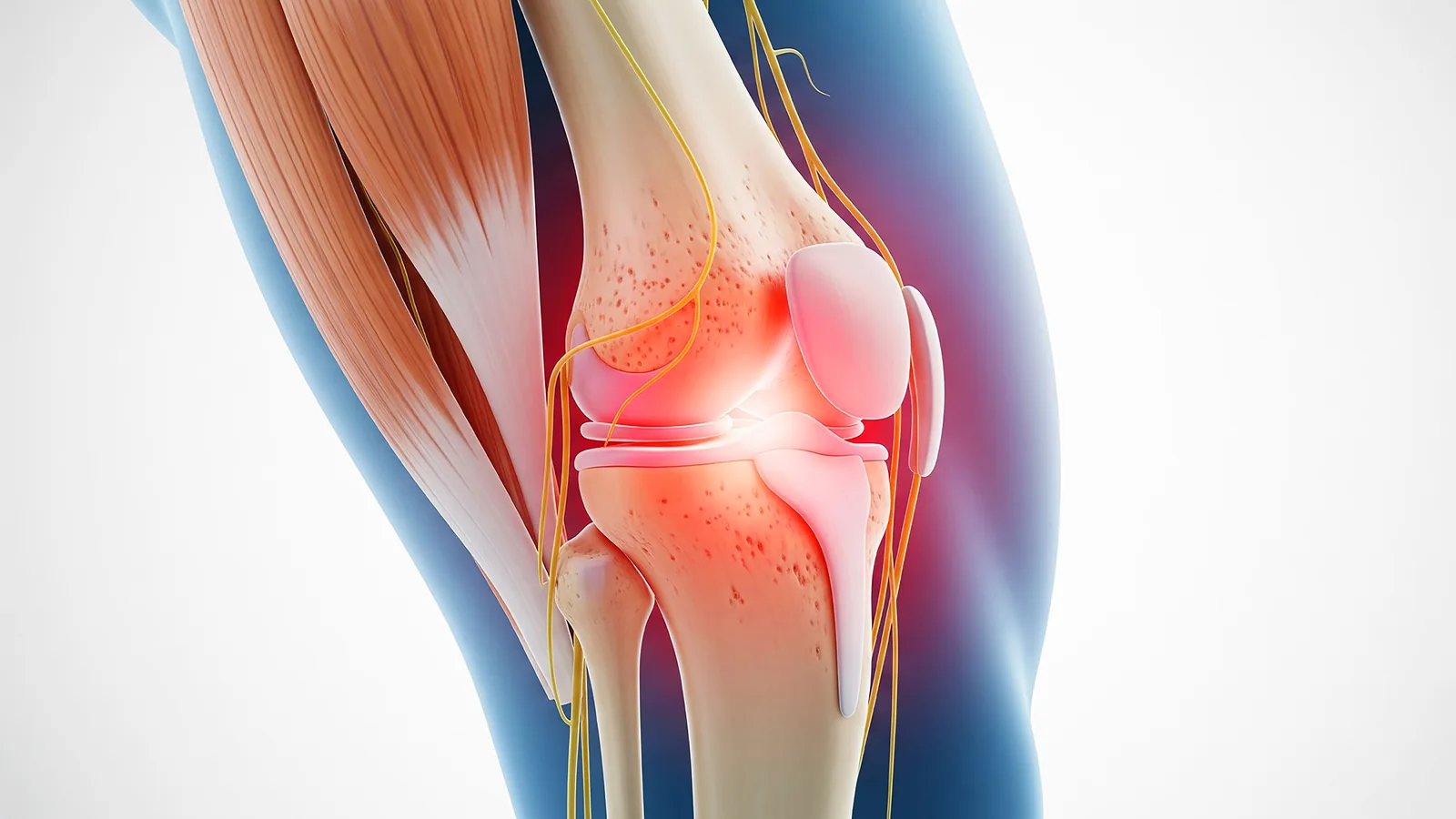
What Causes Knee Pain? Common Causes and How to Spot Osteoarthritis
The common causes of knee pain — from osteoarthritis, ligament and meniscus injury, tendinitis, and overuse to excess weight, inflammatory arthritis, and referred pain — plus how to tell if it is osteoarthritis, and care options from the basics to GAE for chronic pain.

Early Symptoms of Knee Osteoarthritis: 5 Signs Not to Ignore
The early symptoms of knee osteoarthritis — brief morning stiffness under 30 minutes, pain on stairs or after activity, mild swelling, grinding sounds, and reduced range of motion — plus why acting early helps, and the GAE option for chronic pain.
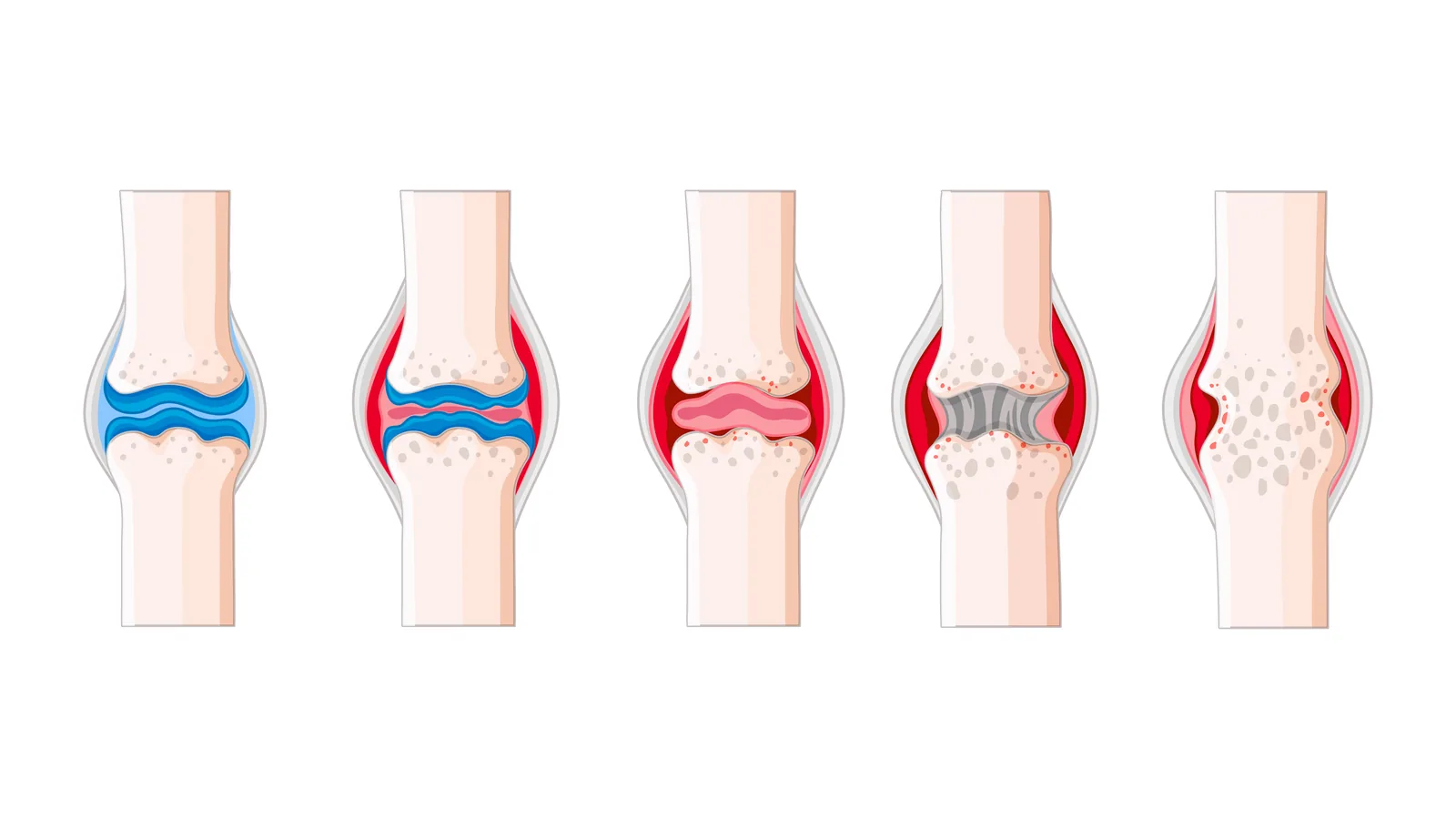
Stages of Knee Osteoarthritis: Grades 1–4 and Care at Each Stage
Understanding the stages of knee osteoarthritis by the Kellgren–Lawrence system, grades 1 to 4 — what each grade means, how to manage it, and why GAE suits the mid stages of chronic pain that has not responded to the basics but is not ready for a replacement.
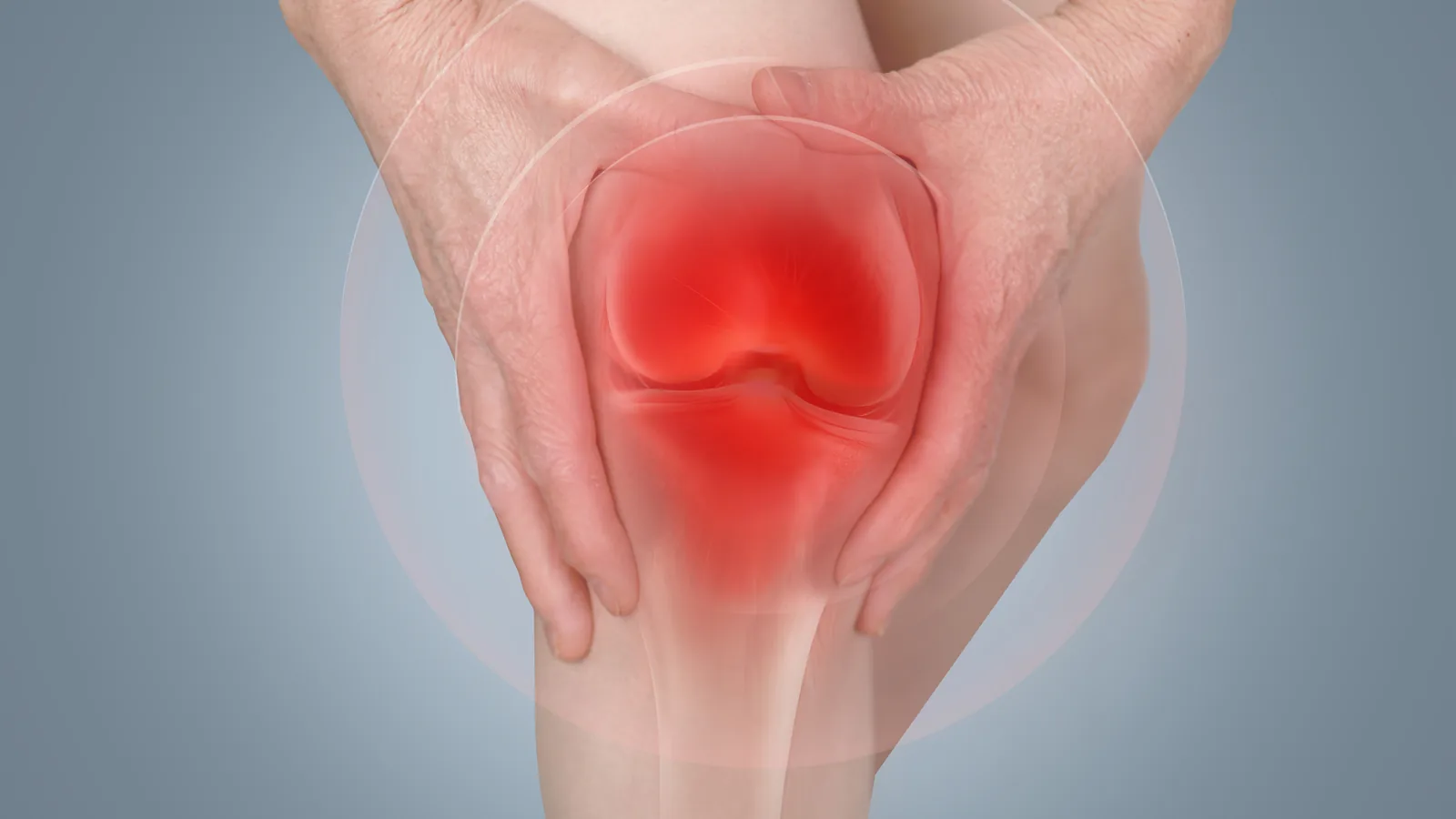
Knee Crepitus and Clicking: Is It Dangerous? When to Worry
Is a cracking or clicking knee normal or dangerous? Understand why painless knee sounds are usually harmless, but sounds with pain, swelling, or locking deserve caution — plus what it means in osteoarthritis, and the GAE option for chronic pain.

When to See a Doctor for Knee Pain: Red Flags and Timing
Knowing when knee pain needs a doctor — from red flags like severe swelling, deformity, fever, inability to bear weight, or a locked knee, to chronic pain lasting beyond 1–2 months that self-care hasn't helped — plus what an assessment gives you and the GAE option.
Does Glucosamine Work for Knees? What the Evidence Says
Do glucosamine and chondroitin supplements really help knee osteoarthritis? What the evidence shows, whether they are safe to try, why they are not a substitute for weight loss and exercise, and how GAE offers a non-surgical option for chronic knee pain.
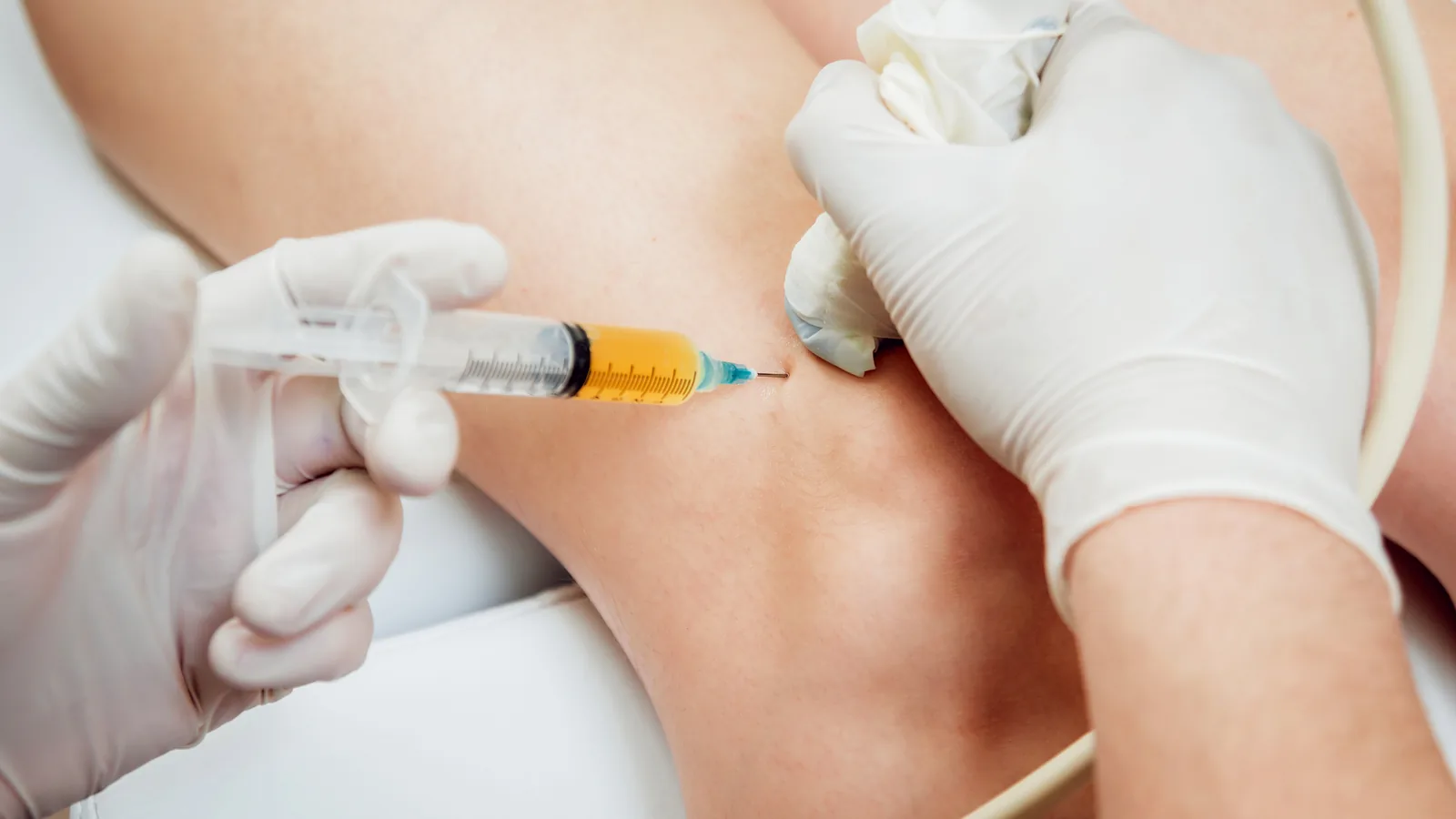
Do PRP and Stem Cell Injections Help Knee Osteoarthritis?
The truth about PRP, stem cell, and growth factor injections for knee osteoarthritis — why the evidence is unclear and inconsistent, why they are not standard care, and why they are often costly and out-of-pocket. Plus better-evidenced options and non-surgical GAE.
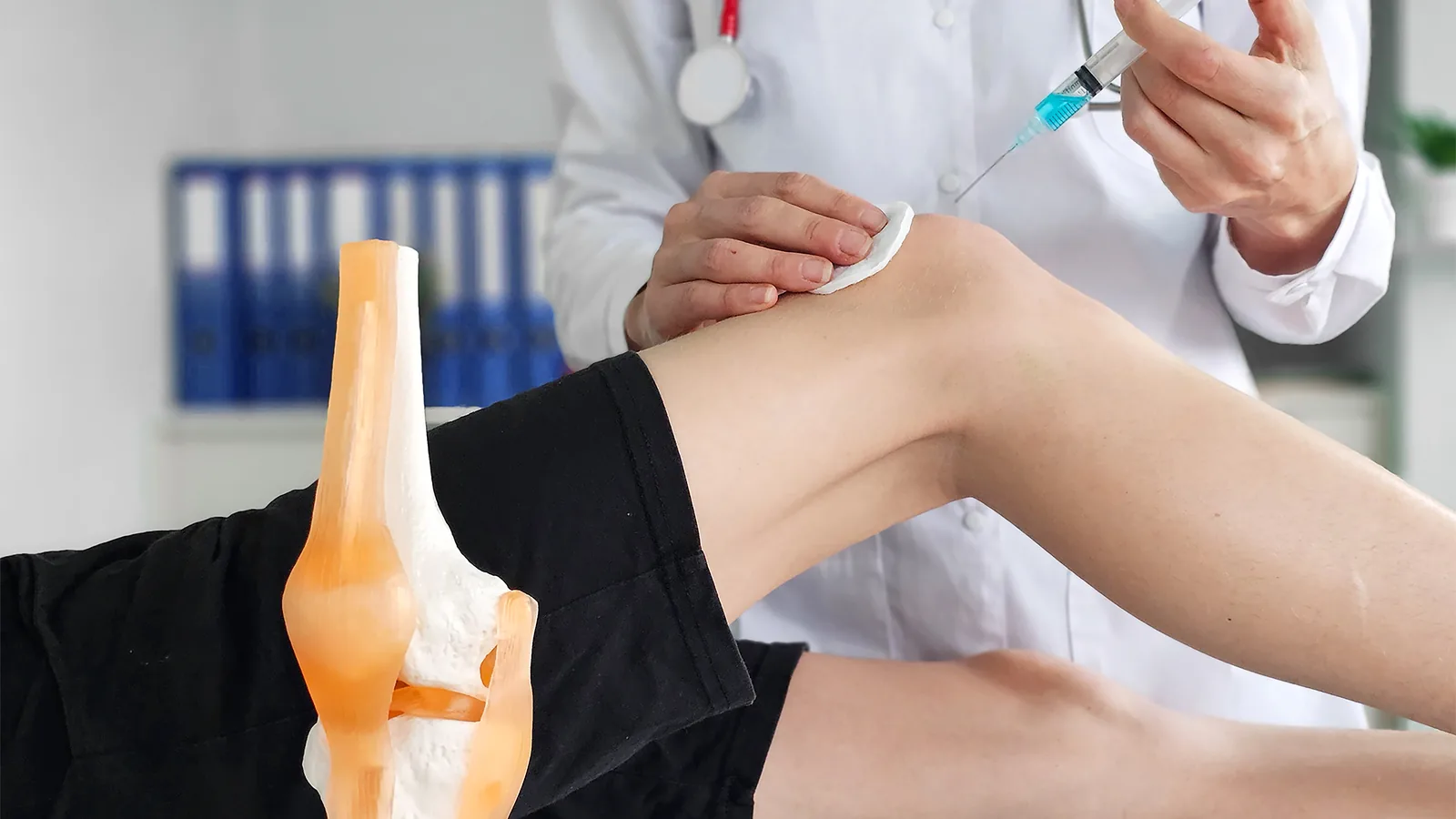
Are Steroid Knee Injections Safe? How Often Is Too Often?
Are cortisone/steroid knee injections safe, how much do they help, and how often can you have them? What to know about short-term relief, frequency limits, and concerns about cartilage with repeated use — plus GAE as a non-surgical option for chronic knee pain.
Which Painkillers Are Safe for Knee Osteoarthritis?
Which painkillers are safest for knee osteoarthritis? Why topical NSAIDs are first-line, how to use oral NSAIDs safely for your kidneys, stomach, and heart, how much paracetamol helps, and why to avoid long-term opioids — plus GAE as a non-surgical option.

The Best and Worst Exercises for Knee Osteoarthritis
The best exercises for knee osteoarthritis — quadriceps and hip strengthening, cycling, swimming, walking, and tai chi — plus the moves to avoid or modify, and guidance for people with chronic pain who may consider GAE, a non-surgical knee artery embolization.

Can I Walk, Run, and Climb Stairs with Knee Osteoarthritis?
Can you still walk, run, and climb stairs with knee osteoarthritis? Walking is beneficial, running is case-by-case, and stairs have smart strategies — plus GAE, a non-surgical knee artery embolization for people with chronic pain.

Heat or Ice for Knee Pain: Which Should You Use?
Should you use heat or ice for knee pain? Ice suits acute pain, swelling, and after activity, while heat suits stiffness and warming up before activity — plus how to apply both safely, and GAE for chronic pain.

Does Losing Weight Really Reduce Knee Pain?
The truth about weight and knee pain: every step loads the knee with about 3 to 4 times your body weight, so losing 1 kg cuts roughly 4 kg of knee load per step, and even a 5 to 10 percent loss meaningfully eases pain — plus the clinic's weight program and GAE.

Foods and Supplements for Knee Joints: What Actually Helps
The truth about foods and supplements for knee joints: an anti-inflammatory Mediterranean diet, omega-3, vitamin D, and a healthy weight genuinely help, while popular supplements have limited evidence — plus GAE for chronic knee pain.

When Do I Need Knee Surgery? Signs and Options Before a Replacement
Understand when knee osteoarthritis truly calls for a knee replacement, the signs and stages that count as real indications, why surgery is not the first choice, and how GAE (genicular artery embolization) may delay or avoid surgery in suitable patients.

How Long Does a Knee Replacement Last? Recovery and Options Before Surgery
How long an artificial knee lasts, how many weeks to months recovery takes, why revision surgery is harder than the first operation, and why delaying surgery with non-surgical options like GAE makes sense — especially for younger patients.

Can Knee Osteoarthritis Be Cured? The Truth and How to Manage It
An honest answer to whether knee osteoarthritis can be cured or cartilage regrown, the truth about PRP and stem cells, how to control pain and restore function, and how GAE offers a non-surgical option focused on easing pain.
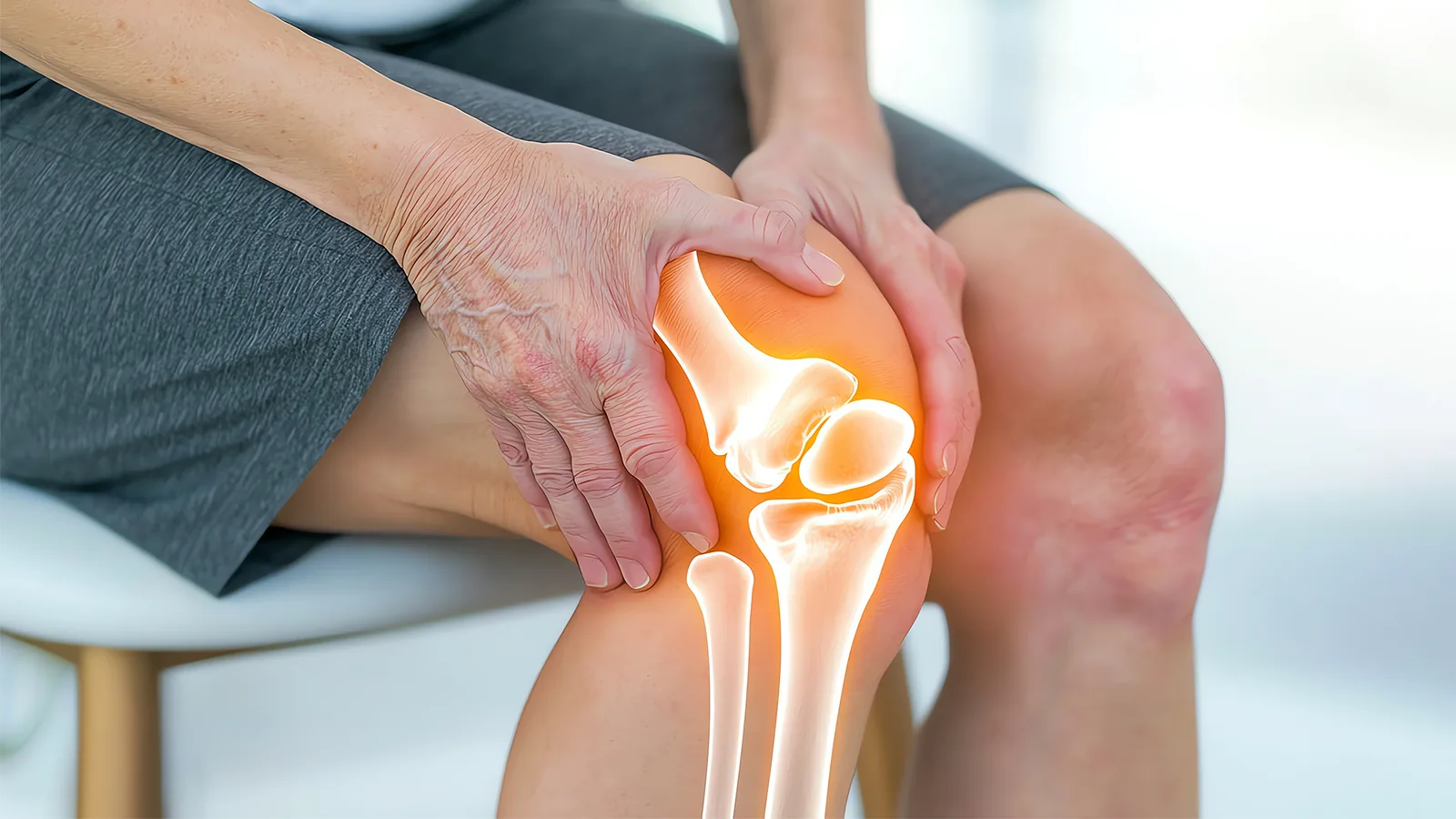
What Happens If Knee Osteoarthritis Is Left Untreated?
What happens if knee osteoarthritis is left untreated — from worsening pain and stiffness to muscle weakening, difficulty walking, and eventual deformity — why acting early helps, and how GAE offers a non-surgical option.

Knee Pain Treatment: Non-Surgical Options
A detailed guide to knee pain: common causes, warning signs, physical therapy, injections, and GAE as a non-surgical option for selected patients.

Knee Pain Walking: Causes and Warning Signs
Knee pain that appears when you walk, take stairs or stay active longer usually points to one of four things: osteoarthritis, a meniscus problem, muscle imbalance around the joint, or simple overuse. This article explains how to tell them apart, which signs need a doctor, and what to try first.

Inner Knee Pain: Causes and Treatment
Inner knee pain may involve medial compartment osteoarthritis, medial meniscus injury, MCL irritation, or tendons and bursae around the knee.
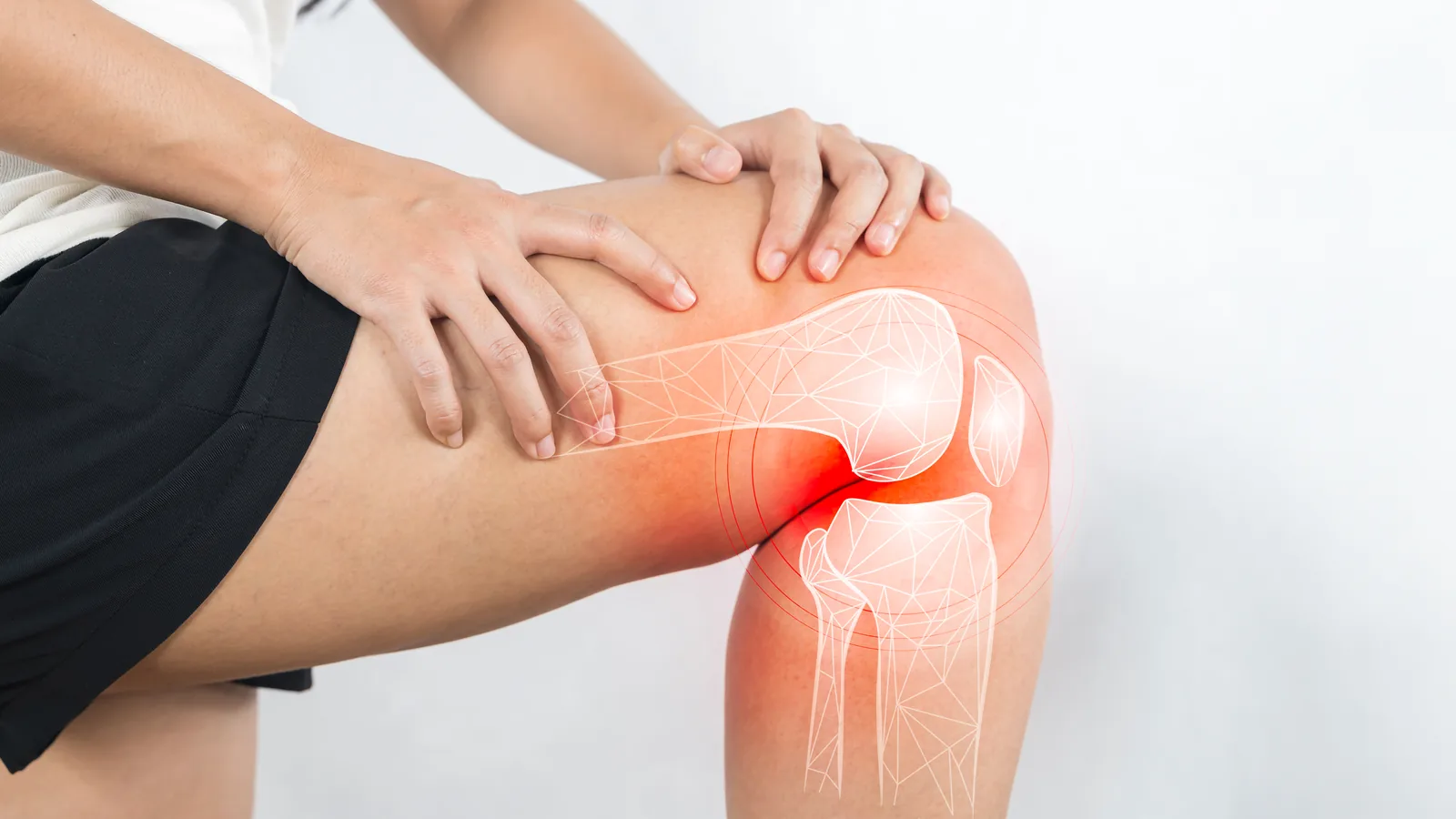
Knee Osteoarthritis: Symptoms, Stages, and Options Before Surgery
Knee osteoarthritis is the gradual breakdown of cartilage and the structures around it, producing pain, stiffness, swelling and a shrinking range of motion. Treatment depends on the stage and on what you want back: this guide covers staging, non-surgical care, injections, GAE and when surgery is genuinely indicated.
Pain Medicine
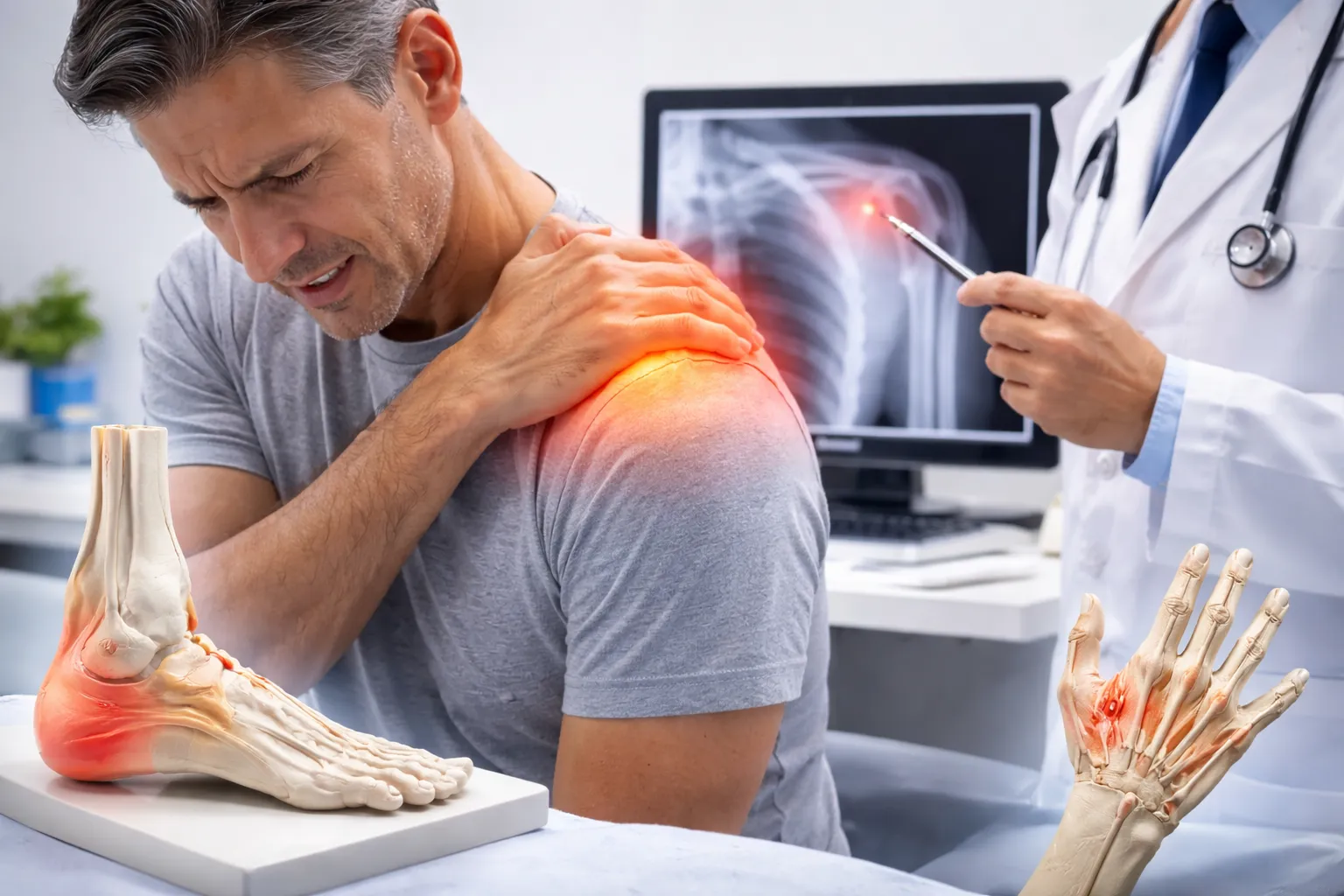
My knee replacement still hurts: what could be causing it, and what can be done?
Most people do well after a knee replacement, but some are left with pain that lingers for a year or more. Implant problems, infection, and pain from elsewhere must be ruled out first. After that, YOUNIFY Clinic, a Healthy Aging & Wellness Center based in Bangkok, Thailand, may discuss nerve treatment or genicular artery embolization for selected patients at its Silom clinic.
Facet joint pain: diagnostic medial branch block and Cooled RFA
Facet joint pain comes from the small joints at the back of the spine. A diagnostic medial branch block tests whether these joints are the source by numbing the nerves that carry their pain. At YOUNIFY Clinic, a Healthy Aging & Wellness Center in Silom, Bangkok, people with a clear, temporary response may then be offered Cooled RFA.

Cooled RFA and Epidural Steroid Injection (ESI) Cost in Bangkok: What the Price Covers
Neck and back pain procedures are priced by what each one involves. At YOUNIFY Clinic, a Healthy Aging & Wellness Center based in Bangkok, Thailand, on Silom Road, a diagnostic medial branch block starts from THB 22,000, an epidural steroid injection from THB 129,000, and Cooled RFA from THB 280,000, typically confirmed in a written quotation.
Can Cooled RFA ease chronic neck pain from the facet joints?
Cooled radiofrequency ablation (Cooled RFA) is designed to interrupt the small medial branch nerves that carry pain from the facet joints of the neck. At YOUNIFY Clinic, a Healthy Aging & Wellness Center based in Silom, Bangkok, Thailand, it follows a diagnostic block that confirms the source. Relief is temporary because nerves regrow, and its length varies.
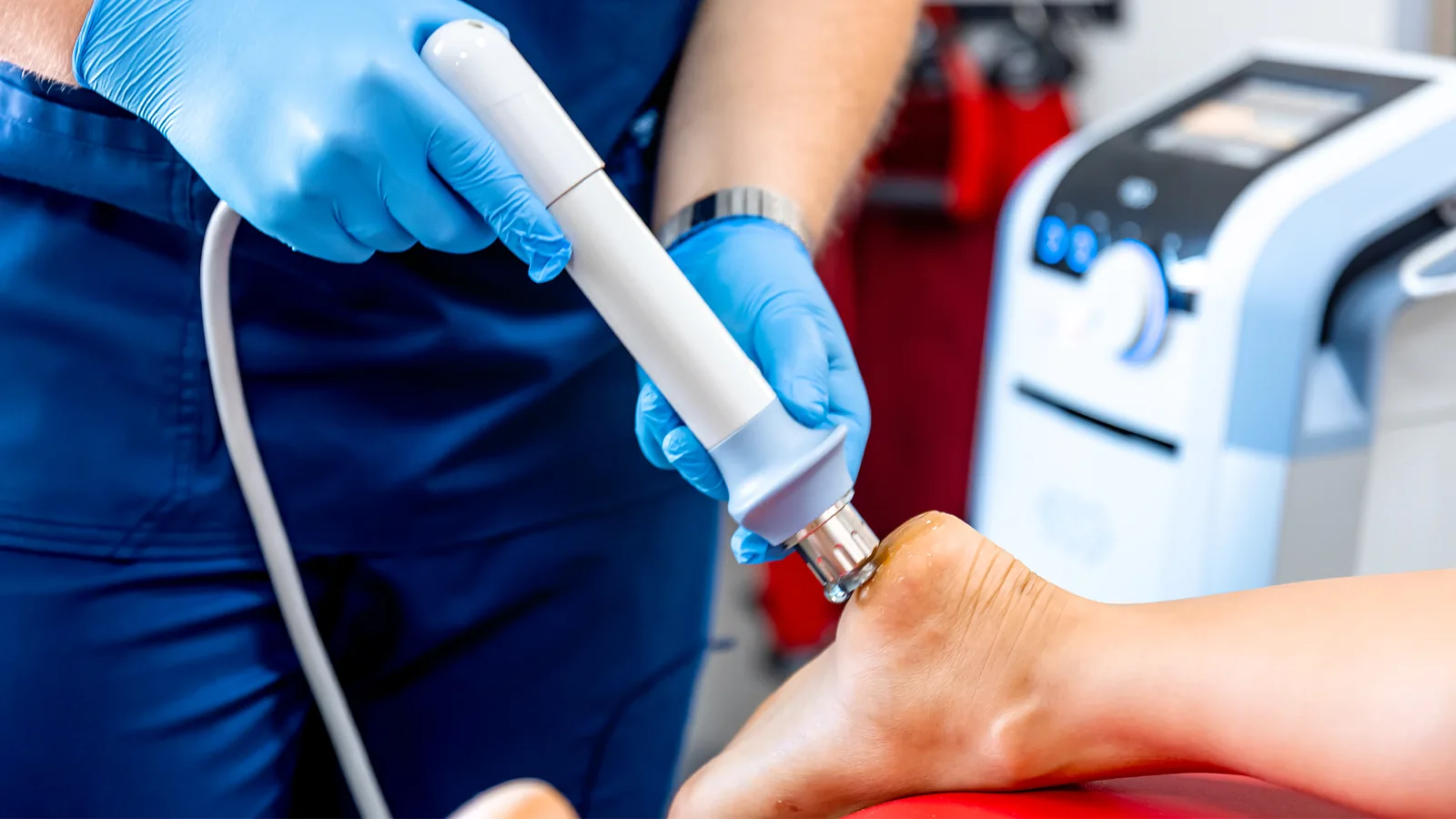
Shockwave vs TAME for Plantar Fasciitis: How Do They Differ, and Who Does Each Suit?
Shockwave (ESWT) vs TAME for plantar fasciitis: how each works, sessions, recovery and how the evidence differs — compared by YOUNIFY's medical team in Bangkok.
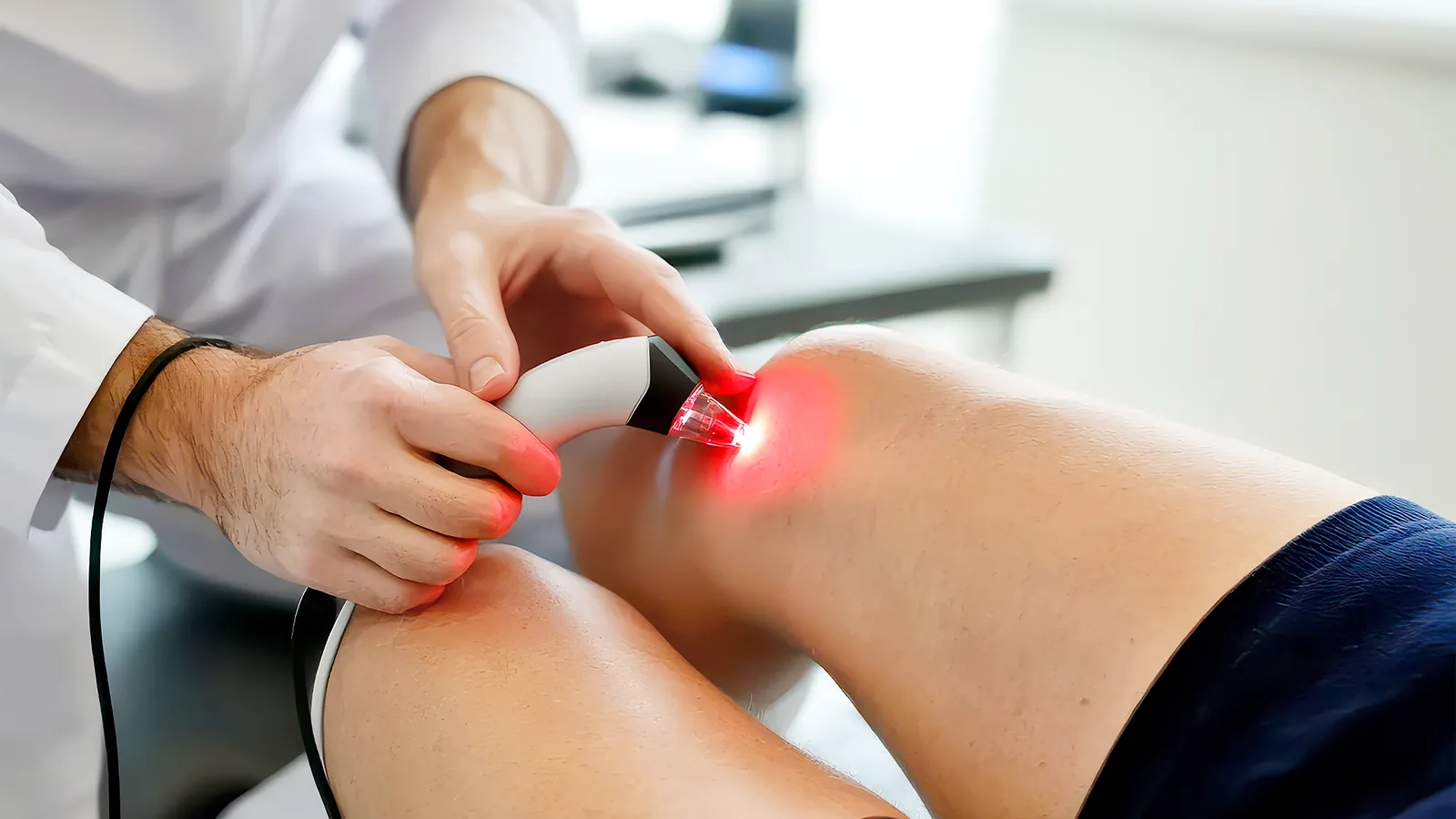
What Is Interventional Pain Management? Image-Guided Options Explained
A calm, plain-language guide to interventional pain management: image-guided, needle-only options that aim to relieve pain and improve daily function.

Chronic Neck and Back Pain: When to Consider Interventional Options
Chronic neck or back pain that will not settle? Learn when to consider interventional, image-guided options and what to expect from a pain assessment.
Epidural Steroid Injections for Neck and Back Pain: What to Expect
Considering an epidural steroid injection for neck or back pain? Here is what it is, how it is done, and what to expect before, during and after.

Trigger Point Injections for Muscle Pain: How They Work
Trigger point injections target painful muscle knots to relieve tension and improve movement. Learn how they work and what to expect.

Stellate Ganglion Block (SGB): For Pain, Sleep, and Stress
What is a stellate ganglion block (SGB)? A calm guide to this image-guided nerve block, how it works, and its role in pain, sleep and stress.

TAME (Trans-Arterial Micro-Embolization) for Chronic Joint and Tendon Pain
TAME (trans-arterial micro-embolization) is a minimally invasive, image-guided option for some chronic joint and tendon pain. Learn how it works.
Are Interventional Pain Procedures Safe? Risks, Recovery, and Results
A balanced look at the safety, recovery and results of interventional pain procedures - what the risks are and how our medical team manages them.
Frozen Shoulder (Adhesive Capsulitis): Stages, Symptoms, and Recovery
What frozen shoulder is, its three stages, common symptoms, and how recovery usually unfolds over months. Physician-led guidance from YOUNIFY.

Frozen Shoulder vs Rotator Cuff Tear: How to Tell Them Apart
Frozen shoulder or rotator cuff tear? Learn the key differences in stiffness, weakness, and pain patterns, and when to get assessed.

Frozen Shoulder Treatment: Physiotherapy, Injections, and Escalation
Frozen shoulder treatment explained step by step - physiotherapy, injections, and image-guided options, and when care escalates.

Best Exercises for Frozen Shoulder (and What to Avoid)
Gentle frozen shoulder exercises to help restore movement, plus the movements to avoid. Physician-led guidance from YOUNIFY.

Chronic Shoulder Pain: Common Causes and Red Flags
Common causes of chronic shoulder pain and the red-flag symptoms that need prompt medical attention. Physician-led guidance from YOUNIFY.
Stubborn Shoulder Pain: Image-Guided Options (Including TAME)
Image-guided, needle-only options for stubborn shoulder pain, including TAME explained honestly as an emerging option. Physician-led at YOUNIFY.
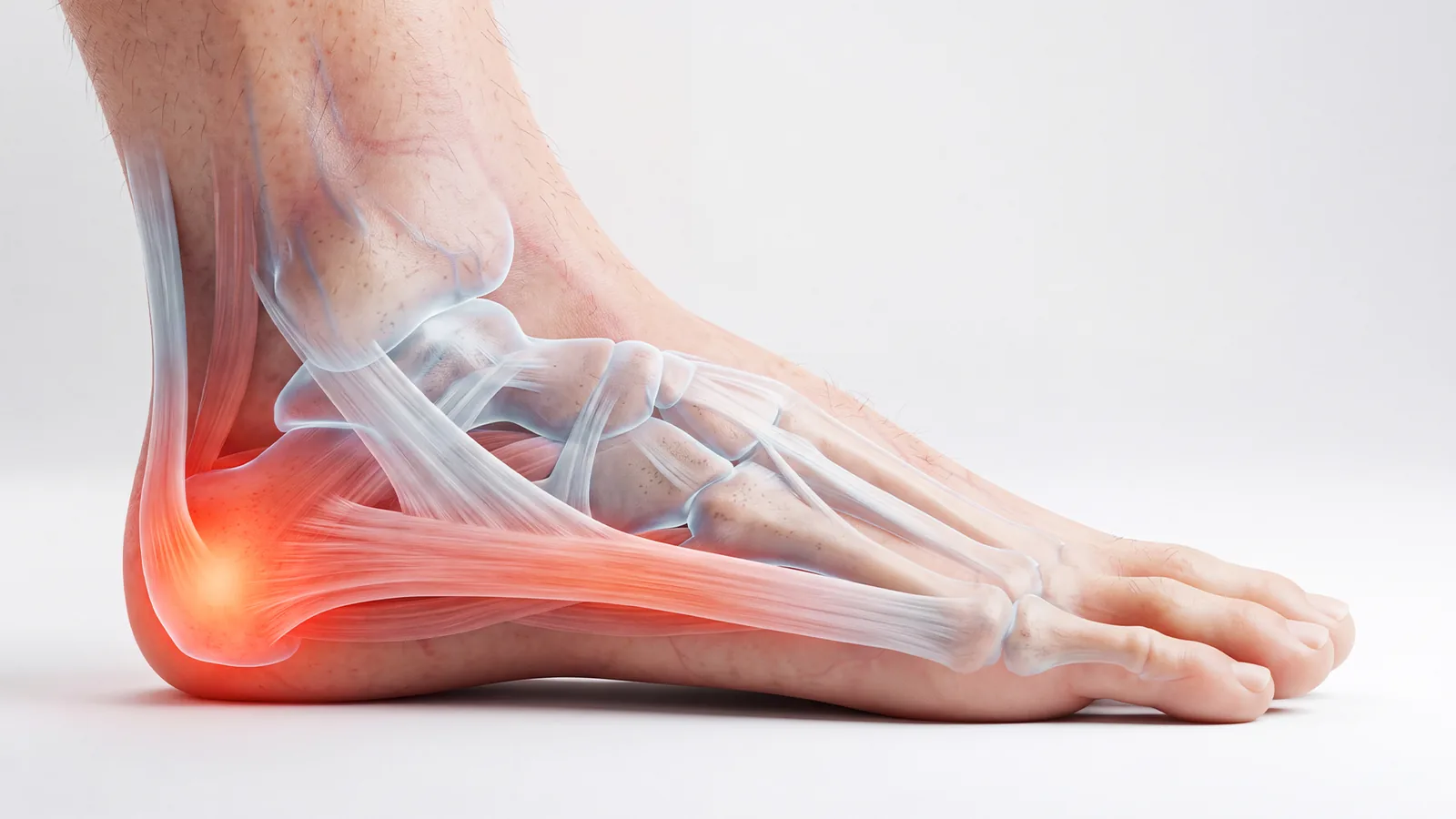
Plantar Fasciitis: Why Your Heel Hurts and How to Fix It
Plantar fasciitis is a common cause of heel pain. Learn why it happens, what helps, and when to see our medical team at YOUNIFY Clinic, Bangkok.
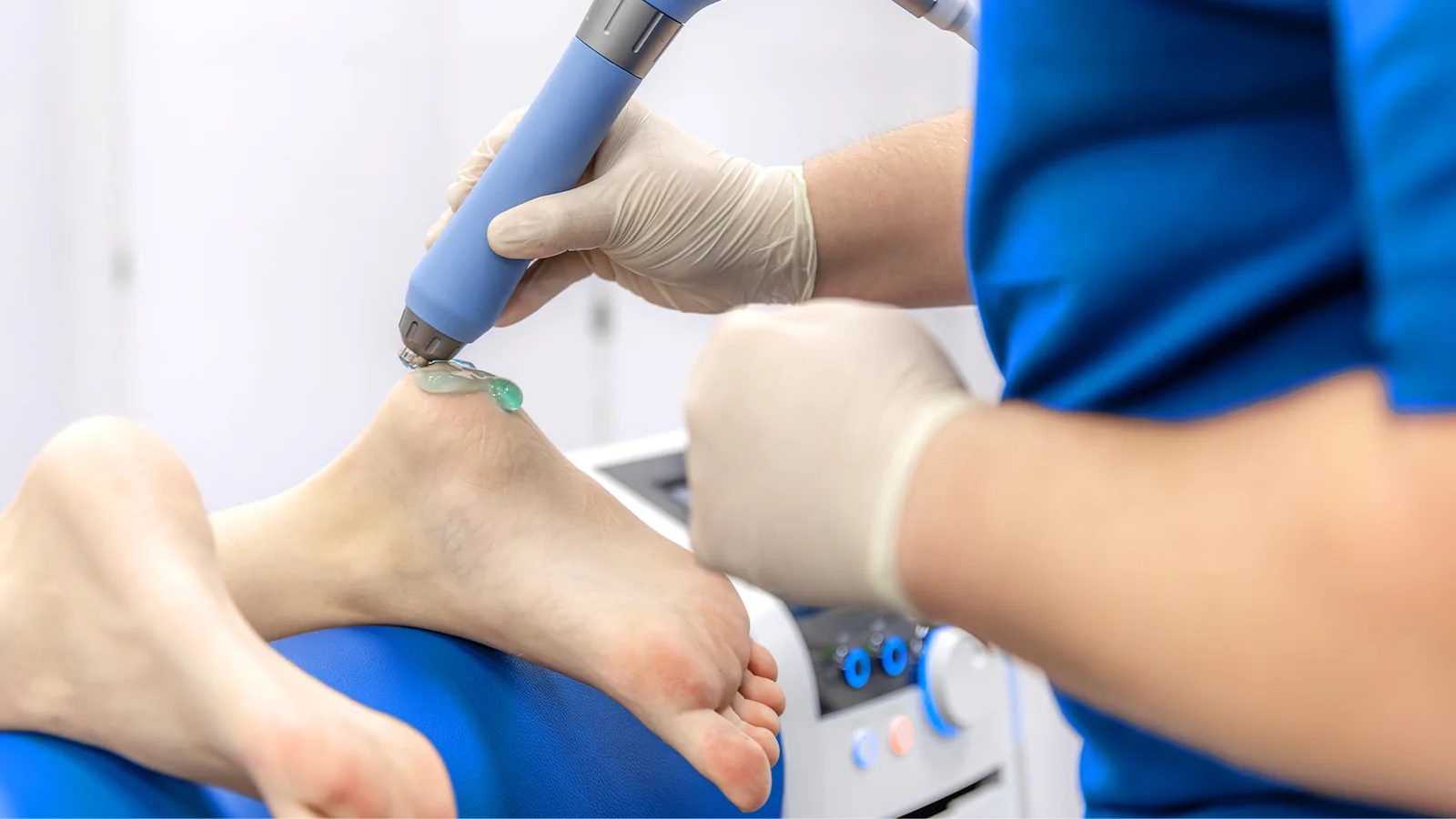
Shockwave, PRP, and Steroid for Plantar Fasciitis: What the Evidence Says
An honest look at shockwave, PRP, and steroid for plantar fasciitis - how each works, what the evidence says, and who they suit, in Bangkok.

Plantar Fasciitis Treatment in Bangkok: What Actually Works, Step by Step?
A doctor-led guide to plantar fasciitis treatment in Bangkok: what heel pain is, why it happens, and the stepwise ladder from self-care and physiotherapy to shockwave and injections.

Heel Pain on the First Step in the Morning: Causes, Red Flags and When to See a Doctor
Heel pain on the first step in the morning: telling plantar fasciitis from Achilles tendinopathy, heel spur and nerve pain, plus red flags. YOUNIFY Bangkok.

Does Plantar Fasciitis Go Away on Its Own? Home Stretches and Self-Care That Actually Help
Does plantar fasciitis go away on its own? A doctor-led guide to home stretches, footwear, load management and a realistic recovery timeline — plus when to seek care in Bangkok.

Chronic Plantar Fasciitis: Where to Get Treated, and How to Choose Well
Chronic plantar fasciitis treatment: where to go and how to choose. A doctor-led comparison of procedure options plus a neutral checklist of questions to ask any clinic in Bangkok.

Chronic Neck Pain Treatment: Non-Surgical Options That Come Before Surgery
Chronic neck pain usually comes from one of three sources: muscles and posture, the facet joints of the neck, or a compressed nerve root. Each is cared for differently, so assessment comes before choosing a treatment. The clinic offers six image-guided procedures for the neck and back, starting from THB 22,000 for a diagnostic medial branch block. Results vary by individual.

Chronic Back Pain and Pain Radiating to the Leg: How to Treat It, Step by Step
What causes chronic back pain and pain radiating to the leg, the red flags that need urgent review, and a stepwise path from non-surgical care to surgery — by the YOUNIFY Clinic medical team, Silom, Bangkok.
Epidural Steroid Injection (ESI) for Back Pain That Radiates Down the Leg
An epidural steroid injection places anti-inflammatory medicine around a compressed nerve root under image guidance, using a needle only. Most patients go home the same day. At YOUNIFY Clinic, it starts from THB 129,000 for both the neck and the lower back and is performed at a partner private hospital accredited by JCI / AACI. The aim is to ease symptoms enough for you to return to physical therapy. Results vary by individual.

Neck Pain Radiating to Arm and Arm Numbness: Signs of Cervical Radiculopathy
Neck pain radiating to the arm with numbness or weakness may signal cervical radiculopathy from a compressed nerve root. Learn causes, warning signs, diagnosis and treatment options.

Office Syndrome: How to Relieve Neck, Shoulder and Upper-Back Pain
Office syndrome neck and shoulder pain (tech neck): what causes it, 5 practical stretches, ergonomic desk setup, warning signs it may be more, and when to see a doctor.
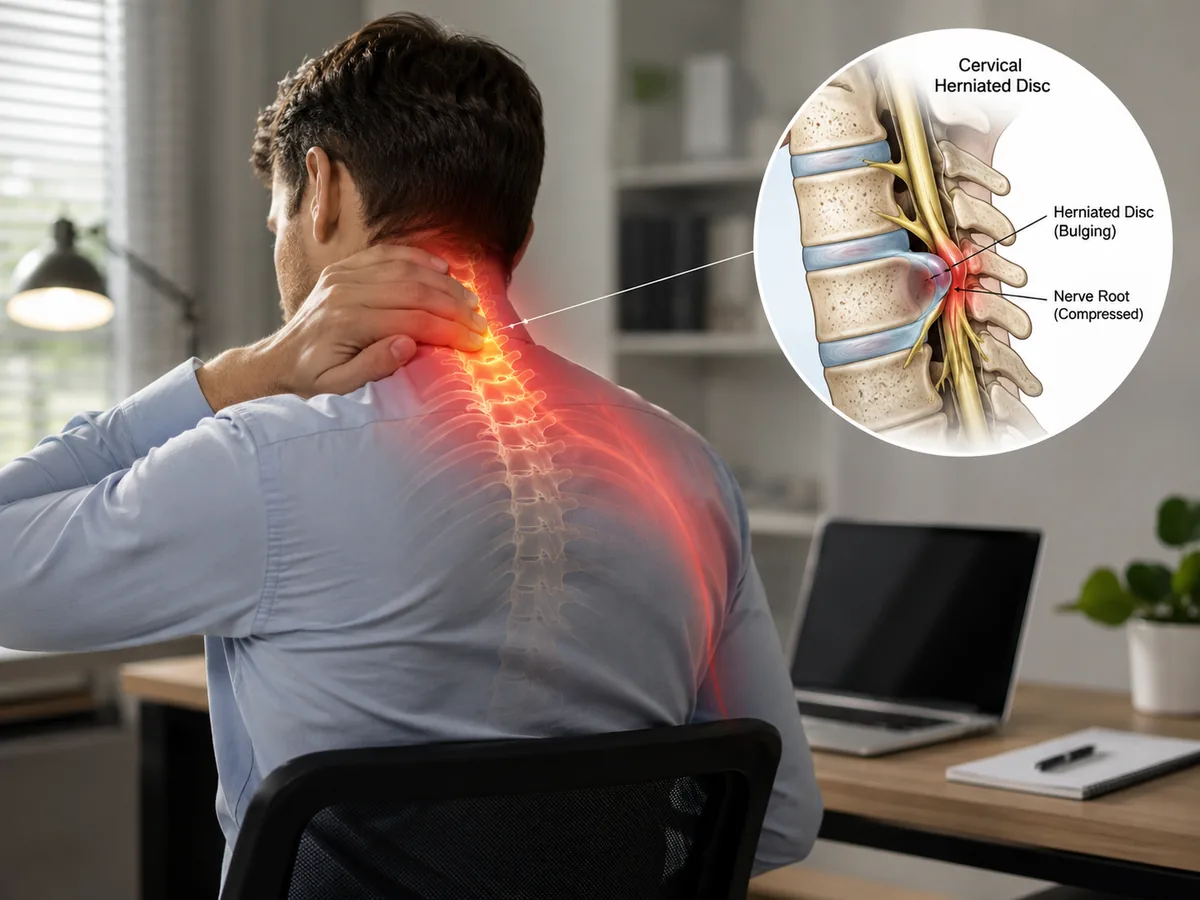
Cervical Herniated Disc: Symptoms, Causes, and Treatment Options
What a cervical herniated disc is, why it causes neck pain radiating down the arm with numbness, how MRI confirms it, and non-surgical to surgical options — explained by the YOUNIFY Clinic medical team, Silom, Bangkok.

Sciatica (Sciatic Nerve Pain): What It Is and How It Is Treated
What sciatica (sciatic nerve pain) is, its symptoms, causes from herniated disc and piriformis muscle, and treatment options from conservative care to image-guided injections by our medical team.

Lower Back Pain from Lifting or Sitting: Prevention and Early Care
Why lifting heavy or sitting too long triggers lower back pain, how to lift safely, 5 core exercises, ergonomic desk setup, and the red flags to see a doctor — from the YOUNIFY medical team, Bangkok.
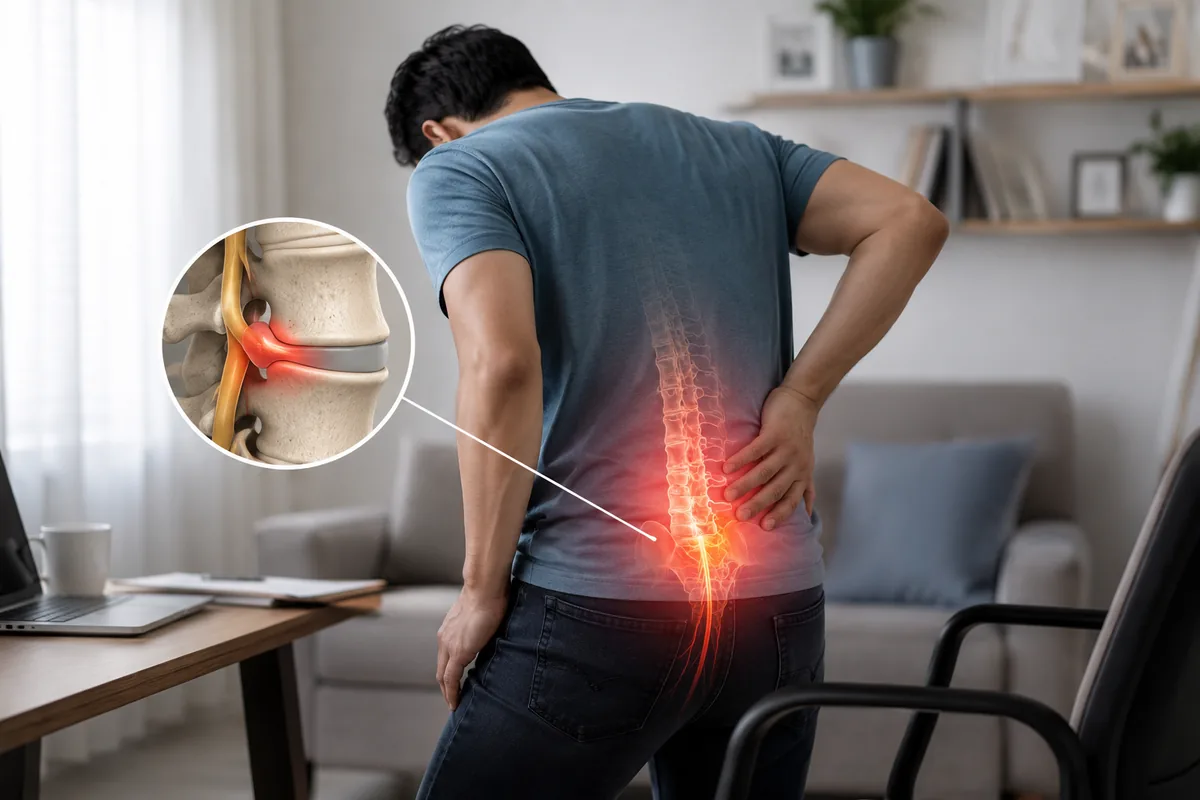
Lumbar Herniated Disc: Symptoms and Treatment Options
What a lumbar herniated (slipped) disc is, its symptoms, causes and risk factors, MRI diagnosis, and non-surgical versus surgical treatment options, including image-guided injections, by our medical team.
Weight Loss & Stomach
Weight Loss Without Surgery: Why Endoscopic Sleeve Gastroplasty (ESG) Is Gaining Ground Over Stomach Surgery
A new global study co-authored by Dr. Noppachai Siranart compared 7 weight-loss procedures, including Endoscopic Sleeve Gastroplasty (ESG), in over 61,000 patients. Endoscopic sleeve gastroplasty (ESG) improved obesity-related conditions well and carried a markedly lower risk of new acid reflux than stomach surgery, all without a major operation.

Medical Weight Loss Clinic in Bangkok: Every Option, Who Each One Suits, and How to Begin
A physician-led weight loss clinic in Silom, Bangkok. Every option compared, who each one suits, starting prices, the five-step pathway, and what international patients should plan for.
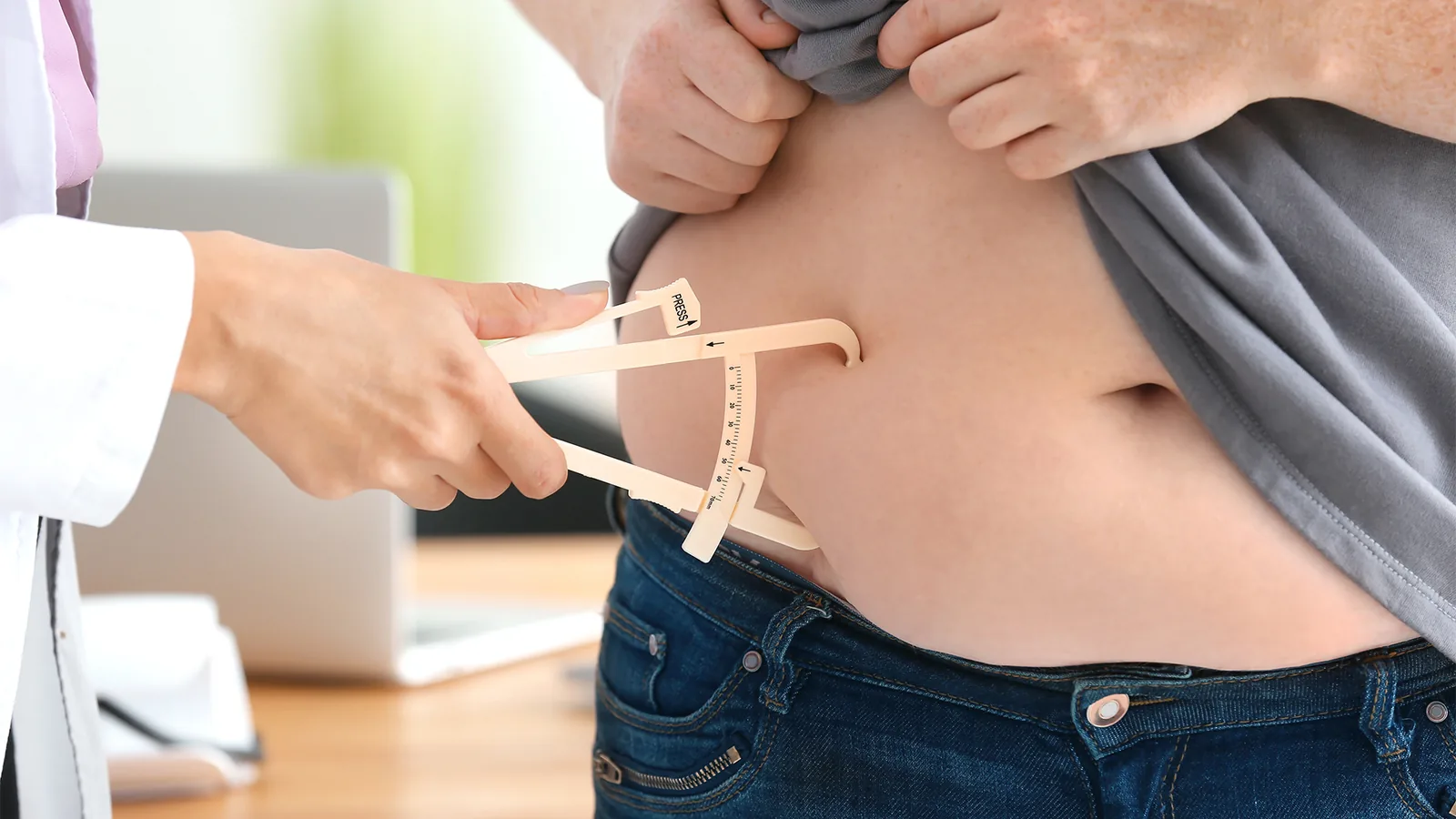
Endoscopic Sleeve Gastroplasty (ESG) Cost in Thailand: A Complete Budget Guide for International Patients
Endoscopic Sleeve Gastroplasty (ESG) in Thailand starts from THB 490,000 at YOUNIFY Clinic in Bangkok. What the fee includes, what to budget for the whole trip, why aggregator prices differ, and 7 questions to ask before you pay.

What Is ESG (Endoscopic Sleeve Gastroplasty)? A Plain-Language Guide
A plain-language guide to ESG (endoscopic sleeve gastroplasty): what it is, how it reduces stomach size without surgery, and who it helps.

Am I a Candidate for Endoscopic Sleeve Gastroplasty (ESG)? BMI, Health, and Realistic Goals
Who is a good candidate for Endoscopic Sleeve Gastroplasty (ESG)? A clear look at BMI ranges, health factors, and realistic goals for endoscopic sleeve gastroplasty.
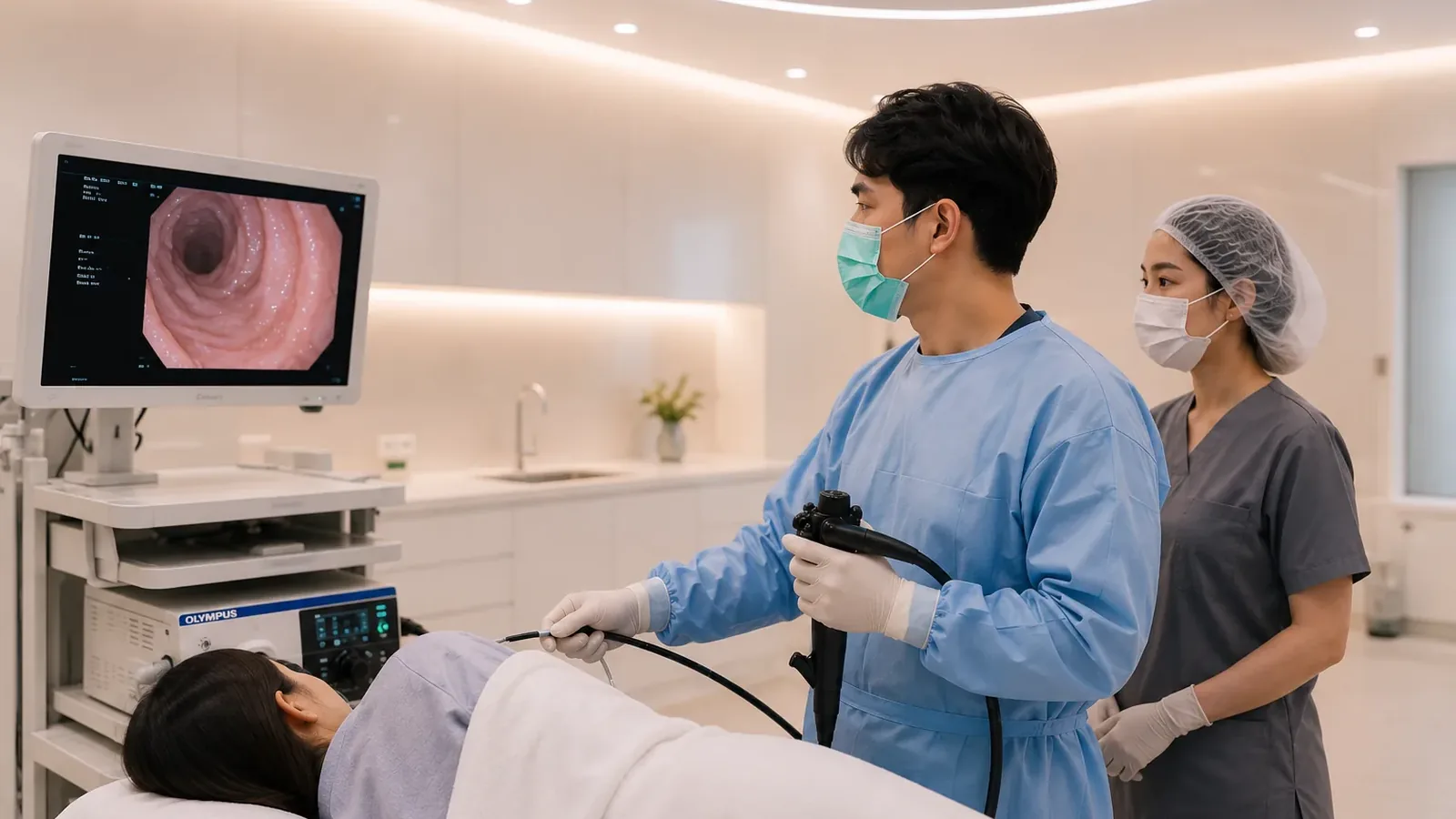
Endoscopic Sleeve Gastroplasty (ESG): What to Expect Before, During, and After
A step-by-step guide to the ESG procedure: how to prepare, what happens during endoscopic sleeve gastroplasty, and what recovery day looks like.

Endoscopic Sleeve Gastroplasty (ESG) Recovery and the First 4 Weeks: Diet Stages
A week-by-week guide to Endoscopic Sleeve Gastroplasty (ESG) recovery and diet stages, from liquids to solid foods over the first 4 weeks, with practical eating tips.

Life After Endoscopic Sleeve Gastroplasty (ESG): Habits That Protect Your Results
Life after Endoscopic Sleeve Gastroplasty (ESG): the everyday habits of eating, movement, mindset, and follow-up that help protect your results over the long term.

How Endoscopic Sleeve Gastroplasty (ESG) and the Gastric Balloon Actually Work
A plain-language look at how endoscopic sleeve gastroplasty reshapes the stomach, how a gastric balloon fills space inside it, and why that differs.
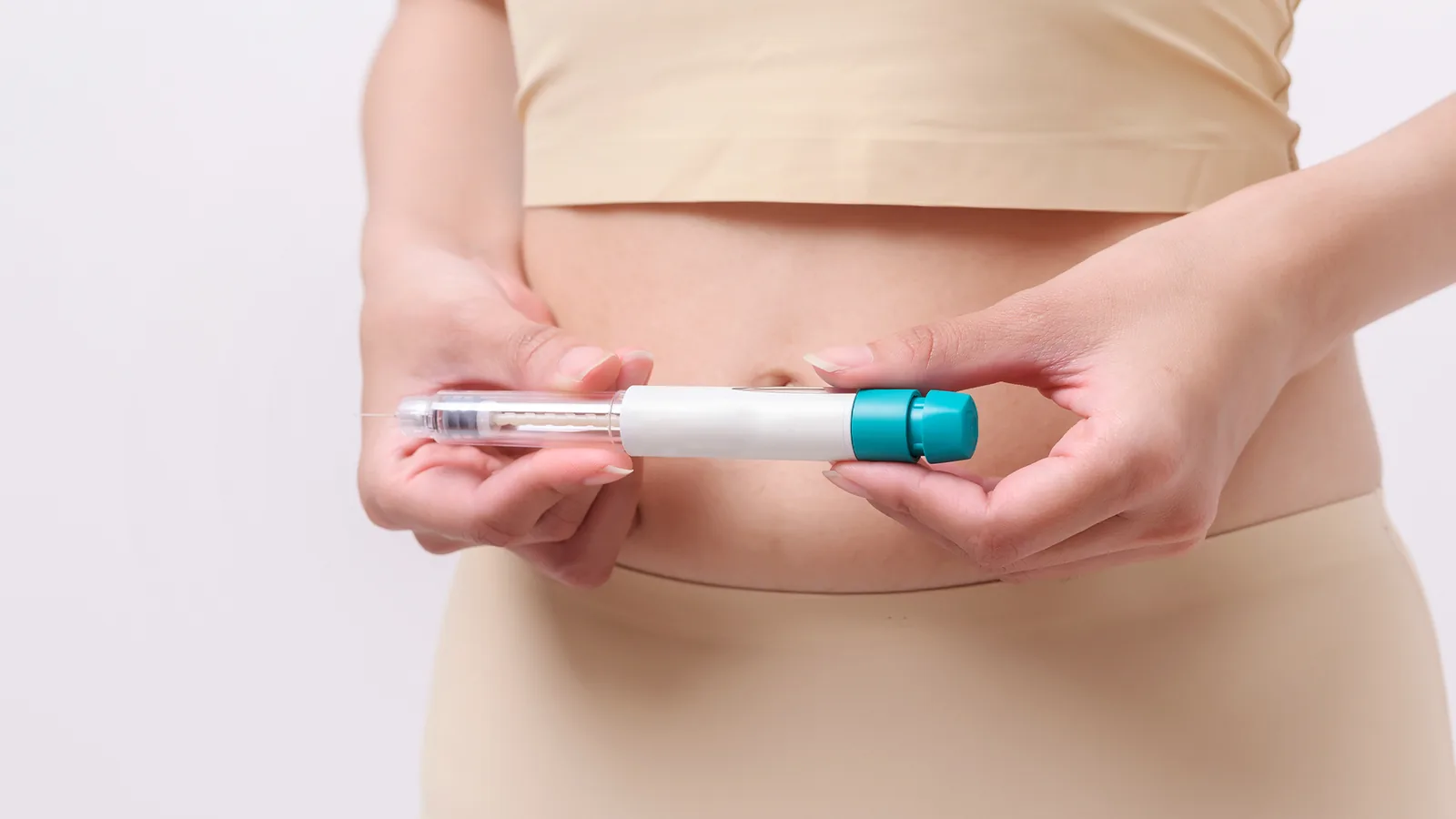
Endoscopic Sleeve Gastroplasty (ESG) and GLP-1 Together: Can Combining Them Help
Can combining Endoscopic Sleeve Gastroplasty (ESG) with GLP-1 receptor agonists help? How the procedure and medication work together within a physician-led plan.

Endoscopic Sleeve Gastroplasty (ESG) Risks, Side Effects, and Safety: What to Know
An honest guide to Endoscopic Sleeve Gastroplasty (ESG) risks, side effects, and safety: common sensations, rarer concerns, and how a physician-led setting helps reduce risk.

The First 8 Weeks After Stopping GLP-1 Medication: What Usually Happens, and What to Discuss With Your Prescribing Physician
What usually happens in the first eight weeks after stopping GLP-1 medication, what to watch, what helps, and when to contact a doctor. YOUNIFY Clinic, Bangkok.

Endoscopic Sleeve Gastroplasty (ESG) vs Gastric Balloon: How They Differ and How to Choose
Endoscopic Sleeve Gastroplasty (ESG) vs gastric balloon compared: mechanism, expected weight loss, how long results last, risks, recovery, and cost in Bangkok, plus who each option suits.

Am I a Candidate for Endoscopic Sleeve Gastroplasty (ESG)? Eligibility Criteria, Contraindications, and Who Should Wait
Am I a candidate for Endoscopic Sleeve Gastroplasty (ESG)? BMI criteria from the 2024 ASGE–ESGE guideline, contraindications, a self-assessment checklist, and what can be screened before you fly to Bangkok.

Endoscopic Sleeve Gastroplasty (ESG) Recovery and Diet Timeline: What You Can Eat, and When
What you can eat after endoscopic sleeve gastroplasty and when. A week-by-week ESG recovery diet timeline, the four diet stages, returning to work, flying home, exercise, and red flags. By YOUNIFY's medical team, Bangkok.
Endoscopic Sleeve Gastroplasty (ESG) or GLP-1 Medication: Which Should You Start With?
Endoscopic Sleeve Gastroplasty (ESG) vs GLP-1 medication: mechanism, trial numbers, what happens when you stop, cost structure, and four real-world scenarios, including planning an off-ramp. YOUNIFY Bangkok.

Endoscopic Sleeve Gastroplasty (ESG) Long-Term Results: The 1-Year and 5-Year Data, and Whether the Weight Comes Back
Endoscopic Sleeve Gastroplasty (ESG) long-term results: 5-year follow-up reports mean 15.9% total body weight loss, with 61% still holding ≥10%. Who regains weight, why, and what can be done. By YOUNIFY's medical team, Bangkok.

Endoscopic Sleeve Gastroplasty (ESG) Cost in Bangkok: What the Price Includes, Why Quotes Differ, and Whether It Is Worth It
Endoscopic Sleeve Gastroplasty (ESG) at YOUNIFY Clinic in Bangkok starts from THB 490,000; this guide explains what the price includes, why quotes differ, and how ESG compares with surgery and the gastric balloon. By YOUNIFY's medical team.

Is ESG Safe? Side Effects of Endoscopic Sleeve Gastroplasty and How Risk Is Reduced
Is endoscopic sleeve gastroplasty safe? Common side effects that settle, uncommon complications to know, who should not have ESG, and how risk is reduced. By YOUNIFY's medical team.

How to Lose Weight Fast Without the Rebound: The Safe, Effective Way
How fast can you safely lose weight? We cut through the myths on calorie deficit, explain why crash diets rebound, and cover the medical options — lifestyle intervention paired with GLP-1 medication and endoscopic sleeve gastroplasty (ESG) — for people who have tried everything.
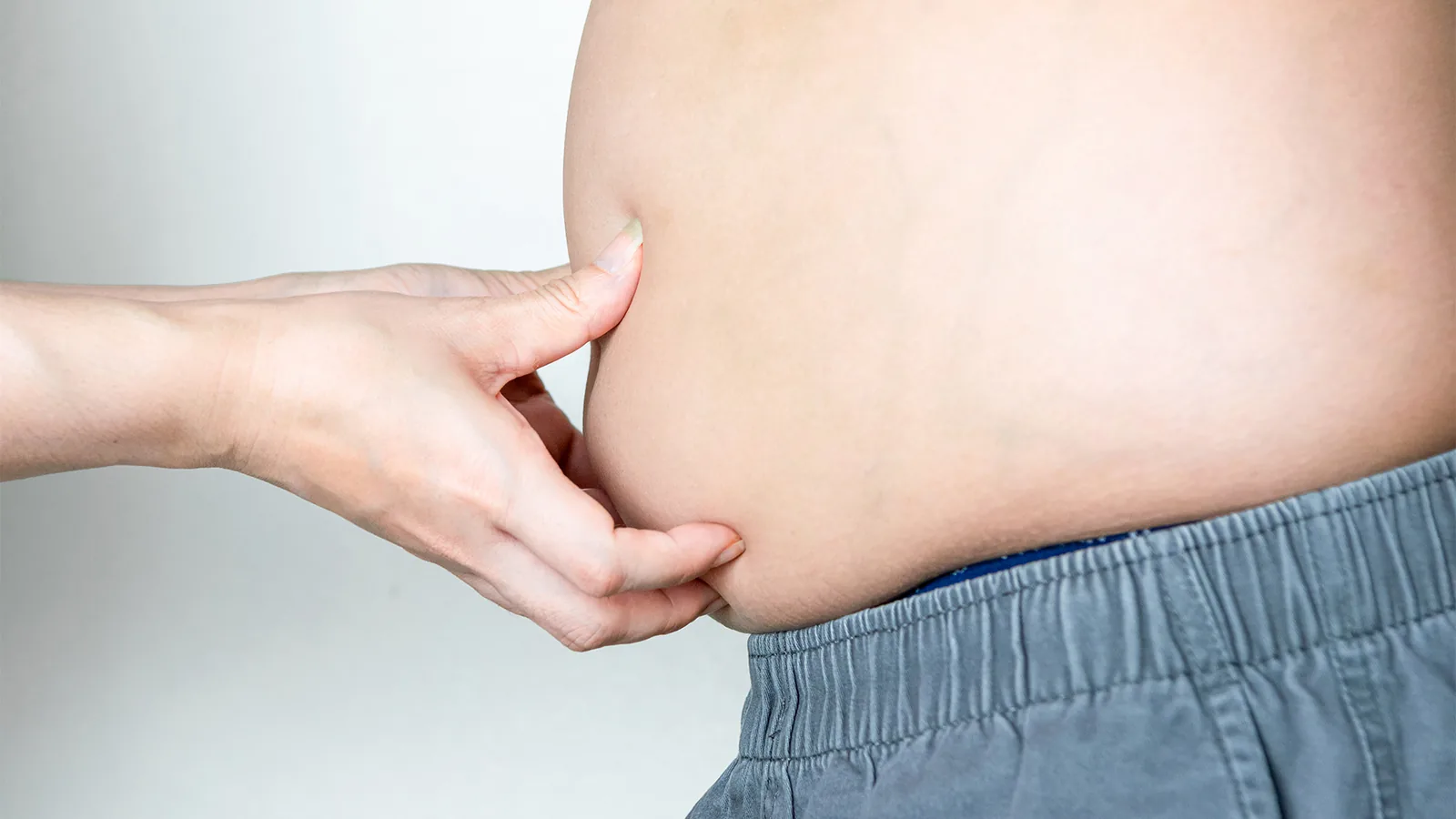
How to Lose Belly Fat: What Actually Works, Not Spot Reduction
Can you target belly fat directly? We debunk the spot-reduction myth, explain why visceral fat is a real health risk, and cover what actually works — a calorie deficit, protein and fibre, less sugar and alcohol, sleep, and training — plus the medical options at YOUNIFY when effort isn't enough.

What Is a Calorie Deficit and How Many Calories Should I Eat? A TDEE Guide
What is a calorie deficit and how many calories should you eat to lose weight? Learn energy balance, how to estimate your TDEE from BMR × activity, how to set a sensible 500–750 calorie deficit, and how to track and adjust — plus the medical options at YOUNIFY when self-directed deficits stall.

Can You Lose Weight Without Exercise? The Truth and Your Options
Can you lose weight without exercise? Yes — weight loss comes mostly from diet and a calorie deficit, though exercise helps with maintenance and health. Plus the medical options like GLP-1 and ESG at YOUNIFY for those who can't lose with diet alone.
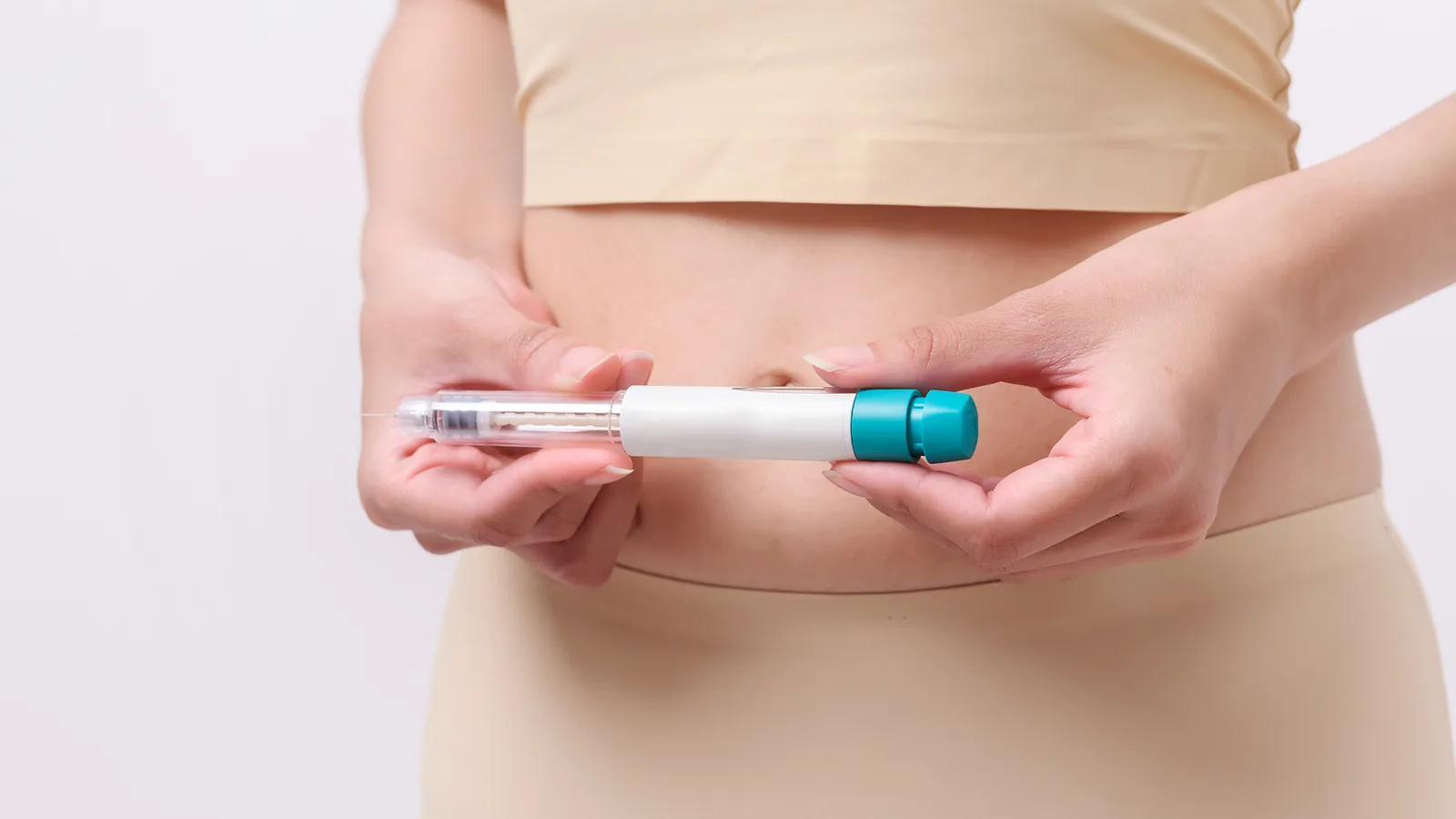
Do GLP-1 Weight-Loss Injections (Ozempic) Really Work? Safety and Cost
An honest look at GLP-1 injections like Ozempic/Wegovy and Mounjaro: how well they work in the trials, whether they are safe, what they cost, and when to use them under medical supervision alongside lifestyle change and ESG for lasting results.

GLP-1 (Ozempic) Weight-Loss Side Effects: What They Are and How to Manage Them
The side effects of GLP-1 weight-loss injections like Ozempic/Wegovy and Mounjaro, from common gut symptoms to gallbladder issues, dehydration, and muscle loss, plus how to manage them and why medical supervision matters.

Will You Regain Weight After Stopping GLP-1? And How to Keep It Off
After stopping GLP-1 injections like Ozempic/Wegovy, weight commonly returns because obesity is chronic and appetite rebounds. This article explains why, and covers the options for holding results long term: continued medication, tapering with lifestyle change, or a durable option like ESG.

Keto Diet Explained: What Is Keto and What Can You Eat?
A plain-language guide to the very-low-carb ketogenic diet — ketosis, foods you can eat and should avoid, the pros (appetite, quick water-weight loss) and cons (sustainability, side effects), and why keto still works through a calorie deficit.

How to Lose Weight Without the Yo-Yo: Avoiding Weight Regain
The science of keeping weight off after you lose it — preserving muscle, enough protein, self-monitoring, gradual loss, and habit change — plus the medical options for people who keep regaining despite real effort.

GLP-1 and MASH Fatty Liver
Do GLP-1 receptor agonists help MASH? Dr. Noppachai Siranart's meta-analysis of 6 randomised trials and 1,555 patients found they resolved biopsy-confirmed MASH without worsening fibrosis more often than placebo. This article explains the finding, its limits, and what it means for patients.
Vision Health

Dry Eye and Digital Eye Strain: What Actually Helps
Why screens leave your eyes dry and tired, what actually helps at your desk, and the warning signs that mean you should book an eye exam in Bangkok.

LASIK Cost in Thailand 2026: PRK, FemtoLASIK, ReLEx SMILE and ICL Compared
What LASIK, ReLEx SMILE and ICL actually cost in Bangkok in 2026, what a Thai package usually includes, and how to choose the right procedure before you book a flight.
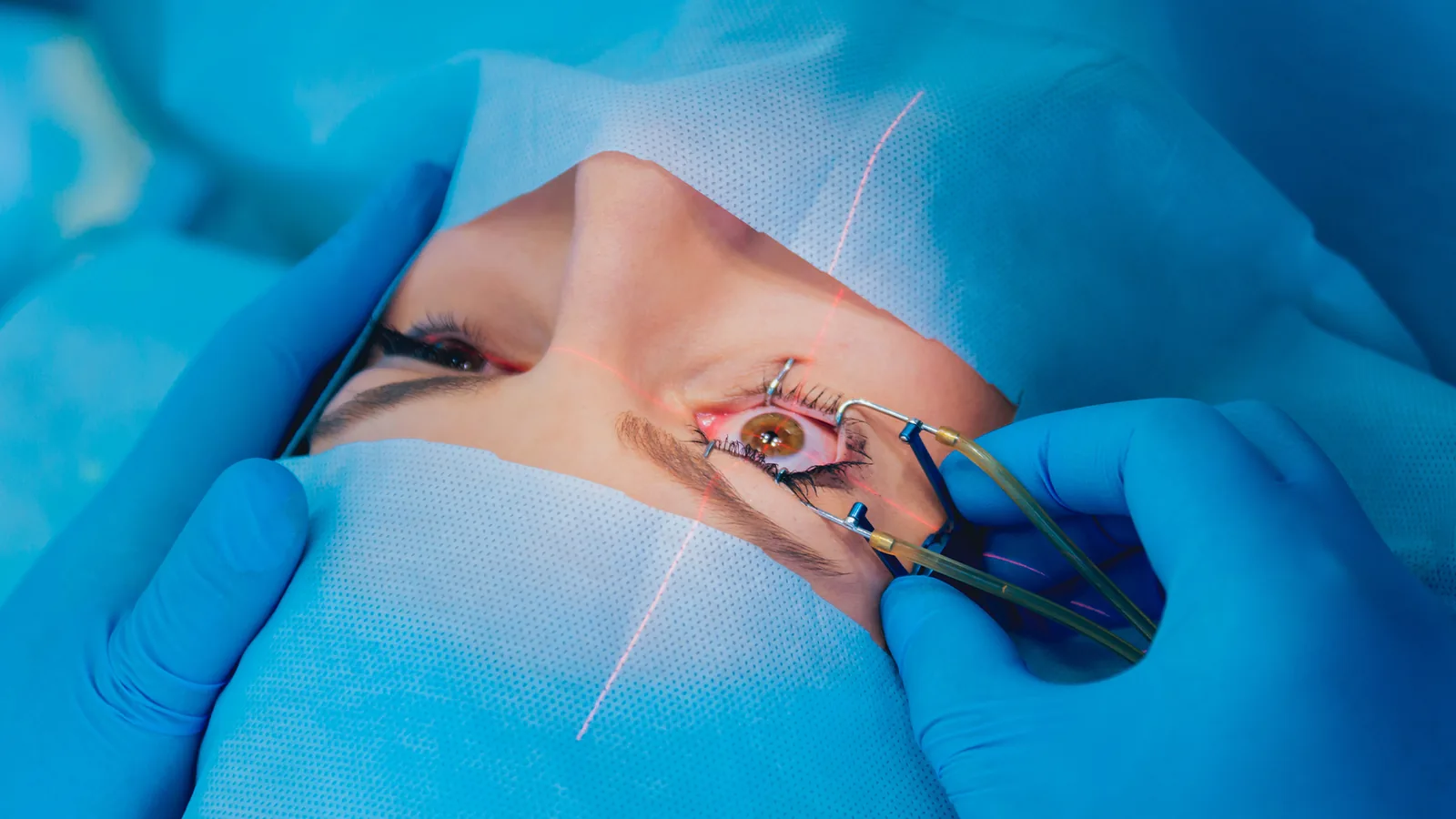
ReLEx SMILE vs LASIK: How the Two Differ and How to Choose
ReLEx SMILE vs LASIK in Bangkok: how the incision, dry-eye risk, recovery and prescription range differ, and how to decide sensibly before you travel for surgery.

ICL for High Myopia and Thin Corneas: What to Do When LASIK Is Not an Option
Told you are not a LASIK candidate? Implantable collamer lens (ICL) in Bangkok explained: who qualifies, the screening involved, trip planning, recovery and long-term follow-up.
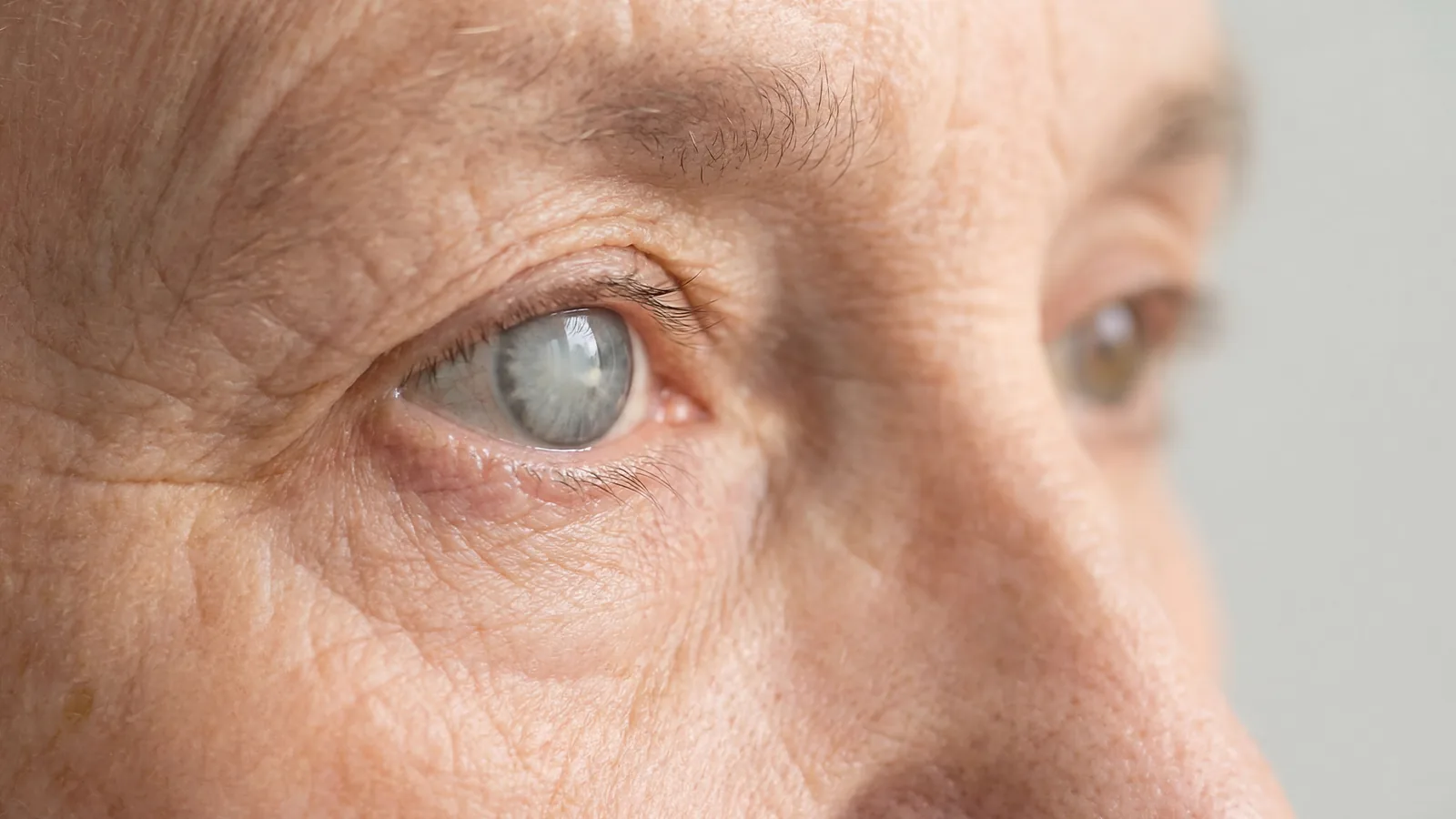
Cataract Symptoms, Red Flags and Lens Options: A Guide for Patients Considering Surgery in Bangkok
Early cataract symptoms, the red flags that need an eye doctor now, and how monofocal, toric, EDOF and multifocal lenses differ, with cataract surgery costs per eye in Bangkok.
Oncology Care

What Is Precision Oncology, and How Does It Differ From Chemotherapy?
Precision oncology selects cancer treatment based on the tumour's molecular profile. Learn how it differs from chemotherapy, who it may suit, and its limits.

Comprehensive Genomic Profiling: Who It May Suit and What the Report Can Tell You
Comprehensive genomic profiling reads hundreds of genes in a tumour to guide treatment choice. Learn who it may suit, what results mean, and its limitations.

What Is a Molecular Tumour Board, and Why Does a Multidisciplinary Team Plan Better?
A molecular tumour board reads a tumour's genomic report in full clinical context. Learn who takes part, what the board reviews, and what it can and cannot do.

Liquid Biopsy and ctDNA: How a Blood Test Differs From a Tissue Biopsy
Liquid biopsy detects ctDNA, tumour DNA fragments circulating in blood. Learn how it differs from tissue biopsy, when it is used, and its key limitations.

How Targeted Therapy and Immunotherapy Work
Targeted therapy and immunotherapy work through completely different mechanisms. Learn how each works, which biomarkers guide them, and what limits to expect.
Health Screening

What is in a Complete Health Check-Up? A Doctor's Guide
A doctor's plain-language guide to what a complete health check-up includes, how it is personalised, and how to choose the right package.
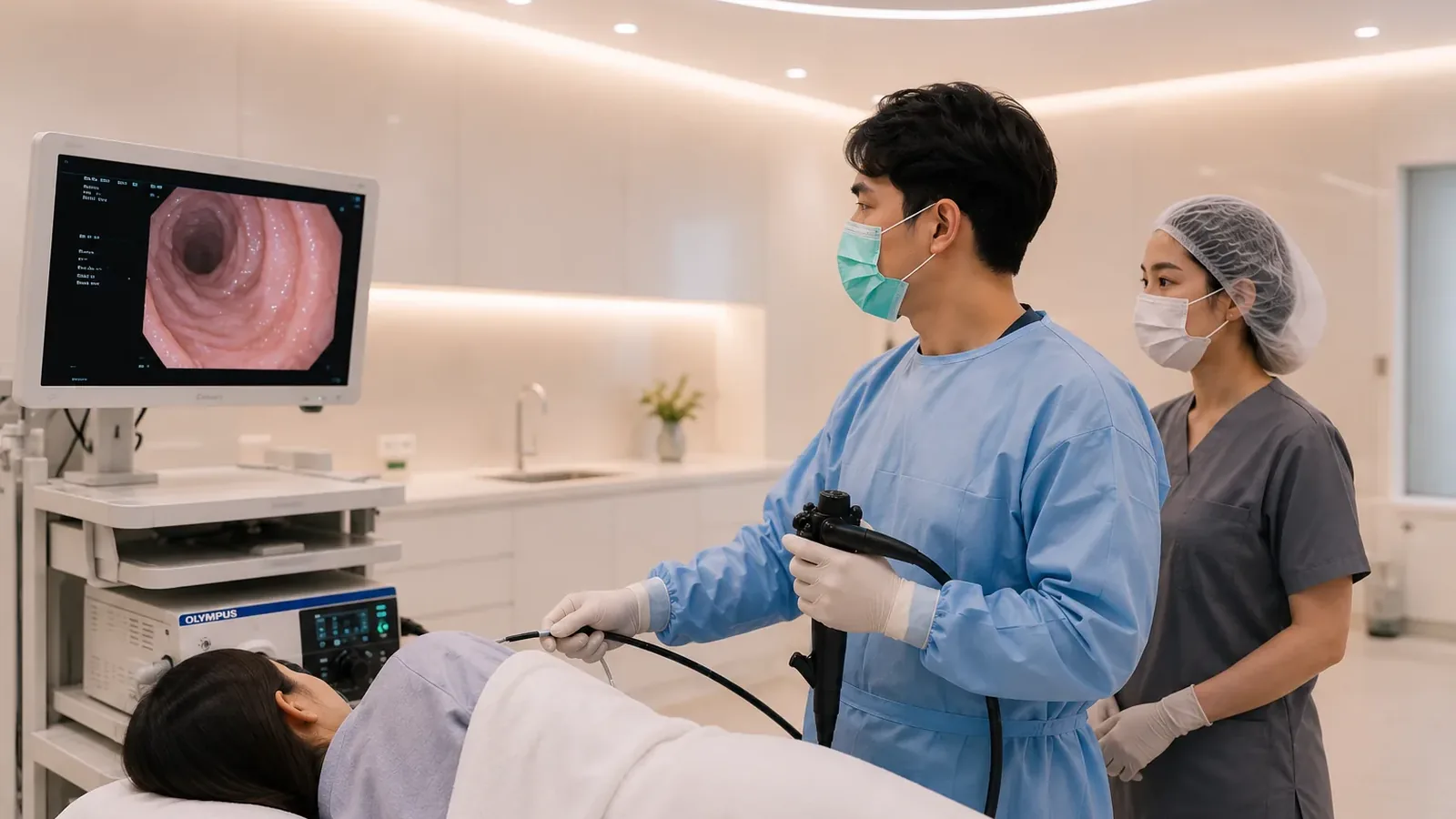
Upper Endoscopy (Gastroscopy): Why, How, and What to Expect
What an upper endoscopy (gastroscopy) is, why it is done, how to prepare, and what to expect on the day - a calm, doctor-led guide.
Colonoscopy: When to Start, How Often, and How to Prepare
When to start a colonoscopy, how often to repeat it, and how to prepare - a calm, doctor-led guide to the bowel prep and the day itself.

Colon Cancer Screening: Who Should Get Screened
Who should consider colon cancer screening, the risk factors that matter, and how stool tests and colonoscopy compare - a doctor's guide.

Health Screening for Expats and Visitors in Bangkok
A practical guide to health screening for expats and visitors in Bangkok - what to expect, how to plan around a trip, and English-language care in Silom.

Understanding Your Blood Test Results: A Plain-Language Guide
A plain-language guide to common blood test results - CBC, blood sugar, cholesterol, liver and kidney - and why context matters more than one number.

Athlete Health Screening: What It Covers and Why It Matters
What athlete health screening covers, why heart screening matters, and who benefits - a clear, doctor-led guide for active people.

Adult Vaccinations and Preventive Care: What You Need and When
Which adult vaccinations and preventive checks you may need and when - flu, tetanus, hepatitis, travel vaccines, and screening, explained clearly.
Women's Health & Menopause

Perimenopause vs Menopause: What is the Difference and What to Expect
Perimenopause vs menopause explained simply: the difference, the timeline, and what symptoms to expect. Physician-led guidance from YOUNIFY Clinic.

Menopause Symptoms Checklist: Signs and When to Seek Help
A clear menopause symptoms checklist - the common signs, red flags to watch for, and when to seek medical help. Physician-led guidance from YOUNIFY.

Non-Hormonal Options for Hot Flashes and Night Sweats
Non-hormonal ways to manage hot flashes and night sweats - lifestyle steps, non-hormonal medical options, and when to seek help. Physician-led guidance.

Vaginal Dryness and Painful Intimacy After Menopause: What Helps
Vaginal dryness and painful intimacy after menopause explained - why it happens and what helps, from moisturisers to medical options. Physician-led care.

Urinary Leakage and Overactive Bladder in Women: Causes and Care
Urinary leakage and overactive bladder in women - the causes, the types, and what helps, from pelvic-floor care to physician-led medical options.

Menopause and Weight Gain: Why It Happens and What Works
Menopause and weight gain explained - why body composition shifts in midlife and what actually helps, sustainably. Physician-led guidance from YOUNIFY.

Bone Health and Osteoporosis After Menopause
Bone health after menopause explained - why bone loss speeds up, how to protect your bones, and when to get tested. Physician-led guidance from YOUNIFY.

Menopause, Sleep, and Mood: Insomnia, Anxiety, and Brain Fog
Menopause, sleep, and mood explained - why insomnia, anxiety, and brain fog happen and what helps. Physician-led guidance from YOUNIFY Clinic.

Perimenopause in Your 40s: Getting Ahead of It
Perimenopause in your 40s - how to recognize the early signs and get ahead of the transition with a proactive, physician-led plan. Guidance from YOUNIFY.
More Health Articles

Thyroid RFA vs Surgery: How the Two Options Really Compare
A plain comparison of thyroid radiofrequency ablation and surgery: anaesthesia, scarring, recovery, hormone tablets, follow-up, and when surgery is still right.

Jaw implant stock vs custom: which one suits your jaw?
A stock jaw implant is selected from manufactured sizes and adjusted during surgery. A custom, patient-specific implant is designed from your own CT scan and made for you, so it sits flush against your bone. A stock implant often suits a symmetrical jaw, while a patient-specific implant is usually preferred for asymmetry, larger changes, or revision.
Chin implant or genioplasty: which one should I choose?
A chin implant adds projection by placing a shaped implant on the front of the chin bone, while a genioplasty cuts and moves the chin bone itself. Implants usually suit a mild-to-moderate deficiency with a quicker recovery, and genioplasty usually suits a larger change or a chin that needs to move in more than one direction. At YOUNIFY Clinic, a Healthy Aging & Wellness Center based in Bangkok, Thailand, a chin implant starts from THB 59,000 and genioplasty from THB 160,000.
Chin implant or chin filler: which should I choose?
Chin filler adds temporary projection with injections and little downtime, while a chin implant gives a long-lasting, more defined change through a short operation. Filler suits a small change or a trial of how a stronger chin looks, and an implant usually suits men who want a firmer, squarer chin without repeat treatments. At YOUNIFY Clinic, a Healthy Aging & Wellness Center based in Bangkok, Thailand, dermal filler starts from THB 13,000 per cc and a chin implant from THB 59,000.
How long is chin implant recovery, and when can I fly home?
Chin implant recovery is front-loaded: swelling and tightness peak in the first few days, most visible swelling settles over the following weeks, and the final contour is judged after several months. When you can fly home depends on your surgery and how you heal, and your surgeon confirms it at your final review. At YOUNIFY Clinic, a Healthy Aging & Wellness Center based in Bangkok, Thailand, your remote follow-up schedule is agreed with you before you fly.
What are the risks of chin and jaw implants?
The main risks of chin and jaw implants are infection, implant shifting or malposition, asymmetry, changes in lip and chin sensation, and the need for revision, while swelling, bruising, and temporary numbness are expected parts of recovery. These risks are reduced through careful planning, implant choice, surgical technique, and follow-up, and an implant can be removed or revised if needed. At YOUNIFY Clinic, a Healthy Aging & Wellness Center based in Bangkok, Thailand, your surgeon goes through each risk with you before consent.
Planning a chin or jaw implant abroad: what should I check first?
Planning a chin or jaw implant abroad comes down to a few checks: who operates and where, what the written quotation includes, how long to stay, and how aftercare works once you are home. Send clear photographs first, have a surgeon review them with you by video, and pay no deposit until the plan and price are in writing. At YOUNIFY Clinic, a Healthy Aging & Wellness Center based in Bangkok, Thailand, each of these is confirmed with you before you book flights.
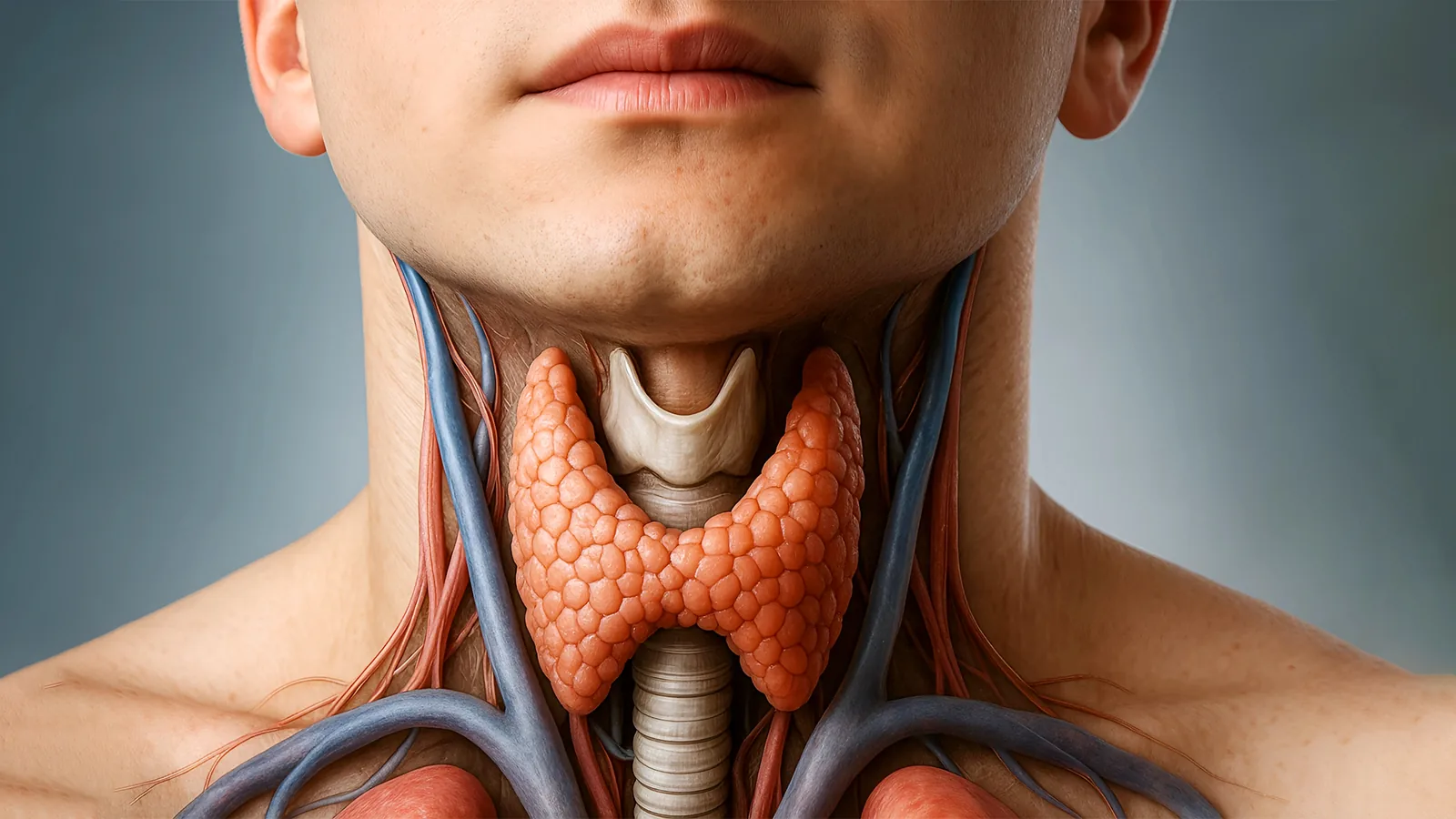
What Causes a Lump in the Neck? Thyroid Nodules Explained
Most neck lumps are thyroid nodules, and only about 5% turn out to be cancer. Here are the common causes, the lumps that are not thyroid, and the red flags.
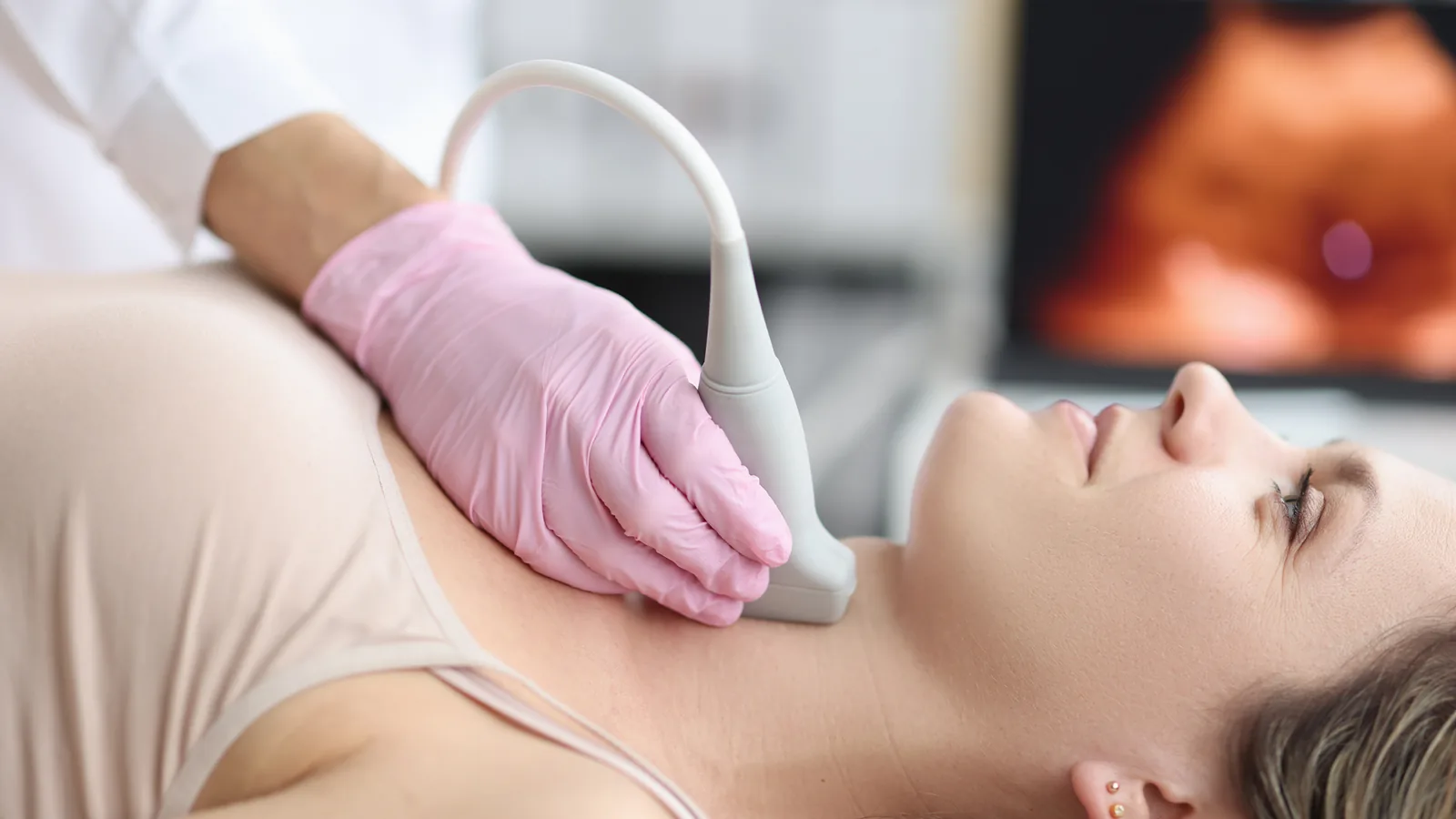
Thyroid Nodule Found? What Happens Next, From Ultrasound to FNA
Found a thyroid nodule? Step by step from YOUNIFY's medical team: blood tests, ultrasound risk grading, when a needle biopsy is needed, and the options that follow.

Does a Thyroid Nodule Need Surgery? When to Operate and When to Wait
Does a thyroid nodule need surgery? A balanced guide to when an operation is genuinely indicated, when monitoring is the right call, and what surgery costs you.
International Publications
Improvement of Obesity-Related Comorbidities After Bariatric Procedures: A Network Meta-Analysis of Endoscopic Versus Surgical Interventions
OAGB, SASI, SADI, and ESG demonstrate superior efficacy in improving obesity-related comorbidities and GERD outcomes, supporting their consideration as leading options in individualized bariatric care.
Visual and Neurological Outcomes Following Glucagon-Like Peptide-1 Receptor Agonist Therapy and Bariatric Surgery in Idiopathic Intracranial Hypertension: A Network Meta-Analysis
Adjunctive GLP-1RA therapy may be associated with weight loss and improved clinical/ophthalmic outcomes in IIH relative to conventional care, with a signal for worse visual fields at certain time points.
Endoscopic Management for Non-Variceal Upper Gastrointestinal Bleeding: A Network Meta-Analysis of Randomized Controlled Trials and Cost-Effectiveness Analyses of 2 Health Care Systems
OTSC was superior to HP and ST in efficacy and cost-effectiveness, favoring its use as a first-line endoscopic hemostasis intervention for NVGIB.
Effect of glucagon-like peptide-1 receptor agonists on histologic MASH: A meta-analysis of randomized controlled trials
In patients with noncirrhotic MASH, GLP-1RAs appear to be associated with both MASH resolution without fibrosis worsening and ≥1-stage fibrosis regression without MASH worsening.
Endoscopic versus surgical management of recurrent weight gain following sleeve gastrectomy
Endoscopic revision of SG appears to be associated with similar weight loss compared with surgical revision or conversion to Roux-en-Y gastric bypass, with a better safety profile.
Can GLP-1 agonists be used safely in inflammatory bowel disease? A meta-analysis
GLP-1RAs appear to be safe and effective in patients with IBD.
Glucagon-like peptide-1 receptor agonists and upper endoscopy: a real-world experience
Continuation of GLP-1RAs did not appear to be associated with an increased incidence of residual gastric contents, early procedural termination, or aspiration events.
Leadless Pacemaker in Bradyarrhythmia After Transcatheter Aortic Valve Replacement: A Meta-Analysis
LPM could serve as a first-line pacing strategy in bradyarrhythmia post-TAVR due to its safer profile with comparable efficacy and feasibility to TPM.
Slow-inactivated sodium channels as a therapeutic target in trigeminal neuralgia: evidence from a systematic review and meta-analysis of lacosamide
Lacosamide (LCM) has shown favorable outcomes in some patients with trigeminal neuralgia (TN) and may serve as an alternative therapy, particularly those refractory to or intolerant of first-line agents, and intravenous LCM may be useful for acute exacerbations.
Want to discuss your symptoms or health goal with a doctor?
Articles help with the overview, but the right care plan should start from your health history, current symptoms, test results, and personal goals.
Ask about symptoms / Book