
Aesthetic Surgery
Face & Neck Lift in Bangkok, Thailand
At YOUNIFY Clinic in Bangkok, face and neck lift starts from THB 219,000; the final plan is confirmed in a written quotation after assessment. The SMAS and deeper tissue repositioned to restore the cheek and jawline, with the extent chosen to match your degree of laxity.
Clinic open daily, 11:00 to 20:00 (Bangkok time) · Online enquiries answered 24 hours a day

At a glance
- Procedure
- Face & Neck Lift
- Starting from (THB)
- Face and neck lift from 219,000
- Hospital stay
- Usually 1 night
- Time in Bangkok
- Approximately 10 to 14 days from the day of surgery.
- Who performs
- Two board-certified plastic surgeons
- Where
- Partner private hospital accredited by JCI / AACI
- Last reviewed
- August 31, 2026
Price list
Procedures in this table start from THB 69,000 to THB 238,000 per procedure; the final plan is confirmed in a written quotation after assessment.
| Procedure | Starting Thailand price (฿) |
|---|---|
| Facelift | |
| Mini Facelift | THB 125,000 |
| Lower Facelift | THB 159,000 |
| mini Lower Facelift | THB 85,000 |
| Mid Facelift | THB 85,000 |
| Full Facelift | THB 219,000 |
| Neck / Face & Neck | |
| Neck Lift | THB 188,000 |
| Face & Neck Lift | THB 219,000 |
| Midface & Neck Lift | THB 238,000 |
| Volume / Midface Lift | |
| Cheek Augmentation | THB 69,000 |
| Temporal & Midface Lift | THB 110,000 |
* Indicative prices for reference only. Final pricing depends on an individual assessment. Contact our team for a personalized quote.
Your final quote follows an individual medical assessment. You receive a written quotation before any deposit.
Traveling from overseas? See the Thailand package for this procedure.
View the Thailand packageView the Thailand packagePlan your trip
All figures are approximate and intended for travel planning. Results vary by individual, and your doctor confirms the plan case by case. Please consult a physician before treatment.
Care you can measure
Figures from the YOUNIFY surgical program.

01 · Planning
Assess which layer before the extent is chosen
Which layer has descended decides the operation.
Your surgeon separates whether your laxity comes from stretched skin, a descended SMAS layer, repositioned fat, or separated neck muscle. Each is corrected differently.
That assessment decides how deep the lift needs to go and whether the neck has to be included, which directly determines both recovery time and how long the result holds.
Pre-operative assessment is a planning aid. It illustrates an expected direction, not a guaranteed outcome.
What is a face & neck lift?
A facelift and neck lift tighten sagging skin and the underlying SMAS muscle layer to redefine the cheeks, nasolabial folds, jowls, and jawline for a firmer, more youthful look.
Your surgeon assesses skin laxity, fat volume, and facial structure to choose the level of lift (mini, lower, full) and plan incisions hidden along the hairline and behind the ears.
Concerns it addresses
Sagging cheeks / deep folds
Cheek tissue descends, deepening the nasolabial folds and tiring the face.
Jowls / blurred jawline
Skin and fat sag along the jaw, obscuring a clean jawline.
Loose neck skin / bands
Lax neck skin or muscle bands make the neck look aged.
Midface volume loss
Cheeks and midface deflate with age, leaving a hollow, drawn look.
SMAS Plication vs Deep Plane Lift
These two approaches differ in which tissue layer is lifted and where the tension is carried. Your physician assesses the degree of laxity before recommending the extent of surgery.
| SMAS plication | Deep plane | |
|---|---|---|
| Primary goal | Tightens the SMAS layer with sutures | Repositions the cheek by lifting the deeper tissue with it |
| Method | Suture plication of the SMAS layer | The SMAS and deeper tissue are lifted as one unit |
| Strength | Less swelling, a faster recovery, and a lower risk to the facial nerve | Repositions the cheek further, looks natural and lasts longer, because the tension is not carried by the skin |
| Who it suits | Mild to moderate laxity, particularly of the cheek and jawline | Marked laxity, deep nasolabial folds, or a descended cheek |
| Recovery time | Shorter | Longer, in proportion to how deep the plane worked |
How we plan your result
Facial aging comes from deep tissue and volume descending, not skin alone. A good lift repositions the SMAS muscle layer along the right vectors to restore the youthful triangle, rather than simply pulling skin tight.
Your planning options
Who is it for
- Those with sagging facial skin and deep nasolabial folds
- Those with jowls or loose neck skin
- Those with a blurred jawline from skin laxity
- Those in good health with realistic expectations
If your weight is not stable yet, start here: our weight management team can help you reach that point first, and contouring is planned once your weight has settled.
03 · Technique
How deep the lift goes and whether the neck is included
The deeper the layer treated, the longer the result holds, and the longer the recovery.
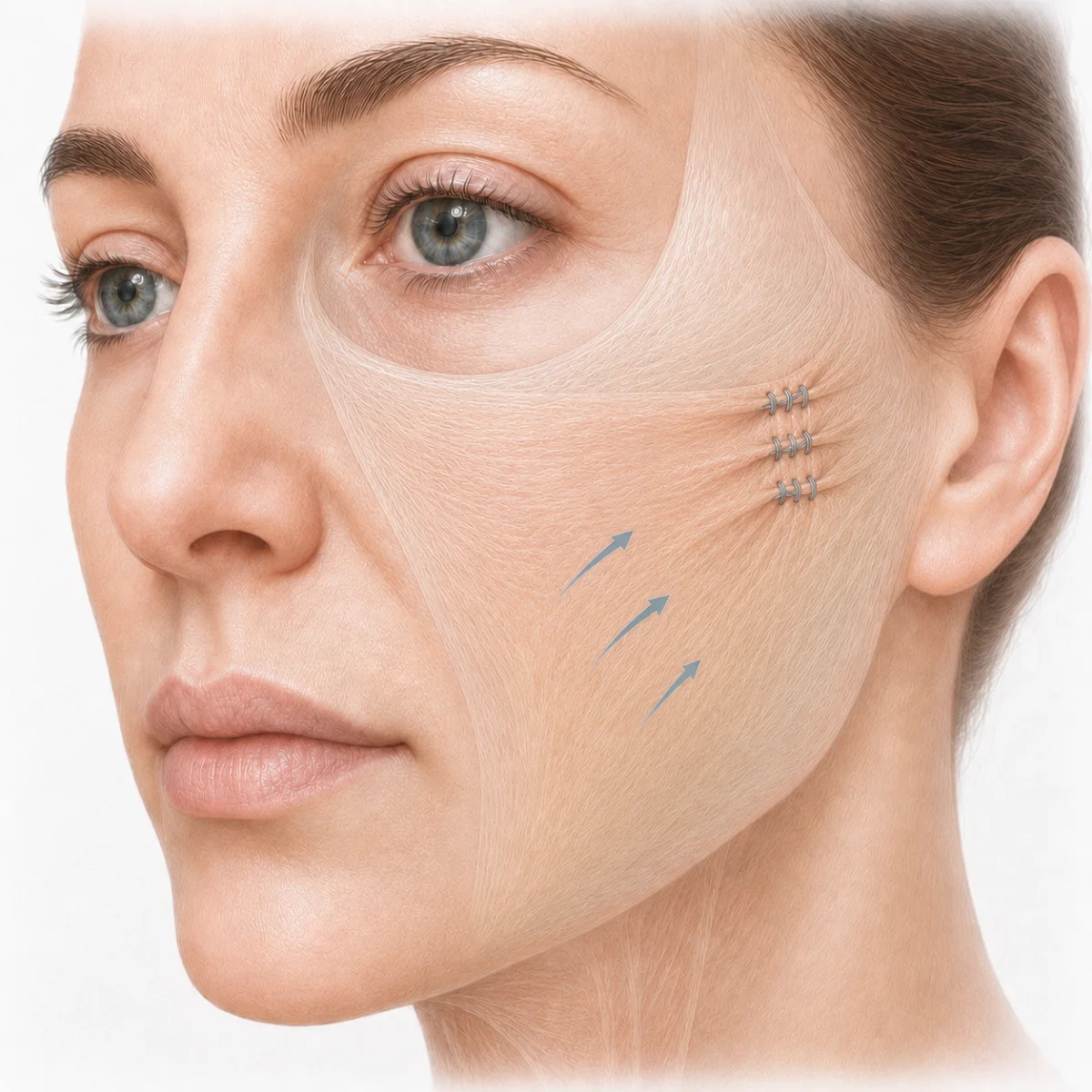
SMAS plication
The SMAS layer is sutured back into position without extensive deep dissection.
Benefits: Less swelling, faster recovery and lower risk to the facial nerve.
Suitable for: Mild to moderate laxity, particularly of the cheek and jawline.
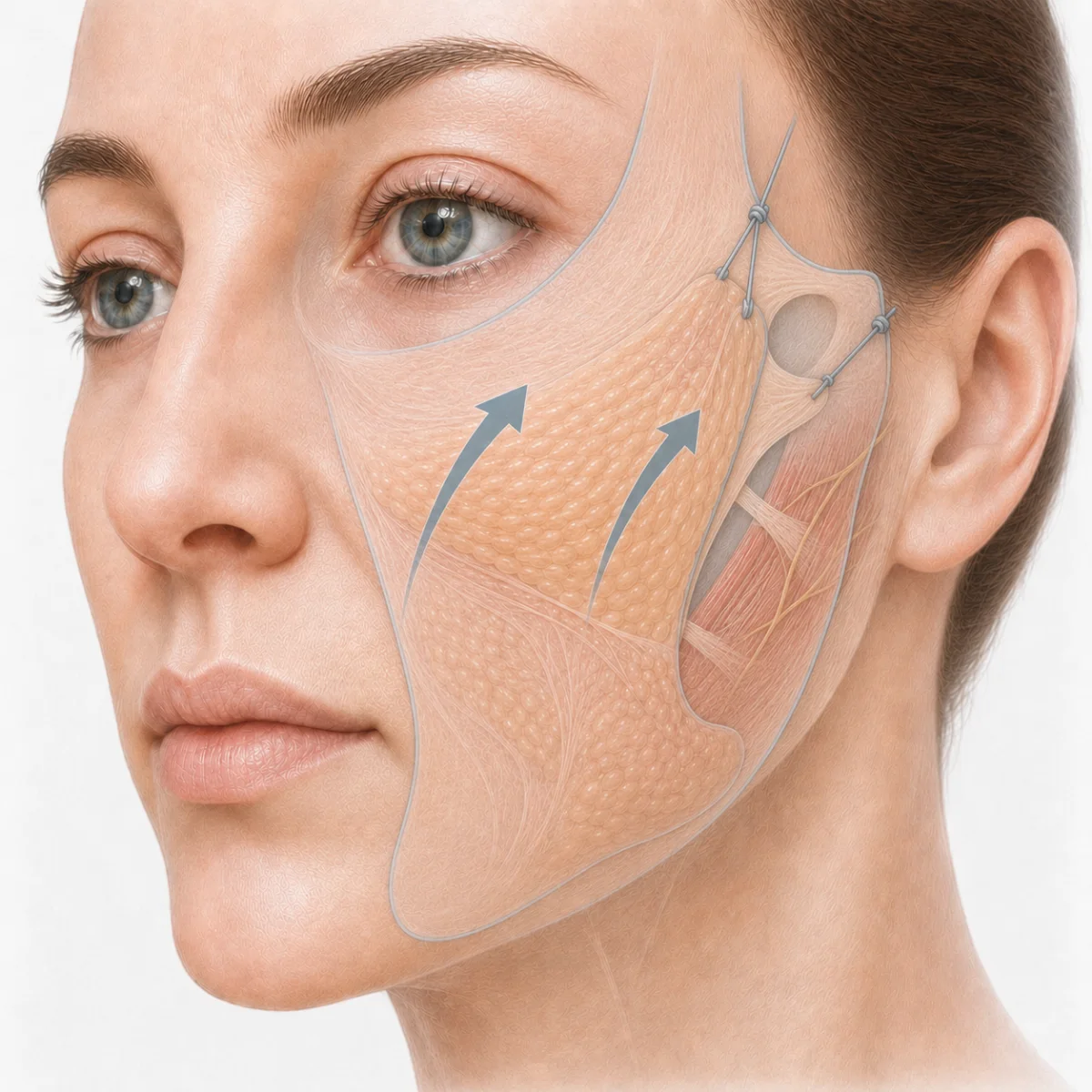
Deep plane
The SMAS and cheek fat are released and moved as one unit, rather than pulling skin and deep layer separately.
Benefits: Repositions the cheek further, and the result looks natural and lasts longer because the tension is not carried by the skin.
Suitable for: Clear laxity, deep nasolabial folds, or a descended midface.
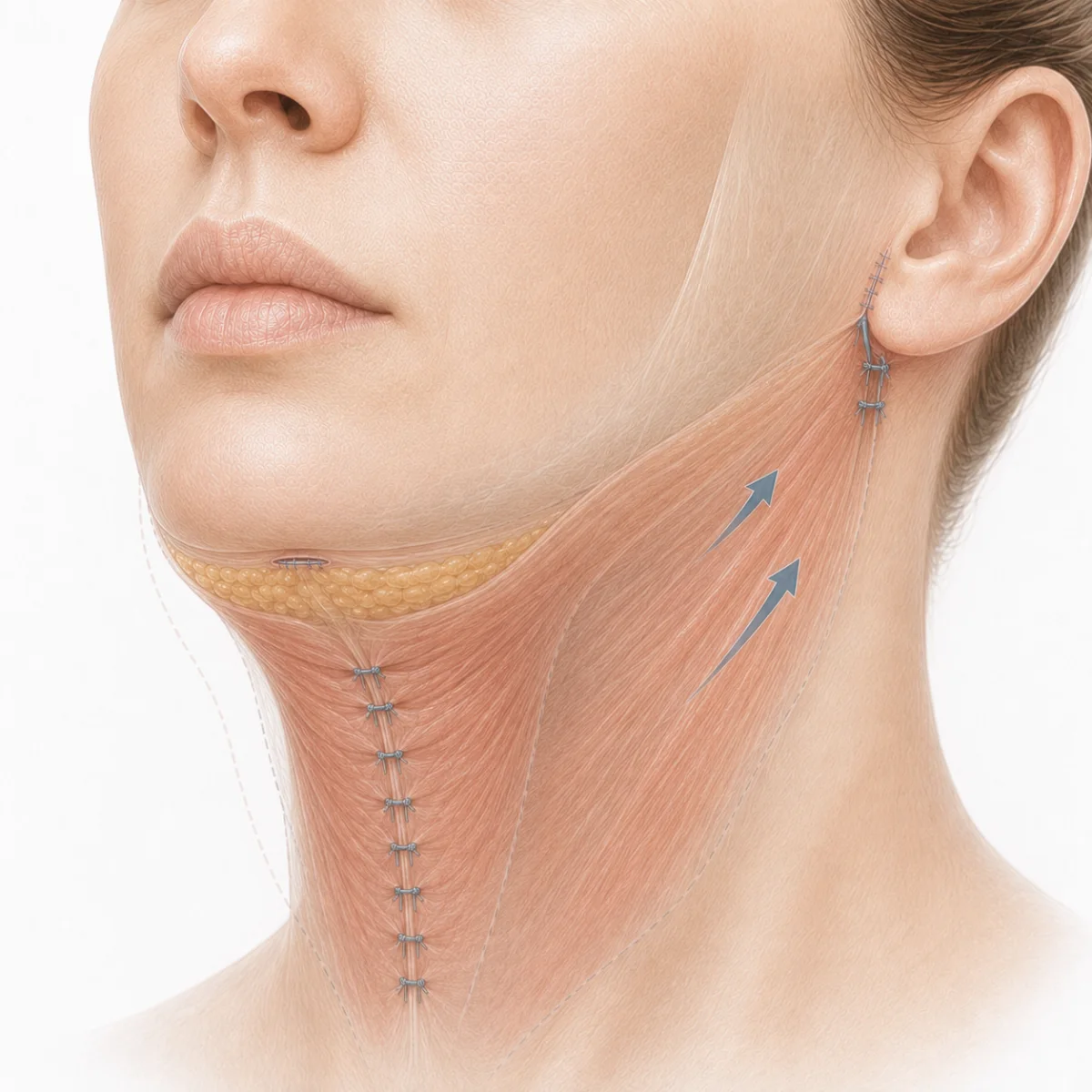
Neck component
The separated platysma muscle is tightened and submental fat addressed, through a small incision under the chin alongside the incisions behind the ear.
Benefits: Corrects neck banding and an indistinct chin-neck angle, which a face-only lift cannot reach.
Suitable for: Visible neck bands, or a poorly defined angle between chin and neck.
04 · Your team
Performed by board-certified plastic surgeons
This procedure is performed by the clinic's plastic surgeons at an accredited partner private hospital (JCI / AACI).

Dr. Phattrapohn Liangcheep
Plastic and Reconstructive Surgery
Diploma of the Thai Board of Plastic and Reconstructive Surgery
View full profile
Dr. Thanachot Kamolveerat
Plastic and Reconstructive Surgery
Diploma of the Thai Board of Plastic and Reconstructive Surgery
View full profile05 · Safety
Operating room standards and monitoring
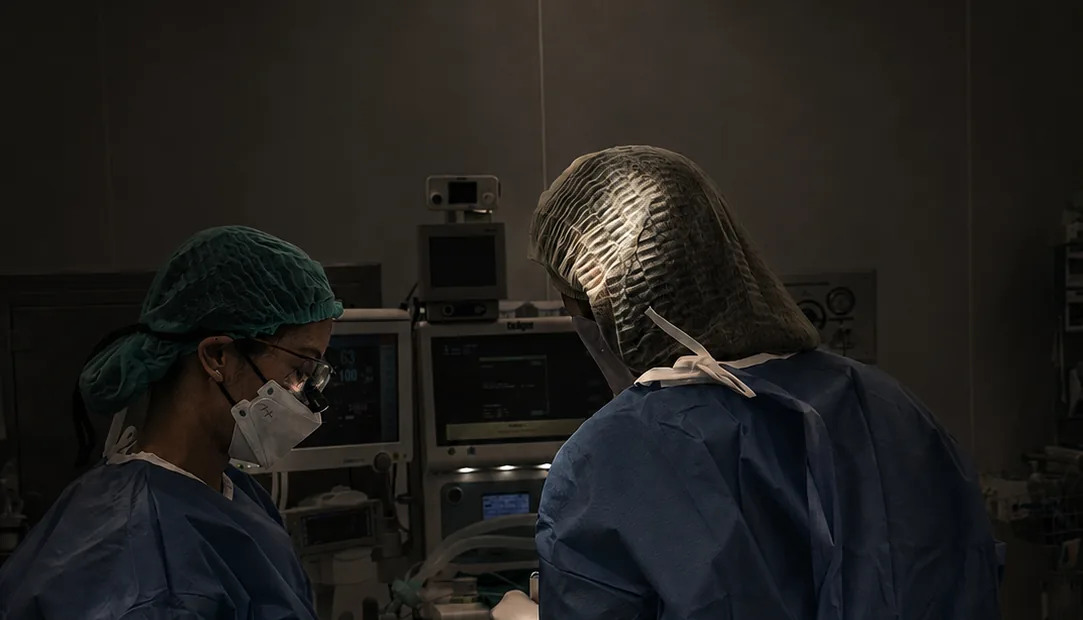
Surgery is performed in the operating room of a JCI- or AACI-accredited partner private hospital, with anesthesia care and continuous monitoring throughout.
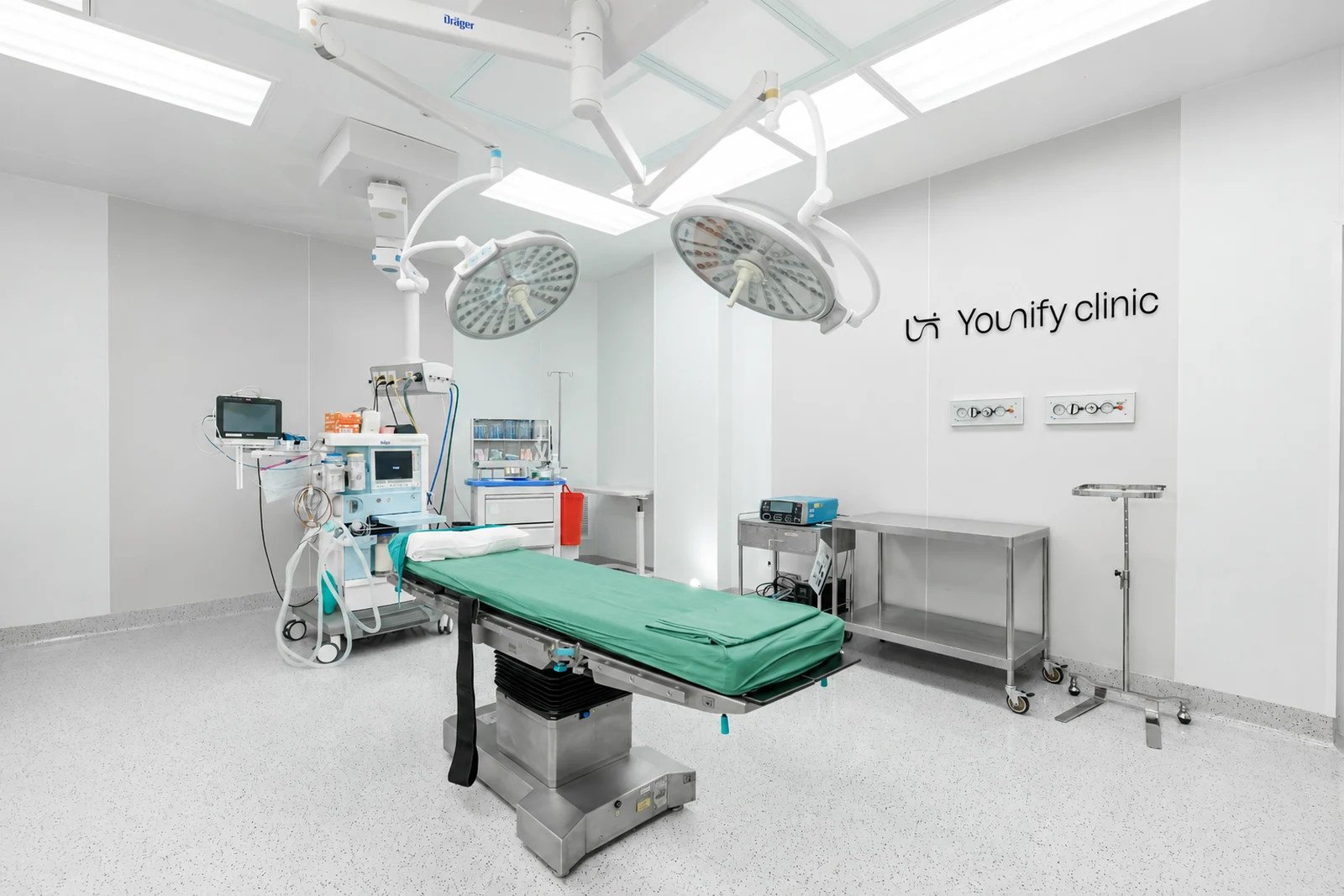
JCI- or AACI-accredited partner private hospital
Procedures are performed in a registered operating room, not a treatment room.
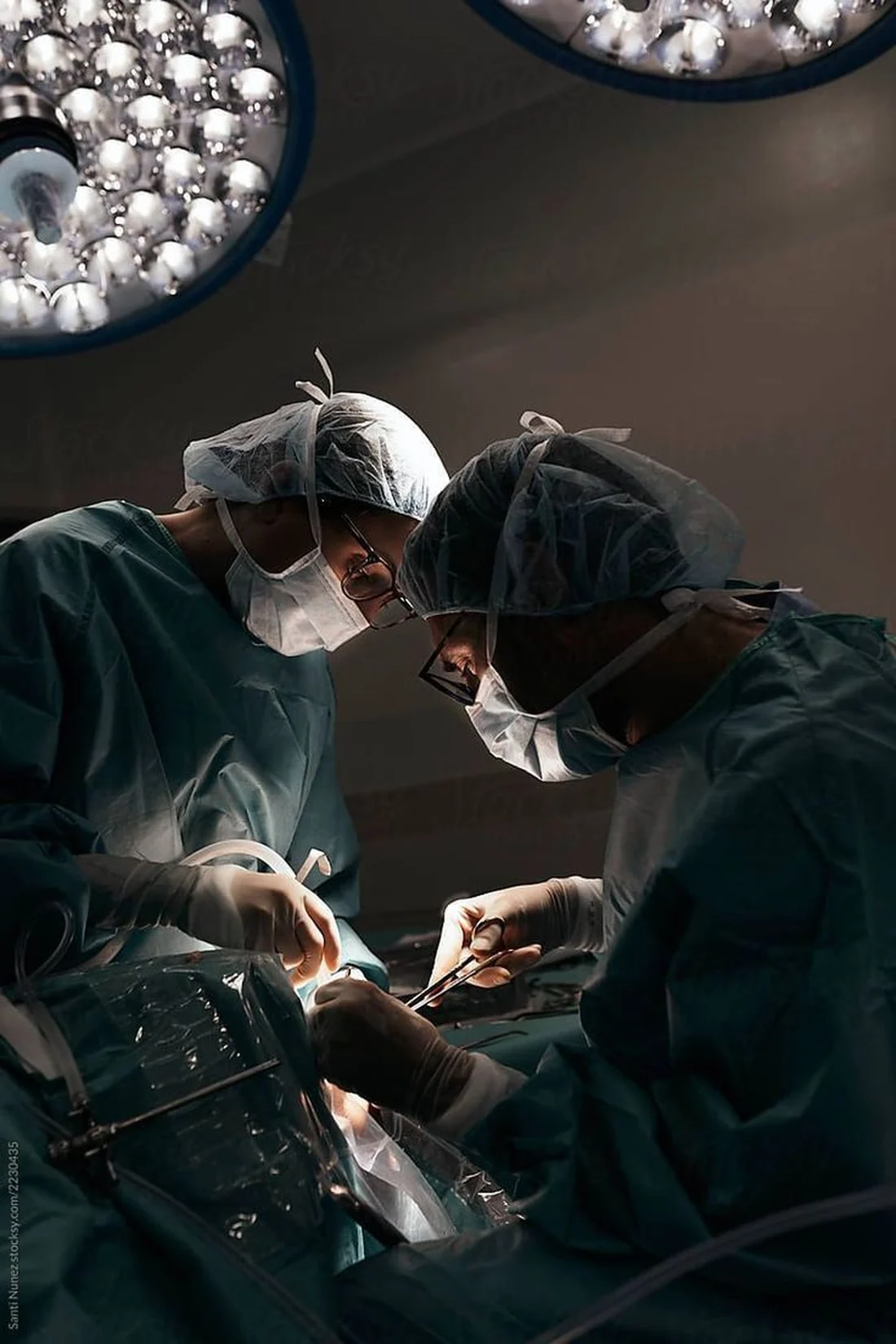
Specialist anaesthesia care
Anaesthesia is administered and monitored by a qualified anaesthesiologist for the duration of surgery.
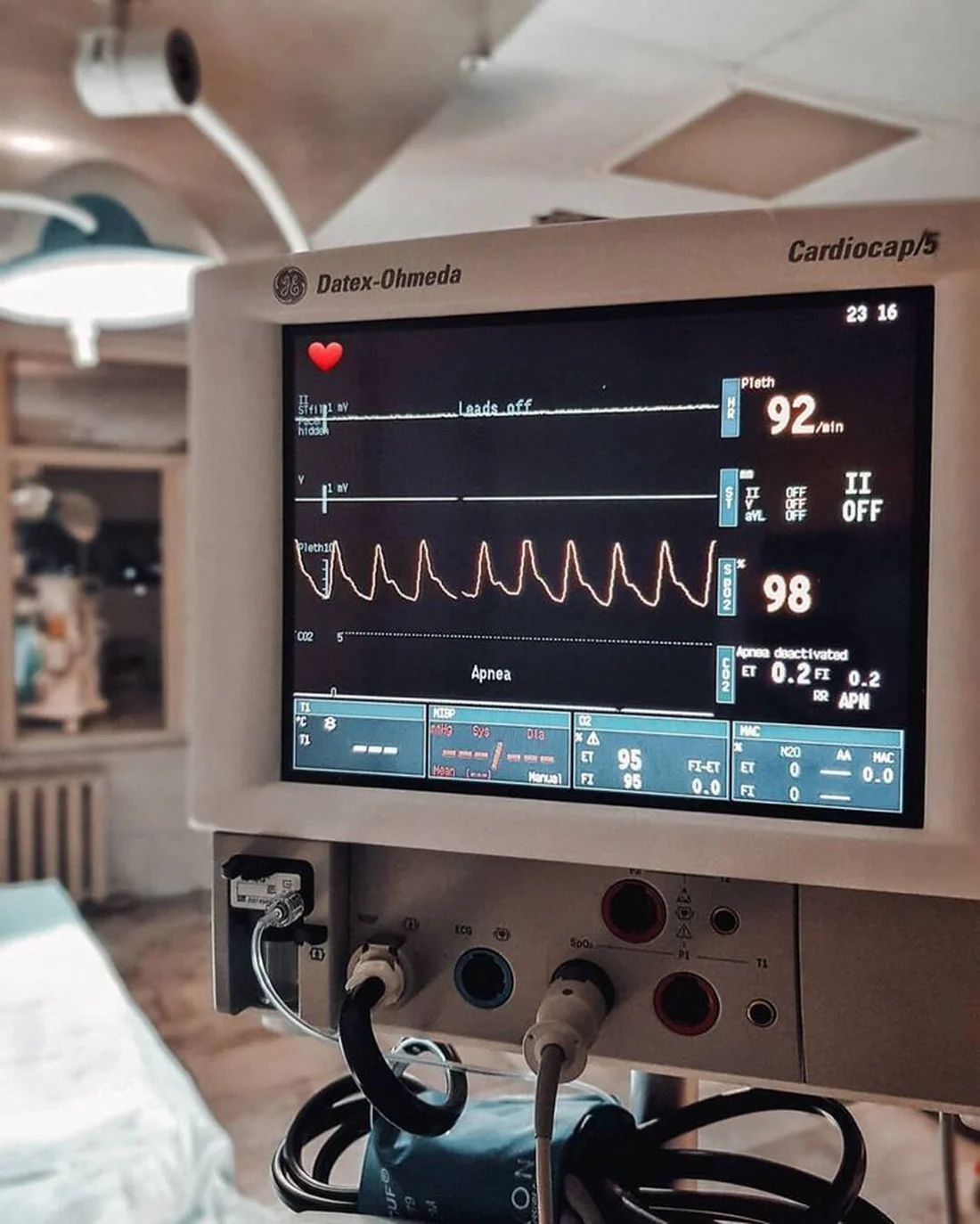
Continuous monitoring
Vital signs are monitored continuously during the procedure and through initial recovery.
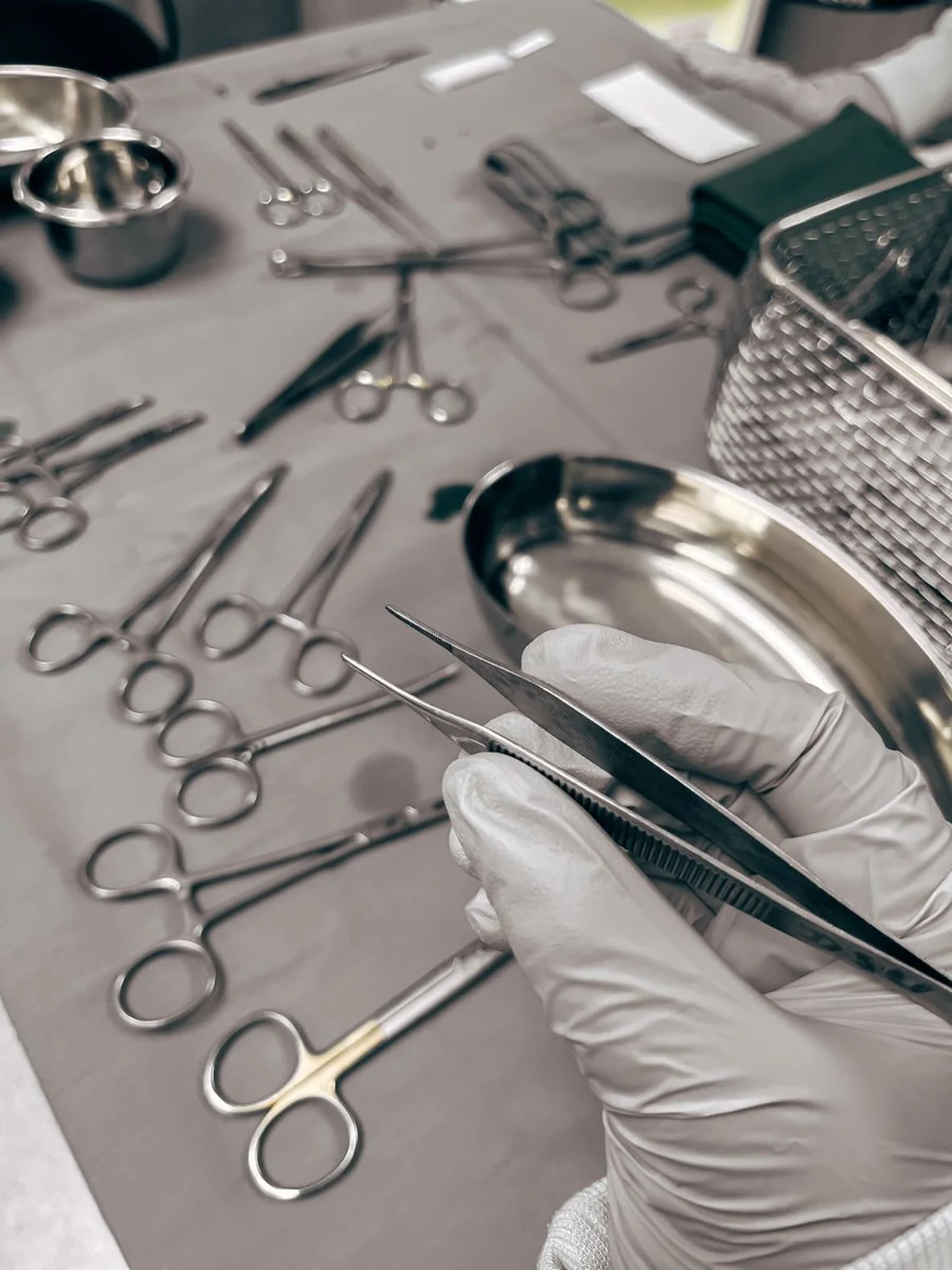
Sterile instrument protocol
Instruments and implants are handled under a documented sterile protocol.
The treatment process
Consult & assess laxity
Evaluate skin laxity, fat volume, and facial structure, and set goals together.
Plan level & vectors
Choose the level of lift and design vectors that suit your face.
Prepare for anesthesia
Health checks to confirm that you are fit for general anesthesia and surgery.
Surgery day
Performed in a standard operating theatre with one night in hospital.
Aftercare
A swelling-and-bruising program, wound care, and recovery guidance.
Follow-up
Suture removal and reviews as the contour settles.
Recovery timeline
Your surgery at YOUNIFY
From the surgeon who operates to the nurses who follow up, and a private suite to recover in.
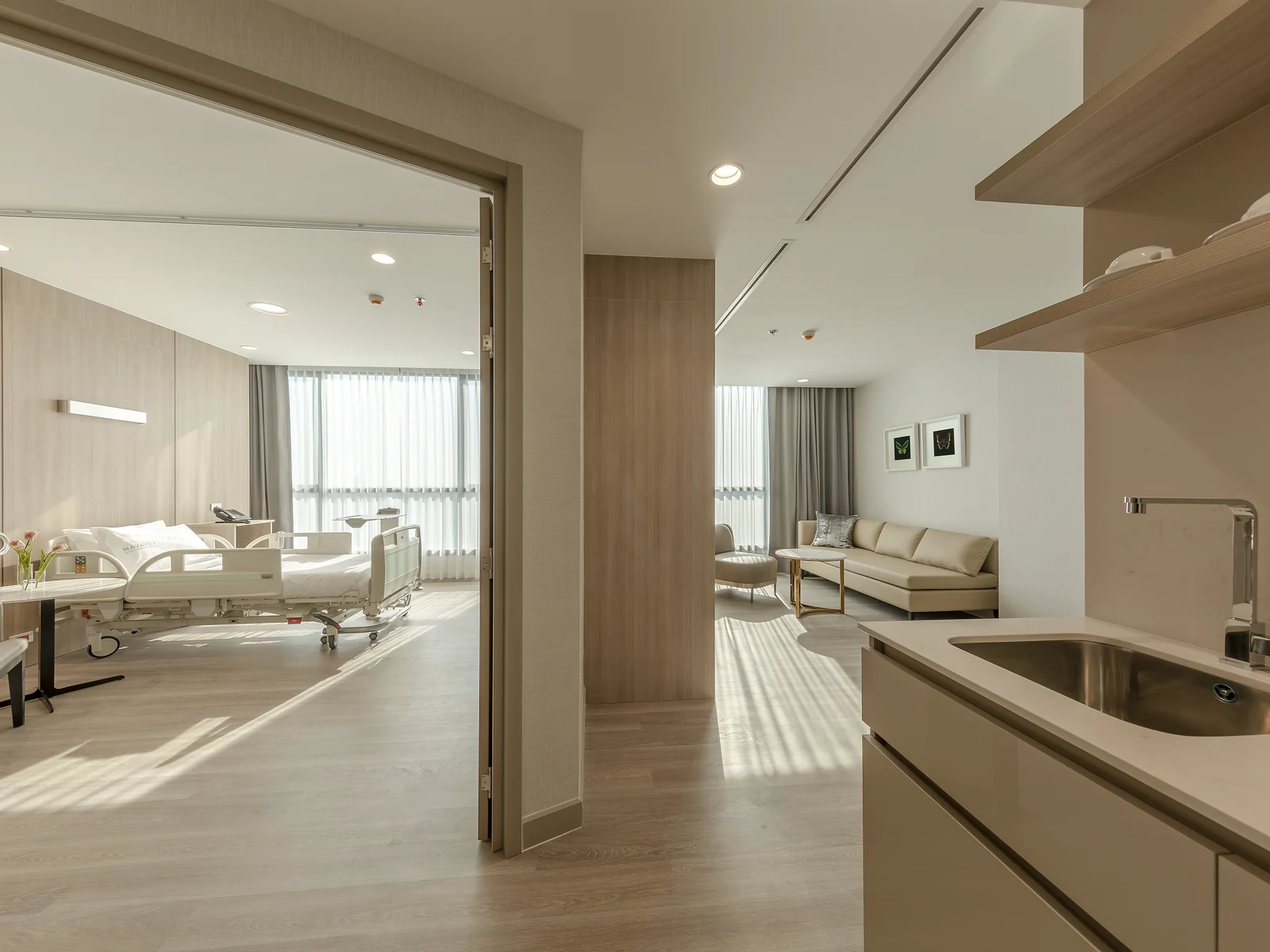
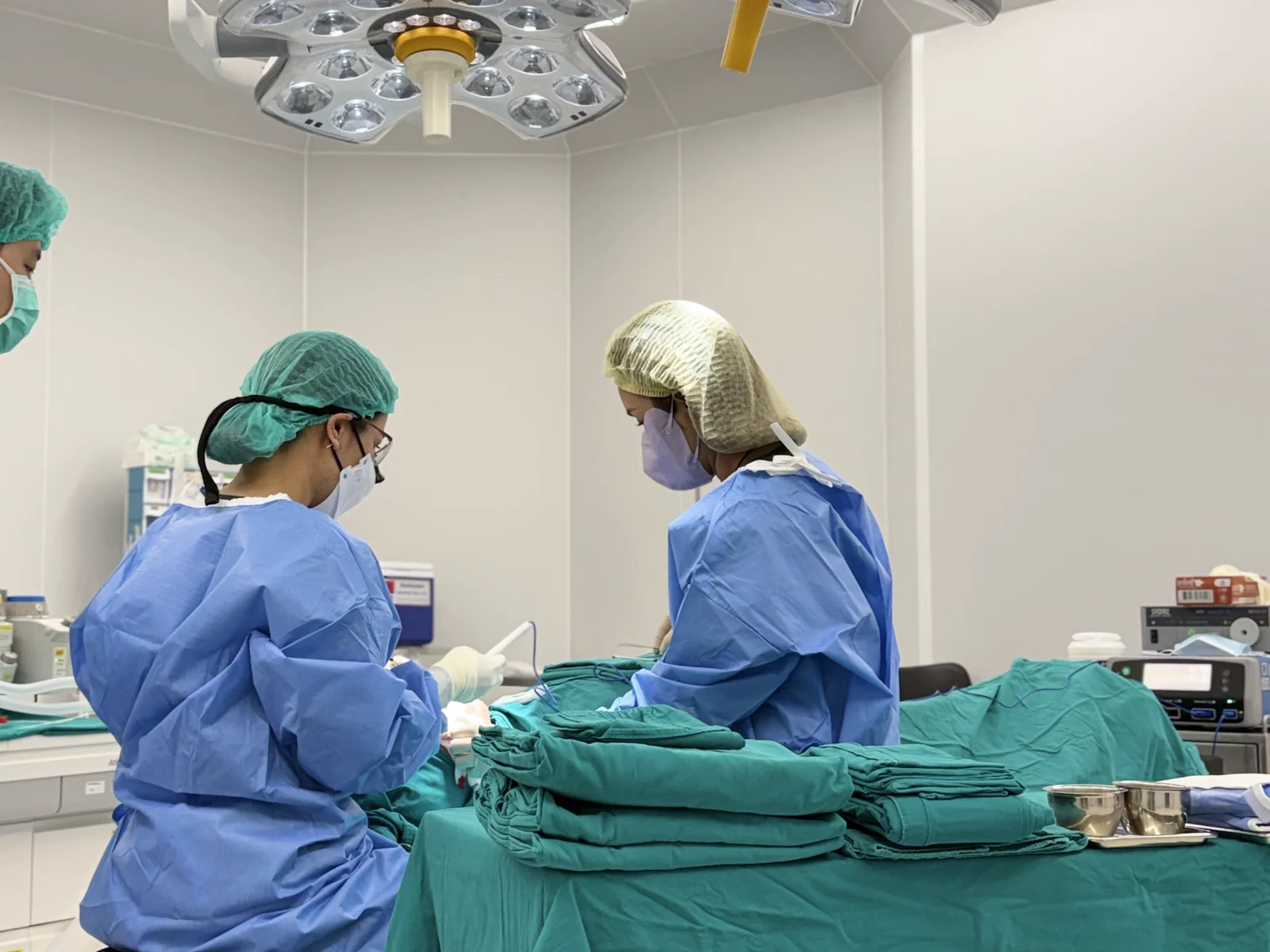

Sources
- American Society of Plastic Surgeons: Facelift Surgery
- NHS: Facelift (rhytidectomy)
- Jacono AA, Alemi AS, Russell JL. A Meta-Analysis of Complication Rates Among Different SMAS Facelift Techniques. Aesthetic Surgery Journal, 2019
- Comparing the Safety and Efficacy of Superficial Musculoaponeurotic System and Deep Plane Facelift Techniques: A Systematic Review and Meta-analysis (2025)
Frequently asked questions
How long do results last?
SMAS lifting delivers long-lasting results over many years, though skin continues to age naturally.
Will scars be visible?
Incisions are hidden along the hairline and behind the ears and become hard to notice once healed.
How is it different from threads or HIFU?
A surgical lift addresses significant laxity precisely and lasts longer; non-surgical options suit early laxity.
Is recovery painful?
Tightness and swelling are expected at first and controlled with prescribed medication, improving within 1–2 weeks.
After major weight loss, should I have my face or my body done first?
There is no single rule. The order depends on which change affects you most, on your general health, and on how much anesthesia each stage needs. Face and body are usually planned as separate stages, and a face and neck lift, being a smaller operation than most body lifts, is sometimes done first. In either order, your weight should be stable first, because further weight loss changes the face as well as the body. Your surgeon sets out a staged plan at consultation, and each stage is reassessed before it is scheduled.
How long should I plan to stay in Bangkok after a face and neck lift?
After major or combined surgery, most international patients plan to stay in Bangkok for about 10 to 14 days for wound checks and suture removal. Your surgeon reviews you before clearing you to fly, so please book a flexible ticket.
Do I need a neck lift, or is neck liposuction enough?
It depends on whether the problem is fat, loose skin, or the neck muscle. If the skin is still firm and the concern is fullness under the chin, Neck Liposuction, starting from THB 59,000 per area, may be enough. Where the skin has loosened or vertical bands have appeared, a Neck Lift, starting from THB 188,000, tightens the platysma muscle, removes excess skin, and often includes liposuction under the chin in the same operation.
Can eyelid surgery or fat transfer be done at the same time as a face and neck lift?
Facial fat transfer can be combined with a face and neck lift in suitable patients, to restore volume that a lift does not replace. Upper eyelid surgery is often better assessed once the lift has settled, as a separate session, because lifting the face and brow changes how much eyelid skin needs removing. Facial Fat Transfer starts from THB 50,000, and Upper Blepharoplasty from THB 50,000. Your surgeon confirms which combination suits you.
Is there a right age for a face and neck lift?
There is no set age. The decision depends on the degree of skin and tissue laxity, your general health, and what you would like to change, rather than on the number. Patients who have lost weight quickly sometimes notice laxity earlier than they expected. Your surgeon assesses whether a lift, a smaller procedure, or a non-surgical option suits you better.
How much does a face and neck lift cost in Thailand?
At YOUNIFY Clinic a face and neck lift starts from THB 219,000, and a midface and neck lift from THB 238,000. Your price is confirmed in a written quotation before any deposit.
What is the difference between a facelift and a face and neck lift?
A facelift lifts the cheeks and jowls. A face and neck lift also tightens the neck muscle and removes loose skin under the jaw, so the jawline and neck are treated as one line.
Is a face and neck lift deep plane or SMAS?
Our surgeons perform both deep plane and SMAS facelifts, and both start from the same price. Your surgeon explains which technique suits your face and why.
When can I go back to work?
Most people return to desk work after about 2 to 3 weeks, when bruising has settled. Your surgeon advises you at your review.
* This information is for general education. Results and treatment plans depend on an individual medical assessment.
Related procedures
Interested in a face & neck lift?
Book a consultation to assess skin laxity and plan a personalized treatment with the YOUNIFY Clinic team.
Medically reviewed by Dr. Noppachai Siranart · Last reviewed
Surgery is performed by the clinic's two board-certified plastic surgeons at JCI- or AACI-accredited partner private hospitals in Bangkok.
Individual results may vary. Please consult a doctor before treatment.