
Aesthetic Surgery
Scar Revision in Bangkok
An existing scar exchanged for one that is narrower, aligned with a natural crease and level with the skin.
Clinic open daily, 11:00 to 20:00 (Bangkok time) · Online enquiries answered 24 hours a day

Price list
| Procedure | Starting Thailand price (฿) | Starting Thailand price (AUD) | Standard Australia price (AUD) |
|---|---|---|---|
| Surgical revision | |||
| Scar Excision with Layered Closure | THB 8,000 | A$348 | A$3,088 |
| Z-plasty / Scar Reorientation (price depends on size) | THB 15,000 | A$652 | — |
| Non-surgical adjuncts | |||
| Non-Surgical Scar Adjuncts (injection, per area) | THB 750 | A$33 | — |
* Indicative prices for reference only. Some items are priced per area. Final pricing depends on an individual assessment. Overseas prices are indicative market estimates for comparison only. Contact our team for a personalized quote.
Your final quote follows an individual medical assessment. You receive a written quotation before any deposit.
Care you can measure
Figures from the YOUNIFY surgical program.
01 · Assessment
Assess the scar type before choosing an approach
Not every scar should be surgically revised.
Your surgeon assesses scar type, age, direction relative to skin tension lines, and your personal history of hypertrophic or keloid scarring.
In some cases non-surgical care gives a better result at lower risk. If further surgery is not the best option for you, we will say so directly.
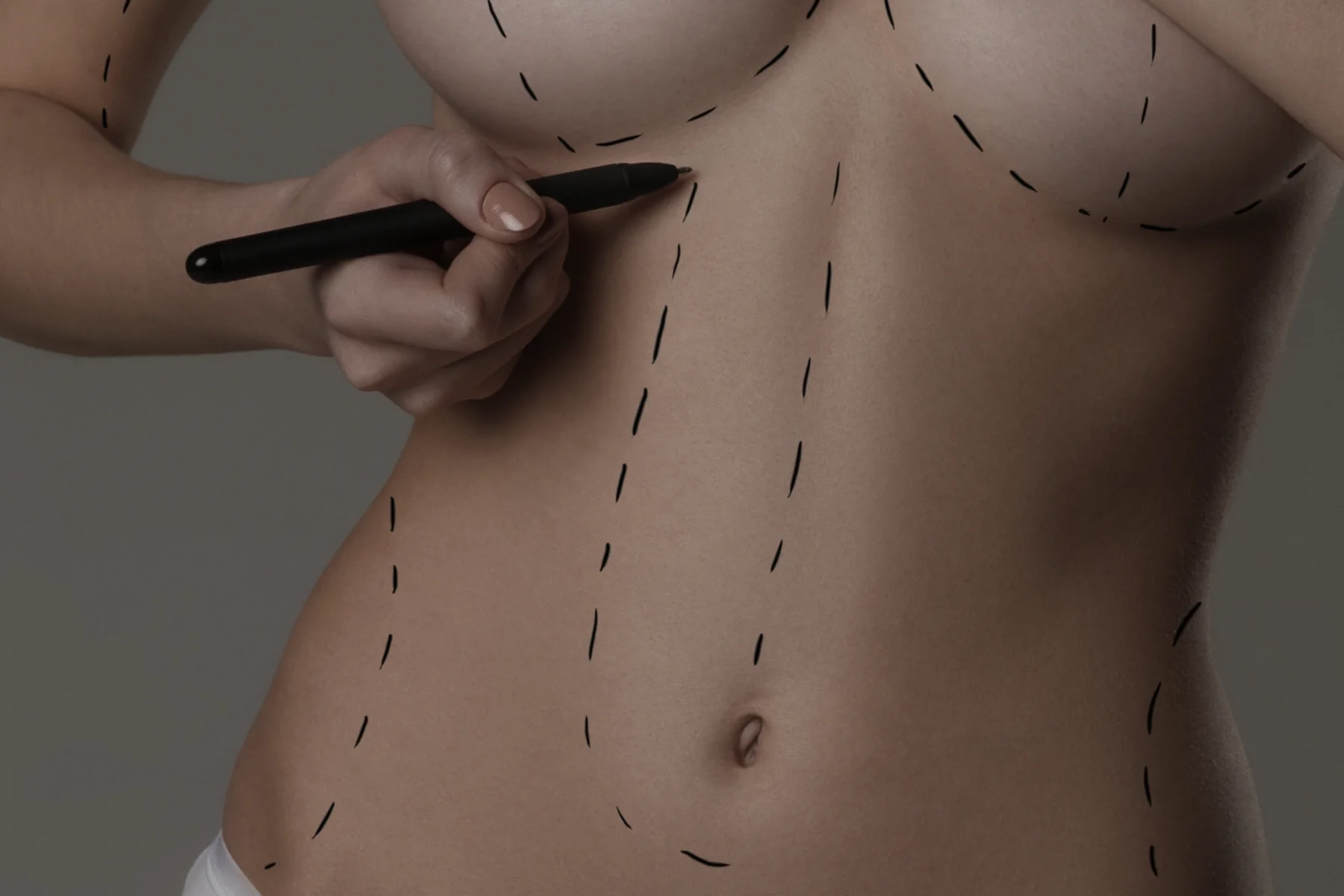
Pre-procedure assessment is a planning aid. It illustrates an expected direction, not a guaranteed outcome.
What this procedure is
Scar revision does not erase a scar. It exchanges the existing scar for a new one that sits better: narrower, aligned with a natural skin crease, and level with the surrounding skin.
Your surgeon assesses the type of scar, its age, its direction relative to skin tension lines, and your personal history of raised scarring. Some scars respond better to injection or non-surgical care than to further surgery.
Concerns it addresses
Hypertrophic scar
Raised but still within the boundary of the original wound; often red and itchy early on.
Keloid scar
Extends beyond the original wound, tends to recur, and needs planning alongside other treatment.
Contracture
A scar that has tightened enough to restrict movement, common after burns or over a joint.
Wide or misaligned scar
A scar from injury or previous surgery that is wide or runs across the skin lines.
Excision With Layered Closure vs Z-plasty
Scar revision does not remove a scar. It replaces the existing scar with a new one that sits better.
| Excision with layered closure | Z-plasty | |
|---|---|---|
| Which scars it suits | Wide or raised scars that already lie along a natural crease | Contracted scars, or scars that cross a natural crease |
| Primary goal | A narrower new scar, level with the surrounding skin | Releases contracture and makes the scar less noticeable by realigning it |
| Method | The old scar is excised and closed in layers so the deeper layer carries the tension | The scar is reoriented to follow the natural crease lines |
| Effect on movement | — | Reduces the restriction of movement caused by a contracted scar |
How we plan your result
A scar cannot be removed. The goal is to make it less noticeable by changing its direction, width and level. The outcome depends heavily on the scar type and on how your own skin heals.
Who is it for
- People with a wide, raised or misaligned scar that they find noticeable
- People with a contracture that interferes with movement
- People whose scar has matured, generally at least 6–12 months after the injury
- People who understand the goal is a less noticeable scar, not no scar
03 · Technique
Excise and re-close or change its direction
How the scar sits relative to the skin's tension lines matters more than how long it is.
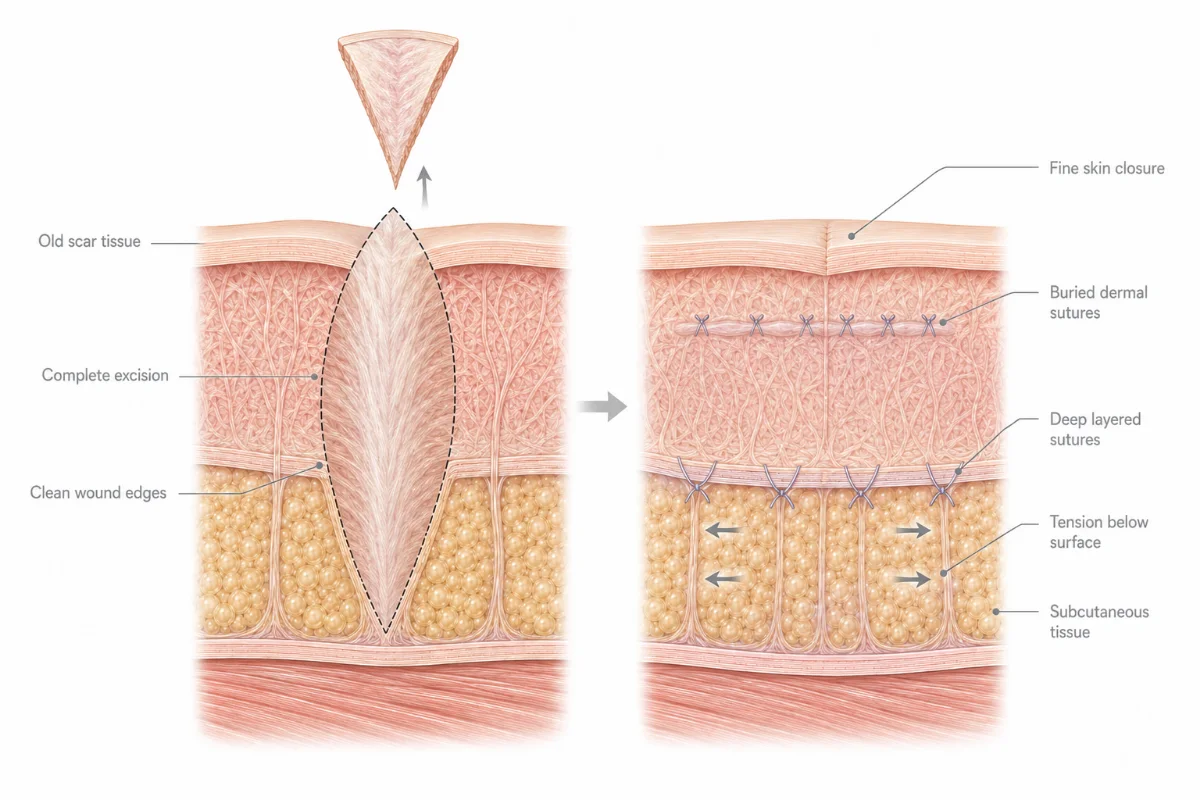
Excision with layered closure
The old scar tissue is removed entirely and the wound closed in layers so tension is carried below the surface.
Benefits: Produces a narrower new scar level with the surrounding skin, because the deep layer takes the load.
Suitable for: A wide or raised scar that already runs along a natural crease.
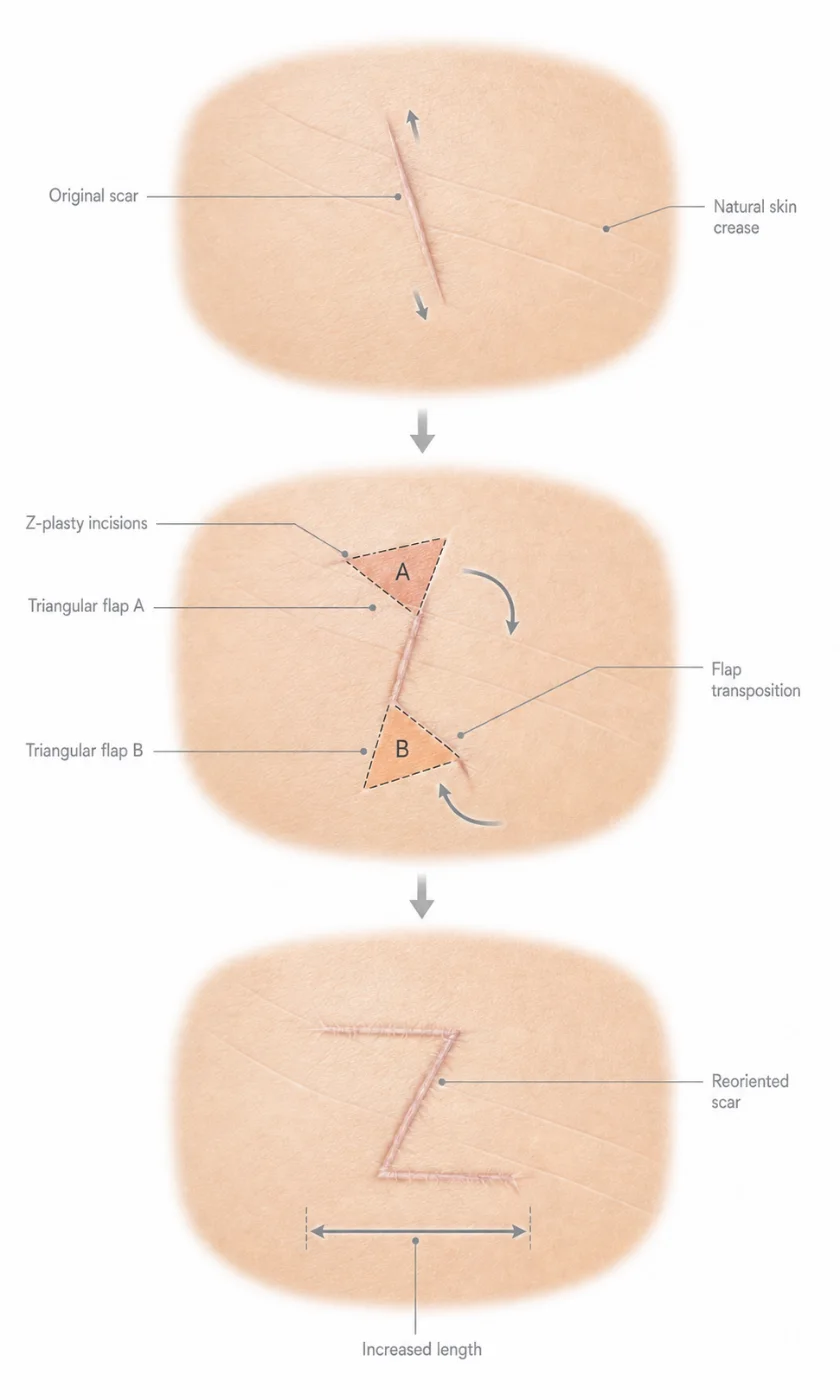
Z-plasty / reorientation
Two triangular flaps are transposed to break the scar line onto a natural crease and lengthen it.
Benefits: Releases the tightness limiting movement and makes the scar less noticeable by taking it off the cross-grain.
Suitable for: A contracture, or a scar running across the natural skin lines.
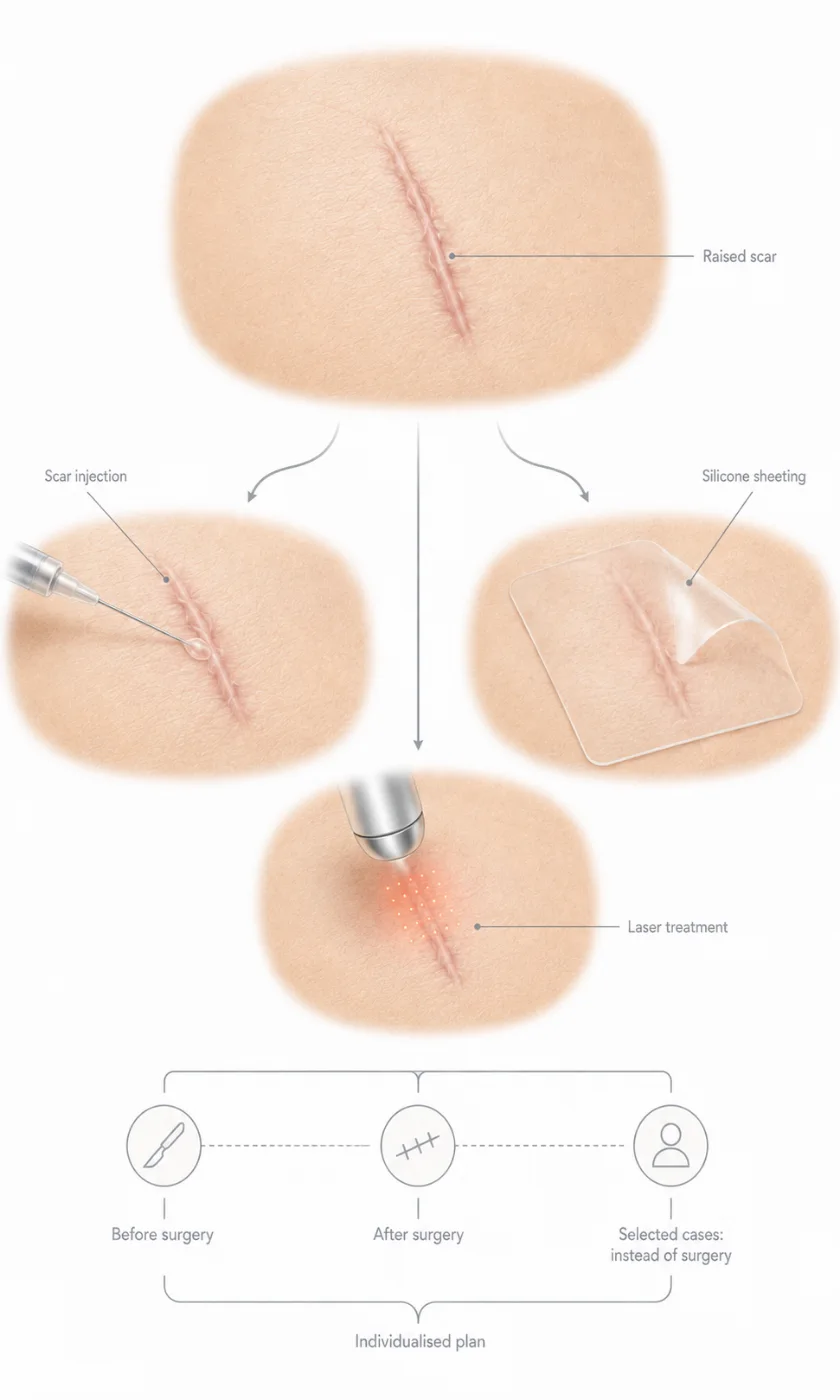
Non-surgical adjuncts
Injection, silicone sheeting or laser used before and after surgery, or instead of it in selected cases.
Benefits: Reduces the chance of the new scar becoming raised again, which matters most in people prone to keloid.
Suitable for: Hypertrophic or keloid scars, and anyone for whom further surgery carries more risk than benefit.
04 · Your team
Performed by board-certified plastic surgeons
This procedure is performed by the clinic's plastic surgeons at an accredited partner private hospital (JCI / AACI).

Dr. Phattrapohn Liangcheep
Plastic and Reconstructive Surgery
Diploma of the Thai Board of Plastic and Reconstructive Surgery
View full profile
Dr. Thanachot Kamolveerat
Plastic and Reconstructive Surgery
Diploma of the Thai Board of Plastic and Reconstructive Surgery
View full profile05 · Safety
Operating room standards and monitoring
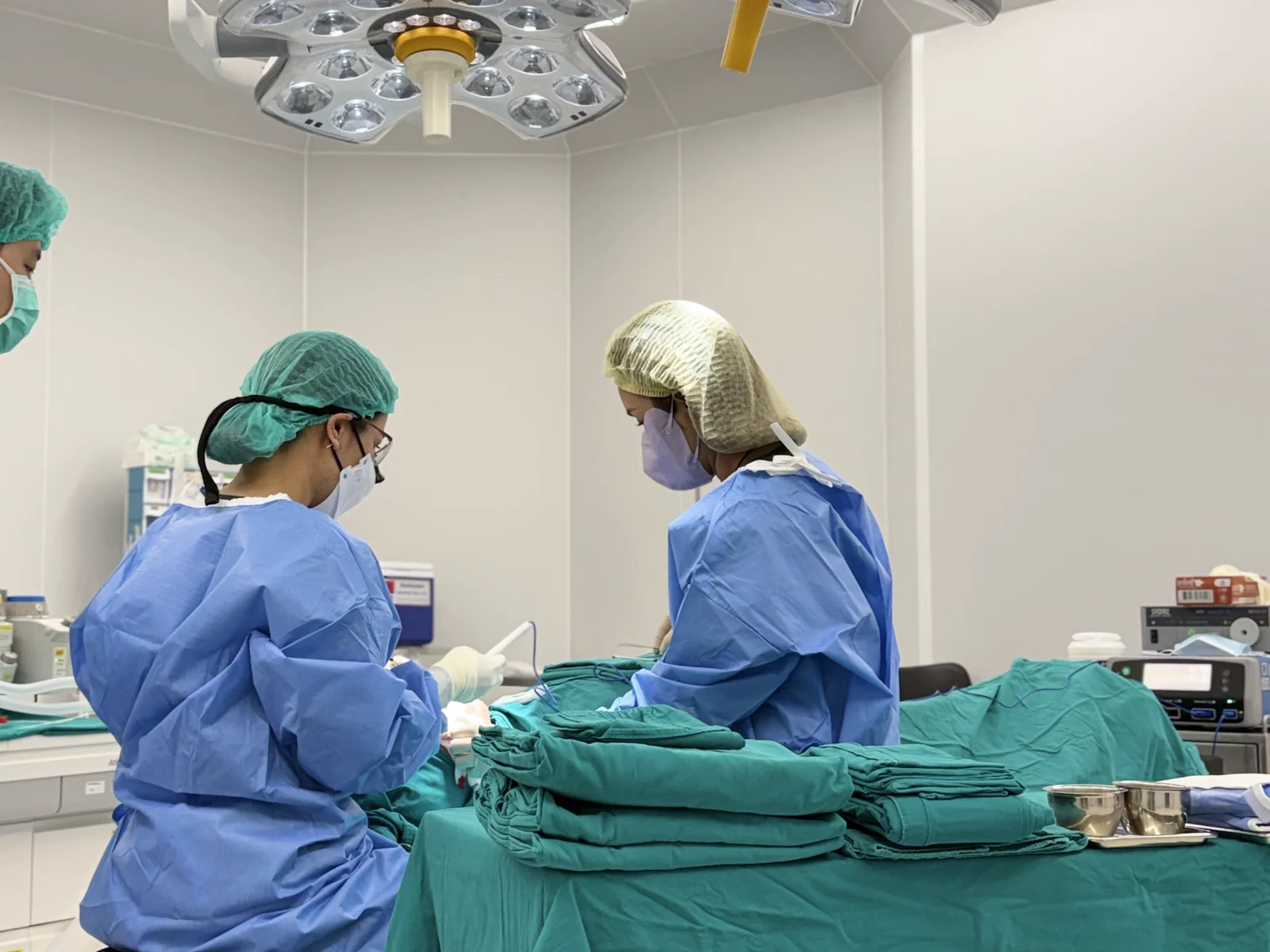
Surgery is performed in the operating room of a JCI- or AACI-accredited partner private hospital, with anesthesia care and continuous monitoring throughout.
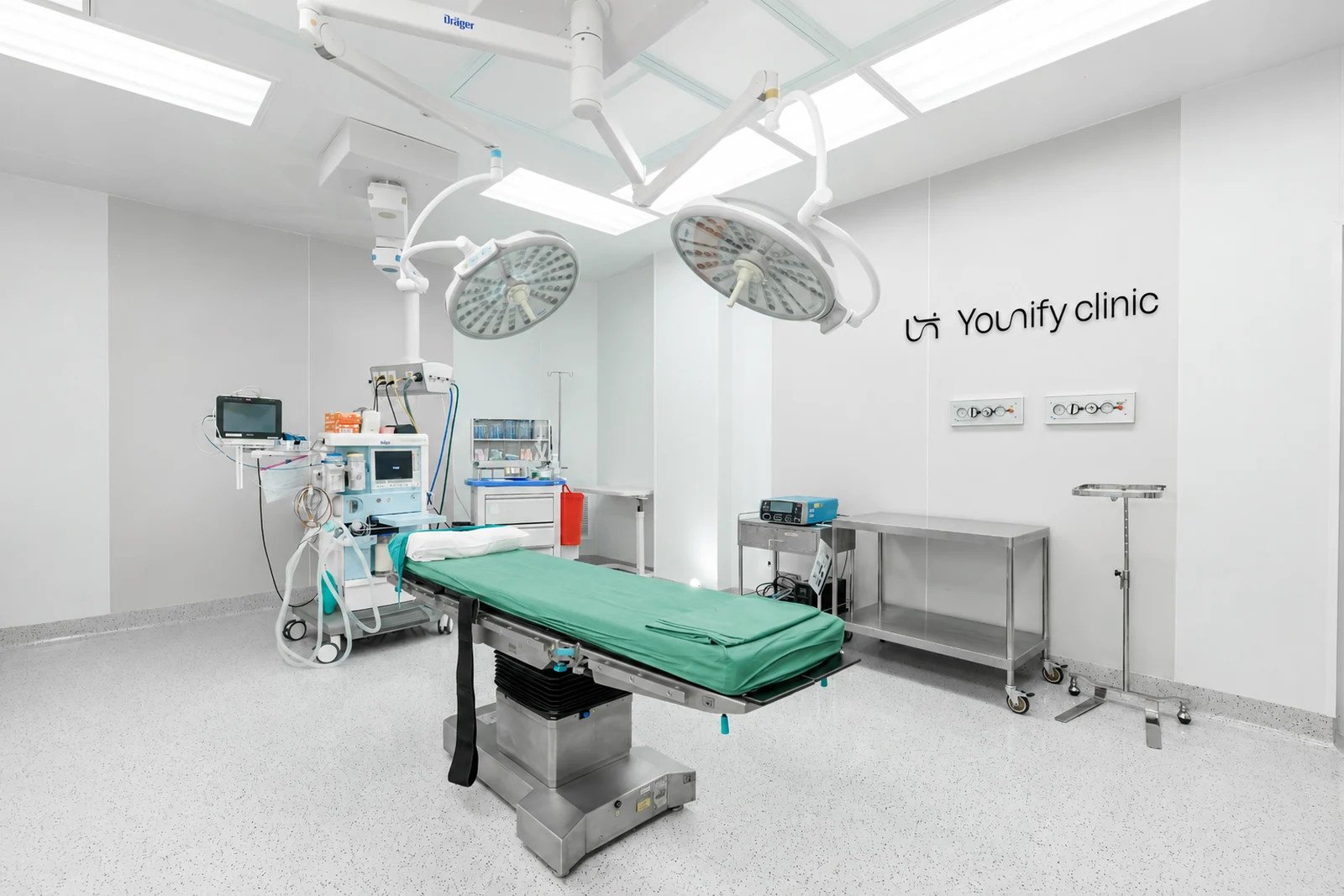
JCI- or AACI-accredited partner private hospital
Procedures are performed in a registered operating room, not a treatment room.
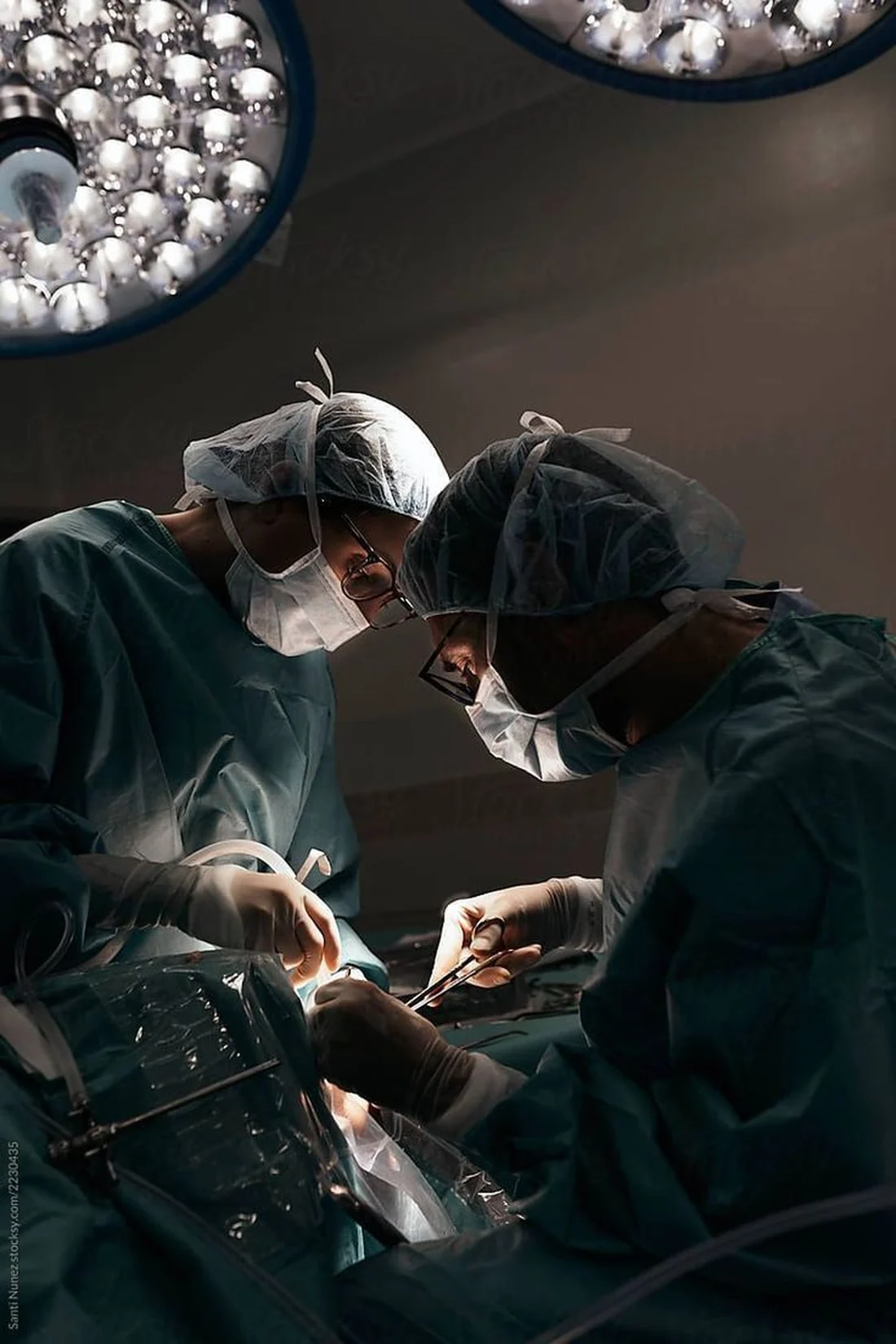
Specialist anaesthesia care
Anaesthesia is administered and monitored by a qualified anaesthesiologist for the duration of surgery.
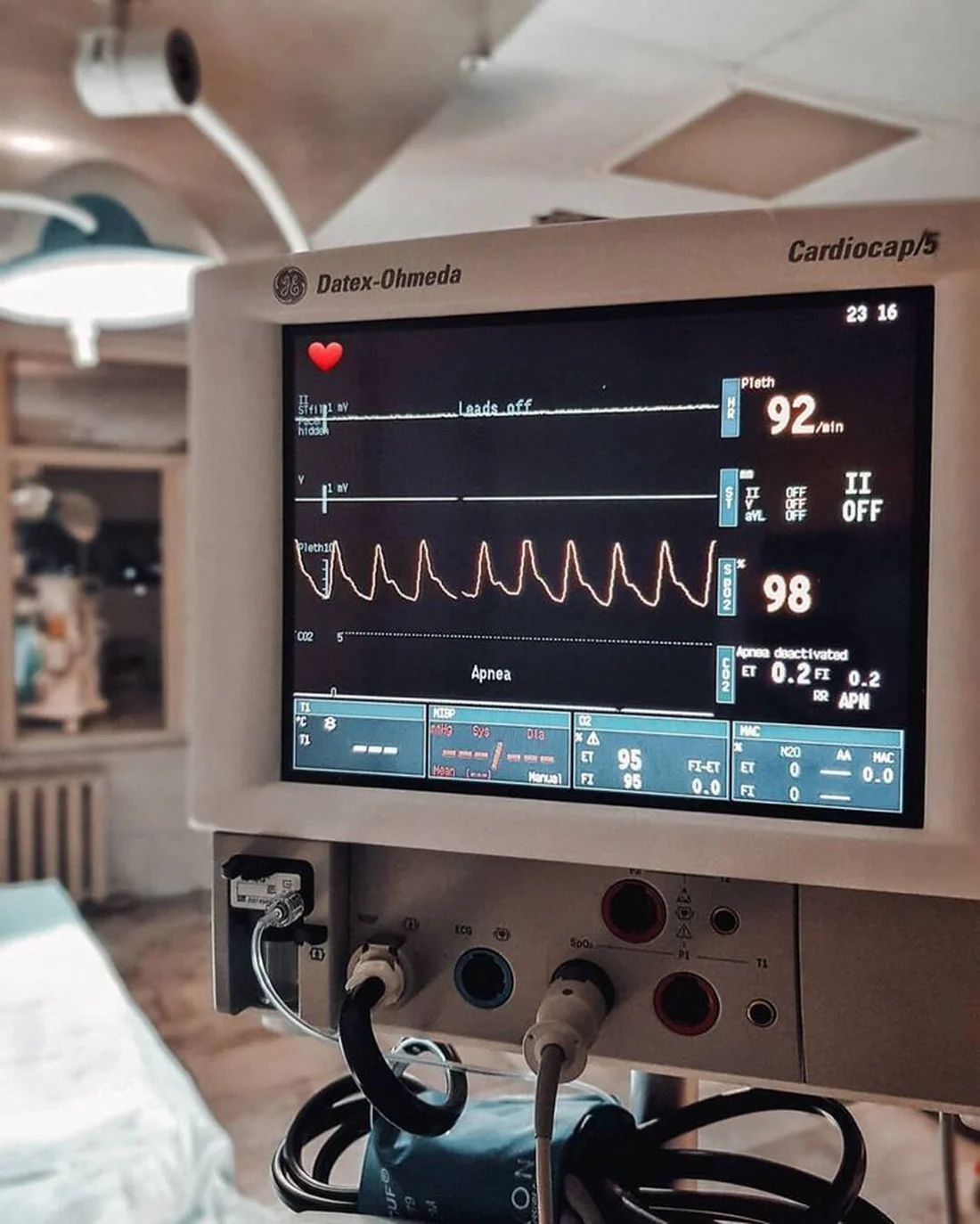
Continuous monitoring
Vital signs are monitored continuously during the procedure and through initial recovery.
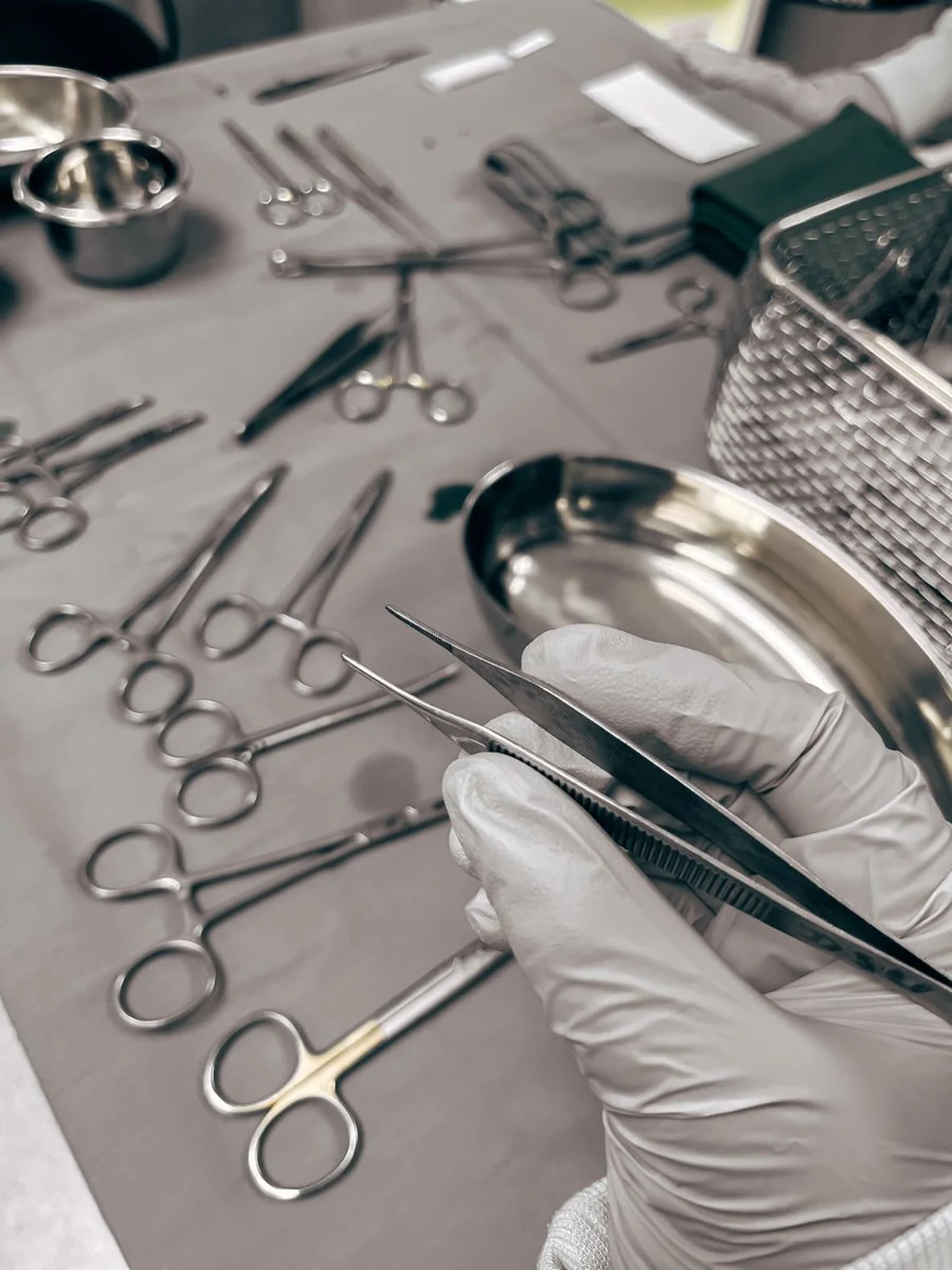
Sterile instrument protocol
Instruments and implants are handled under a documented sterile protocol.
The treatment process
Consultation & scar assessment
Type, age and direction of the scar are assessed alongside your history of raised scarring.
Approach selection
Surgery, non-surgical care or a combination is decided, with a realistic account of the expected result.
Preparation
Skin preparation guidance and, where appropriate, advice on pausing certain medications.
Day of procedure
Excision and layered closure, or reorientation, as planned.
Long-term scar care
Silicone sheeting, sun protection and continued care: these materially affect the result.
Follow-up
Reviews across 6–12 months, with adjunct treatment considered if needed.
Recovery timeline
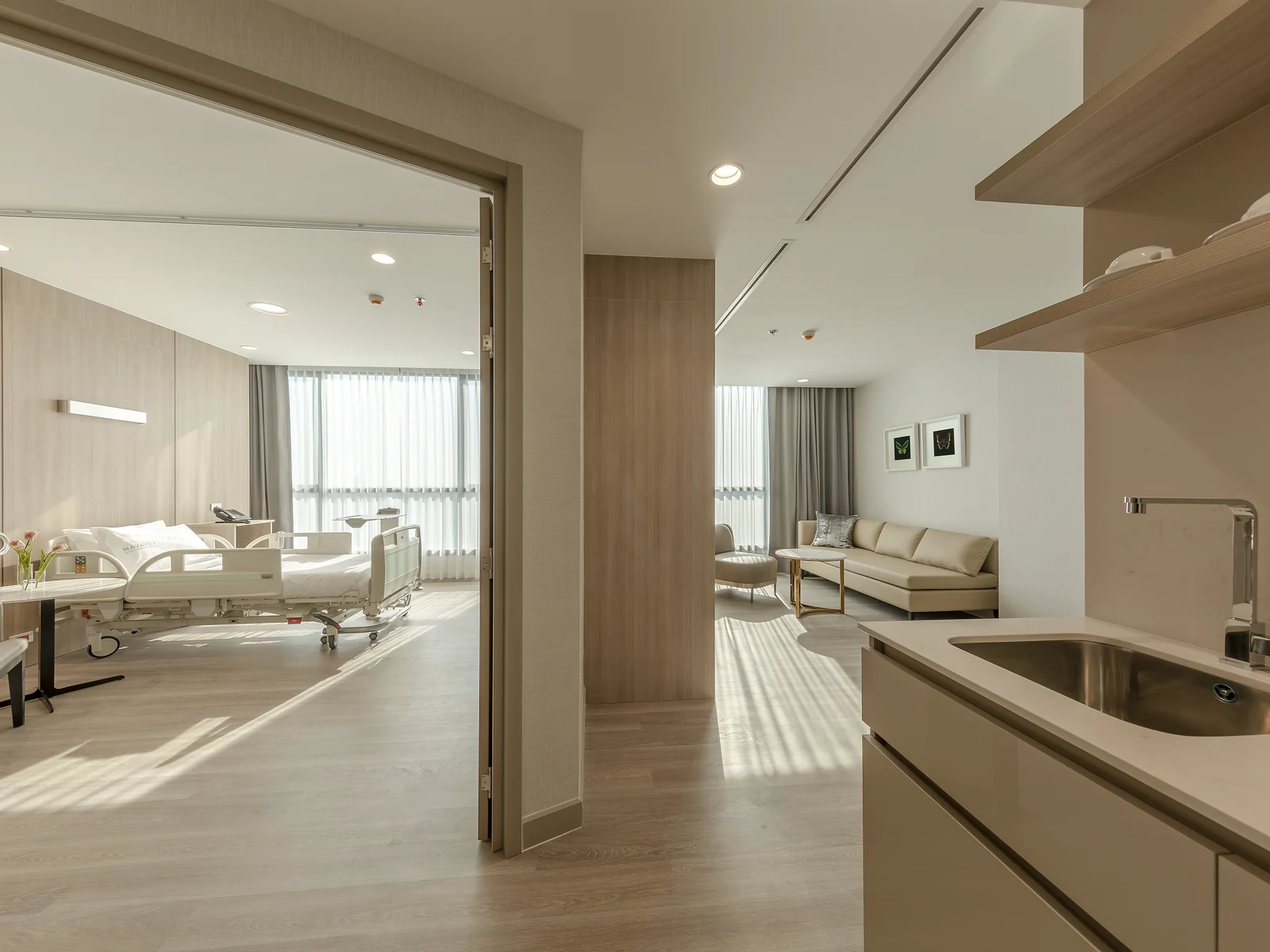
Your surgery at YOUNIFY
From the surgeon who operates to the nurses who follow up, and a private suite to recover in.

Frequently asked questions
Will the scar disappear completely?
No. Revision exchanges the existing scar for a narrower, better-positioned one. The goal is to make it less noticeable.
How long should I wait before revision?
Generally at least 6–12 months for the scar to mature, except a contracture restricting movement, which may need earlier correction.
Can keloids be revised?
They can, but with a higher recurrence rate than other scar types, so revision is usually planned alongside injection or continued post-operative care.
How important is aftercare?
Very. Sun protection, silicone sheeting and avoiding tension on the wound early on visibly affect how the scar looks long term.
* This information is for general education. Results and treatment plans depend on an individual medical assessment. Every procedure carries risk. Please consult a doctor before deciding.
Related procedures
Considering scar revision?
Book a scar assessment and an individual plan with the YOUNIFY Clinic medical team.
Medically reviewed by Dr. Noppachai Siranart · Last reviewed
Surgery is performed by the clinic's two board-certified plastic surgeons at JCI- or AACI-accredited partner private hospitals in Bangkok.
Individual results may vary. Please consult a doctor before treatment.