การฉีดยาบล็อกเส้นประสาทและหัตถการระงับปวดแบบใช้เข็มภายใต้ภาพนำทาง มีความเสี่ยงต่ำแต่ไม่ใช่ศูนย์ เมื่อยืนยันต้นตอของอาการปวดก่อนและทบทวนยาที่ใช้อยู่ครบถ้วน ที่ YOUNIFY Clinic คลินิกแพทย์บูรณาการและเวลเนส (Healthy Aging & Wellness Center) ย่านสีลม กรุงเทพฯ แพทย์เวชศาสตร์ความปวดของเราใช้ยาชาเฉพาะที่ หลายคนรู้สึกเพียงแรงกด และผู้รับบริการส่วนใหญ่กลับบ้านได้ในวันเดียว
สารบัญ
สรุปสำคัญ
- ไม่มีหัตถการใช้เข็มใดที่ไม่มีความเสี่ยงเลย การใช้ภาพนำทาง เทคนิคปลอดเชื้อ และการคัดเลือกผู้ที่เหมาะสม ช่วยให้ความเสี่ยงอยู่ในระดับต่ำ
- แพทย์ฉีดยาชาที่ผิวหนังก่อน หลายคนรู้สึกเหมือนถูกกดมากกว่าเจ็บแปลบ และผู้รับบริการส่วนใหญ่กลับบ้านได้ในวันเดียว
- ห้ามหยุดยาละลายลิ่มเลือดเองเด็ดขาด การปรับยาต้องวางแผนร่วมกับแพทย์ผู้สั่งยา ตามแนวทางของ ASRA Pain Medicine
- ผลการบรรเทาปวดต่างกันในแต่ละบุคคลและอาจลดลงตามเวลา หัตถการบางชนิดมีหน้าที่หลักคือหาต้นตอของอาการปวด
- หลังทำหัตถการ หากมีไข้ ปวดศีรษะมากเวลานั่งหรือยืน หรือแขนขาอ่อนแรงขึ้นใหม่ ควรติดต่อทีมแพทย์โดยเร็ว
ฉีดยาบล็อกเส้นประสาทอันตรายไหม
สำหรับผู้ที่เหมาะสม การฉีดยาบล็อกเส้นประสาทภายใต้ภาพนำทางมีความเสี่ยงต่ำ แต่ไม่มีหัตถการใช้เข็มใดที่ปราศจากความเสี่ยงโดยสิ้นเชิง และการบอกว่าไม่มีความเสี่ยงเลยก็ไม่ถูกต้อง
มุมมองที่ตรงไปตรงมาคือการชั่งน้ำหนัก ประโยชน์ที่อาจได้รับของคุณถูกนำมาเทียบกับความเสี่ยงเล็กน้อยที่จัดการได้ และทีมแพทย์จะคุยเรื่องนี้กับคุณให้ครบก่อนตัดสินใจ หากเพิ่งเริ่มรู้จักหัตถการกลุ่มนี้ อ่านภาพรวมได้ที่หัตถการระงับปวดแบบใช้เข็ม (interventional pain management) คืออะไร
ทำไมการใช้ภาพนำทางจึงสำคัญต่อความปลอดภัย
หัตถการส่วนใหญ่ ได้แก่ ฉีดยาวินิจฉัยเส้นประสาท (diagnostic nerve block) จี้เส้นประสาทด้วยคลื่นวิทยุ (radiofrequency ablation) ฉีดยาเข้าช่องเหนือไขสันหลัง (epidural steroid injection) ฉีดยาที่รากประสาท และการบล็อกปมประสาทสเตลเลต (stellate ganglion block หรือ SGB) ทำภายใต้เครื่องเอกซเรย์ต่อเนื่อง (fluoroscopy) หรืออัลตราซาวนด์ ภาพนำทางช่วยให้แพทย์พาเข็มไปยังจุดเป้าหมาย และหลบโครงสร้างข้างเคียง เช่น หลอดเลือดและเส้นประสาท
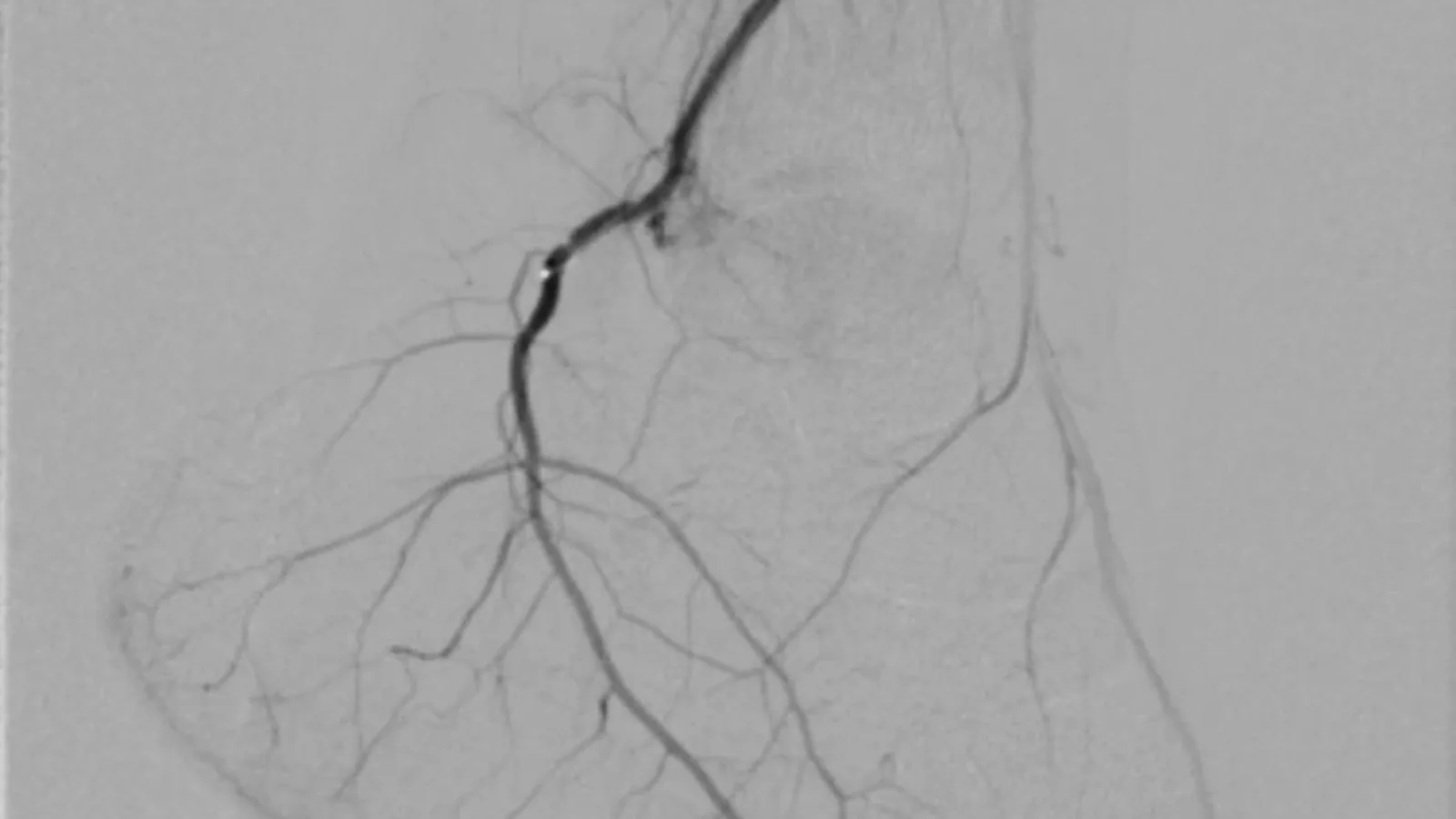
หัตถการอุดหลอดเลือด เช่น การอุดหลอดเลือดแดงรอบข้อเข่า (GAE) และการอุดหลอดเลือดขนาดเล็กบริเวณเอ็นและข้อ (TAME) เป็นอีกกลุ่มหนึ่ง ทำผ่านหลอดเลือดแดงโดยแพทย์รังสีร่วมรักษาของเรา นพ.ธนกฤต มังคละไพบูลย์
ทีมแพทย์ลดความเสี่ยงอย่างไร
1. ประเมินและคัดเลือก ซักประวัติ ตรวจร่างกาย และดูภาพถ่ายทางรังสี เพื่อยืนยันต้นตอของอาการปวดก่อน
2. ทบทวนยาทุกชนิด โดยเฉพาะยาละลายลิ่มเลือด ยาเบาหวาน และประวัติแพ้ยาชา สารทึบรังสี หรือสเตียรอยด์
3. ใช้ภาพนำทางและเทคนิคปลอดเชื้อ ระหว่างทำหัตถการ
4. ใช้เทคนิคและเครื่องมือที่ได้รับการรับรองมาตรฐานสากล
5. เฝ้าติดตามหลังทำ ให้คำแนะนำการดูแลตัวเองเป็นลายลักษณ์อักษร และนัดติดตามผล
หัตถการระงับปวดทำโดยแพทย์เวชศาสตร์ความปวดของเรา พญ.รรินทร ชุมสาย ณ อยุธยา หากกำลังเปรียบเทียบหลายคลินิก คำถามที่ควรถามทุกแห่งอยู่ในบทความเลือกคลินิกรักษาอาการปวดอย่างไร
ผลข้างเคียงที่พบบ่อยมีอะไรบ้าง และความเสี่ยงใดที่พบน้อย
ผลข้างเคียงส่วนใหญ่เล็กน้อยและหายได้เองในเวลาไม่นาน ขึ้นกับชนิดของหัตถการ อาจพบได้ดังนี้
- เจ็บ ระบม หรือช้ำเล็กน้อยตรงจุดที่แทงเข็ม
- ปวดมากขึ้นกว่าเดิมชั่วคราวหนึ่งถึงสองวันก่อนจะดีขึ้น
- หากใช้ยาสเตียรอยด์ (corticosteroid) อาจหน้าแดงร้อนวูบวาบ บวมน้ำ อารมณ์แปรปรวน หรือน้ำตาลในเลือดสูงขึ้นชั่วคราวในผู้ที่เป็นเบาหวาน และยาอาจใช้เวลาหลายวันกว่าจะเริ่มออกฤทธิ์
- หลังบล็อกปมประสาทสเตลเลต อาจมีหนังตาตกและมือข้างที่ทำอุ่นขึ้นชั่วคราว ซึ่งจะหายไปเมื่อยาชาหมดฤทธิ์
| หัตถการ | ภาพนำทาง | ผลข้างเคียงชั่วคราวที่พบบ่อย | การกลับบ้าน |
|---|---|---|---|
| ฉีดยาวินิจฉัยเส้นประสาท (medial branch block) | เอกซเรย์ | ชาบริเวณที่ทำหลายชั่วโมง ระบมเล็กน้อย | ส่วนใหญ่กลับได้ในวันเดียว |
| ฉีดยาเข้าช่องเหนือไขสันหลัง | เอกซเรย์ | ปวดมากขึ้นชั่วคราว หน้าแดงร้อนวูบวาบ น้ำตาลในเลือดสูงขึ้นชั่วคราว | ส่วนใหญ่กลับได้ในวันเดียว |
| จี้เส้นประสาทด้วยคลื่นวิทยุ | เอกซเรย์ | ระบมตรงจุดที่ทำ อาจนานกว่าหลังการบล็อก | ส่วนใหญ่กลับได้ในวันเดียว |
| บล็อกปมประสาทสเตลเลต (SGB) | อัลตราซาวนด์หรือเอกซเรย์ | หนังตาตกและมือข้างที่ทำอุ่นขึ้นชั่วคราว | ส่วนใหญ่กลับได้ในวันเดียว |
| อุดหลอดเลือด GAE / TAME (แพทย์รังสีร่วมรักษา) | เอกซเรย์ ผ่านหลอดเลือดแดง | ช้ำตรงจุดที่ใส่สาย ระบมชั่วคราว | ส่วนใหญ่กลับได้ในวันเดียว |
ความเสี่ยงที่พบน้อยกว่า ได้แก่ การติดเชื้อ เลือดออก การแพ้ยาที่ใช้ อาการชาหรืออ่อนแรงชั่วคราว และอาการปวดศีรษะจากน้ำไขสันหลังรั่วซึมเล็กน้อยซึ่งเป็นมากขึ้นเวลานั่งหรือยืน ภาวะแทรกซ้อนรุนแรงที่พบได้น้อยมาก เช่น เลือดออกหรือการติดเชื้อรอบไขสันหลัง คือเหตุผลที่เราทบทวนยาและโรคประจำตัวอย่างละเอียด แพทย์จะอธิบายความเสี่ยงเฉพาะของหัตถการที่คุณจะทำระหว่างการขอความยินยอม เพื่อให้คุณตัดสินใจได้อย่างมีข้อมูล
รายละเอียดเฉพาะของการฉีดยาเข้าช่องเหนือไขสันหลังอ่านต่อได้ที่ฉีดยาเข้าช่องเหนือไขสันหลังรักษาปวดหลัง
บล็อกเส้นประสาทเจ็บไหม และพักฟื้นกี่วัน
แพทย์ฉีดยาชาที่ผิวหนังก่อน หลายคนรู้สึกเหมือนถูกกดมากกว่าเจ็บแปลบ แม้ประสบการณ์ของแต่ละคนจะต่างกัน และผู้รับบริการส่วนใหญ่กลับบ้านได้ในวันเดียว
ช่วงที่เข็มเข้าใกล้จุดเป้าหมายอาจรู้สึกตึงหรือแน่น แพทย์จะบอกคุณก่อนทุกขั้นตอน
การฟื้นตัวหลังทำ
เพราะเป็นหัตถการใช้เข็ม ไม่ใช่การผ่าตัด การฟื้นตัวจึงมักไม่ยุ่งยาก หลายคนกลับไปทำกิจกรรมเบา ๆ ได้ไม่นานหลังทำ โดยทำตามคำแนะนำเฉพาะของหัตถการนั้น บางหัตถการทำให้แขนหรือขาชาหรือหนักชั่วคราว เราจึงขอให้มีคนมารับกลับบ้าน คุณจะได้รับคำแนะนำเป็นลายลักษณ์อักษรว่าต้องสังเกตอะไร และกลับไปออกกำลังกายได้เมื่อไร
กินยาละลายลิ่มเลือดอยู่ ต้องหยุดยาก่อนฉีดไหม
ไม่จำเป็นเสมอไป และห้ามหยุดยาละลายลิ่มเลือดเองเด็ดขาด การพักยาหรือไม่ขึ้นกับชนิดของยา ชนิดของหัตถการ และเหตุผลที่คุณต้องใช้ยานั้น
ยาละลายลิ่มเลือดในที่นี้รวมทั้งยาต้านการแข็งตัวของเลือด (anticoagulant) และยาต้านเกล็ดเลือด (antiplatelet) แพทย์ของเราอ้างอิงแนวทางของสมาคม ASRA Pain Medicine เรื่องหัตถการกระดูกสันหลังและหัตถการระงับปวดในผู้ที่ใช้ยาต้านเกล็ดเลือดและยาต้านการแข็งตัวของเลือด และตกลงการปรับยาทุกครั้งร่วมกับแพทย์ผู้สั่งยาให้คุณ การหยุดยาเองโดยไม่มีแผนอาจเพิ่มความเสี่ยงต่อลิ่มเลือด โรคหลอดเลือดสมอง หรือหัวใจขาดเลือด กรุณานำรายการยาและอาหารเสริมทุกชนิดมาด้วย
ทำแล้วจะหายปวดไปเลยไหม
โดยทั่วไปหัตถการเพียงอย่างเดียวไม่ได้ทำให้เป็นเช่นนั้น หัตถการเหล่านี้มุ่งช่วยบรรเทาปวดและช่วยให้ร่างกายกลับมาใช้งานได้ดีขึ้น แต่ไม่ได้แก้ที่ต้นเหตุของโรคทั้งหมด
- บางหัตถการใช้เพื่อวินิจฉัย หน้าที่หลักคือยืนยันว่าอาการปวดมาจากจุดใด
- ผลและระยะเวลาต่างกัน ในแต่ละบุคคลและแต่ละหัตถการ การบรรเทาอาจลดลงตามเวลา และบางหัตถการทำซ้ำได้หากเหมาะสม
- ได้ผลดีขึ้นเมื่อเป็นส่วนหนึ่งของแผนการดูแล ที่รวมการเคลื่อนไหวและกายภาพบำบัด
เมื่อตั้งความคาดหวังให้ตรงกับความจริง หลายคนได้รับการบรรเทาที่คุ้มค่า ช่วยให้เคลื่อนไหว นอนหลับ และใช้ชีวิตได้สบายขึ้น
เมื่อไรควรพบแพทย์โดยเร็ว
อาการที่ไม่ควรรอ แม้ยังไม่ได้ทำหัตถการใด ๆ
- แขนหรือขาอ่อนแรงขึ้นใหม่หรือเป็นมากขึ้น
- ควบคุมการปัสสาวะหรืออุจจาระไม่ได้
- ชาบริเวณก้นและฝีเย็บ (บริเวณที่สัมผัสอานจักรยาน)
- ปวดหลังร่วมกับมีไข้
- ปวดหลังหลังจากหกล้มหรือได้รับอุบัติเหตุรุนแรง
- น้ำหนักลดโดยไม่ทราบสาเหตุ
หลังทำหัตถการ ให้ติดต่อทีมแพทย์โดยเร็ว หรือไปห้องฉุกเฉินหากอาการรุนแรง เมื่อมี
- ไข้ หรือบริเวณที่แทงเข็มแดง บวม หรือมีหนองซึม
- ปวดศีรษะรุนแรงที่เป็นมากขึ้นเวลานั่งหรือยืน
- ชาหรืออ่อนแรงขึ้นใหม่ที่ไม่ดีขึ้นเมื่อยาชาหมดฤทธิ์
- ปวดหลังรุนแรงแบบใหม่
- หายใจลำบากหรือกลืนลำบากหลังทำหัตถการที่คอ
กรณีที่เราอาจแนะนำให้ยังไม่ทำหัตถการ
- ใช้ยาละลายลิ่มเลือดโดยยังไม่มีแผนที่ตกลงกับแพทย์ผู้สั่งยา
- มีการติดเชื้อที่ยังไม่ได้รักษา ทั้งในร่างกายหรือที่ผิวหนังตรงจุดที่จะแทงเข็ม
- ตั้งครรภ์ สำหรับหัตถการที่ใช้เอกซเรย์นำทาง
- เบาหวานที่ยังควบคุมไม่ได้ สำหรับการฉีดยาสเตียรอยด์
- เคยแพ้ยาชา สารทึบรังสี หรือสเตียรอยด์อย่างรุนแรง
- ยังยืนยันต้นตอของอาการปวดไม่ได้
- ความคาดหวังที่หัตถการไม่สามารถตอบได้
ในกรณีเหล่านี้ ทีมแพทย์จะอธิบายเหตุผลและเสนอสิ่งที่ควรทำก่อน
มุมมองแพทย์
ในคลินิกของเรา ก่อนแทงเข็ม เราตรวจสามเรื่อง หนึ่ง ต้นตอของอาการปวดชัดเจนพอจากประวัติ การตรวจร่างกาย และภาพถ่ายทางรังสีเมื่อจำเป็น ไม่ใช่แค่สงสัย สอง ยาทุกชนิด โดยเฉพาะยาต้านการแข็งตัวของเลือด มีแผนที่ตกลงกับแพทย์ผู้สั่งยาแล้ว และคุณไม่ควรหยุดยาเอง สาม เป้าหมายสมเหตุสมผลกับหัตถการนั้น หากการฉีดยาวินิจฉัยเส้นประสาทไม่ได้ช่วยลดปวดชัดเจนในช่วงสั้น ๆ หลังฉีด เราจะไม่จี้เส้นประสาทด้วยคลื่นวิทยุที่ระดับนั้นต่อ ก่อนกลับบ้าน เราอธิบายอาการที่ต้องติดต่อเราทันที และเราเลือกบอกว่ายังไม่ควรทำ มากกว่าทำหัตถการที่ไม่คาดว่าจะช่วยได้
ตัวอย่างสมมติ
ตัวอย่างสมมติ ไม่ใช่ผู้ป่วยจริง: ผู้ที่ปวดหลังส่วนล่างมานานและกินยาละลายลิ่มเลือดทุกวันหลังทำหัตถการหัวใจ ถามว่าการฉีดยาวินิจฉัยเส้นประสาทปลอดภัยสำหรับตนไหม แพทย์เวชศาสตร์ความปวดของเราดูผล MRI แล้วติดต่อแพทย์โรคหัวใจผู้สั่งยา ทั้งสองตกลงกันว่าจำเป็นต้องพักยาหรือไม่ และจะเริ่มยากลับเมื่อไร การนัดทำหัตถการเกิดขึ้นหลังจากเขียนแผนนี้และอธิบายให้ผู้ป่วยเข้าใจแล้วเท่านั้น
ขั้นตอนถัดไป
1. ส่งภาพถ่ายทางรังสีและประวัติ ผลอ่านเอกซเรย์หรือ MRI ประวัติอาการสั้น ๆ และรายการยาทุกชนิด รวมถึงยาละลายลิ่มเลือด
2. แพทย์ทบทวนข้อมูล แพทย์เวชศาสตร์ความปวดของเราดูข้อมูลและแจ้งว่าหัตถการน่าจะเหมาะหรือควรเริ่มจากขั้นอื่นก่อน
3. แผนการรักษาและใบเสนอราคาเป็นลายลักษณ์อักษร รวมแผนการใช้ยาที่ตกลงกับแพทย์ผู้สั่งยา
4. วันทำหัตถการ หากเหมาะสม ที่ชั้น 2 ห้อง 214, อาคารยูไนเต็ด เซ็นเตอร์ เลขที่ 323 ถนนสีลม แขวงสีลม เขตบางรัก กรุงเทพมหานคร 10500 เดิน 5 นาทีจาก BTS ศาลาแดง เปิดทุกวัน 11:00–20:00 น.
5. ติดตามผล เพื่อประเมินการตอบสนองและวางขั้นต่อไป
ส่งผลอ่านภาพถ่ายทางรังสี (เอกซเรย์หรือ MRI) และประวัติสั้น ๆ ทาง LINE https://lin.ee/5MIGher เพื่อให้แพทย์ประเมินเบื้องต้น ดูทางเลือกทั้งหมดได้ที่หน้ารักษาอาการปวดเรื้อรัง
คำถามที่พบบ่อย
ฉีดยาบล็อกเส้นประสาทต้องดมยาสลบไหม
ไม่ต้อง หัตถการเหล่านี้ใช้ยาชาเฉพาะที่ และคุณรู้สึกตัวตลอด ซึ่งช่วยให้บอกแพทย์ได้ว่ารู้สึกอย่างไรระหว่างทำ การรู้สึกตัวเป็นส่วนหนึ่งของความปลอดภัย เพราะแพทย์ได้รับข้อมูลจากคุณโดยตรง หากคุณกังวลมาก บอกทีมแพทย์ล่วงหน้าเพื่อพูดคุยวิธีช่วยให้ผ่อนคลายระหว่างทำ
หลังทำกลับไปทำงานได้เมื่อไร
หลายคนกลับไปทำงานนั่งโต๊ะได้ไม่นานหลังทำ ส่วนงานที่ใช้แรงมากอาจต้องใช้เวลานานกว่า ขึ้นกับหัตถการและการตอบสนองของร่างกาย แพทย์จะให้คำแนะนำเป็นลายลักษณ์อักษรที่เหมาะกับหัตถการและลักษณะงานของคุณ ผู้รับบริการส่วนใหญ่กลับบ้านได้ในวันเดียว
หลังฉีดยาวินิจฉัยเส้นประสาทไม่กี่ชั่วโมงแล้วกลับมาปวด ผิดปกติไหม
เป็นเรื่องที่คาดไว้ได้ ยาชาออกฤทธิ์เพียงช่วงสั้น การที่อาการปวดลดลงในช่วงนั้นคือข้อมูลที่แพทย์ต้องการ เราจึงขอให้คุณจดบันทึกระดับความปวดหลังทำตามช่วงเวลาที่แพทย์กำหนด บันทึกนี้ช่วยตัดสินว่าควรทำหัตถการที่ออกฤทธิ์ยาวขึ้นหรือไม่
ฉีดยาสเตียรอยด์ได้บ่อยแค่ไหน
แพทย์จะเว้นระยะและจำกัดจำนวนครั้งเป็นรายบุคคล เพราะสเตียรอยด์ที่ได้รับซ้ำอาจทำให้น้ำตาลในเลือดสูงขึ้น บวมน้ำ และกระทบสมดุลฮอร์โมนของร่างกาย ผู้ที่เป็นเบาหวานควรตรวจระดับน้ำตาลใกล้ชิดขึ้นในช่วงไม่กี่วันหลังฉีด และแจ้งทีมแพทย์หากค่าสูงผิดปกติ
ขับรถหรือเดินทางกลับเองได้ไหม
ในวันที่ทำ เราขอให้มีคนมารับกลับบ้าน เพราะบางหัตถการทำให้แขนหรือขาชาหรือหนักชั่วคราว หากคุณเดินทางมาจากต่างจังหวัดหรือต่างประเทศ ช่วงเวลาที่เหมาะสมในการเดินทางไกลขึ้นกับหัตถการและอาการหลังทำ แพทย์จะยืนยันในการติดตามผลก่อนคุณเดินทาง
ราคาเท่าไร ใช้ประกันได้ไหม
การฉีดยาวินิจฉัยเส้นประสาท (medial branch block) เริ่มต้น 22,000 บาท การฉีดยาเข้าช่องเหนือไขสันหลังเริ่มต้น 129,000 บาท หัตถการอื่นแจ้งราคาหลังแพทย์ประเมิน คุณจะได้รับใบเสนอราคาเป็นลายลักษณ์อักษรก่อนทำ เราช่วยเตรียมเอกสารทางการแพทย์ให้คุณนำไปเบิกกับประกันของคุณเอง กรุณาตรวจสอบความคุ้มครองกับบริษัทประกันล่วงหน้า
แหล่งอ้างอิง
- Interventional Spine and Pain Procedures in Patients on Antiplatelet and Anticoagulant Medications (Second Edition) · ASRA Pain Medicine · Regional Anesthesia & Pain Medicine 2018;43(3):225-262 · DOI 10.1097/AAP.0000000000000700
- Epidural Steroid Injections (Patel K, Chopra P, Martinez S, Upadhyayula S) · StatPearls Publishing / NCBI Bookshelf · ปรับปรุง 2024
- Stellate Ganglion Blocks (Piraccini E, Munakomi S, Chang KV) · StatPearls Publishing / NCBI Bookshelf · ปรับปรุง 2023
หมายเหตุทางการแพทย์
บทความนี้ให้ข้อมูลทั่วไป ไม่แทนการตรวจ วินิจฉัย หรือรักษาโดยแพทย์ หากมีอาการรุนแรง อาการเปลี่ยนเร็ว หรือมีภาวะฉุกเฉิน ควรพบแพทย์ทันที
ผลลัพธ์ขึ้นอยู่กับแต่ละบุคคล ควรปรึกษาแพทย์ก่อนเข้ารับบริการ
อยากรู้ว่าแผนดูแลแบบไหนเหมาะกับคุณ?
ส่งรายละเอียดอาการ ประวัติสุขภาพ ยาหรือหัตถการที่เคยทำ และเป้าหมายที่ต้องการ ทีมงานจะช่วยนัดหมายเพื่อประเมินกับแพทย์
ปรึกษาอาการกับ YOUNIFY Clinic