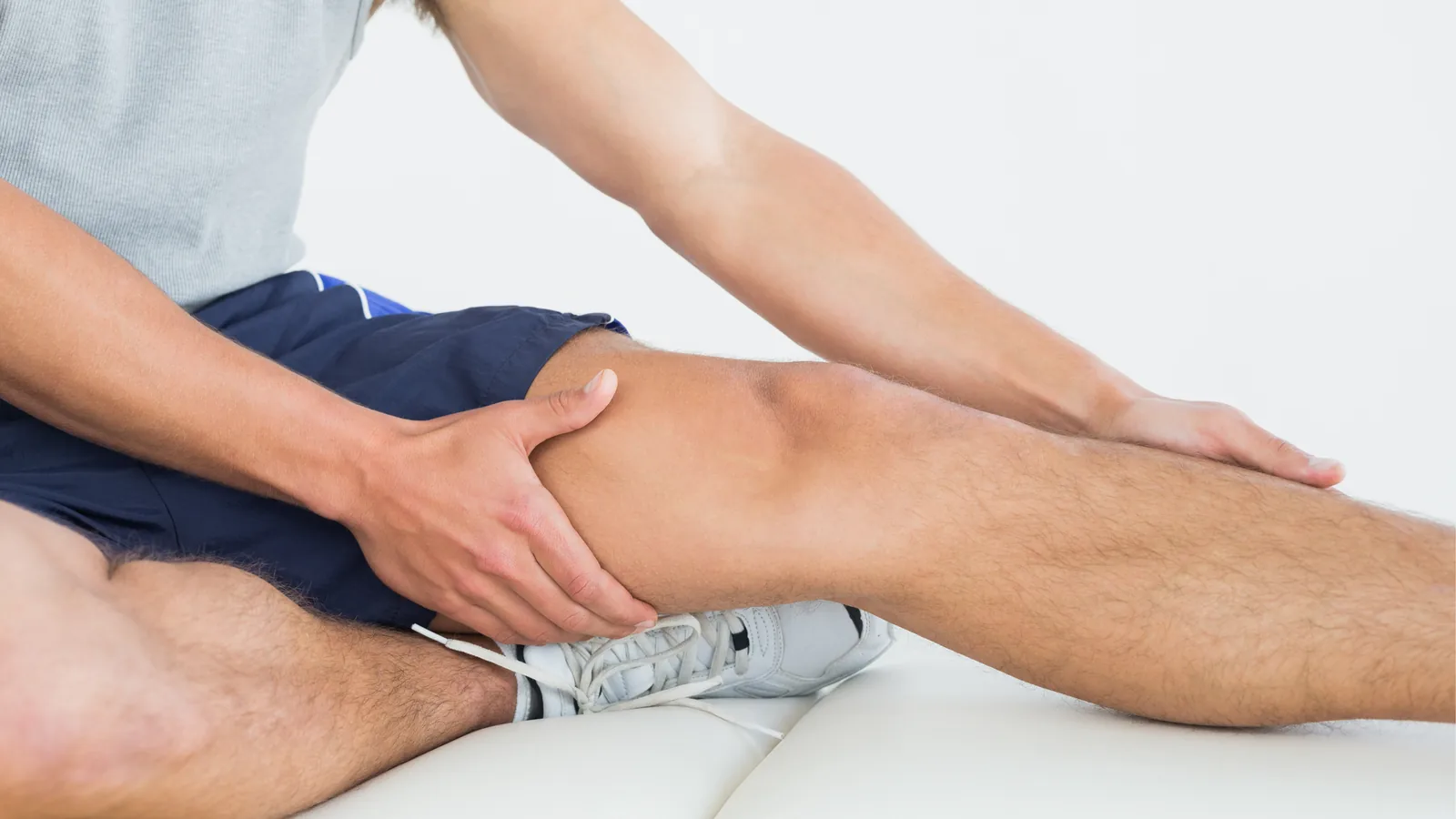
What is genicular nerve radiofrequency, and who is it for
Genicular nerve radiofrequency is an image-guided treatment that uses controlled heat to quiet the small nerves that carry pain signals from the knee. At YOUNIFY Clinic, a Healthy Aging & Wellness Center based in Bangkok, Thailand, our pain medicine physician performs it as cooled radiofrequency, usually after a diagnostic nerve block has shown that these nerves carry your pain. There is no incision, and most patients go home the same day.
Last updated:
Key takeaways
- Genicular nerve radiofrequency uses heat from a needle-like probe to quiet the small nerves that carry pain from the knee, without an incision.
- It may suit knee osteoarthritis pain that has not settled with exercise, weight care, and medicines, and pain after a knee replacement when the implant is sound.
- A diagnostic nerve block is usually done first, because the block shows whether these nerves carry your pain.
- Relief varies, often lasts months rather than years, and the treatment can be repeated if it helped before.
- At YOUNIFY Clinic it is performed as cooled radiofrequency, starting from THB 280,000, and most patients go home the same day.
Who it may suit
- Knee osteoarthritis pain that continues despite exercise, physiotherapy, weight care, and medicines
- People who are not ready for, not suited to, or wish to delay a knee replacement
- Pain after a knee replacement when infection and implant problems have been excluded
- People who had clear, short-lived relief from a diagnostic genicular nerve block
Who it may not suit, or needs assessment first
- Pain that is mainly coming from the hip, the spine, or a nerve problem elsewhere
- A replaced knee that has not been checked for infection, loosening, or instability
- Active infection in the knee area or elsewhere in the body
- Blood thinners or antiplatelet medicines that have not been reviewed and planned
- A cardiac pacemaker, implanted defibrillator, or other implanted electrical device, which needs planning with your cardiologist before the procedure
- Expectations the treatment cannot meet, such as repairing cartilage or fixing a loose implant
What happens before, on the day, and after
- Review: we look at your X-rays or MRI, examine the knee, hip, and spine, and confirm that the knee nerves are a likely pain source.
- Diagnostic nerve block: a small amount of local anesthetic is placed near the genicular nerves under imaging. If your pain clearly eases for the next hours, radiofrequency is more likely to help.
- Treatment day: you lie on your back with the knee supported. The skin is numbed, and thin probes are guided to each target nerve with imaging. In cooled radiofrequency, water circulates inside the probe, which allows a larger treatment area around each nerve.
- Recovery: you rest for a short period and most patients go home the same day. Walking is usually allowed, with a gradual return to activity as advised.
- Follow-up: we review your pain, walking, and sleep, and plan exercise or physiotherapy to build on any relief.
Does it hurt
The skin and deeper tissues are numbed before the probes are placed, so most people feel pressure and some warmth rather than sharp pain. The knee may ache for several days afterwards, and this usually settles with simple measures advised by your physician.
Risks and side effects
- Soreness or bruising where the probes were placed
- A patch of numb, tingling, or sensitive skin around the knee, usually temporary
- Infection or bleeding, which are uncommon
- A temporary increase in pain before improvement in some people
In the randomized trial of cooled radiofrequency for knee osteoarthritis, no procedure-related serious adverse events were reported. Your physician will explain the risks that apply to you before you decide.
What the research shows
In a randomized trial of 151 people with knee osteoarthritis pain, 74.1% of those treated with cooled radiofrequency reported at least a 50% reduction in pain at six months, compared with 16.2% of those given a steroid injection into the knee (Davis et al., Regional Anesthesia & Pain Medicine, 2018). For pain after a knee replacement, a 2024 systematic review found 3 studies with 53 patients; they reported improvement in pain and function, no adverse events, and relief lasting from a few weeks to about a year. Results vary by individual, and not everyone responds.
If it does not help
A lack of relief is useful information. It suggests the pain may come mainly from somewhere else, such as an inflamed joint lining, the hip, or the spine. Your physicians may then consider genicular artery embolization, further tests, or a surgical opinion.
Step-by-step care for knee pain
| Step | Option | What it involves | Price |
|---|---|---|---|
| 1 | Exercise, physiotherapy, and weight care | Strength and mobility work, with lower load on the knee | Discussed at consultation |
| 2 | Joint injection (knee osteoarthritis only, not for a replaced knee) | Medication injected into the knee joint | Starting from THB 15,000 |
| 3 | Diagnostic genicular nerve block | Local anesthetic near the knee nerves to test the pain source | Quoted after a physician assessment |
| 4 | Genicular nerve radiofrequency (cooled RFA) | Controlled heat to quiet the knee nerves | Starting from THB 280,000 |
| 5 | Genicular artery embolization (GAE) | Reducing abnormal blood vessels feeding an inflamed joint lining | Starting from THB 129,000 |
| 6 | Knee replacement (for advanced osteoarthritis) | Surgical replacement of the joint, discussed with an orthopedic surgeon | Starting from THB 350,000 |
Price
Genicular nerve radiofrequency (cooled RFA) is starting from THB 280,000. The diagnostic nerve block and imaging are quoted after a physician assessment, and you receive a written quotation before you decide.
Your physician
Genicular nerve block and radiofrequency are performed by our pain medicine physician, Dr. Rarinthorn Choomsai Na Ayuthaya, at our accredited partner private hospital. When embolization may also be an option, our interventional radiologist, Dr. Thanakrit Mangklapaiboon, reviews your case as well.
Speak with our pain medicine physician
If knee pain is limiting your walking, sleep, or travel, a review of your imaging is the first step toward a clear plan.
Send your knee X-rays or MRI to our physician on WhatsApp
Phone: +66 81 556 9696
Healthcare facility licence no. 10101005069 · Advertising approval no. ฆสพ.สบส 2476/2569
Sources
- Prospective, Multicenter, Randomized, Crossover Clinical Trial Comparing the Safety and Effectiveness of Cooled Radiofrequency Ablation With Corticosteroid Injection in the Management of Knee Pain From Osteoarthritis (Regional Anesthesia & Pain Medicine, 2018)
- Genicular nerve radiofrequency ablation: a systematic review of application for perioperative pain control in total knee arthroplasty and as treatment for chronic pain in well-appearing total knee arthroplasty (Knee Surgery & Related Research, 2024)
- Radiofrequency Neurotomy for Facet Joint Pain in Patients with Permanent Pacemakers and Defibrillators (Spine Intervention Society, Patient Safety FactFinder, 2018)
Frequently asked questions
How long does the relief last?
It varies. In the randomized trial of cooled radiofrequency, results were measured at six months, and in people with a painful replaced knee, published relief ranged from a few weeks to about a year. The nerves can recover over time, so the treatment may be repeated if it helped before.
Is this the same as genicular artery embolization (GAE)?
No. Radiofrequency targets the small nerves that carry pain from the knee. GAE targets abnormal blood vessels feeding an inflamed joint lining. They suit different pain patterns, and your physicians may recommend one, the other, or one after the other.
Does it damage the knee joint or a knee replacement?
The treatment works on small sensory nerves around the joint, not on the cartilage, bone, or implant. It does not repair a worn joint or fix a loose implant, so these are assessed first. You can still have surgery later if it is needed.
Can both knees be treated?
Both knees can be assessed, and your physician will advise whether to treat them on the same day or at separate visits, based on your pain pattern, your block results, and how you manage walking afterwards.
Can I claim treatment with my insurance?
The clinic provides a medical report and an itemized receipt so that you can submit a claim to your insurer yourself. Coverage depends on your policy, so please check with your insurer before your visit, including whether pre-authorization is needed.
What should I send before my visit?
Please send recent knee X-rays or MRI reports, any operation notes if you have had a knee replacement, and a list of current medicines, especially blood thinners. You can share them on WhatsApp so that our physician can review them in advance.
YOUNIFY Clinic · 2nd Floor, Room 214, United Center Building, 323 Silom Road, Silom, Bang Rak, Bangkok 10500, Thailand · Near BTS Sala Daeng (5-min walk) · Open daily 11:00–20:00
WhatsApp +66 81 556 9696 · LINE @younifyclinic · Instagram @younifyclinicthailand · info [at] younifyclinic.com
Individual results may vary. Please consult a doctor before treatment.