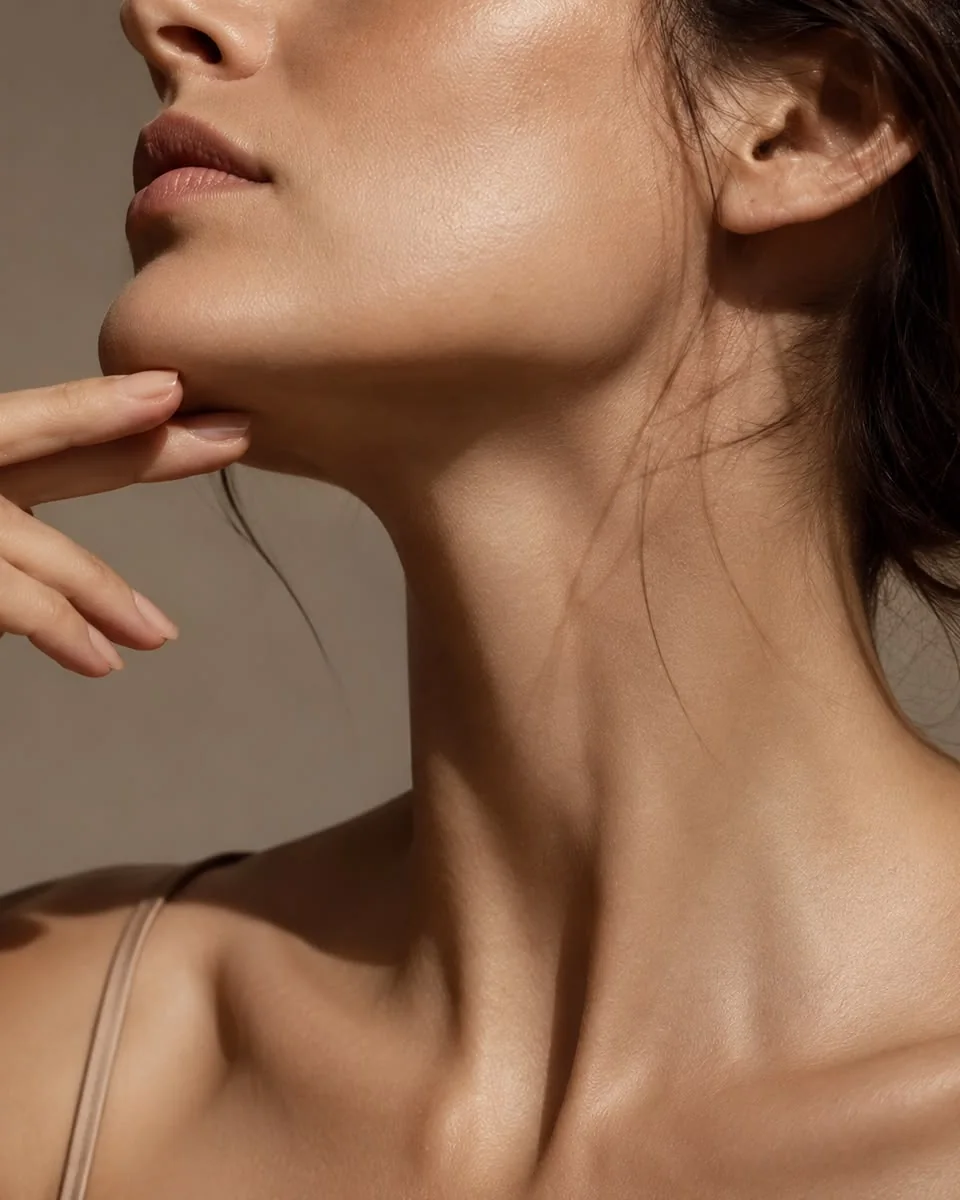
Facelift in Bangkok, Thailand: Deep Plane and SMAS
Facelift in Bangkok, Thailand, performed by Dr. Phattrapohn Liangcheep and Dr. Thanachot Kamolveerat. Surgery takes place at a partner private hospital accredited by JCI or AACI. Starting from THB 219,000. Most patients stay in Bangkok for 10 to 14 days. A doctor reviews every case before you receive a quotation.
A facelift with YOUNIFY Clinic, Silom, Bangkok, repositions the SMAS and deeper tissue, not skin alone, for a natural result that holds over time. Prices start from THB 125,000 for a mini facelift and THB 219,000 for a deep plane facelift, by Thai Board-certified plastic surgeons. Most patients fly home within 10 to 14 days; results vary by individual.
Clinic open daily, 11:00 to 20:00 (Bangkok time) · Online enquiries answered 24 hours a day
Last updated:
How much does a facelift cost in Thailand?
Starting from THB 219,000 with YOUNIFY Clinic in Bangkok. Dr. Phattrapohn Liangcheep and Dr. Thanachot Kamolveerat perform the surgery at a partner private hospital accredited by JCI or AACI. Most patients stay in Bangkok for 10 to 14 days. Your final quotation is written after a doctor reviews your case. Results vary by individual.
At a glance
- Procedure
- Facelift (mini, lower or full)
- Starting from (THB)
- Full facelift from 219,000 · Mini facelift from 125,000 · Lower facelift from 159,000
- Hospital stay
- Confirmed at consultation
- Time in Bangkok
- Approximately 10 to 14 days from the day of surgery.
- Who performs
- Two board-certified plastic surgeons
- Where
- JCI- or AACI-accredited partner private hospital, Bangkok
- Last reviewed
- November 11, 2026
What is a facelift?
The face ages in layers. The skin thins and loses elasticity, the fat compartments of the cheek descend and deflate, and the SMAS, the sheet of muscle and fibrous tissue beneath the skin that supports the shape of the face, loosens and slides forward over the jawline. A facelift (rhytidectomy) with YOUNIFY Clinic, a Healthy Aging & Wellness Center based in Bangkok, Thailand, works on that supporting layer. The SMAS is released, repositioned, and secured higher, and the skin is redraped rather than pulled. Because the tension is carried by the deeper layer, the skin is not stretched, and a stretched skin closure is what tends to produce a tight or pulled appearance.
This page is about the facelift itself: the cheek, the jawline, and the lower face. Where the neck also needs work, see our face and neck lift page; when the neck is the only concern, see our neck lift page.
Concerns it addresses
- Jowls that blur the line of the jaw
- Deepening folds between the nose and the mouth (nasolabial folds), and lines running down from the mouth corners
- Cheeks that have descended, leaving hollowness beneath the eye and heaviness lower down
- Loose skin over the lower face that no longer retracts after weight loss
- A tired or heavy expression at rest that does not match how you feel
A facelift does not treat skin quality itself, such as fine lines, pigmentation, or sun damage, and it does not alter the forehead or the eyelids unless those procedures are planned alongside it.
Who is it for
A facelift is designed for adults who:
- Have visible descent of the cheek, jowls, or lower-face laxity, rather than early and mild loosening
- Are in good general health, with any medical condition well controlled
- Do not smoke, or are willing to stop for the period your surgeon advises before and after surgery
- Have a stable weight, since a large planned weight loss changes the face again
- Can stay in Bangkok for 10 to 14 days after surgery for wound review and clearance to fly
- Want a rested, natural version of their own face, not a different face
If loose skin or banding in the neck is your main concern, see neck lift, which can be planned on its own or together with a facelift.
Techniques we use
There is no single facelift. The depth of the lift, the length of the incision, and the areas addressed are chosen from your degree of laxity and from where the descent has actually happened. What every technique offered by YOUNIFY Clinic has in common is that we lift the SMAS layer, not skin alone.
| Technique | What it addresses | Starting from (THB) | Starting Thailand price (AUD) |
|---|---|---|---|
| Mini facelift | Early jowling and mild lower-face laxity, through a shorter incision around the ear | 125,000 | A$5,208 |
| Lower facelift | The jawline and jowls; a mini lower facelift exists for lighter cases | 159,000 (mini lower facelift 85,000) | — |
| SMAS facelift | The muscular and fibrous layer is tightened and secured, then the skin is redraped without tension | 219,000 (priced as the Facelift row) | — |
| Deep plane facelift | The SMAS and the cheek fat pads are released as one unit and repositioned higher, for more advanced descent of the midface and jowls | 219,000 | A$9,125 |
| Midface lift (standalone) | The cheek alone, when the jawline is still well defined | 85,000 | A$3,542 |
| Temporal and midface lift | The outer brow, the temple, and the cheek together, through small, discreetly placed incisions | 120,000 | A$5,000 |
Approximate, converted on 30 October 2026. You pay in Thai baht.
SMAS or deep plane. Both work beneath the skin. A SMAS lift tightens the muscular layer; a deep plane lift releases and repositions that layer together with the cheek fat pads. Your surgeon recommends the depth from your degree of laxity, and the extent is adjusted during surgery according to what your tissues require. Endoscopic techniques suit only minimal laxity and cannot remove excess skin, and a skin-only lift tends to look pulled and to loosen sooner, so neither is our standard approach for visible descent.
Adjuncts planned with a facelift
- Brow lift (Eyebrow Lift, starting from THB 69,000). When the outer brow has dropped, a temporal lift through the facelift incision within the hairline raises the tail of the brow, the temple, and the outer corner of the eye, without raising the hairline or the height of the forehead. It does not elevate the central brow; where that is wanted, a direct brow lift is discussed, with a scar just above the eyebrow that can be noticeable in the early months.
- Facial fat transfer (starting from THB 50,000). Lifting repositions tissue; it does not replace lost volume. Your own fat, placed in the cheek, the temple, or beneath the eye, helps restore fullness so that the lifted face does not look hollow.
- Eyelid surgery. Once the brow and cheek are repositioned, hollowness of the upper eyelid can become more visible. Our surgeons prefer to assess an upper blepharoplasty after the lift has settled, as a separate session.
When a facelift and a neck lift are done together
The jawline and the neck age together. When there is loose skin or muscle banding beneath the chin, a face and neck lift (starting from THB 219,000) or a midface and neck lift (starting from THB 238,000) is planned instead of a facelift alone. Our comparison of facelift and neck lift explains how that decision is made, and our turkey neck guide sets out which layer of the neck each treatment addresses.
How we plan your surgery
- Consultation with your surgeon, by video before you travel and in person before surgery, with standardized photographs and an examination of skin, SMAS mobility, fat, and bone support.
- Choice of depth and extent: mini, lower, SMAS, deep plane, or midface, and whether the brow, fat transfer, or the neck should be included.
- Medical review: blood tests, a check of medications that affect bleeding, and a stop to smoking as advised.
- Written quotation listing each element, what is included, and what is not, before you book travel.
Who performs the surgery
Every facelift with YOUNIFY Clinic is performed by Dr. Phattrapohn Liangcheep or Dr. Thanachot Kamolveerat, both certified by the Thai Board of Plastic and Reconstructive Surgery, at a partner private hospital accredited by JCI / AACI. The surgeon who examines you performs your surgery and sees you at every follow-up during your stay. Any surgeon's license can be checked through the Medical Council of Thailand doctor search, and we encourage you to do so.
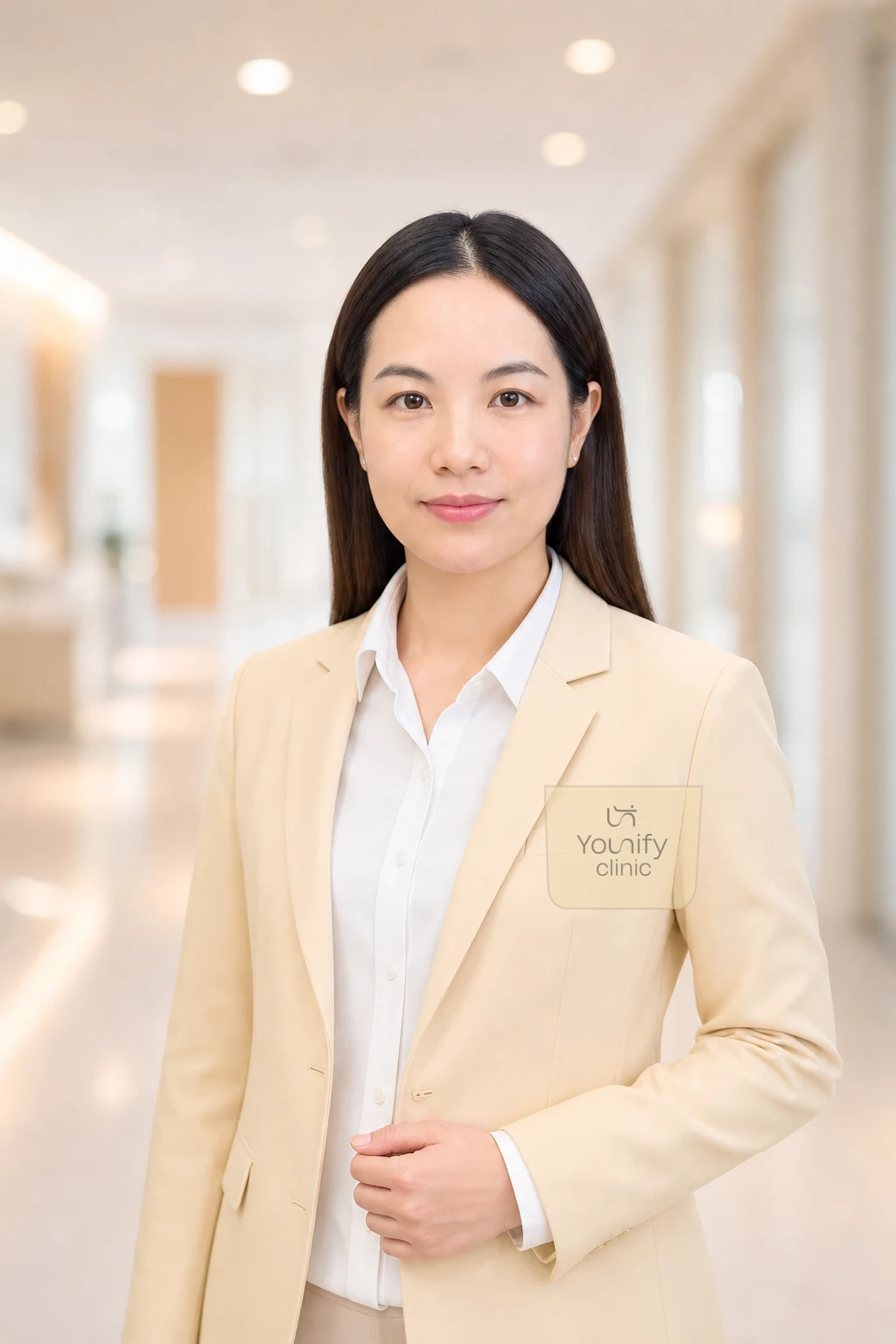
Dr. Phattrapohn Liangcheep
Plastic and Reconstructive Surgery
Diploma of the Thai Board of Plastic and Reconstructive Surgery
Member of The Society of Plastic and Reconstructive Surgeons of Thailand (ThPRS)
View full profile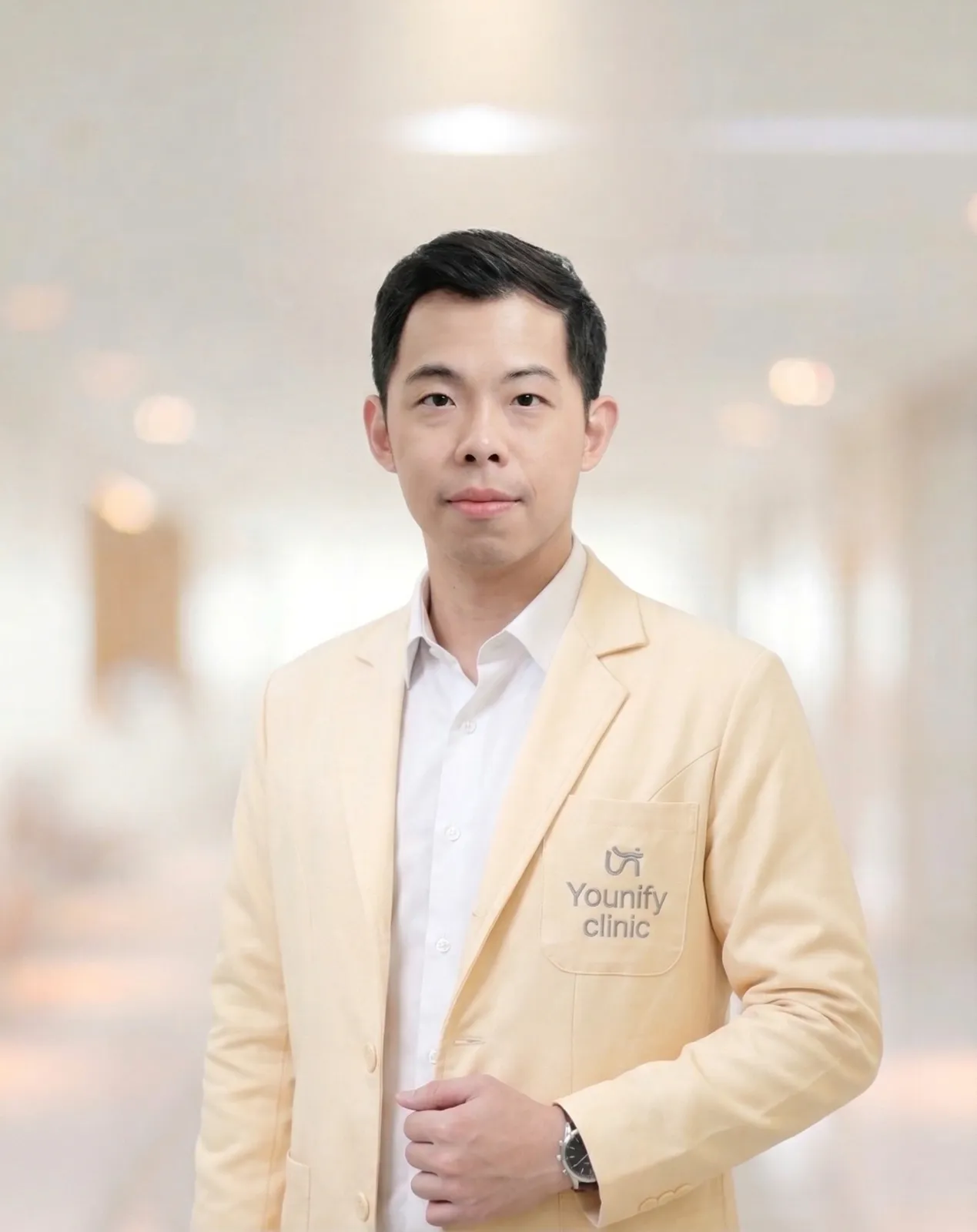
Dr. Thanachot Kamolveerat
Plastic and Reconstructive Surgery
Diploma of the Thai Board of Plastic and Reconstructive Surgery
Member of The Society of Plastic and Reconstructive Surgeons of Thailand (ThPRS)
View full profileWhat to expect on the day
You arrive having fasted as instructed. The surgery is performed under general anesthesia, with a specialist anesthesiologist present throughout, and takes several hours depending on the depth of the lift and any adjuncts. Incisions sit within the hairline at the temple, in the natural crease in front of the ear, around the earlobe, and behind the ear. Whether you stay overnight is confirmed at consultation. A light dressing and, in some cases, small drains are placed; drains are usually removed within the first day or two.
Recovery
| When | What most patients experience |
|---|---|
| Days 1 to 3 | Tightness and swelling rather than sharp pain, managed with standard medication; head kept raised |
| Week 1 | Bruising most visible; wound reviewed at the clinic; short walks; no bending or lifting |
| Days 7 to 10 | Suture check with your surgeon |
| Days 10 to 14 | Final review with your surgeon and clearance to fly; most international patients fly home in this window |
| Weeks 2 to 3 | Bruising settles; return to desk work and social activity, with light makeup if wanted |
| Weeks 4 to 6 | Swelling continues to reduce; exercise resumed gradually; numbness around the ears improves |
| Months 3 to 12 | Scars mature and fade; the settled contour becomes visible; follow-up continues by video from home |
Recovery differs from person to person, and your surgeon adjusts these guidelines to your case. Our facelift recovery guide sets out the timeline day by day.
Price list: what a facelift costs in Thailand
| Procedure | Starting from (THB) | Starting Thailand price (AUD) |
|---|---|---|
| Mini Facelift | 125,000 | A$5,208 |
| mini Lower Facelift | 85,000 | A$3,542 |
| Lower Facelift | 159,000 | A$6,625 |
| Midface Lift (standalone) | 85,000 | A$3,542 |
| Temporal & Midface Lift | 120,000 | A$5,000 |
| Facelift | 219,000 | A$9,125 |
| Nasolabial Correction with Facelift | 219,000 | A$9,125 |
| Face & Neck Lift | 219,000 | A$9,125 |
| Midface & Neck Lift | 238,000 | A$9,917 |
| Eyebrow Lift | 69,000 | A$2,875 |
| Facial Fat Transfer | 50,000 | A$2,083 |
| FaceTite (face & neck) | 59,000 per area | A$2,458 per area |
Approximate, converted on 30 October 2026. You pay in Thai baht.
All figures are starting prices from the YOUNIFY Clinic price list. The written quotation typically includes the surgeon and anesthesiologist fees, the operating facility, standard dressings, medication and medical supplies, and follow-up visits during your stay in Bangkok. Flights, hotel, extra nights, and any revision surgery are typically not included; every item is confirmed in writing. Our facelift cost guide compares these figures with what is usually included at home, our facelift package sets out the stay, and other procedures are listed on the aesthetic surgery hub.
You may send photographs and any relevant medical history for a physician to review before you travel. A written plan and quotation follow the review. Send your photos on WhatsApp
Included in the all-inclusive starting price
- A consultation before surgery
- Pre-operative checks, including blood tests, a chest X-ray, and an electrocardiogram (ECG)
- Surgery by a board-certified plastic surgeon
- A board-certified anesthesiologist, present throughout the procedure
- One night in hospital, with 24-hour nursing care and monitoring
- Medication and dressings
- A follow-up visit
These inclusions apply to procedures performed under general anesthesia. Your written quotation lists what is included for your plan.
Surgeon perspective
The most common request we hear is "I do not want to look pulled." The answer lies in where the tension goes. When the SMAS carries the lift and the skin is simply laid back over it, the face moves naturally and the closure is not under strain. That is also why we would rather tell a patient that a mini lift will not be enough for their degree of descent than perform a smaller operation that has to be redone. The aim is not to change your features, but to restore the position of what is already there.
When we may say no
- You smoke and cannot stop for the period advised, because smoking reduces blood supply to the skin and raises the risk of wound problems
- A medical condition such as high blood pressure, diabetes, or a bleeding tendency is not well controlled
- Your weight is still changing significantly
- Your expectations are for a different face, or for a result that no surgery can provide
- You cannot stay in Bangkok for the 10 to 14 days needed for wound review and clearance to fly
- Laxity is early and mild, and a non-surgical option would serve you better for now
Risks and limitations
All surgery carries risk. For a facelift the recognized risks include bleeding and hematoma beneath the skin, infection, visible or thickened scarring, asymmetry, numbness of the cheek or ear that is usually temporary, temporary weakness of a facial nerve branch, hair loss along the incision, skin healing problems that are more common in smokers, and reactions to anesthesia. The face continues to age after surgery, and a revision or a later touch-up may be wanted. We discuss these plainly at consultation and again before you sign consent.
Alternatives
- Threads. Barbed sutures beneath the skin lift mildly and temporarily, usually for months rather than years, and cannot remove excess skin. They may suit early laxity, or patients who are not ready for surgery.
- HIFU and radiofrequency, including FaceTite (starting from THB 59,000 per area). Energy devices tighten the skin and the layer just beneath it by heating. The effect is modest and gradual, and it does not reposition the SMAS. Useful for mild laxity, or as maintenance after surgery.
- Fillers and fat transfer alone. Volume restores fullness but does not lift descended tissue, and adding volume to a heavy lower face can make it heavier.
- Skin treatments. Lasers, peels, and skincare improve texture and tone; they complement a facelift rather than replace it.
Our surgeons say plainly at consultation when a non-surgical option would serve you better for now.
What the research shows
- 77,933 facelifts were performed in the United States in 2025 (ASPS), 13% more than in 2024.
- A 2025 systematic review and meta-analysis in Aesthetic Plastic Surgery (21 studies, 2,896 patients) compared deep-plane and SMAS facelifts. Reported satisfaction was high with both (94.4% and 87.8%). The authors noted that study designs and complication definitions differ, so the comparison should be read with care.
Results vary by individual.
Sources: ASPS 2025 Plastic Surgery Statistics Report · Khoury et al., Aesthetic Plast Surg 2025 · Caimi et al., ASJ Open Forum 2025
Safety
Operating room standards and monitoring
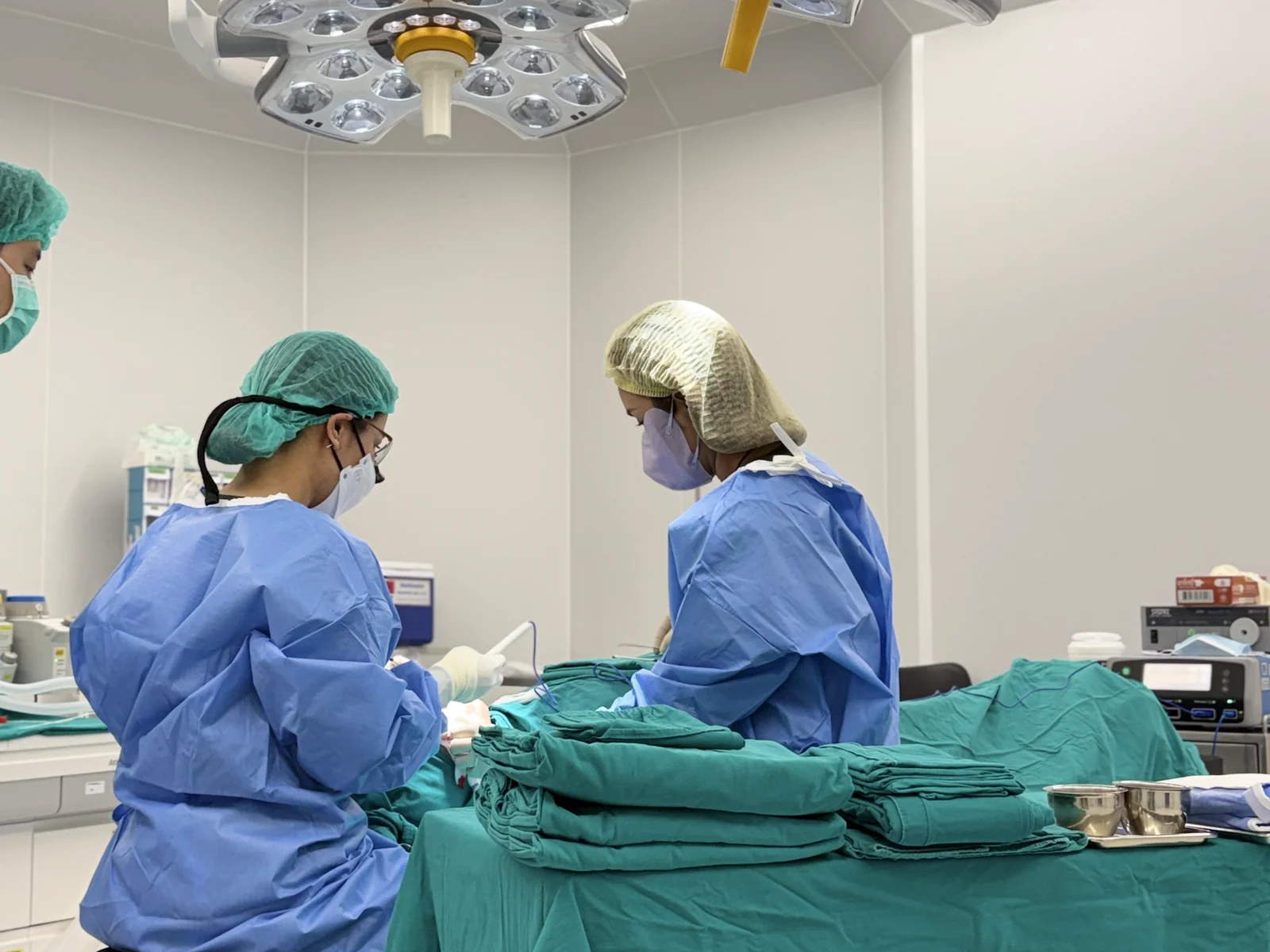
Surgery is performed in the operating room of a JCI- or AACI-accredited partner private hospital, with anesthesia care and continuous monitoring throughout.
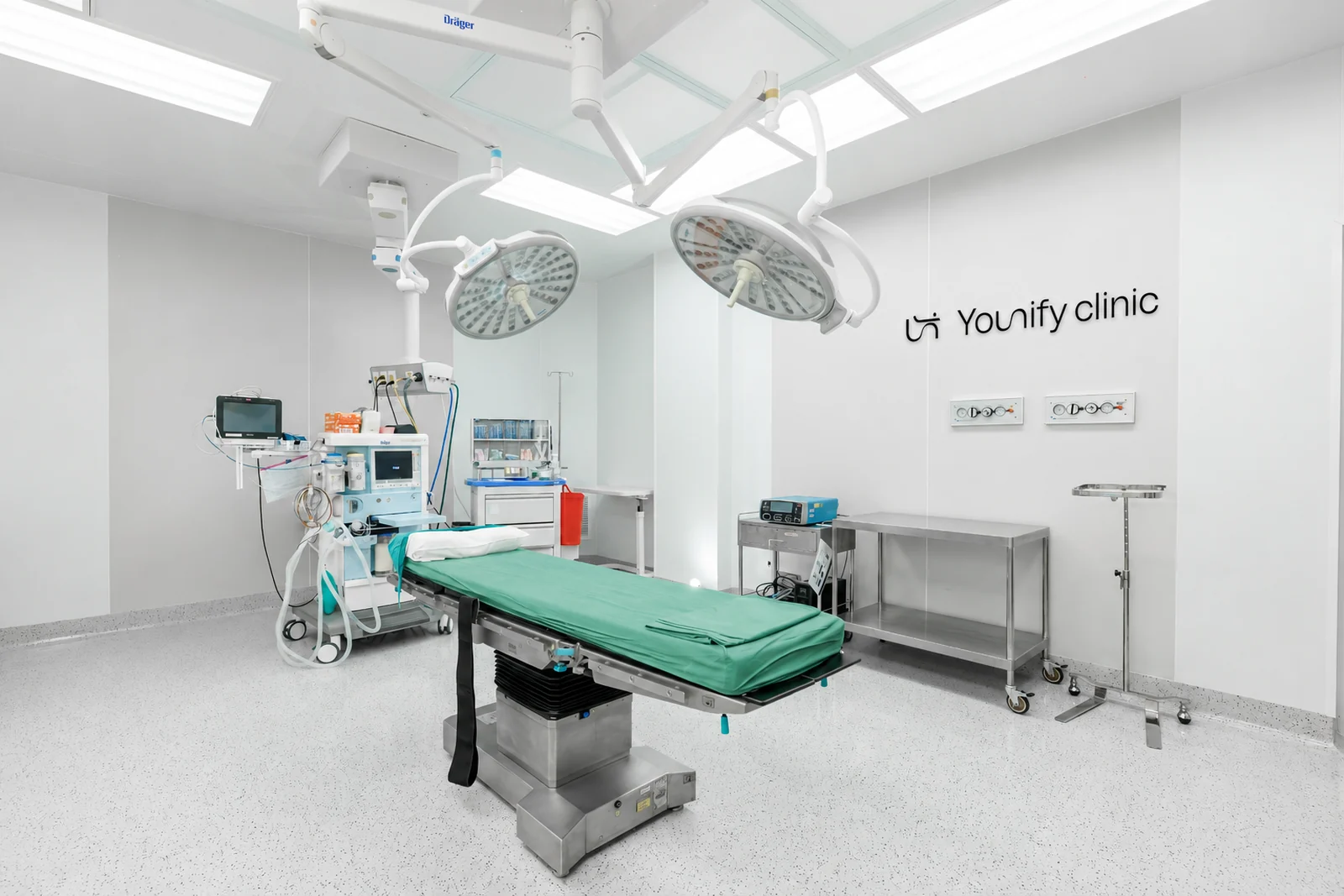
JCI- or AACI-accredited partner private hospital
Surgery takes place in a hospital operating room, not a clinic treatment room. Consultation and planning are led by the YOUNIFY Clinic team in Silom.
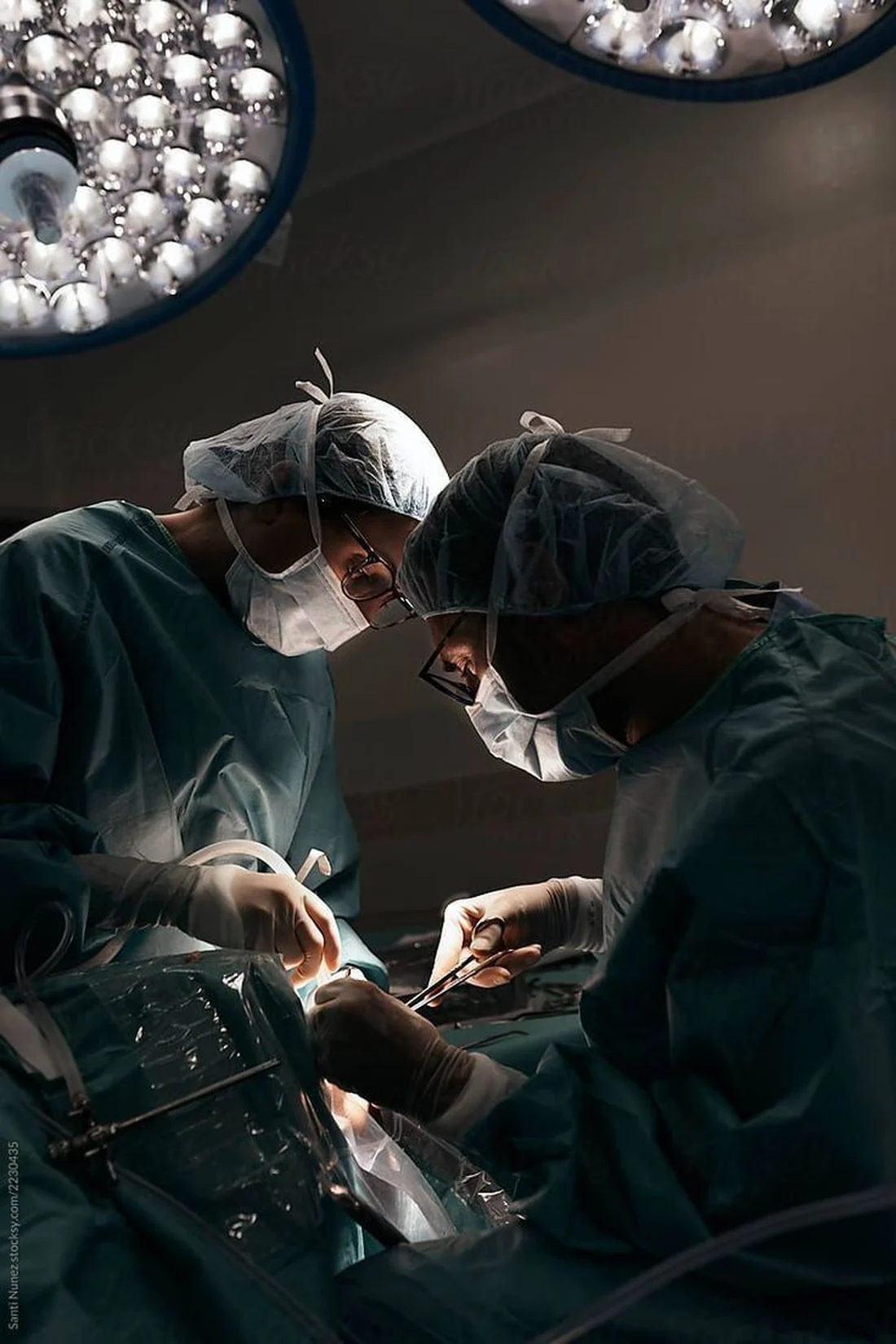
Specialist anaesthesia care
Anaesthesia is administered and monitored by a qualified anaesthesiologist for the duration of surgery.
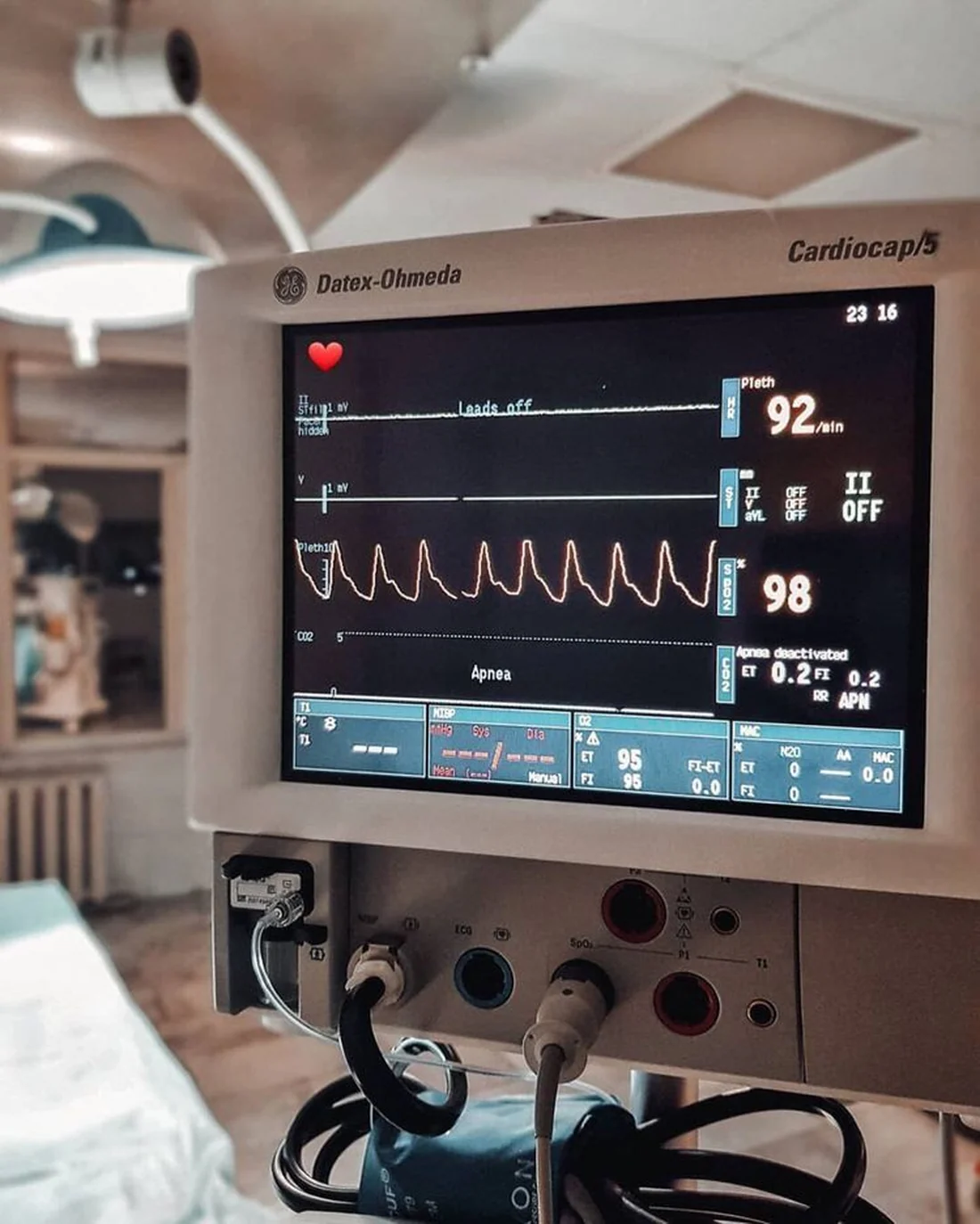
Continuous monitoring
Vital signs are monitored continuously during the procedure and through initial recovery.
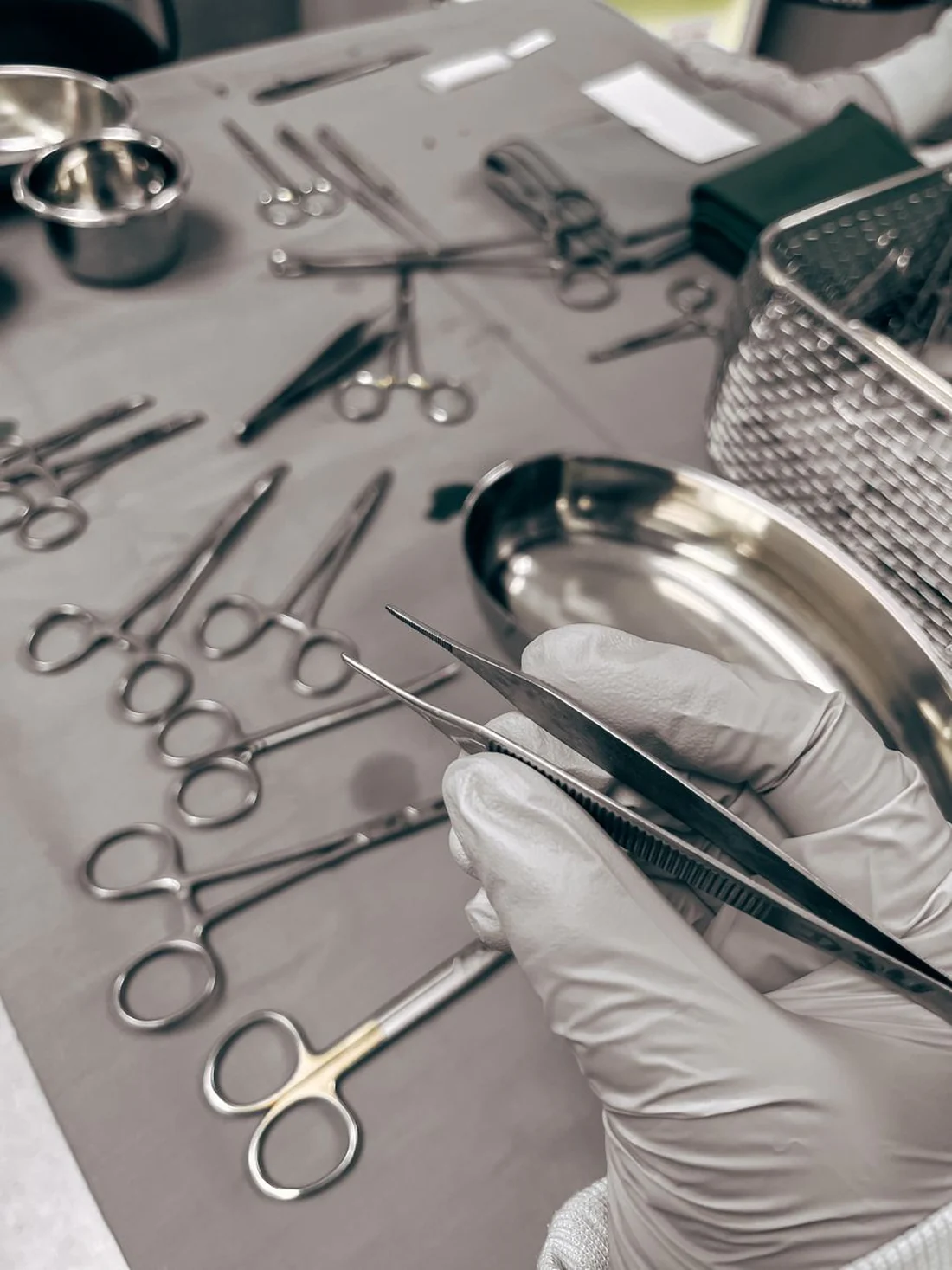
Sterile instrument protocol
Instruments and implants are handled under a documented sterile protocol.
Your surgical care with YOUNIFY
From the surgeon who operates to the nurses who follow up, with a private recovery suite at the partner hospital.
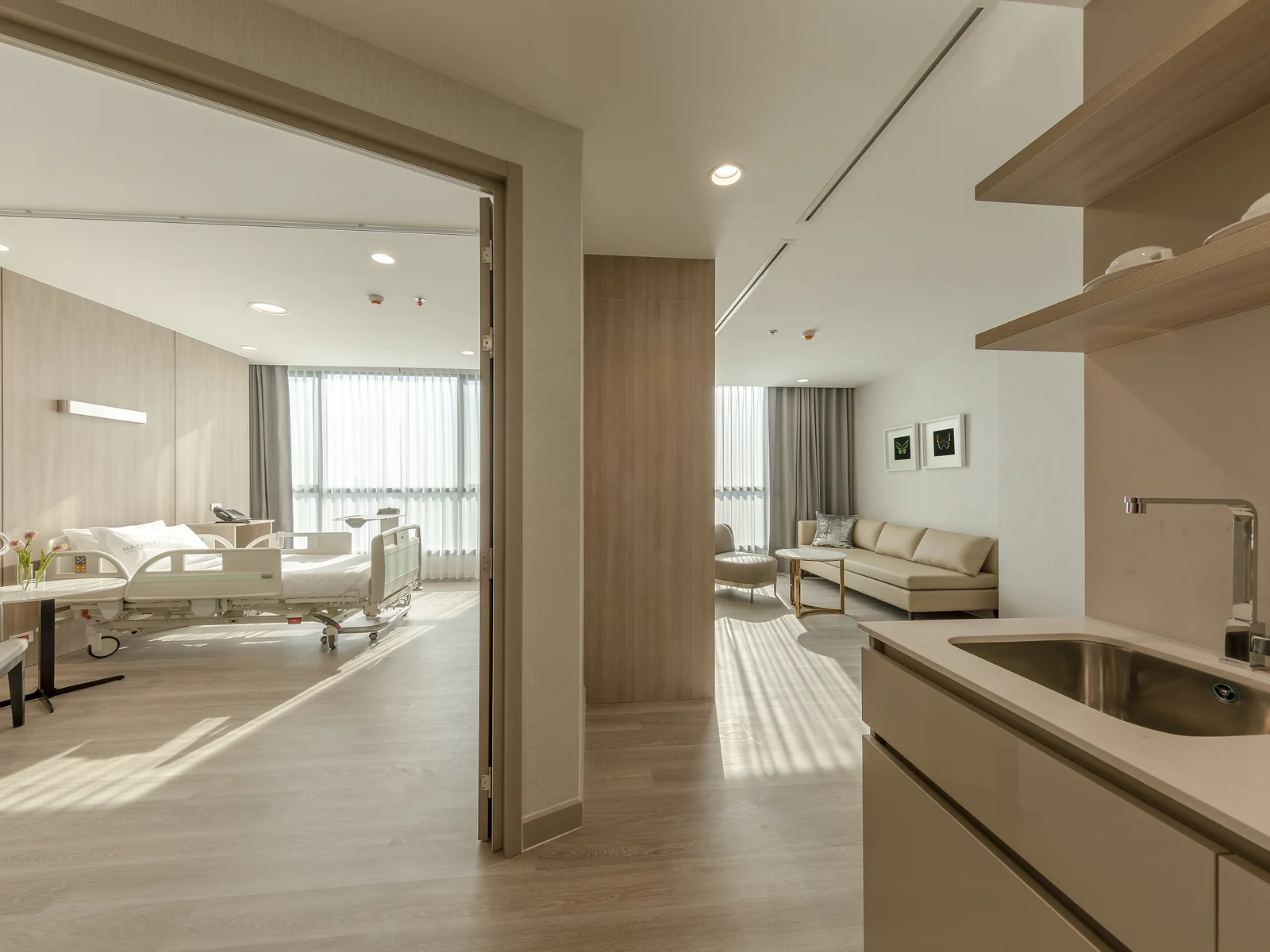
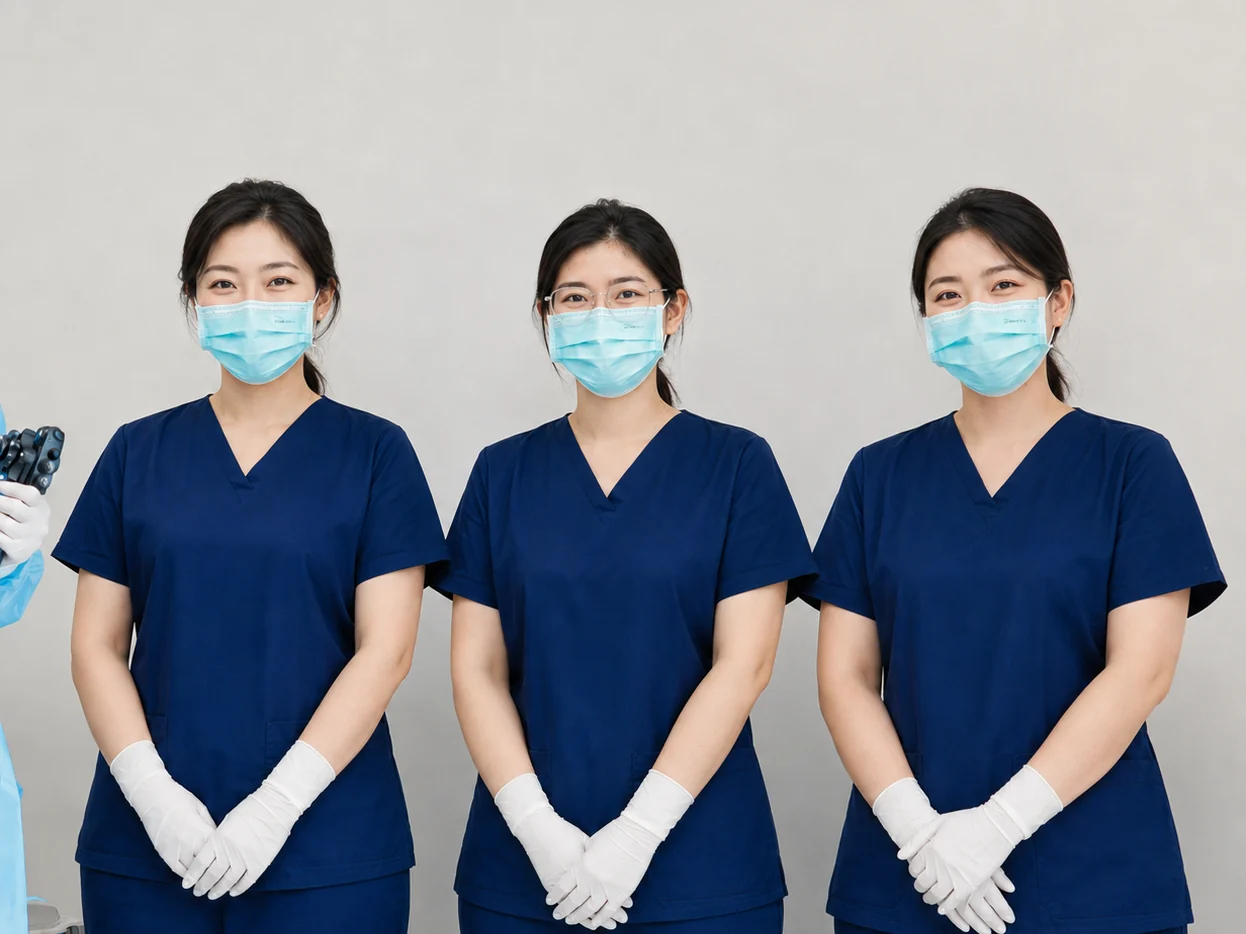
YOUNIFY Clinic in Silom
Consultation and assessment take place at our Silom clinic. Surgery is performed at a partner private hospital accredited by JCI / AACI.
- 2nd Floor, Room 214, United Center Building, 323 Silom Road, Silom, Bang Rak, Bangkok 10500, Thailand
- Near BTS Sala Daeng (5-min walk)
- Open daily 11:00–20:00
Before & After
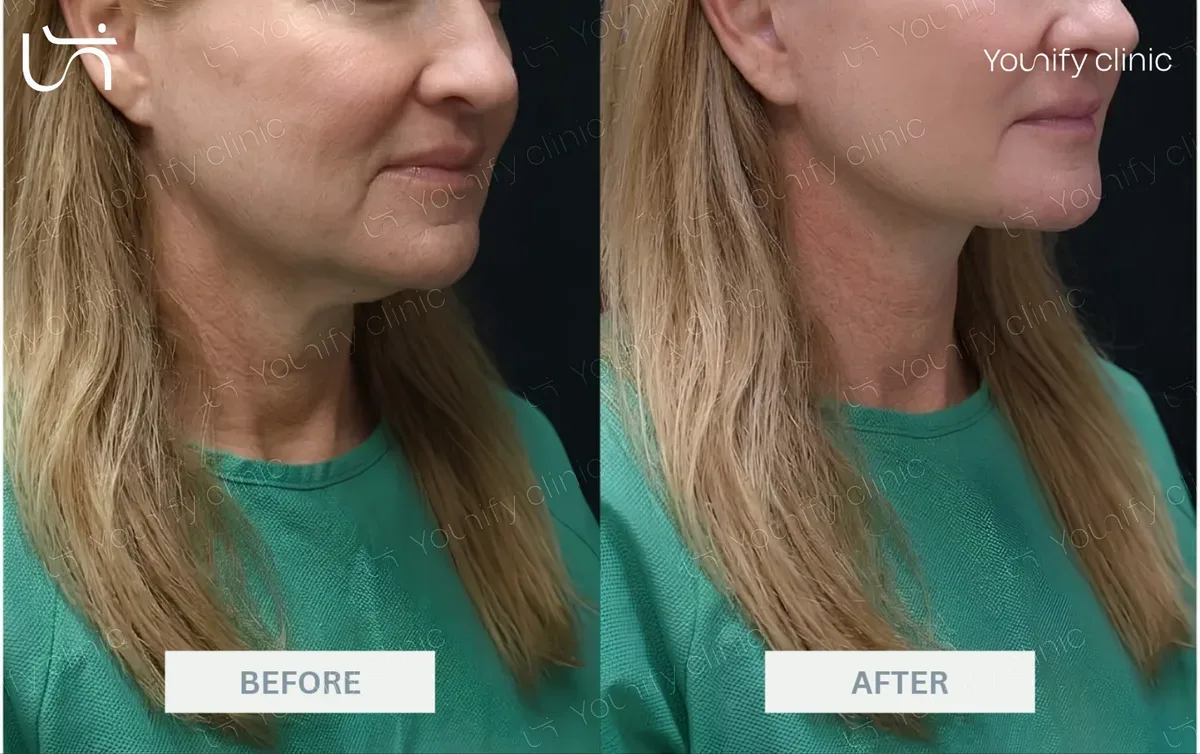
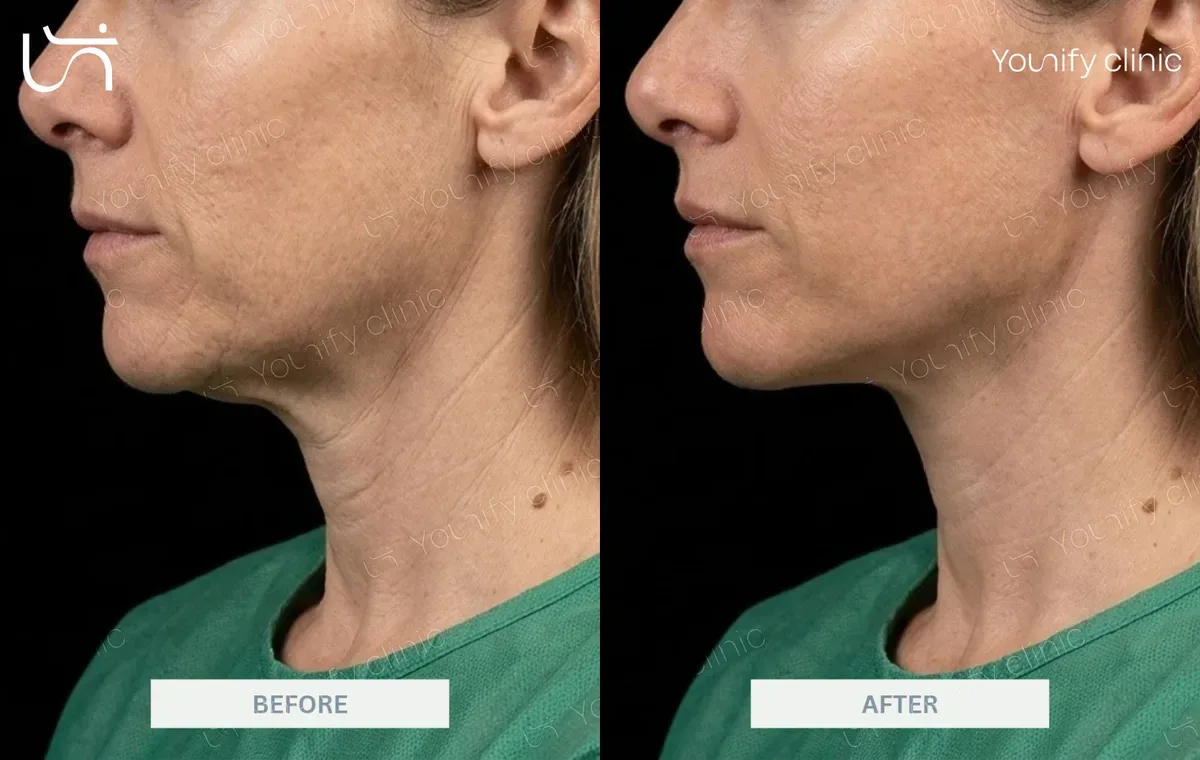
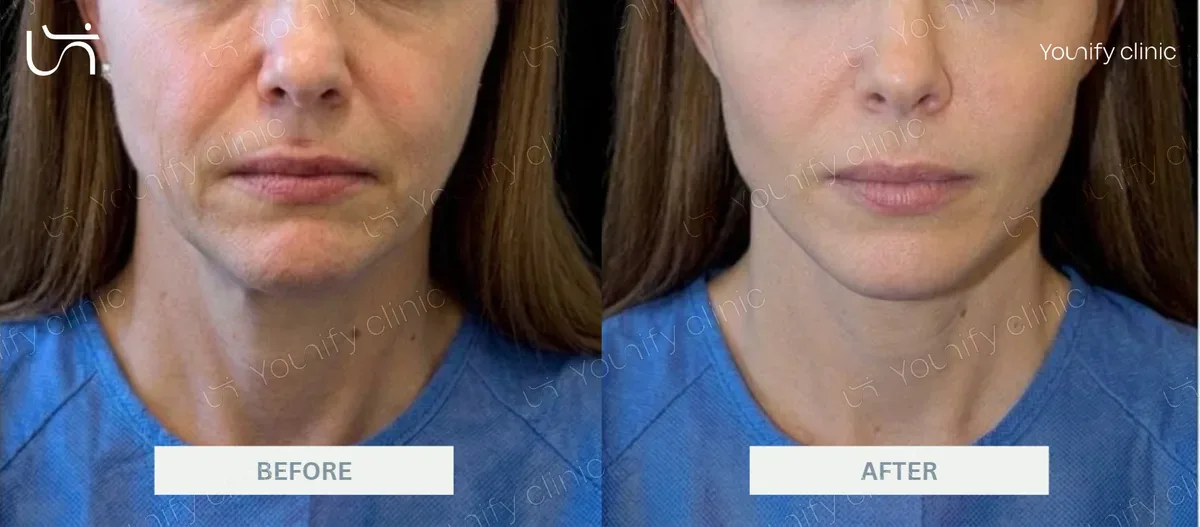
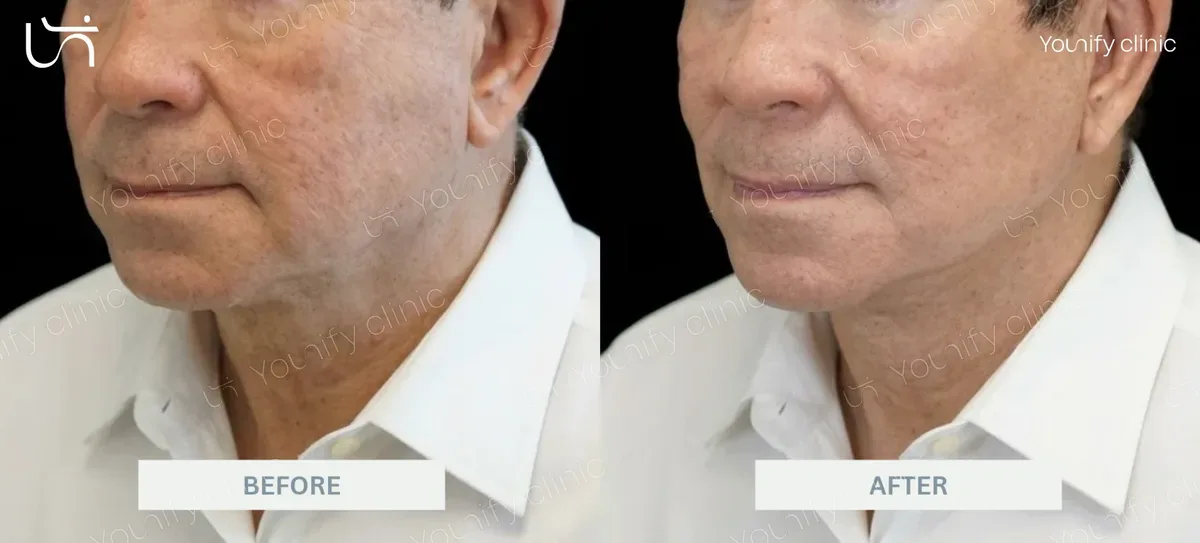
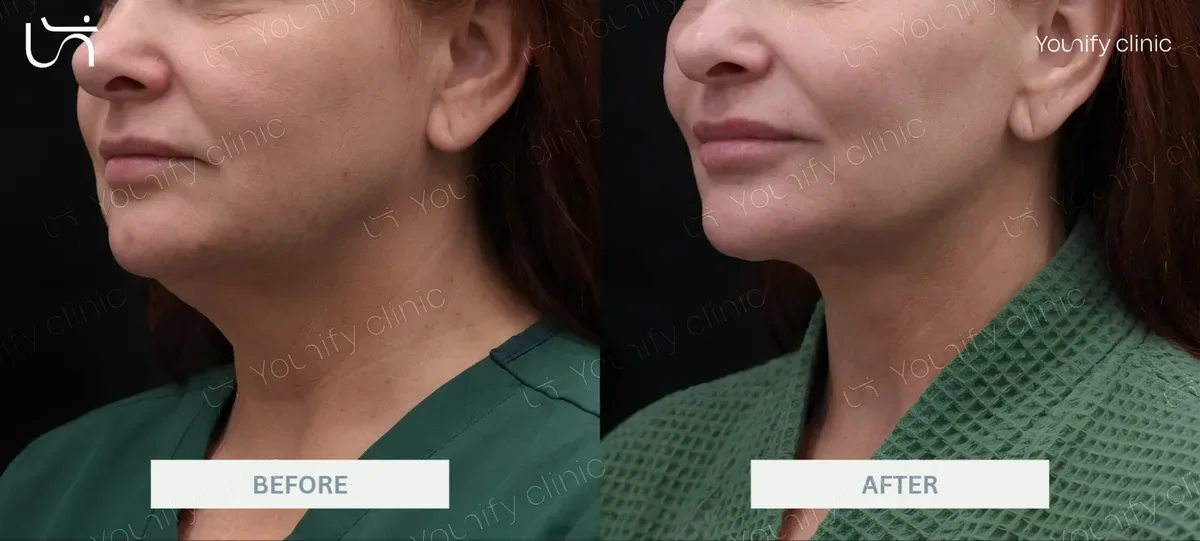
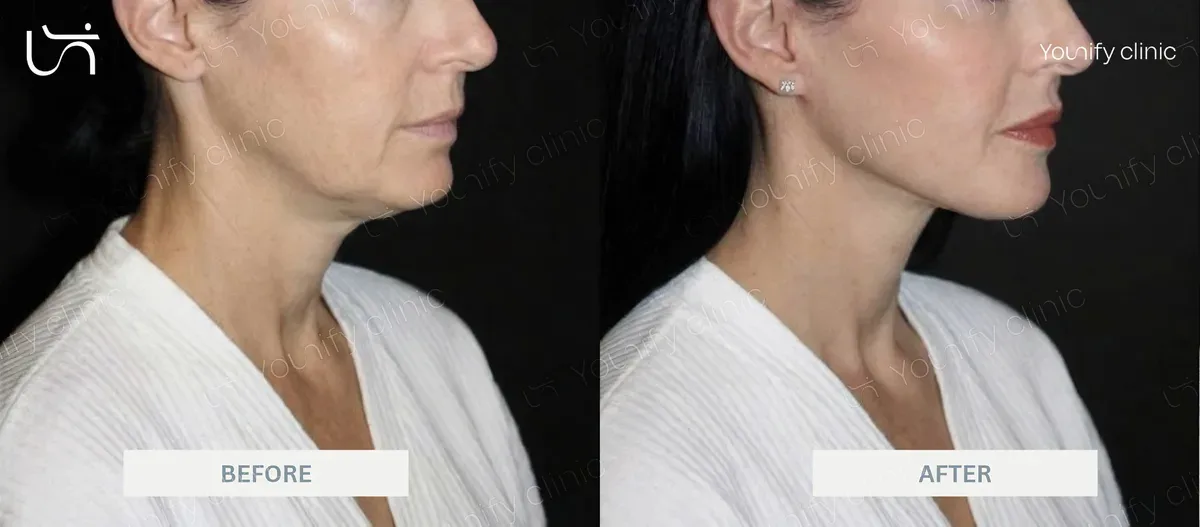
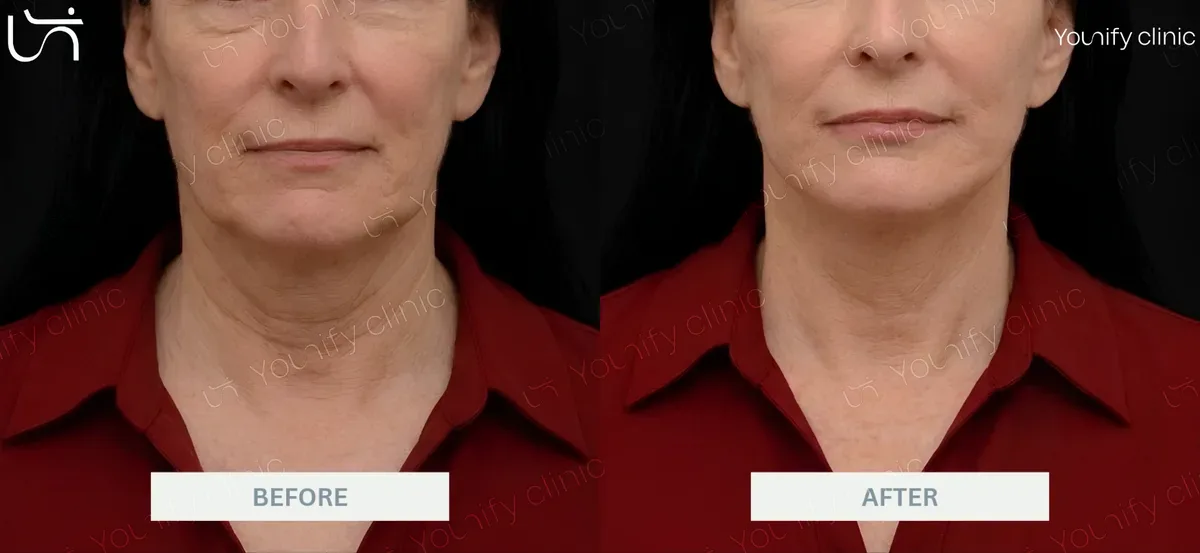
* Real patient results, published with consent. Individual results may vary.
Frequently asked questions
How much does a facelift cost in Bangkok?
With YOUNIFY Clinic a mini facelift starts from THB 125,000, a lower facelift from THB 159,000, and a full facelift from THB 219,000. Adding the neck (face and neck lift) starts from THB 219,000.
Clinic open daily, 11:00 to 20:00 (Bangkok time) · Online enquiries answered 24 hours a day
What is the difference between a deep plane and a SMAS facelift?
Both work beneath the skin. A SMAS lift tightens the muscular layer; a deep plane lift releases and repositions that layer together with the cheek fat pads. Your surgeon recommends the depth from your degree of laxity.
How is a facelift different from threads or HIFU?
Threads and energy devices tighten skin or the surface layer temporarily. A facelift repositions the deep layer, which is why its result generally lasts longer. Non-surgical options remain appropriate for early laxity.
How long do results last?
Many patients enjoy the result for years, although the face continues to age. Results vary by individual and by lifestyle.
Will scars be visible?
Incisions are placed along the hairline and around the ear so that they sit in natural creases. Scars fade over months but do not disappear completely.
Is recovery painful?
Most patients describe tightness and swelling rather than sharp pain, managed with standard medication. Bruising settles over two to three weeks.
When can I fly home?
Most international patients fly home within 10 to 14 days after review by the surgeon.
Can a facelift be combined with eyelid or brow surgery?
Yes. Combined facial procedures are planned together so that proportions are balanced and recovery happens once.
Will I look pulled or "done"?
A pulled appearance usually comes from tension on the skin. In a SMAS or deep plane facelift the lift is carried by the deeper layer and the skin is laid back without strain, which is designed to keep expression and movement natural. Your surgeon plans the depth and extent from your own tissues; results vary by individual.
How long does a deep plane facelift last?
No facelift stops aging, and no surgeon can promise a fixed number of years. Because a deep plane lift repositions the supporting layer rather than the skin, its result is generally expected to hold longer than skin-only or non-surgical methods. A stable weight, sun protection, and not smoking help sustain it. Results vary by individual.
YOUNIFY Clinic · 2nd Floor, Room 214, United Center Building, 323 Silom Road, Silom, Bang Rak, Bangkok 10500, Thailand · Near BTS Sala Daeng (5-min walk) · Open daily 11:00–20:00
WhatsApp +66 81 556 9696 · LINE @younifyclinic · Instagram @younifyclinicthailand · info [at] younifyclinic.com
How we reduce risk in surgery
- Your doctor is chosen for your procedure and your health.
- Aesthetic surgery is performed by board-certified plastic surgeons.
- For operations under general anesthesia, a board-certified anesthesiologist manages the anesthesia and stays throughout.
- Vital signs are monitored throughout the procedure.
- Pre-operative checks are completed before surgery.
- Follow-up visits are planned after surgery.
- An ICU bed is reserved for the operation at our partner private hospital accredited by JCI / AACI.
No surgery is free of risk, and your surgeon explains the risks that apply to you before you decide.
How to book an assessment
- Send us a message on WhatsApp, LINE or WeChat. Someone replies at any hour.
- Share your photos or medical records, and tell us what you would like to change or treat.
- A doctor reviews your case before you receive a quotation. We do not have sales staff.
- You receive a written plan with the starting price, the time you need in Bangkok and what is included.
Medically reviewed by Dr. Noppachai Siranart · Last reviewed
Surgery is performed by the clinic's two board-certified plastic surgeons at JCI- or AACI-accredited partner private hospitals in Bangkok.
Individual results may vary. Please consult a doctor before treatment.