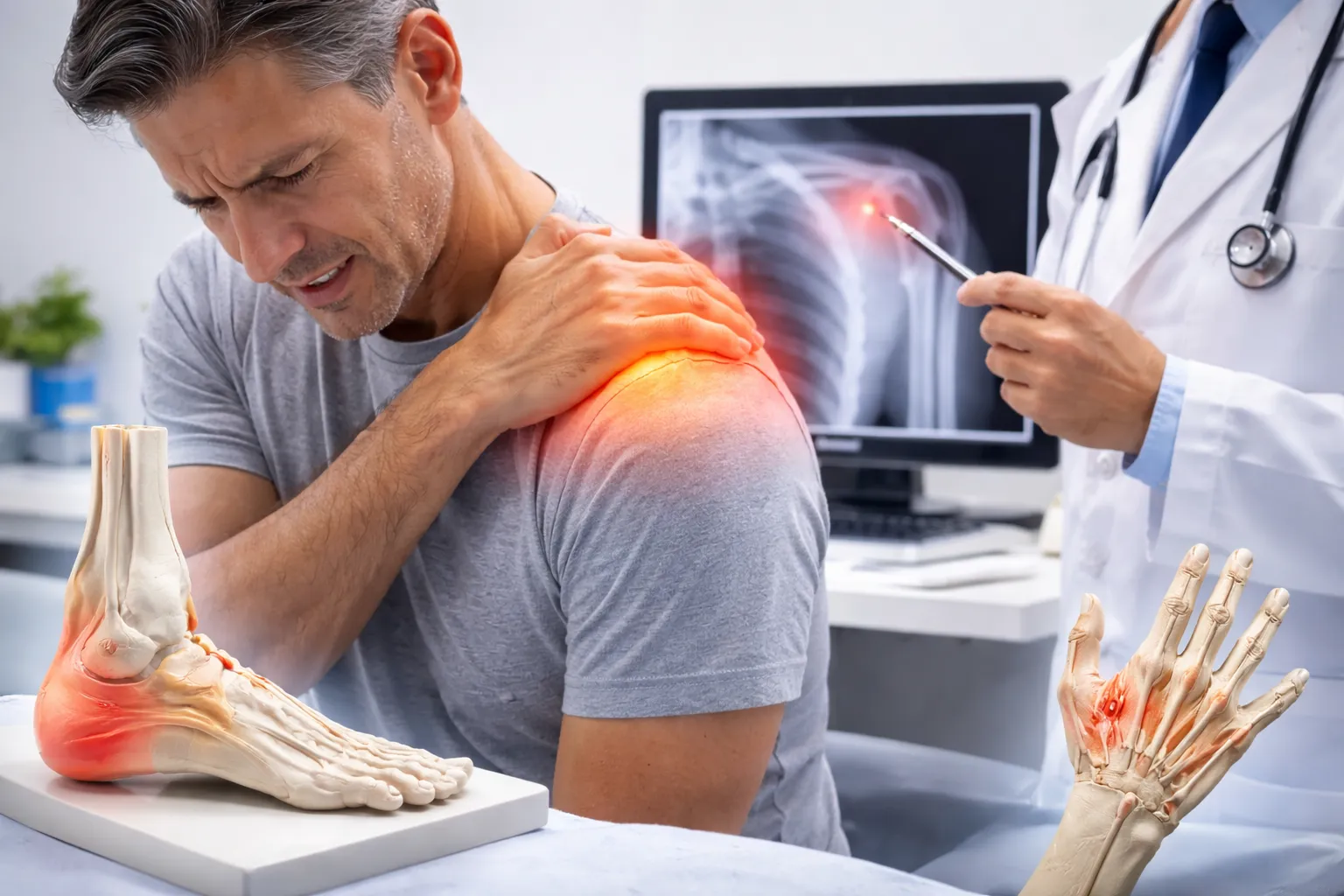
ينشأ ألم المفاصل الوجيهية من المفاصل الصغيرة خلف العمود الفقري. ويختبر الحصار التشخيصي للفرع الإنسي ما إذا كانت هذه المفاصل مصدر الألم، وذلك بتخدير الأعصاب التي تنقل ألمها مؤقتًا. وفي YOUNIFY Clinic، مركز الشيخوخة الصحية والعافية (Healthy Aging & Wellness Center) في سيلوم، بانكوك، قد يُعرض الكيّ بالتردد الحراري المبرَّد (Cooled RFA) على من تظهر لديهم استجابة واضحة ومؤقتة.
المحتويات
أبرز النقاط
- ينشأ ألم المفاصل الوجيهية من المفاصل الصغيرة المزدوجة في الجزء الخلفي من العمود الفقري، ويزداد غالبًا عند الانحناء إلى الخلف أو الالتفاف أو النهوض بعد الراحة.
- لأن صور الأشعة لا تؤكد مصدر الألم، لا يُجرى الكيّ بالتردد الحراري المبرَّد، الذي يستخدم مسبارًا بتبريد مائي داخلي على أعصاب الفرع الإنسي، إلا بعد نتيجة إيجابية للحصار التشخيصي.
- الراحة بعد الكيّ بالتردد الحراري المبرَّد مؤقتة لأن الأعصاب تنمو من جديد، وتختلف مدتها من شخص إلى آخر، ويمكن تكرار الإجراء إذا ساعد في المرة الأولى.
- سعر الحصار التشخيصي للفرع الإنسي ابتداءً من THB 22,000، وسعر الكيّ بالتردد الحراري المبرَّد ابتداءً من THB 280,000، ويُؤكَّد السعر في عرض أسعار مكتوب.
ما ألم المفاصل الوجيهية؟
ألم المفاصل الوجيهية هو ألم يبدأ في المفاصل الوجيهية (facet joints)، وهي مفاصل صغيرة مزدوجة تلتقي عندها كل فقرة بالفقرة التي تليها في الجزء الخلفي من العمود الفقري.
المفاصل الوجيهية مفاصل زلالية حقيقية مثل مفصل الركبة أو مفاصل الأصابع، وهي توجّه حركة الانحناء والالتفاف في العمود الفقري وتحدّ منها. ومع التآكل أو وضعيات الجسم غير المناسبة أو الإجهاد، قد تتهيّج هذه المفاصل وترسل إشارات الألم عبر عصبين دقيقين في كل مستوى، يُسمّيان أعصاب الفرع الإنسي.
ما أعراض ألم المفاصل الوجيهية؟
يظهر ألم المفاصل الوجيهية عادةً على شكل ألم مزعج في جانب واحد أو جانبي العمود الفقري، يزداد مع حركات معيّنة وبعد فترات الراحة.
- ألم أسفل الظهر قد يمتد إلى الأرداف أو الأربية أو الفخذ، ويتوقف عادةً فوق الركبة
- ألم الرقبة الذي قد يمتد نحو الكتفين أو أعلى الظهر
- تيبّس يزداد في الصباح أو بعد الجلوس دون حركة
- ألم يزداد عند الانحناء إلى الخلف أو الالتفاف أو تدوير الرأس
أما الألم الذي ينطلق إلى ما تحت الركبة أو على امتداد الذراع مع خدر أو وخز، فيشير أكثر إلى تهيّج جذر عصبي، ويُقيَّم بطريقة مختلفة.
لماذا يأتي الحصار التشخيصي أولًا؟
يأتي الحصار أولًا لأن صور الأشعة لا تُظهر أي مفصل هو المؤلم: فتآكل المفاصل الوجيهية في الأشعة السينية والرنين المغناطيسي شائع لدى أشخاص لا يشعرون بأي ألم.
الحصار التشخيصي للفرع الإنسي اختبار يرشد إلى الطريق الصحيح: فإذا خفّ ألمك المعتاد بوضوح لفترة قصيرة بعد تخدير أعصاب الفرع الإنسي، فمن المرجح أن هذه المفاصل مصدر مهم للألم. وبالنسبة لألم أسفل الظهر المزمن، توصي الإرشادات البريطانية بعدم إجراء إزالة التعصيب بالتردد الحراري إلا بعد استجابة إيجابية للحصار التشخيصي للفرع الإنسي. ويلجأ بعض الأطباء إلى حصارين في يومين مختلفين لتقليل النتائج الإيجابية الكاذبة (لماذا نبدأ بالحصار التشخيصي).
ماذا يتضمن الحصار التشخيصي للفرع الإنسي؟
الحصار التشخيصي للفرع الإنسي حقنة قصيرة موجّهة بالتصوير لمخدّر موضعي بجوار أعصاب الفرع الإنسي، ويعود معظم المرضى إلى منازلهم في اليوم نفسه.
1. تستلقي على بطنك، أو على جانبك مع دعم الرقبة.
2. يُخدَّر الجلد بمخدّر موضعي.
3. يوجّه طبيب طب الألم لدينا، باستخدام التنظير الفلوري (أشعة سينية مباشرة)، إبرة رفيعة إلى جوار كل عصب مستهدف، ثم يحقن كمية صغيرة من المخدّر الموضعي.
4. تستريح قليلًا، ثم تجرّب الحركات التي تؤلمك عادةً، وتسجّل ألمك في مفكرة خلال الساعات التالية.
يكون التأثير قصير الأمد لأن المخدّر يزول مفعوله، وهذا أمر متوقع. فالحصار اختبار، وليس العلاج النهائي. وسعره ابتداءً من THB 22,000.
ما الكيّ بالتردد الحراري المبرَّد، ولمن يناسب؟
الكيّ بالتردد الحراري المبرَّد (Cooled RFA) إجراء يُجرى عبر إبرة، لمن تأكّد لديهم أن الألم ينشأ من المفاصل الوجيهية بعد نتيجة إيجابية للحصار التشخيصي للفرع الإنسي.
يستخدم هذا الإجراء مسبارًا للتردد الحراري مزوّدًا بتبريد مائي داخلي، ما يتيح للطبيب إنشاء منطقة علاج حول العصب المستهدف أكبر من تلك التي ينشئها الكيّ التقليدي بالتردد الحراري، مع درجة حرارة أقل عند طرف المسبار. وبعد العلاج تنقل أعصاب الفرع الإنسي إشارات ألم أقل، في حين لا يتغيّر المفصل نفسه. وتشير بعض الدراسات إلى أن منطقة العلاج المستديرة تسمح للمسبار بالإحاطة بالعصب من زوايا متعددة. وقد تقدّم منشآت أخرى أشكالًا أخرى من العلاج بالتردد الحراري؛ أما في YOUNIFY Clinic فالخيار المتاح لألم المفاصل الوجيهية هو الكيّ بالتردد الحراري المبرَّد.
يُجري طبيب طب الألم لدينا الإجراء تحت تخدير موضعي، مع تهدئة خفيفة أو دونها، مستخدمًا التنظير الفلوري لوضع المسبار بجوار كل عصب تأكّد دوره، ثم يتحقق من الموضع بالأشعة قبل تطبيق العلاج. ويعود معظم المرضى إلى منازلهم في اليوم نفسه. وسعر الكيّ بالتردد الحراري المبرَّد ابتداءً من THB 280,000، ويُؤكَّد في عرض أسعار مكتوب بعد التقييم.
أين يأتي دور حقن المفاصل الوجيهية؟
حقن المفاصل الوجيهية يعني إدخال كورتيكوستيرويد لتهدئة الالتهاب، أو العلاج بالحقن التكاثري (prolotherapy) الذي يهدف إلى دعم استجابة الإصلاح الطبيعية في الجسم، داخل المفصل أو حوله. ويُقرَّر مدى ملاءمته لك بعد تقييم الطبيب، ويُحدَّد سعره بعد هذا التقييم.
| الحصار التشخيصي للفرع الإنسي | الكيّ بالتردد الحراري المبرَّد | حقن المفاصل الوجيهية | |
|---|---|---|---|
| الهدف | اختبار ما إذا كانت المفاصل الوجيهية مصدر الألم | راحة أطول بعد نتيجة إيجابية للحصار | علاج المفصل مباشرة عند الملاءمة |
| ما يُستخدم | مخدّر موضعي قرب أعصاب الفرع الإنسي | مسبار تردد حراري بتبريد مائي بجوار الأعصاب | كورتيكوستيرويد أو حقن تكاثري داخل المفصل أو حوله |
| التأثير المعتاد | قصير الأمد | مؤقت، لأن الأعصاب تنمو من جديد | يختلف من شخص إلى آخر |
| السعر | ابتداءً من THB 22,000 | ابتداءً من THB 280,000 | يُحدَّد بعد تقييم الطبيب |
تُجرى الإجراءات الثلاثة بتوجيه التنظير الفلوري، ويعود معظم المرضى إلى منازلهم في اليوم نفسه.
كيف يكون التعافي بعد الكيّ بالتردد الحراري المبرَّد؟
يعود معظم المرضى إلى منازلهم في اليوم نفسه، ويشعرون بألم خفيف في مواضع الإبر لبضعة أيام، ويلاحظون أن الراحة تتزايد تدريجيًا وليس فورًا.
قد يعاني بعض الأشخاص من اشتداد قصير لألمهم المعتاد، أو من حساسية في الجلد فوق المنطقة المعالَجة تشبه حروق الشمس. وبعد التهدئة الخفيفة، ينبغي أن يرافقك شخص إلى المنزل، وألا تقود السيارة في ذلك اليوم. وفترة انخفاض الألم هي الوقت المناسب لبناء القوة وتحسين وضعية الجسم والعودة إلى النشاط ضمن برنامج تمارين موجَّه.
كم تدوم الراحة بعد الكيّ بالتردد الحراري المبرَّد؟
الراحة مؤقتة، لأن الأعصاب المعالَجة تنمو من جديد ببطء، وتختلف مدتها من شخص إلى آخر.
في الدراسات، تختلف مدة الراحة بين الأشخاص: فقد أفادت دراسة استعادية واحدة عن الكيّ بالتردد الحراري المبرَّد لألم المفاصل الوجيهية أسفل الظهر بتحسّن واضح عند المتابعة بين 2 و6 أشهر، مع عودة جزئية للألم لدى بعض الأشخاص بين 6 و12 شهرًا. وإذا ساعد العلاج الأول بوضوح وعاد الألم نفسه، يمكن تكرار الكيّ بالتردد الحراري المبرَّد بعد المراجعة. ولا تزال الأبحاث جارية لتحديد التكرار الأمثل للعلاج.
ما المخاطر؟
الإجراءان طفيفا التوغل، لكن لا يخلو أي إجراء من المخاطر، ويشرح لك الطبيب المخاطر التي تنطبق عليك قبل أن توقّع على الموافقة.
- ألم أو كدمات في مواضع الإبر، أو اشتداد مؤقت للألم المعتاد
- خدر أو حساسية في الجلد فوق المنطقة المعالَجة بعد الكيّ بالتردد الحراري المبرَّد
- غير شائع: عدوى، أو نزيف، أو تفاعل مع أحد الأدوية
- جرعة صغيرة من الأشعة السينية من التنظير الفلوري
متى يجب مراجعة الطبيب فورًا؟
اطلب الرعاية الطارئة إذا ترافق ألم الرقبة أو الظهر مع:
- ضعف جديد في الذراع أو الساق
- فقدان التحكم في المثانة أو الأمعاء
- خدر في منطقة السرج (حول الأرداف والأعضاء التناسلية)
- حمّى مع ألم الظهر، أو احمرار وإفرازات في موضع الإبرة
- ألم بعد سقوط شديد
- فقدان وزن غير مبرَّر
متى قد ننصح بعدم إجراء التدخل؟
قد ننصح بعدم إجراء الحصار أو الكيّ بالتردد الحراري المبرَّد، أو بالانتظار، في الحالات التالية:
- تعذّر ضبط أدوية منع تخثر الدم بأمان حتى الآن
- وجود عدوى نشطة
- الحمل، لأن التوجيه يتم بالأشعة السينية
- عدم تأكيد مصدر الألم بحصار تشخيصي
- سوء السيطرة على السكري مع التفكير في حقن كورتيكوستيرويد
- توقّع حلٍّ دائم من الإجراء وحده، دون تمارين أو إعادة تأهيل
رأي الطبيب
مثال توضيحي (افتراضي)
مثال توضيحي، وليس مريضًا حقيقيًا: موظف مكتبي يعاني منذ أشهر عديدة من ألم أسفل الظهر يزداد عند النهوض بعد الجلوس وعند الانحناء إلى الخلف. ويُظهر الرنين المغناطيسي تآكلًا شائعًا في هذه المرحلة العمرية. يؤدي حصار تشخيصي للفرع الإنسي على مستويين إلى انخفاض واضح وقصير الأمد في الألم. وبعد المراجعة، يُناقَش الكيّ بالتردد الحراري المبرَّد مع برنامج لتقوية العضلات وخطة متابعة.
ما الخطوات التالية؟
1. أرسل تقرير الرنين المغناطيسي أو الأشعة السينية مع نبذة قصيرة عن ألمك.
2. يراجعه طبيب طب الألم لدينا.
3. تتلقى خطة علاج مكتوبة وعرض أسعار مكتوبًا.
4. إذا كان ذلك مناسبًا، يُجرى الحصار، ثم الكيّ بالتردد الحراري المبرَّد إذا كانت نتيجة الحصار إيجابية، في عيادتنا في سيلوم على بُعد 5 دقائق سيرًا من محطة BTS Sala Daeng.
5. نتابع معك مفكرة الألم وبرنامج التمارين.
أرسل صور الأشعة ونبذة قصيرة عن حالتك لمراجعتها من قِبل الطبيب عبر WhatsApp (+66 81 556 9696، https://wa.me/66815569696). يُرَدّ على الرسائل على مدار 24 ساعة، والعيادة مفتوحة يوميًا من 11:00 إلى 20:00، ويتوفر مترجمون ومنسقون لكل لغة يدعمها موقعنا. اطّلع على صفحات ألم الظهر وألم الرقبة والألم المزمن.

الأسئلة الشائعة
لماذا أحتاج إلى حصار الفرع الإنسي قبل الكيّ بالتردد الحراري المبرَّد؟
لا تُظهر صور الأشعة أي مفصل وجيهي يسبّب الألم. يخدّر الحصار أعصاب الفرع الإنسي لفترة قصيرة، وإذا انخفض ألمك المعتاد بوضوح فهذا يشير إلى أن هذه المفاصل هي المصدر. لذلك لا يُعرض الكيّ بالتردد الحراري المبرَّد إلا بعد هذه الاستجابة الإيجابية، حتى يُوجَّه العلاج إلى الهدف الصحيح.
ما الفرق بين الكيّ بالتردد الحراري المبرَّد والكيّ التقليدي بالتردد الحراري؟
يستخدم كلاهما طاقة التردد الحراري على أعصاب الفرع الإنسي. أما الكيّ المبرَّد فيدوّر الماء داخل المسبار، ما يتيح للطبيب إنشاء منطقة علاج أكبر عند درجة حرارة أقل لطرف المسبار. ولا ينبغي افتراض أنه أفضل للجميع. وفي YOUNIFY Clinic، الخيار الذي نقدّمه بالتردد الحراري لألم المفاصل الوجيهية هو الكيّ بالتردد الحراري المبرَّد.
هل يؤلم حصار الفرع الإنسي أو الكيّ بالتردد الحراري المبرَّد؟
يُخدَّر الجلد أولًا، وقد تُستخدم تهدئة خفيفة مع الكيّ بالتردد الحراري المبرَّد. ويصف كثيرون شعورًا بالضغط أو ألمًا خفيفًا قصيرًا بدلًا من ألم حاد، مع اختلاف التجربة من شخص إلى آخر. ومن الشائع الشعور بألم في مواضع الإبر لبضعة أيام.
كم تكلفة حصار الفرع الإنسي والكيّ بالتردد الحراري المبرَّد في بانكوك، وهل يغطيها التأمين؟
سعر الحصار التشخيصي للفرع الإنسي ابتداءً من THB 22,000، وسعر الكيّ بالتردد الحراري المبرَّد ابتداءً من THB 280,000، أما حقن المفاصل الوجيهية فيُحدَّد سعرها بعد تقييم الطبيب. ويُؤكَّد سعرك في عرض أسعار مكتوب. ونُعِدّ لك تقريرًا طبيًا وإيصالًا مفصّلًا لتقديم مطالبتك إلى شركة التأمين بنفسك.
هل يمكن تكرار الكيّ بالتردد الحراري المبرَّد إذا عاد الألم؟
نعم، إذا حقق العلاج الأول راحة واضحة وعاد الألم نفسه في الموضع نفسه. وقبل التكرار نفحصك من جديد ونتحقق مما إذا كان نمط الألم قد تغيّر. وقد يستدعي النمط الجديد حصارًا تشخيصيًا آخر، أو البحث عن مصدر مختلف للألم.
ماذا لو لم يساعد حصار الفرع الإنسي؟
هذه معلومة مفيدة في حد ذاتها. فهي تشير إلى أن المفاصل الوجيهية ليست المصدر الرئيسي، لذا من غير المرجح أن يساعد الكيّ بالتردد الحراري المبرَّد ولا نعرضه. ثم ينظر الطبيب في مصادر أخرى، مثل القرص الفقري أو جذر العصب أو المفصل العجزي الحرقفي.
المراجع
- Cascio MA, Dua A, Varacallo MA. Lumbosacral Facet Syndrome. StatPearls, NCBI Bookshelf, updated 2025.
- Low back pain and sciatica in over 16s: assessment and management (NG59). National Institute for Health and Care Excellence (NICE), via NCBI Bookshelf, 2016, updated 2020.
- Lumbar radiofrequency facet joint denervation. Academy of Medical Royal Colleges, Evidence-Based Interventions programme, reviewed 2024.
- Candan B, Gungor S. Cooled-radiofrequency neurotomy for the treatment of chronic lumbar facet (zygapophyseal) joint pain: a retrospective study. Medicine (Baltimore), 2021.
- McCormick ZL, et al. A pragmatic randomized prospective trial of cooled radiofrequency ablation of the medial branch nerves versus facet joint injection of corticosteroid for the treatment of lumbar facet syndrome: 12 month outcomes. Pain Medicine, 2023.
ملاحظة طبية
هذا المقال لأغراض المعلومات العامة ولا يُغني عن الفحص أو التشخيص أو العلاج الطبي. وإذا كانت الأعراض شديدة أو سريعة التغيّر أو طارئة، فيُرجى طلب الرعاية الطبية فورًا.
قد تختلف النتائج من شخص لآخر. يُرجى استشارة الطبيب قبل العلاج.
هل تريد معرفة خطة الرعاية المناسبة لك؟
شاركوا أعراضكم وتاريخكم الصحي والأدوية أو الإجراءات السابقة وأهدافكم الشخصية. ويمكن لفريقنا المساعدة في ترتيب تقييم طبي.
استشيروا YOUNIFY Clinic