
ESG in Bangkok is non-surgical weight loss via endoscopic sleeve gastroplasty. Learn how it works, who qualifies, expected results and recovery at YOUNIFY Clinic.
Contents
Key Takeaways
- ESG (Endoscopic Sleeve Gastroplasty) reshapes the stomach into a smaller sleeve using an endoscope through the mouth — no abdominal incisions, no external incisions, and no stomach is removed, making it minimally invasive compared with surgery.
- Typically around 15–18% of body weight over one year; individual results may vary. ESG is a tool that makes behavior change easier, not a one-time fix.
- Because there are no external incisions, most patients go home the same day or after a short observation period, with typically about 1–3 days recovery.
What is ESG?
ESG reshapes the stomach into a narrower, tube-like (sleeve) form using an endoscope — a slim, flexible camera passed through the mouth into the stomach — together with a specialized suturing device that folds and stitches the stomach wall from the inside to make it smaller.
What makes ESG different from traditional weight-loss surgery is that there are no abdominal incisions, no external incisions, and no part of the stomach is removed. Everything is done through the mouth, making it minimally invasive compared with surgery. In many cases ESG can also be adjusted or revised later, unlike surgery, which removes stomach tissue that cannot be restored.
At YOUNIFY Clinic in Silom, Bangkok, the procedure is performed under the care of our medical team, using techniques and equipment that meet recognized international standards.
How does ESG work?
Once the stomach is sutured into a smaller shape, two effects help with weight management:
- You feel full sooner and for longer. With less internal volume, smaller portions create fullness, making it easier to control how much you eat without constant hunger.
- Food moves through more slowly. The tube-shaped stomach slows how quickly food leaves, so fullness lasts longer and snacking between meals tends to decrease.
Who is a candidate for ESG?
ESG is often considered for people whose BMI falls in the overweight-to-obese range (commonly around 27–40) who have not reached their goals through lifestyle changes alone, people who do not want or are not suited to bariatric surgery but want a less invasive option, and people carrying excess weight together with related conditions such as elevated blood sugar, high blood pressure, abnormal cholesterol, or sleep apnea. The final assessment is made by the medical team.
ESG may not be suitable for those with certain digestive conditions, such as an untreated stomach ulcer, bleeding disorders, or previous stomach surgery. For this reason, everyone should have an evaluation and consultation with the medical team to determine whether ESG fits their body and goals.
How much weight loss can you expect?
The most common question is “how much will I lose?” Based on medical data, typically around 15–18% of body weight over one year; individual results may vary.
For example, someone starting at 90 kg might lose roughly 13–18 kg over a year — but this is not a fixed outcome. Actual results depend on eating habits, physical activity, starting weight, and consistent self-care.
The YOUNIFY medical team always emphasizes that ESG is a tool that makes behavior change easier — not a one-time fix. Patients who see strong, lasting results usually use the period after the procedure to build new eating and lifestyle habits alongside it.
The procedure, recovery, and aftercare
Before: The medical team reviews your history, examines you, and may perform a preliminary endoscopy to assess suitability, with preparation guidance such as fasting beforehand. For international patients, this can often be coordinated efficiently within your trip.
During: The procedure is done through the mouth with an endoscope, under general anaesthesia given by an anaesthesiologist, so you do not feel pain during it. It generally takes a little over an hour, and because there are no external incisions, most patients go home the same day or after a short observation period.
Recovery: Typically about 1–3 days. In the early period you may have mild abdominal discomfort, nausea, or fullness, which usually improves over time. The medical team provides care and appropriate medication to ease symptoms.
Eating afterward: Progression is gradual — from liquids to soft foods to normal portions — following guidance from the medical team and nutritionist, with scheduled follow-ups. This continued care is a key reason results last.
ESG vs. surgery, balloon, and GLP-1
Each option has its own strengths and limits; the choice should be made with the medical team based on your body and goals. If you are comparing ESG with surgery, see gastric sleeve surgery in Thailand.
- ESG (endoscopic suturing): No surgery, no external incisions, no stomach removed, short recovery, and often adjustable — for those wanting a less invasive alternative to surgery.
- Sleeve gastrectomy (surgery): Irreversibly removes part of the stomach; often greater weight loss, but involves incisions and a longer recovery — for patients whose weight the surgeon considers to warrant it.
- Gastric balloon: A temporary device placed to reduce space, removed after a set period, unlike ESG which reshapes the stomach itself.
- GLP-1 medications: Help manage appetite and blood sugar, used under a doctor’s supervision, alone or alongside a procedure in some cases.
Doctors
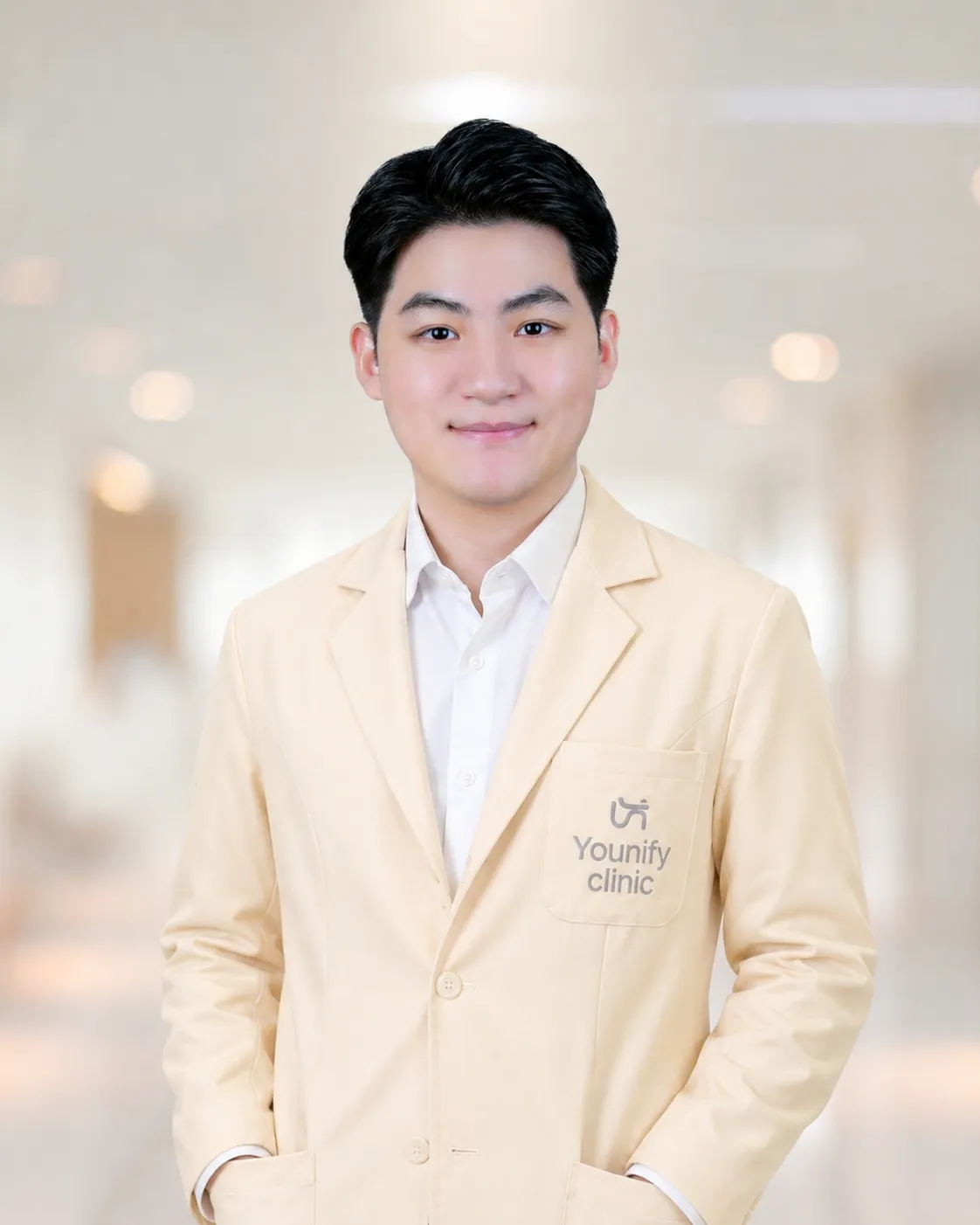

Dr. Kittithat Tantitanawat
Gastroenterology and Hepatology
Thai Subspecialty Board of Gastroenterology
View full profile
Frequently Asked Questions
Is ESG painful?
The procedure is performed under general anaesthesia given by an anaesthesiologist, so you do not feel pain during it. Afterward you may have mild abdominal discomfort or fullness at first, which usually improves within a few days.
Do I need to stay in hospital, and how long is recovery?
Because there are no external incisions, most patients go home the same day or after a short observation period, with typically about 1–3 days recovery.
How long do the results last?
Suturing the stomach makes portion control easier, but maintaining weight long term depends on behavior change and ongoing self-care. Individual results may vary.
Can I eat normally afterward?
You gradually return to normal foods, though portions per meal are smaller because you feel full sooner. The medical team and nutritionist guide you on suitable eating habits.
How is ESG different from a gastric balloon?
A balloon is a temporary device that must be removed after a set period, whereas ESG reshapes the stomach by suturing it from the inside, with no device left in place.
Do I need GLP-1 medications too?
Some patients may be advised to combine them to support results, depending on the medical team’s assessment. Any medication use must always be supervised by the medical team.
References
- Improvement of Obesity-Related Comorbidities After Bariatric Procedures: A Network Meta-Analysis of Endoscopic Versus Surgical Interventions (Digestive Diseases and Sciences, 2026)
Read next in this series
- Am I a Candidate for Endoscopic Sleeve Gastroplasty (ESG)? Eligibility Criteria, Contraindications, and Who Should Wait
- Endoscopic Sleeve Gastroplasty (ESG) vs Gastric Balloon: How They Differ and How to Choose
- Endoscopic Sleeve Gastroplasty (ESG) or GLP-1 Medication: Which Should You Start With?
- Endoscopic Sleeve Gastroplasty (ESG) Recovery and Diet Timeline: What You Can Eat, and When
- Endoscopic Sleeve Gastroplasty (ESG) Long-Term Results: The 1-Year and 5-Year Data, and Whether the Weight Comes Back
- Endoscopic Sleeve Gastroplasty (ESG) Cost in Thailand: A Complete Budget Guide for International Patients
- Obesity and weight management: the options available and how to choose
Medical Note
This article is for general information and does not replace medical examination, diagnosis, or treatment. If symptoms are severe, changing quickly, or urgent, seek medical care promptly.
Individual results may vary. Please consult a doctor before treatment.
Want to know which care plan fits you?
Share your symptoms, health history, medications or prior procedures, and personal goals. Our team can help arrange a medical assessment.
Consult YOUNIFY Clinic