Precision Oncology
Precision Oncology
Understanding an individual tumour in more detail, so that treatment decisions rest on more information.
Клиника открыта ежедневно с 11:00 до 20:00 (по времени Бангкока) · Онлайн-запросы принимаем круглосуточно
Precision Oncology
Understanding an individual tumour in more detail, so that treatment decisions rest on more information.
Клиника открыта ежедневно с 11:00 до 20:00 (по времени Бангкока) · Онлайн-запросы принимаем круглосуточно
This page is for understanding, not diagnosis or individual treatment advice. If you are currently under treatment, decisions should be made together with your treating physician, and you should not change or stop existing treatment on your own.
Precision oncology means choosing treatment with reference to the genomic characteristics of an individual person's tumour, rather than by cancer type alone. Once the alterations in a tumour are known, the medical team can consider whether a drug acts on that specific mechanism. One thing to understand from the outset: not every tumour carries a genomic alteration for which a targeted drug exists (an actionable alteration). Testing may find an alteration with a matching therapy, an alteration with no available therapy, or nothing of significance. All three are real outcomes, and each one informs what happens next.
Care runs in three steps: diagnostic imaging → genomic profiling of the tumour → planning together with you and your treating physician.
Every step is designed to work with the team already treating you, not to replace them.
The two give different views and carry different limits. The medical team picks whichever answers the clinical question in your case.
| Tissue (NGS) | Blood (liquid biopsy / ctDNA) | |
|---|---|---|
| Sample | Tissue from the tumour | Blood |
| Practicality | Requires sufficient tissue; a further biopsy may be needed | A standard blood draw |
| Strength | Reads the tumour directly | Easier to repeat, and may reflect disease at several sites |
| Limitation | Older tissue may not reflect the current state; some sites are hard to biopsy | ctDNA may be too scarce to detect, so a negative result does not prove absence |
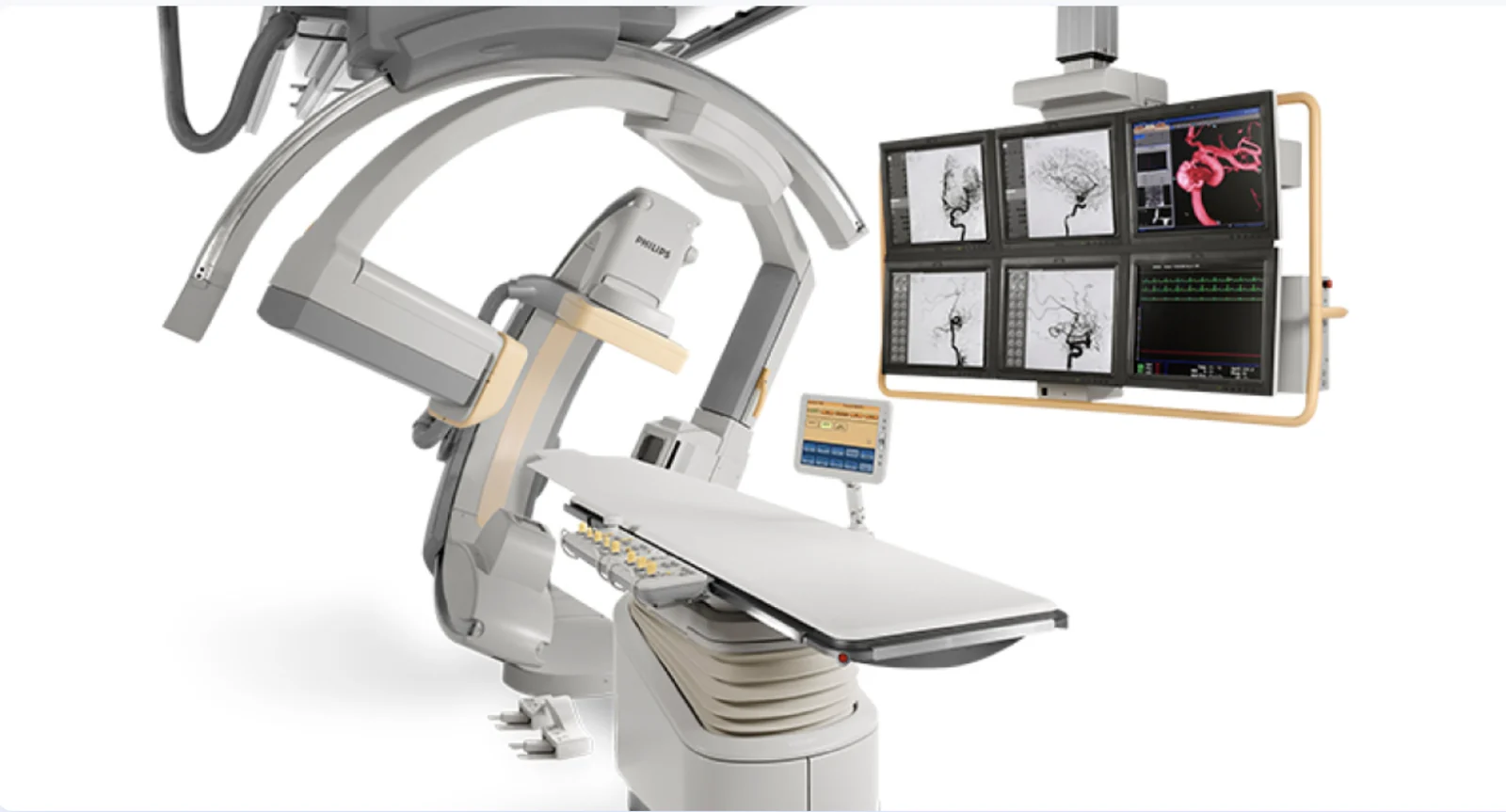
CT or MRI shows the location, size, and spread of disease, which is the baseline every plan depends on.
There are two main routes: from tissue already stored or newly taken (tissue NGS), and from blood, which looks for fragments of tumour DNA circulating in the bloodstream (liquid biopsy / ctDNA). The medical team decides which to start with, or whether to combine them, based on the disease, the tissue available and the clinical question. Biomarkers commonly assessed include EGFR, ALK, ROS1, HER2, BRAF, KRAS, RET, NTRK and MET, along with markers relevant to immunotherapy such as PD-L1, MSI and TMB. What is actually tested depends on the disease and the panel chosen.
Targeted therapy acts on a specific mechanism a cancer cell uses to grow, so it is considered when testing finds a matching alteration; many drugs in this class are taken orally (oral TKIs). Immunotherapy works differently, helping the immune system recognise and act on cancer cells; its use is guided by markers such as PD-L1, MSI or TMB together with the clinical picture. Both classes have side effects that require monitoring, and neither suits every patient. The medical team explains the expected benefit and the risks before anything begins. Where a drug must be given intravenously, we refer to a partner hospital for administration.
Lung · gastrointestinal (gastric, oesophageal, pancreatic, hepatobiliary) · colorectal · breast · prostate. For treatment outside the clinic's scope, such as chemotherapy, radiotherapy, and cancer surgery, we coordinate referral to partner facilities and work alongside the team already caring for you.
Not every tumour carries an alteration for which a targeted drug exists, and results may not change the treatment plan · testing takes time to return, which has to be weighed against how urgently treatment is needed · a negative result does not prove no alteration is present, particularly with blood-based testing · a tumour's alterations can change over time and with treatment · these tests are not cancer screening for people without a diagnosis · having genomic information is not a promise of any outcome and does not replace decisions made with your treating physician.
Cost depends on the type of testing, the breadth of the panel chosen and the individual care plan. The medical team assesses you and confirms all costs before anything begins. You are welcome to ask for an indicative range on LINE or WhatsApp first.
Genomic profiling helps in some situations and not others. The medical team assesses with you, first, whether the information is likely to change a decision at all.
That is a real and not uncommon outcome. We explain what the result means and how it can still inform later decisions.
We will not propose further testing that has no clinical reason behind it.
Tissue already stored at another facility can usually be requested without a new biopsy. Where there is none, or too little, the medical team considers alternatives such as blood-based testing or taking further tissue, weighed against your physical condition.
No. Not every tumour carries an alteration for which a targeted drug exists. Testing may find an alteration with no available therapy, or nothing of significance, and that information still informs planning.
Yes, and we encourage you to continue with the team treating you. Our role is to add information for your decision. You should not adjust or stop existing treatment on your own.
Profiling a tumour's genome is a different question from inherited genetic testing within a family. If a result suggests a possible inherited component, the medical team explains it and advises on the appropriate route.
Your diagnosis and cancer type, pathology report, most recent imaging, current medication list and treatment history. The fuller the picture, the more precisely the team can assess it.
Медицинская проверка: д-р Noppachai Siranart · Последняя проверка
Результаты индивидуальны. Перед лечением проконсультируйтесь с врачом.