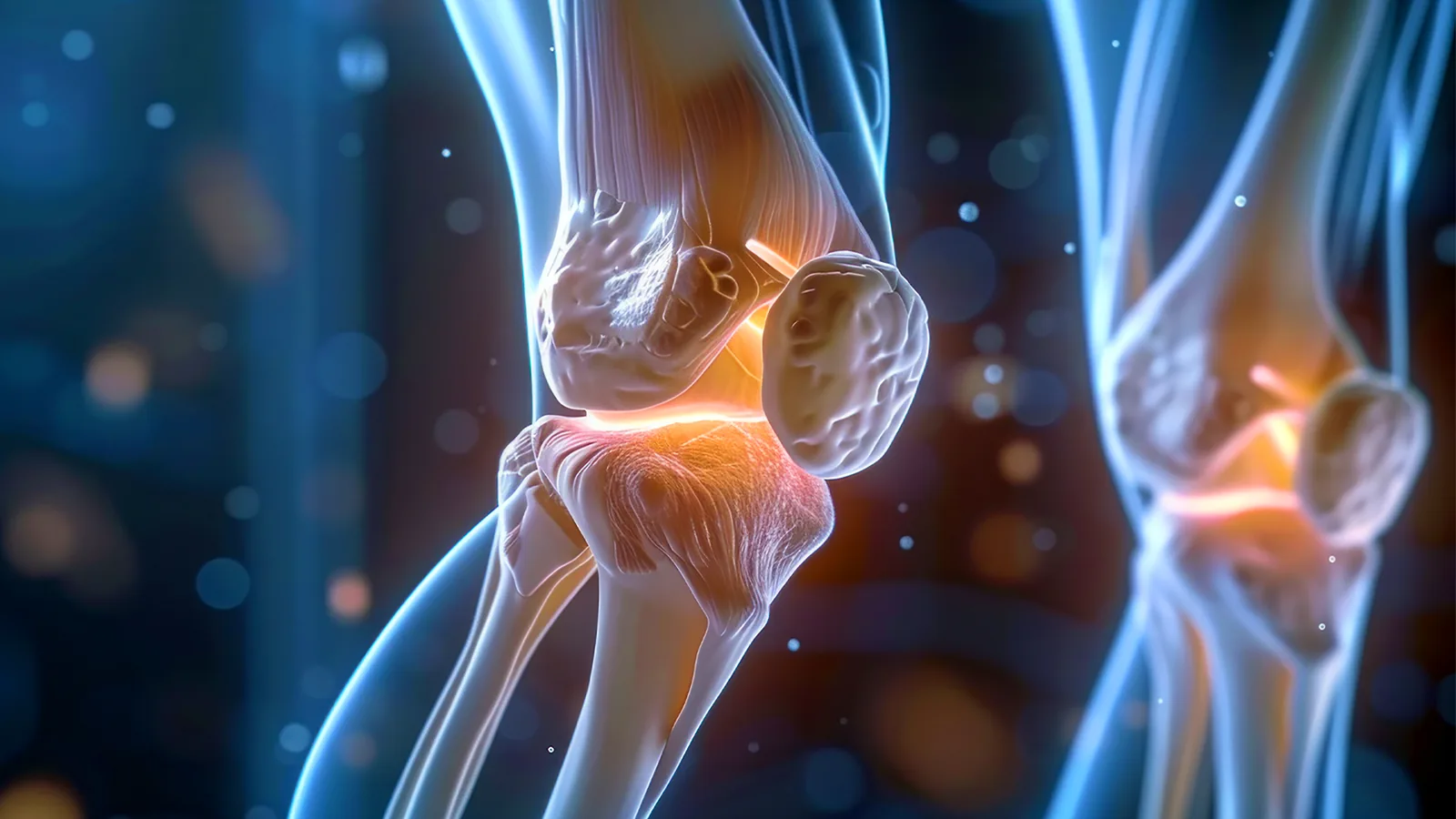
GAE knee treatment (Genicular Artery Embolization) in Bangkok — a non-surgical option to ease knee osteoarthritis pain, same-day discharge for most patients. Consult our medical team.
Contents
Key Takeaways
- GAE (Genicular Artery Embolization) is a minimally invasive, non-surgical procedure that helps manage knee osteoarthritis pain through a tiny pinhole at the wrist or groin — no open surgery and no joint replacement.
- GAE targets the inflammation and pain driven by abnormal new blood vessels around the joint. It does not regrow cartilage or reverse degeneration, so it does not cure osteoarthritis — but it can make daily movement more comfortable.
- Most patients recover quickly and can usually go home the same day. Results may last several years in some cases, typically 1–5 years, depending on the individual.
What is GAE?
GAE stands for Genicular Artery Embolization. It is an interventional radiology procedure (interventional radiology = treatment delivered through a very small catheter guided by live X-ray imaging) designed to help relieve pain caused by knee osteoarthritis.
Here is the core idea. When a knee is chronically inflamed, the body grows abnormal tiny blood vessels (neovascularization = new vessels that should not normally be there) in the joint lining. These vessels tend to bring along small nerve fibers and feed the cycle of inflammation and pain. GAE selectively blocks these abnormal vessels to reduce inflammation and calm pain signals — without opening the knee.
Because access is through a small pinhole at the wrist or groin, GAE is considered minimally invasive, with no large surgical wound.
How GAE works
The mechanism can be broken into simple steps:
- Map the target: Using angiography (X-ray imaging of blood vessels), the medical team locates the small genicular arteries feeding the inflamed joint lining.
- Guide the catheter: A very fine catheter is passed through a pinhole at the wrist or groin and advanced to the target vessels under image guidance.
- Embolize abnormal vessels: Tiny particles (embolic microspheres) are released to reduce blood flow in the abnormal vessels, so inflammation and pain signaling gradually settle.
- Preserve normal supply: The goal is to target only the abnormal, inflammation-related vessels — not the main blood supply the knee needs.
Who is a candidate — and who is not
GAE may be a suitable option for people who have chronic knee pain from mild-to-moderate knee osteoarthritis, have already tried non-surgical care (pain/anti-inflammatory medication, physiotherapy, weight management, joint injections) but still have pain that affects daily life, are not ready for surgery or wish to avoid or delay total knee replacement (TKA), or have health conditions that make major surgery higher risk.
GAE may not be suitable, or needs careful assessment, in cases of very advanced end-stage osteoarthritis with severe deformity or bone-on-bone changes, active infection in the joint or at the access site, severe arterial disease or poor circulation in the legs, bleeding disorders, or severe contrast allergy. Deciding who is a candidate requires a full history, physical examination, and review of X-ray/MRI images together — which is why an individual assessment by the medical team matters most.
Procedure and recovery
GAE is often a relatively quick procedure that, in many cases, does not require an overnight hospital stay. In brief:
- Before: The medical team assesses you, reviews your knee imaging, and explains realistic expectations openly.
- During: Local anesthetic is used at the access point. You are usually awake, and the procedure is performed through a small pinhole at the wrist or groin under X-ray guidance.
- After: You are observed for a short period. Most patients recover quickly and can usually go home the same day.
- Recovery: You may notice temporary effects such as a dull ache around the knee, bruising, or mild skin discoloration at the access site, which typically improve over time.
How long do results last
A common question is how many years the benefit lasts. Based on current evidence, results may last several years in some cases, typically 1–5 years, depending on the individual.
Durability is influenced by the initial degree of joint degeneration, body weight, how the knee is used, strengthening exercise for the muscles around the knee, and overall health. Because GAE manages symptoms rather than stopping the degenerative process, some people may consider repeating it or combining it with other care over time. The medical team will help plan individualized follow-up.
GAE vs other options
GAE is not a replacement for surgery in every case. It fills a middle-ground gap for people whose medication and injections are no longer enough, but who are not ready for — or wish to avoid — major surgery. The right path should be chosen together with the medical team.
| Option | Nature | Best suited for | Notes |
|---|---|---|---|
| Medication (pain/anti-inflammatory) | First-line care | Mild-moderate symptoms | Ongoing use; stomach/kidney precautions |
| Physiotherapy + weight management | Essential foundation | All stages | Should accompany every option |
| Joint injections (steroid/lubricant) | Periodic relief | Intermittent pain | Effect often temporary; may need repeating |
| GAE | Minimally invasive; targets inflammation/pain | Chronic pain not improving with basic care | Does not reverse degeneration; same-day discharge for most patients |
| Total knee replacement (TKA) | Major surgery | Severe end-stage disease | Longer recovery, but addresses joint structure |
Doctors

Dr. Thanakrit Mangklapaiboon
Interventional Radiology
Fellowship in Body Interventional Radiology
View full profile
Frequently Asked Questions
Does GAE cure knee osteoarthritis?
No. GAE does not cure osteoarthritis or reverse cartilage degeneration. It helps manage pain and inflammation so you can move more comfortably. Individual results may vary.
Is GAE painful?
It is performed under local anesthetic. Most people stay awake throughout and may feel some tightness or soreness during the procedure, with a possible dull ache during recovery that usually eases over time.
Do I need to stay in hospital?
In many cases no overnight stay is needed. Most patients recover quickly and can usually go home the same day.
When will I see results?
Many people feel less pain within a few weeks, though the timing of the response varies between individuals.
Can I still have a knee replacement later?
Generally, GAE does not close off the option of future surgery. If a knee replacement becomes necessary later, the medical team will assess and plan accordingly.
What are the risks?
As with any procedure, there may be temporary effects such as knee soreness, bruising, or mild skin discoloration. The medical team always evaluates suitability and explains individual risks before treatment.
References
- Knee pain - Symptoms and causes (Mayo Clinic)
- Knee pain (NHS)
- Arthritis of the Knee (American Academy of Orthopaedic Surgeons OrthoInfo)
- Guidelines for Osteoarthritis Treatments (Arthritis Foundation / American College of Rheumatology)
Read next in this series
Medical Note
This article is for general information and does not replace medical examination, diagnosis, or treatment. If symptoms are severe, changing quickly, or urgent, seek medical care promptly.
Individual results may vary. Please consult a doctor before treatment.
Want to know which care plan fits you?
Share your symptoms, health history, medications or prior procedures, and personal goals. Our team can help arrange a medical assessment.
Consult YOUNIFY Clinic