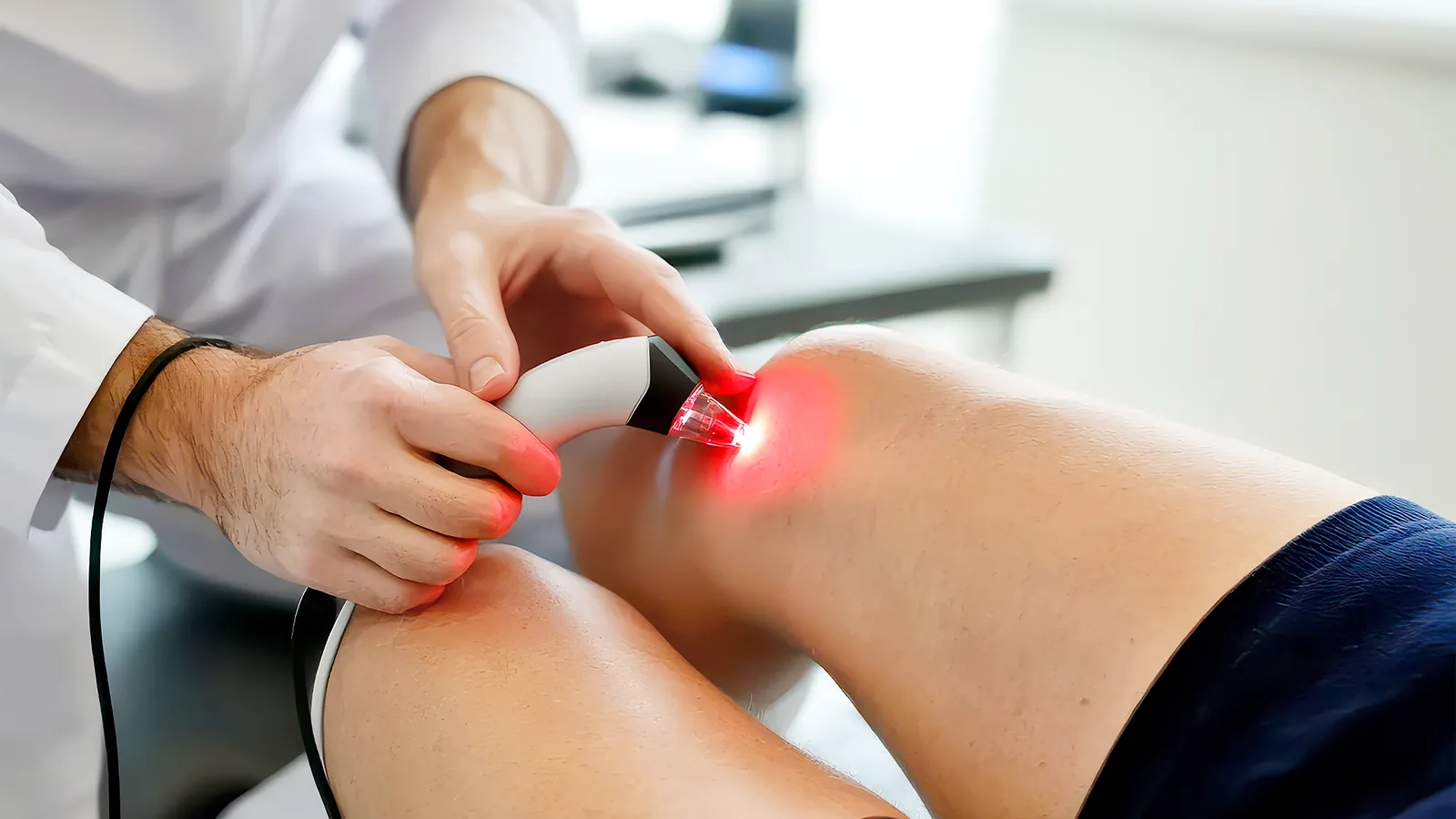
العلاج التداخلي للألم هو استخدام إجراءات دقيقة بالإبرة وموجّهة بالتصوير لإيصال الدواء أو الطاقة مباشرة إلى مصدر الألم، مثل عصب أو مفصل أو عضلة. في YOUNIFY Clinic، مركز الشيخوخة الصحية والعافية في سيلوم، بانكوك، تايلاند، قد يناسب هذا النهج من يستمر ألمه المزمن رغم الأدوية والعلاج الطبيعي ولا يرغب في الجراحة.
المحتويات
أبرز النقاط
- يعتمد العلاج التداخلي للألم على إجراءات دقيقة بالإبرة موجّهة بالتصوير تستهدف مصدر الألم، مثل عصب أو مفصل أو عضلة، ويقع بين الأدوية اليومية والجراحة.
- بعض الإجراءات تشخيصية تؤكد مصدر الألم، وبعضها علاجي يهدف إلى تخفيف الألم لفترة حتى يصبح التأهيل أسهل.
- يعود معظم المرضى إلى منازلهم في اليوم نفسه. تختلف درجة التحسن من شخص إلى آخر، ولا تدوم نتائج كثير من الإجراءات بشكل نهائي.
- في YOUNIFY Clinic، يجري طبيب الألم إجراءات الأعصاب والعمود الفقري، ويجري طبيب الأشعة التداخلية الإصمام الشرياني الدقيق (TAME).
ما هو العلاج التداخلي للألم؟
هو علاج يوصل كمية صغيرة من الدواء أو الطاقة بدقة إلى مصدر الألم، بدلاً من الاعتماد على أدوية فموية تؤثر في الجسم كله.
إذا استمر الألم أسابيع أو أشهراً ولم تعد الأقراص وحدها كافية، فربما صادفتَ مصطلح "العلاج التداخلي للألم" (interventional pain management). يقع هذا النهج بين الأدوية اليومية والجراحة، وكثيراً ما يُظن خطأً أنه جراحة صغيرة. والحقيقة أنه إجراء بالإبرة دون شقوق جراحية كبيرة، يستهدف بنية واحدة يُشتبه في أنها مصدر الألم، مثل المفاصل الصغيرة في الجزء الخلفي من العمود الفقري، أو جذر عصب محدد، أو عقدة مشدودة ومؤلمة في عضلة.
في YOUNIFY Clinic، يجري طبيب الألم لدينا إجراءات الأعصاب والعمود الفقري. ولمعرفة الفرق بين طبيب الألم وجرّاح العظام، راجع مقالنا ما هو طب الألم.
لماذا يهمّ التوجيه بالتصوير؟
يتيح التوجيه بالتصوير للطبيب رؤية طرف الإبرة أثناء العمل، فيضعها في الموضع المقصود ويتجنّب البنى المهمة المجاورة.
"الموجّه بالتصوير" (image-guided) يعني أن الطبيب يتابع صورة حيّة أثناء الإجراء. وبحسب نوع الإجراء، قد تكون الصورة:
- التنظير الفلوري (fluoroscopy): أشعة سينية متحركة تُظهر العظام وموضع الإبرة لحظة بلحظة، وغالباً ما تُستخدم مع مادة تباين للتأكد من وصول الدواء إلى المكان الصحيح.
- الموجات فوق الصوتية (ultrasound): تُظهر الأنسجة الرخوة والعضلات والأوعية الدموية دون إشعاع.
يذكر المرجع الطبي StatPearls أن حقن الستيرويد فوق الجافية يُجرى عادةً بالتنظير الفلوري مع مادة التباين، ويوصي بشدة باستخدام التوجيه بالتصوير في حصار العقدة النجمية. وهذا من أسباب إمكانية إجراء هذه التدخلات في غرفة إجراءات بدلاً من غرفة العمليات.
ما الإجراءات التي يشملها العلاج التداخلي للألم؟
تختلف الإجراءات بحسب موضعها وهدفها: بعضها تشخيصي، وبعضها علاجي، وبعضها يجمع بين الأمرين.
| الإجراء | موضع العمل | الهدف الرئيسي | من يجريه | السعر الابتدائي |
|---|---|---|---|---|
| الحصار العصبي التشخيصي (حصار الفرع الإنسي، medial branch block) | الأعصاب المغذّية للمفاصل الوجيهية (facet joints) خلف العمود الفقري | تشخيصي: اختبار ما إذا كانت المفاصل الوجيهية مصدر الألم | طبيب الألم | ابتداءً من THB 22,000 |
| الكيّ بالتردد الحراري المبرَّد (Cooled RFA) | الأعصاب نفسها بعد نتيجة إيجابية للحصار التشخيصي | علاجي: حرارة مضبوطة لتقليل نقل إشارات الألم | طبيب الألم | ابتداءً من THB 280,000 |
| حقن المفاصل الوجيهية (facet joint injection) | داخل المفصل الوجيهي أو حوله | علاجي: قد يكون الدواء كورتيكوستيرويداً أو بلازما غنية بالصفائح (PRP) أو علاجاً تكاثرياً (prolotherapy) بحسب الخطة | طبيب الألم | يُحدَّد السعر بعد تقييم الطبيب |
| حقن الستيرويد فوق الجافية (epidural steroid injection) | الحيّز فوق الجافية حول أعصاب العمود الفقري | علاجي: يُستخدم غالباً للألم الممتد إلى الذراع أو الساق | طبيب الألم | ابتداءً من THB 129,000 |
| حقن جذر العصب الانتقائي (selective nerve root injection) | جذر عصب واحد محدد | تشخيصي وعلاجي | طبيب الألم | يُحدَّد السعر بعد تقييم الطبيب |
| رأب الأعصاب فوق الجافية بالبالون (epidural balloon neuroplasty) | الحيّز فوق الجافية الذي توجد فيه التصاقات تضغط على الأعصاب | علاجي | طبيب الألم | ابتداءً من THB 170,000 |
| حقن نقاط الزناد (trigger point injection / الوخز الرطب) | عقدة مشدودة ومؤلمة في العضلة | علاجي | طبيب الألم | ابتداءً من THB 1,800 |
| حصار العقدة النجمية (stellate ganglion block) | مجموعة أعصاب عند قاعدة الرقبة | علاجي: بعض أنواع الألم العصبي في الرأس والرقبة والذراع | طبيب الألم | ابتداءً من THB 37,500 |
| الإصمام الشرياني الدقيق (TAME) | أوعية دموية صغيرة غير طبيعية حول مفصل أو وتر ملتهب، مثل الكتف المتجمدة ومرفق التنس ومرفق لاعب الغولف والتهاب اللفافة الأخمصية | علاجي | طبيب الأشعة التداخلية | ابتداءً من THB 129,000 |
وبصورة تقريبية، تبدأ الأسعار من THB 1,800 لحقن نقاط الزناد، وتصل إلى سعر ابتدائي قدره THB 170,000 لرأب الأعصاب فوق الجافية بالبالون، ويُؤكَّد السعر الفعلي لكل حالة بعرض سعر مكتوب بعد تقييم الطبيب. ولمعرفة سبب إجراء الحصار التشخيصي قبل الكيّ، راجع مقالنا لماذا الحصار قبل الكيّ بالتردد الحراري.
ما الذي يمكن أن تحققه هذه الإجراءات، وما الذي لا يمكنها تحقيقه؟
تهدف هذه الإجراءات إلى تخفيف الألم وتحسين الأداء اليومي، مثل الحركة والنوم والعمل براحة أكبر، لكنها لا تُصلح البنية المتآكلة ولا تُزيل السبب الأساسي للمرض.
من المهم أن نكون صريحين بشأن الهدف. فالإجراءات التشخيصية تساعد على تحديد البنية المسببة للألم حتى يكون العلاج التالي أدق، أما الإجراءات العلاجية فتهدف إلى تخفيف الألم لفترة تتيح مجالاً أكبر للعلاج الطبيعي والتمارين.
- تختلف درجة التحسن ومدته من شخص إلى آخر.
- لا تدوم نتائج كثير من الإجراءات بشكل نهائي، فالعصب الذي عولج بالكيّ الحراري قد ينمو من جديد مع الوقت.
- الإجراء جزء من خطة رعاية أشمل تشمل العلاج الطبيعي والنشاط البدني والأدوية عند الحاجة، وليس حلاً قائماً بذاته.
وقد أوصت إرشادات سريرية نُشرت في مجلة The BMJ عام 2025 بعدم استخدام عدد من إجراءات العمود الفقري لعلاج الألم المزمن غير المرتبط بالسرطان، في حين لا تزال إرشادات أخرى ترى لها دوراً لدى مرضى يُختارون بعناية. ولهذا نؤكد مصدر الألم أولاً، ونتفق معك منذ البداية على طريقة قياس التقدم.
العودة إلى المنزل في اليوم نفسه
تُجرى معظم هذه الإجراءات بالإبرة دون شقوق كبيرة، ولا تتطلب عادةً المبيت. يعود معظم المرضى إلى منازلهم في اليوم نفسه مع إرشادات بسيطة للعناية بعد الإجراء، وتختلف تجربة التعافي من شخص إلى آخر. للاطلاع على المخاطر والتعافي بالتفصيل، راجع مقالنا سلامة الإجراءات التداخلية للألم والتعافي بعدها.
من الذي يناسبه العلاج التداخلي للألم؟
يُناقَش هذا الخيار عادةً عندما يستمر الألم رغم الراحة والأدوية والعلاج الطبيعي. ومن المواقف الشائعة:
- استمرار الألم أسابيع أو أشهراً رغم استكمال الرعاية الأساسية.
- تأثير الألم في النوم أو العمل أو الحركة.
- الرغبة في معرفة مصدر الألم قبل اتخاذ خطوات أكبر.
- عدم الرغبة في الجراحة، أو عدم ملاءمتها، أو المقارنة بينها وبين البدائل.
تعتمد الملاءمة على التشخيص والتصوير والحالة الصحية العامة. فعلى سبيل المثال، توصي إرشادات المعهد الوطني للصحة والتميّز في الرعاية (NICE) في المملكة المتحدة بعدم اللجوء إلى الكيّ بالتردد الحراري إلا بعد نتيجة إيجابية لحصار الفرع الإنسي التشخيصي. لذلك يأتي التقييم أولاً دائماً.
كيف تبدو الزيارة الأولى؟
يراجع الطبيب تاريخك المرضي وصور الأشعة المتوفرة، ويفحصك، ويناقش الخيارات التي قد تناسبك. ولأن بعض الإجراءات تشخيصية وبعضها علاجي، تُبنى الخطة عادةً على مراحل، تبدأ بأقل الخيارات تدخلاً مما هو معقول، ثم تُراجَع بحسب استجابتك.
متى يجب مراجعة الطبيب بشكل عاجل؟
توجّه إلى قسم الطوارئ بدلاً من انتظار موعد العيادة إذا ترافق الألم مع أيٍّ مما يلي:
- ضعف جديد أو متزايد في الذراع أو الساق
- فقدان السيطرة على المثانة أو الأمعاء
- خدر في منطقة السرج (حول الأرداف والعجان)
- حمّى مع ألم الظهر
- ألم شديد بعد سقوط قوي أو حادث كبير
- فقدان وزن غير مبرَّر
متى قد ننصح بعدم إجراء التدخل؟
قد ينصح أطباؤنا بتأجيل الإجراء أو عدم إجرائه في الحالات التالية:
- لم يُضبط استخدام مضادات التخثّر بأمان بالتنسيق مع الطبيب الذي وصفها
- وجود عدوى في الجسم أو في الجلد عند موضع الإبرة
- الحمل، في الإجراءات الموجّهة بالأشعة السينية
- داء السكري غير المنضبط، في الإجراءات التي تستخدم الكورتيكوستيرويد
- عدم تأكيد مصدر الألم بعد
- توقعات تتجاوز ما يمكن للإجراء تحقيقه، مثل انتظار أن تُنهي حقنة واحدة الألم إلى الأبد
سيشرح الطبيب الأسباب ويقترح البدائل المتاحة.
رأي الطبيب
في عيادتنا نطرح ثلاثة أسئلة قبل اقتراح أي إجراء. أولاً: هل تأكّد مصدر الألم، بما في ذلك مقارنة صورة الرنين المغناطيسي بالفحص السريري، إذ ليس كل تغيّر يظهر في الصورة هو السبب؟ ثانياً: هل جُرّبت الرعاية الأساسية مثل العلاج الطبيعي بشكل كافٍ؟ ثالثاً: هل يمكن التعامل مع أدويتك الحالية، ولا سيما مضادات التخثّر، بأمان؟ إذا لم تكن أي إجابة واضحة، نؤجّل الإجراء ونشرح السبب. وعندما يصبح كل شيء جاهزاً، يحتاج كل إجراء إلى هدف قابل للقياس نتفق عليه معاً، مثل النوم طوال الليل أو العودة إلى برنامج علاج طبيعي كامل.
مثال توضيحي (افتراضي)
مثال توضيحي، وليس مريضاً حقيقياً: شخص يعاني ألماً في الرقبة يمتد إلى منطقة لوح الكتف منذ عدة أشهر، وتحسّن جزئياً فقط مع الأدوية والعلاج الطبيعي. راجع طبيب الألم صور الرنين المغناطيسي وأجرى الفحص السريري، واشتبه في أن المفاصل الوجيهية العنقية هي المصدر، فاقترح البدء بحصار عصبي تشخيصي. خفّ الألم بوضوح طوال مدة تأثير المخدّر الموضعي، فناقش الطبيب الكيّ بالتردد الحراري خطوةً تالية مع مواصلة العلاج الطبيعي.
ما الخطوات التالية؟
1. أرسل تقرير الأشعة السينية أو الرنين المغناطيسي مع نبذة قصيرة عن تاريخ الألم.
2. يراجع طبيب الألم لدينا المعلومات، ويستشير طبيب الأشعة التداخلية عند الحاجة.
3. تتلقى خطة علاج مكتوبة وعرض سعر مكتوباً.
4. إذا كان الإجراء مناسباً، يُحدَّد موعده، ويعود معظم المرضى إلى منازلهم في اليوم نفسه.
5. متابعة لتقييم تغيّر الألم والأنشطة اليومية.
العنوان: الطابق الثاني، غرفة 214، مبنى United Center، 323 طريق سيلوم، سيلوم، بانغراك، بانكوك 10500، تايلاند، على بُعد 5 دقائق سيراً من محطة BTS سالا دانغ (Sala Daeng)، ونعمل يومياً من 11:00 إلى 20:00 بتوقيت بانكوك. تجد جميع الإجراءات في صفحة خدمات علاج الألم المزمن.
يمكنك إرسال تقرير الأشعة السينية أو الرنين المغناطيسي مع نبذة قصيرة عن حالتك عبر واتساب +66 81 556 9696 ليراجعها الطبيب.
الأسئلة الشائعة
هل العلاج التداخلي للألم مثل الجراحة؟
لا. هذه إجراءات بالإبرة موجّهة بالتصوير دون شق جراحي، ويعود معظم المرضى إلى منازلهم في اليوم نفسه. ومع ذلك تبقى الجراحة خياراً يجب النظر فيه في بعض الحالات، مثل ضغط العصب المسبّب لضعف متزايد، وسيخبرك الطبيب بوضوح إذا كانت الإحالة إلى جرّاح أنسب.
هل تكفي حقنة واحدة لإنهاء الألم؟
غالباً لا. تختلف درجة التحسن ومدته من شخص إلى آخر، ويستفيد كثيرون أكثر عندما يُجمع الإجراء مع العلاج الطبيعي والنشاط المنتظم. وقد يلزم تكرار بعض الإجراءات إذا عاد الألم، وسيناقش الطبيب ذلك معك مسبقاً.
كيف أعرف الإجراء الذي أحتاجه؟
يُحدَّد ذلك بعد التقييم، استناداً إلى التاريخ المرضي والفحص السريري والتصوير. وبعض الإجراءات، مثل الحصار العصبي التشخيصي، مصمَّمة خصيصاً للمساعدة على تحديد مصدر الألم، ونتيجتها تجعل اختيار الخطوة التالية أدق.
هل الإجراء مؤلم؟ وهل أحتاج إلى تخدير عام؟
تُجرى معظم الإجراءات وأنت مستيقظ، بعد تخدير الجلد بمخدّر موضعي، لذلك لا يشعر معظم المرضى إلا بضغط أو شدّ قصير، ولا حاجة إلى تخدير عام. وسيشرح لك الطبيب قبل يوم الإجراء كيف نحافظ على راحتك أثناءه.
كم تستغرق فترة التعافي؟ ومتى يمكنني السفر جواً؟
يعود معظم المرضى إلى منازلهم في اليوم نفسه، وقد يشعرون بألم خفيف مكان الإبرة في البداية. ويقدّم الطبيب إرشادات مكتوبة حول المدة التي يُفضَّل فيها تجنّب القيادة أو التمارين الشاقة أو السفر الطويل، وتُحدَّد لكل شخص بحسب الإجراء.
كم تبلغ التكلفة؟ وهل يغطيها التأمين؟
تبدأ الأسعار من THB 1,800 لحقن نقاط الزناد، وتصل إلى سعر ابتدائي قدره THB 170,000 لرأب الأعصاب فوق الجافية بالبالون، وتُؤكَّد رسوم الاستشارة عند حجز الموعد، أما رسوم التصوير فتُحدَّد بعد تقييم الطبيب. تحصل على عرض سعر مكتوب قبل أي إجراء، ونُعدّ لك تقريراً طبياً وإيصالاً مفصّلاً لتقديم مطالبتك التأمينية بنفسك.
المراجع
- Patel K, Chopra P, Martinez S, Upadhyayula S. Epidural Steroid Injections. StatPearls, StatPearls Publishing / NCBI Bookshelf, updated 8 June 2024.
- Piraccini E, Munakomi S, Chang KV. Stellate Ganglion Blocks. StatPearls, StatPearls Publishing / NCBI Bookshelf, updated 13 August 2023.
- Low back pain and sciatica in over 16s: assessment and management (NG59). National Institute for Health and Care Excellence (NICE), 2016, updated 2020.
- Busse JW, et al. Commonly used interventional procedures for non-cancer chronic spine pain: a clinical practice guideline. BMJ, 2025.
ملاحظة طبية
هذا المقال لأغراض المعلومات العامة ولا يُغني عن الفحص أو التشخيص أو العلاج الطبي. وإذا كانت الأعراض شديدة أو سريعة التغيّر أو طارئة، فيُرجى طلب الرعاية الطبية فورًا.
قد تختلف النتائج من شخص لآخر. يُرجى استشارة الطبيب قبل العلاج.
هل تريد معرفة خطة الرعاية المناسبة لك؟
شاركوا أعراضكم وتاريخكم الصحي والأدوية أو الإجراءات السابقة وأهدافكم الشخصية. ويمكن لفريقنا المساعدة في ترتيب تقييم طبي.
استشيروا YOUNIFY Clinic