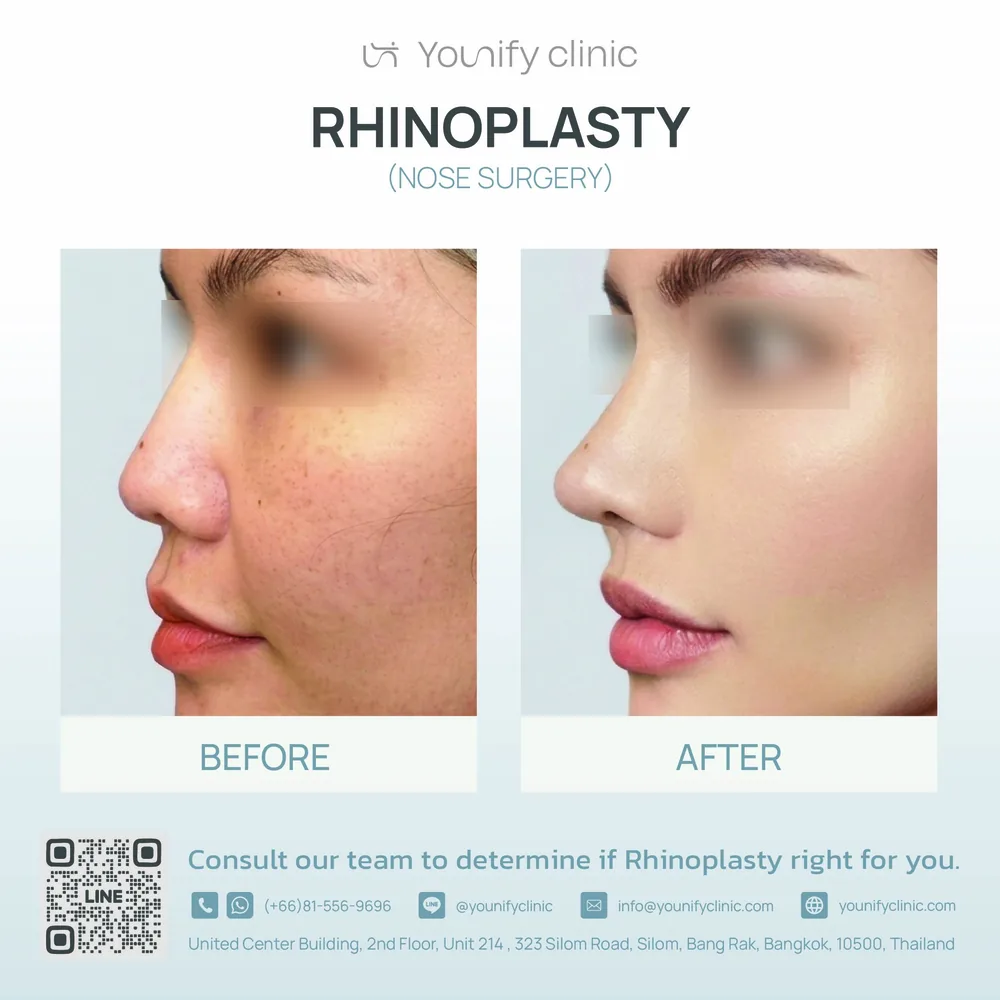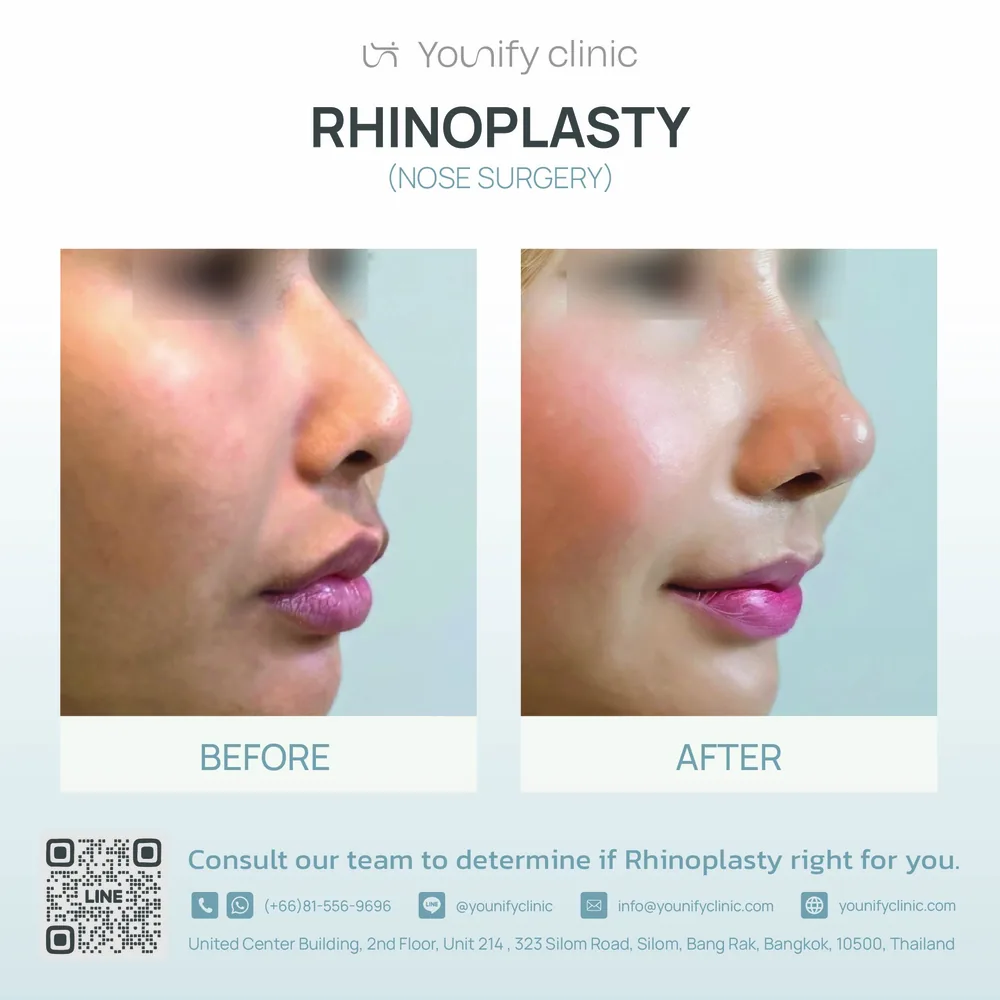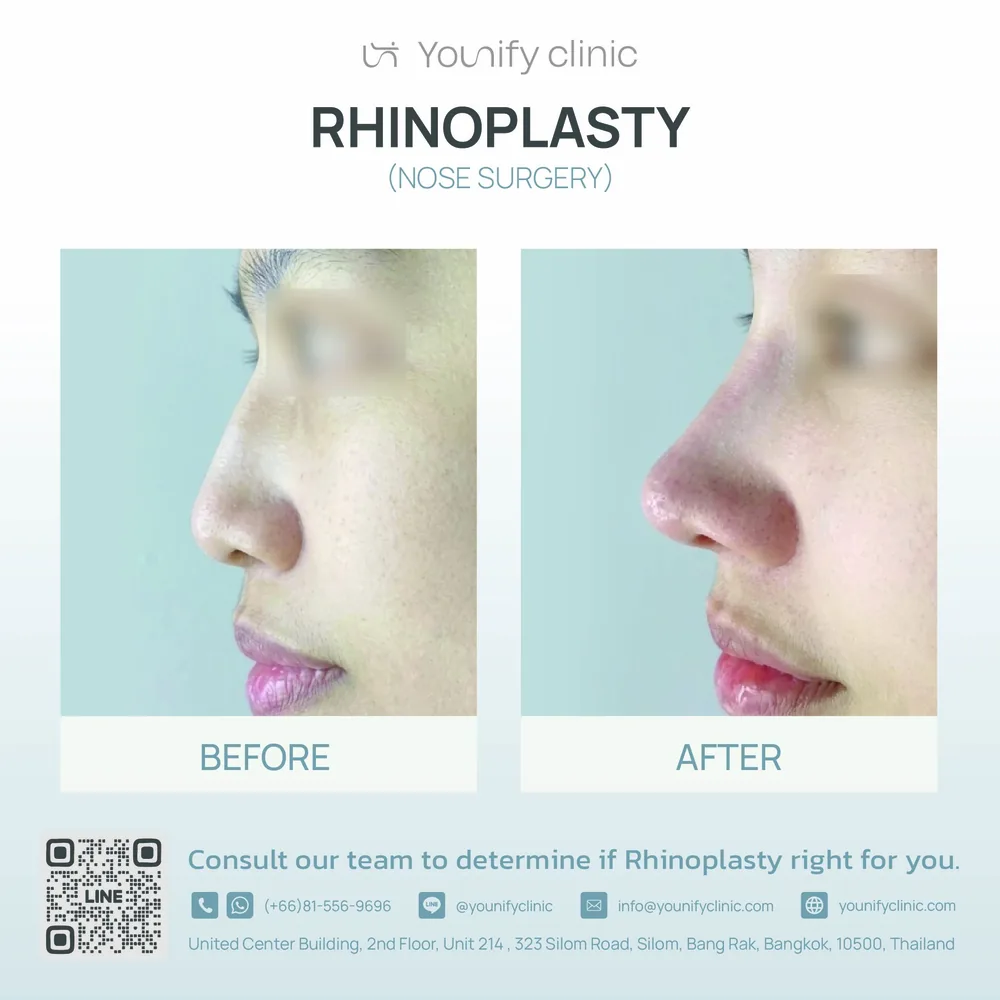
Facial surgery

Facial surgery planning

Personalized facial treatment planning based on facial structure, goals, and suitable recovery time, with a focus on natural-looking results and follow-up care.

Individual facial analysis and goal review
Natural-looking result planning
Follow-up during recovery
Doctor assessing and planning facial surgery
01

Good facial surgery starts with balance, not changing everything.

Facial surgery should begin with assessment of facial structure, existing proportions, skin, previous scars, expectations, and acceptable recovery time. The doctor helps identify which goals may suit surgery, which may be better addressed non-surgically, and what should be planned step by step for a balanced and natural-looking result.

02

Related care

Facial surgery planning may involve several areas, but not everything needs to be done at once. The key is choosing what is necessary and suitable for your actual face.

Personalized treatment planning

Assessment of facial structure, front and side profiles, and the balance of eyes, nose, chin, facial contour, and patient goals.

  • Analyze the face as a whole
  • Separate surgical and non-surgical concerns
  • Explain limitations and realistic outcomes

Facial surgery and contour refinement

May include eyelid, nose, chin, facial contour, lifting, or other procedures when suitable for the individual indication.

  • Choose treatment areas based on real concerns
  • Plan results that still look like you
  • Consider scarring, swelling, bruising, and downtime

Continuous post-procedure follow-up

Aftercare may include wound review, swelling and bruising assessment, symmetry monitoring, scar care, and timing for return to activities.

  • Monitor wounds and warning signs
  • Guide swelling reduction, wound care, and recovery
  • Follow progress at appropriate intervals
03

Care pathway

01

Consultation and facial analysis

Discuss goals, facial structure, existing proportions, expectations, reference photos, and health limitations.

02

Plan design and treatment sequence

Decide what to do, what not to do, and what should come first so the overall result stays balanced.

03

Pre-procedure preparation

Review health, medications to pause, pre-surgery care, and a recovery schedule that fits real life.

04

Post-procedure follow-up

Follow wounds, swelling, bruising, symmetry, activity guidance, scar care, and review appointments.

04

Who it may suit and what to consider

May be suitable for

  • People who want a more balanced face while keeping a natural-looking result
  • People with clear goals who are open to the limitations of their original facial structure
  • People who want structured planning and follow-up after the procedure

Important considerations

  • Tell your doctor about medical conditions, blood-thinning medications, or a history of raised scars.
  • Avoid deciding from trends or reference photos alone.
  • Results, swelling, bruising, scarring, and downtime vary by person.
FAQ

Frequently asked questions

Where should facial surgery planning begin?

It should begin with an overall facial assessment and goal review, not only by choosing a procedure from reference photos. The doctor helps prioritize what is necessary.

How can results look natural?

Planning should follow the original facial structure, choose appropriate size or shape changes, and consider the balance of the whole face.

How long is recovery?

Recovery depends on the procedure and individual health. Some procedures have less swelling or bruising, while others may take several weeks to settle.

Is follow-up needed after surgery?

Yes. Follow-up helps monitor wounds, swelling, symmetry, and aftercare needs during each stage of recovery.

This page is general information and does not replace medical consultation. Results, risks, and recovery vary for each person.

Want a facial surgery plan that fits you?

Share your goals, reference photos, or concerns with the YOUNIFY Clinic team for a private assessment.

Book a consultation