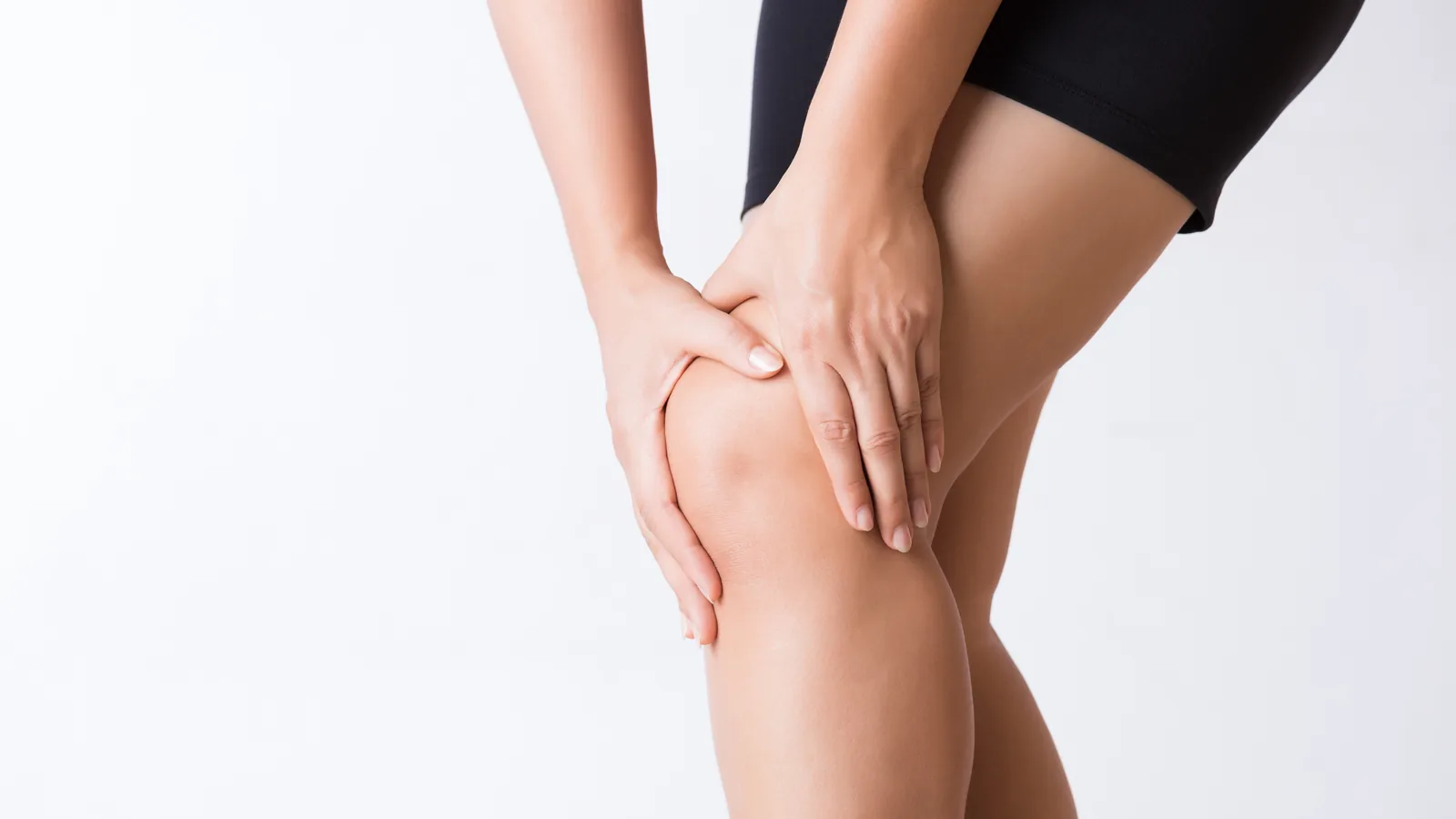
Inner knee pain may involve medial compartment osteoarthritis, medial meniscus injury, MCL irritation, or tendons and bursae around the knee.
Contents
Key Takeaways
- Inner knee pain can come from medial compartment osteoarthritis, medial meniscus injury, MCL injury, or irritation of tendons and bursae around the knee.
- Locking, swelling after twisting, or knee instability should be assessed to check joint structures.
- Treatment depends on the cause and may include physical therapy, load reduction, medication or injections, procedures, or surgery when necessary.
Why the inner side of the knee matters
The inner side of the knee carries significant load in many people, especially with bow-legged alignment, higher body weight, or early osteoarthritis. Clear pain location helps guide examination.
Common causes of inner knee pain
| Cause | Common signs | What to assess |
|---|---|---|
| Medial compartment osteoarthritis | Pain with walking, standing, or stairs; sometimes bow-legged alignment | Standing X-ray, joint space, and walking pattern |
| Medial meniscus | Pain after twisting, locking, catching, or deep joint pain | Specific examination and MRI when indicated |
| MCL | Inner knee pain after twisting or impact from the outer side | Knee stability and ligament injury severity |
| Pes anserine bursitis/tendinopathy | Tenderness below the inner knee, often with stair pain | Tenderness location, muscle tightness, and repetitive activity |
Treatment options for inner knee pain
If the main issue is inner joint loading, care focuses on reducing load and improving muscle stability. If ligament or meniscus injury is involved, treatment depends on injury severity and activity goals.
- Adjust activity and footwear to reduce repeated twisting
- Strengthen thigh and hip muscles and improve weight transfer
- Use medication, topical treatment, or injections only when indicated
- Consider specialist procedures when chronic osteoarthritis pain does not respond enough to initial care
Doctors

Dr. Thanakrit Mangklapaiboon
Interventional Radiology
Fellowship in Body Interventional Radiology
View full profile
Frequently Asked Questions
Can massage help inner knee pain?
Massage may temporarily help muscle or tendon tightness. If there is swelling, locking, giving way, or pain after injury, avoid aggressive massage and seek assessment.
Do I need an MRI for inner knee pain?
Not always. Doctors often start with history, examination, and X-ray when osteoarthritis is suspected. MRI is considered when meniscus or ligament injury needs more detail.
Does body weight affect inner knee pain?
Body weight and loading alignment can affect pressure in the knee, especially the inner compartment. Reducing joint load is often part of treatment.
References
- Knee pain - Symptoms and causes (Mayo Clinic)
- Knee pain (NHS)
- Arthritis of the Knee (American Academy of Orthopaedic Surgeons OrthoInfo)
- Guidelines for Osteoarthritis Treatments (Arthritis Foundation / American College of Rheumatology)
This tool helps you find relevant information. It does not provide a diagnosis.
Medical Note
This article is for general information and does not replace medical examination, diagnosis, or treatment. If symptoms are severe, changing quickly, or urgent, seek medical care promptly.
Individual results may vary. Please consult a doctor before treatment.
Want to know which care plan fits you?
Share your symptoms, health history, medications or prior procedures, and personal goals. Our team can help arrange a medical assessment.
Consult YOUNIFY Clinic