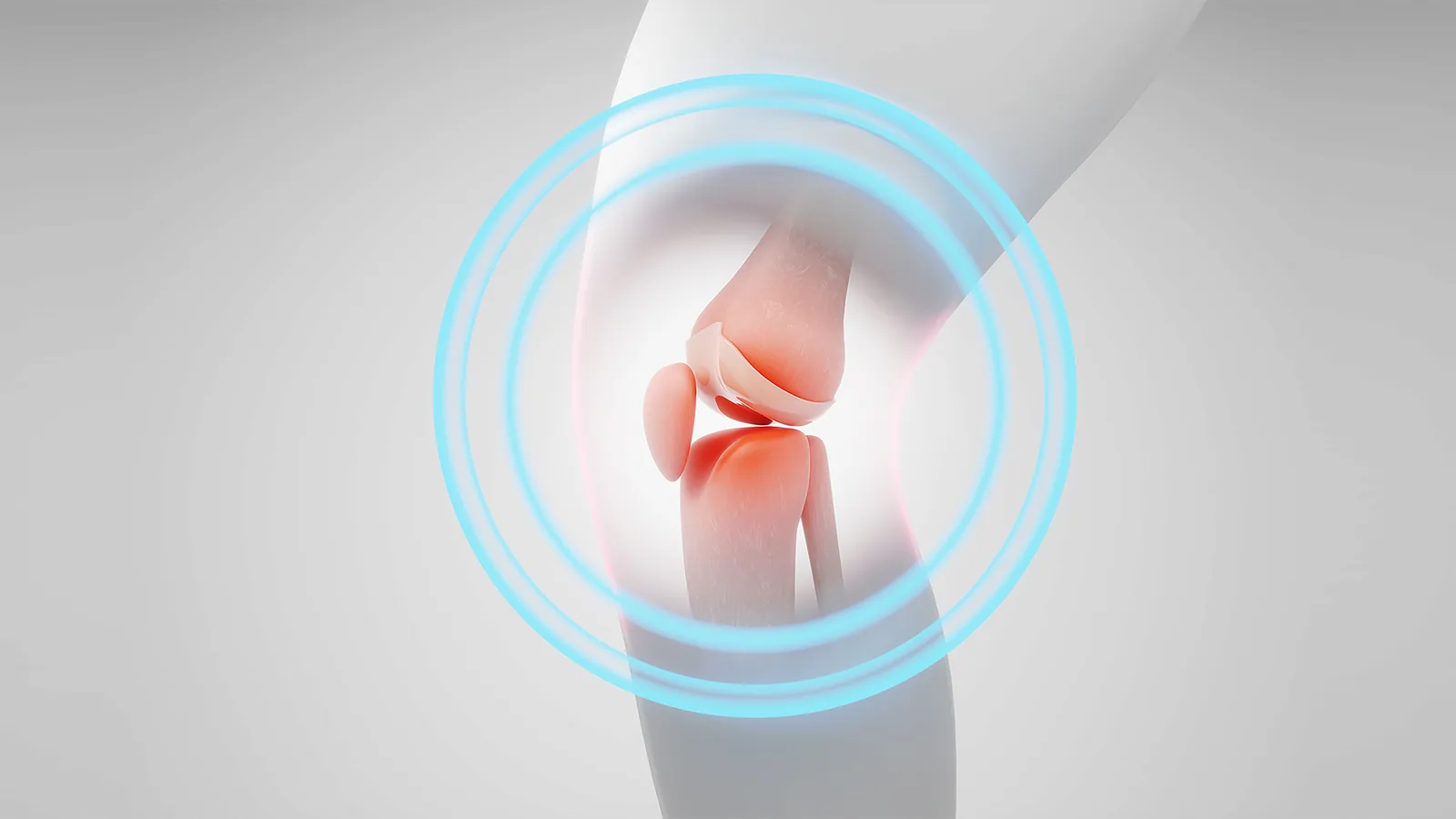
A plain-language guide to genicular artery embolization (GAE): what it is, how blocking tiny abnormal knee vessels may ease chronic pain.
المحتويات
أبرز النقاط
- If you have lived with knee osteoarthritis pain for a long time and the usual measures have not helped enough, you may have come across a newer option called GAE. This article explains, in plain language, what genicular artery embolization is and the idea behind how it works. It is educational only - whether it suits you is a decision to make with a medical team.
GAE in one sentence
GAE stands for genicular artery embolization. "Genicular" simply means "relating to the knee," and embolization means blocking tiny abnormal blood vessels so that less blood flows to an inflamed area. In GAE, a doctor gently blocks some of the small arteries feeding the painful lining of an arthritic knee, with the goal of calming inflammation and easing pain.
It is a minimally invasive procedure - done through a tiny pinhole rather than an open cut - and it is offered as an option for selected patients with long-standing knee pain, not as a routine first step.
Why blood vessels have anything to do with knee pain
In a healthy knee, cartilage cushions the joint and the lining (the synovium) is calm. In osteoarthritis, that lining can become chronically inflamed. When inflammation persists, the body sometimes grows extra, abnormal tiny blood vessels into the lining. Along with those new vessels come tiny nerve fibers, and together they are thought to keep the area sensitive and painful - a bit like a fire that keeps being fed with oxygen.
The idea behind GAE is to reduce that excess blood supply. By carefully blocking a portion of these abnormal vessels, the ongoing inflammatory "fuel" is turned down, which may lower pain signals from the joint.
How the procedure works, step by step
- Access: A doctor from the interventional team numbs a small area, usually near the top of the thigh or the wrist, and inserts a very thin tube called a catheter into an artery.
- Mapping: Using live X-ray imaging and a small amount of contrast dye, the team maps the genicular arteries around the knee and identifies the abnormal, overactive vessels.
- Embolization: Through the catheter, tiny particles are released to block only those targeted small vessels, sparing the healthy circulation the knee needs.
- Finish: The catheter is removed and the pinhole is covered - no stitches are usually needed.
The knee joint itself is never cut open. GAE is performed by a physician-led interventional team using internationally accredited techniques and equipment.
What GAE does - and does not - do
It is important to be honest about the goal. GAE aims to relieve pain caused by inflammation. It does not regrow cartilage, and it does not cure or reverse arthritis - the underlying joint changes remain. Think of it as turning down the pain, not repairing the joint.
Where GAE helps, relief may last several years in some cases, typically 1-5 years, though results vary by individual.
Who tends to consider GAE
GAE is generally explored by people who:
- have chronic knee osteoarthritis pain that has not responded well to basics such as exercise, weight management, physiotherapy, and medication; and
- are not ready for, or would prefer to avoid, knee replacement surgery at this stage.
Whether it is appropriate depends on your imaging, your overall health, and a careful assessment.
Next step
To find out whether GAE is right for you, our medical team can arrange an initial assessment. Contact us on LINE (@younifyclinic) or WhatsApp +66 81 556 9696.
الأسئلة الشائعة
Is GAE surgery?
No. It is a minimally invasive procedure done through a tiny pinhole using catheters and imaging, not an open operation on the joint.
Will GAE fix my arthritis?
No. It aims to reduce pain from inflammation. It does not regrow cartilage or reverse the arthritis itself.
How long might the relief last?
Where it works, relief may last several years in some cases, typically 1-5 years. Results vary by individual.
ملاحظة طبية
هذا المقال لأغراض المعلومات العامة ولا يُغني عن الفحص أو التشخيص أو العلاج الطبي. وإذا كانت الأعراض شديدة أو سريعة التغيّر أو طارئة، فيُرجى طلب الرعاية الطبية فورًا.
قد تختلف النتائج من شخص لآخر. يُرجى استشارة الطبيب قبل العلاج.
هل تريد معرفة خطة الرعاية المناسبة لك؟
شاركوا أعراضكم وتاريخكم الصحي والأدوية أو الإجراءات السابقة وأهدافكم الشخصية. ويمكن لفريقنا المساعدة في ترتيب تقييم طبي.
استشيروا YOUNIFY Clinic