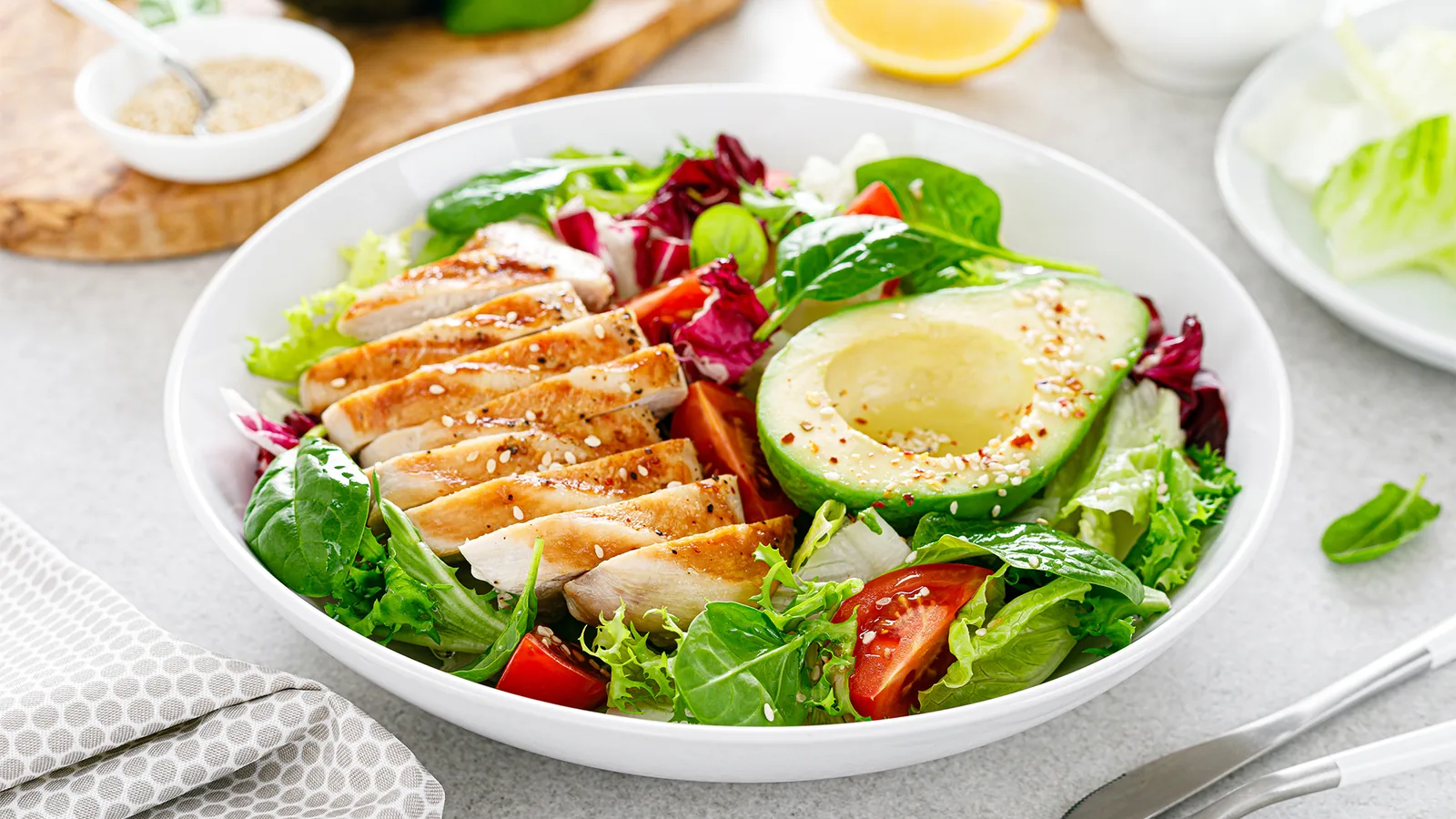
A week-by-week guide to Endoscopic Sleeve Gastroplasty (ESG) recovery and diet stages, from liquids to solid foods over the first 4 weeks, with practical eating tips.
內容
要點
- The weeks right after endoscopic sleeve gastroplasty (ESG) are when your reshaped stomach settles and your new eating pattern takes root. Following a staged diet - moving gently from liquids to solid foods - gives the sutures time to heal and helps you feel comfortable. Here is a practical, plain-language guide to what those first four weeks usually look like.
Why staged eating matters
After ESG, the stomach has been folded into a narrower sleeve with sutures placed from the inside. Introducing food too quickly or too firmly can be uncomfortable and does not give the stomach the settling time it needs. Progressing in stages - thin liquids, then thicker liquids, then soft foods, then solids - is the gentle, sensible path. Your exact plan and timing come from your medical team, who tailor it to you; the stages below are a general illustration.
Week 1: clear and full liquids
The first week is about hydration and rest for the stomach.
- What this looks like: water, clear broths, sugar-free non-carbonated drinks, and later thin, smooth liquids.
- How to approach it: small sips throughout the day rather than large amounts at once. Fizzy drinks are usually avoided.
- How you may feel: some fullness or mild discomfort is common early on. Sipping slowly helps.
The aim is simply to stay hydrated and let the stomach begin to settle.
Week 2: thicker liquids and smooth textures
As the first week passes, many plans move to thicker liquids and very smooth textures.
- What this looks like: smooth soups, blended options, and protein-focused liquids as advised by your team.
- Why protein features early: protein supports healing and helps you feel satisfied, so it is often prioritised as intake increases.
- Pace yourself: continue taking small amounts slowly and stop when you feel full.
Week 3: soft foods
Around the third week, soft foods are often introduced.
- What this looks like: foods that are easy to eat and gentle on the stomach - think soft, well-cooked, mashable options.
- Portion awareness: portions stay small. The reshaped stomach fills quickly, which is exactly the point.
- Eating habits to build: chew thoroughly, eat slowly, and pause between bites. These habits, started now, protect you long-term.
Week 4 and beyond: reintroducing solids
By around the fourth week, many people begin a careful return to more solid foods, still guided by their team.
- What this looks like: gradually adding firmer foods while keeping portions modest and protein a priority.
- Listen to fullness: the new fullness signal arrives sooner than before. Respecting it is one of the most valuable habits you can form.
- Hydration continues: drinking enough water remains important throughout.
Habits that make recovery smoother
A few simple practices help across every stage:
- Eat slowly and chew well. This reduces discomfort and helps you notice fullness.
- Separate drinking from eating. Sipping fluids between meals rather than during them can be more comfortable.
- Prioritise protein. It supports healing and satisfaction.
- Keep follow-up appointments. These let the team adjust your plan and catch questions early.
Recovery experiences differ from person to person; many people recover quickly, while others need a little more time. Following your team's guidance and being patient with yourself both matter.
When to check in with the team
Mild fullness, mild nausea, or cramping can be part of the early adjustment. However, you should contact the clinic if you have concerns - for example, ongoing vomiting, significant pain, difficulty keeping liquids down, or anything that feels wrong to you. Your team would rather hear from you early.
We guide you through every stage
You will never be left guessing what to eat. Our medical team provides a clear staged plan and follow-up so recovery feels supported.
To find out whether ESG suits your goals, our medical team can arrange an initial assessment. Contact us on LINE (@younifyclinic) or WhatsApp +66 81 556 9696.
常見問題
When can I eat normal food again after ESG?
Most staged plans move toward more solid foods around the fourth week, but the exact timing is set by your medical team based on how you are healing.
Why so much focus on protein?
Protein supports healing and helps you feel satisfied on smaller portions, so it is usually prioritised as your intake gradually increases.
Is discomfort normal in the first days?
Some fullness, mild nausea, or cramping can be common early on. Contact the clinic if symptoms are severe or persistent.
參考文獻
- IP overview: Endoscopic sleeve gastroplasty for obesity (IPG783) (NICE, 2024)
- Long-term outcomes after endoscopic sleeve gastroplasty: impact of clinician follow-up and lifestyle engagement (Surgical Endoscopy (Springer) 2026 · DOI 10.1007/s00464-026-13151-3)
- Dietary advice following Endoscopic Sleeve Gastroplasty (ESG) procedure (North Tees and Hartlepool NHS Foundation Trust (NHS))
醫療記錄
本文僅供一般參考,不能取代醫學檢查、診斷或治療。如果症狀嚴重、變化很快或屬於緊急情況,請及時就醫。
結果因人而異,接受治療前請諮詢醫師。