Bone health after menopause explained - why bone loss speeds up, how to protect your bones, and when to get tested. Physician-led guidance from YOUNIFY.
內容
要點
- Bones are living tissue, constantly renewing themselves throughout life. Around menopause, this balance shifts, and bone can be lost more quickly for a period of time. Because bone loss is usually silent - there are often no symptoms until a fracture happens - the years around menopause are an important window to understand your risk and take protective steps.
Why menopause affects bone
Estrogen plays a role in maintaining bone density. As estrogen levels fall around menopause, the rate of bone loss can increase, especially in the early postmenopausal years. Over time, this can lead to osteoporosis = a condition where bones become weaker and more prone to fracture. A related, milder stage is sometimes called osteopenia, meaning bone density is lower than ideal but not yet in the osteoporosis range.
Because the process is gradual and painless, many women are unaware it is happening - which is exactly why awareness and prevention matter.
Who is more at risk
Bone health is influenced by many factors. Some raise risk, including:
- A family history of osteoporosis or hip fracture
- Early menopause or certain surgeries affecting hormones
- A smaller, thinner body frame
- Smoking and higher alcohol intake
- Low physical activity, especially little weight-bearing movement
- Long-term use of certain medications, or some medical conditions
- Low dietary calcium and low vitamin D
Some of these you cannot change, but many you can influence - which is where prevention comes in.
How to protect your bones
A bone-friendly lifestyle supports both prevention and overall health.
Nutrition
- Ensure adequate calcium from a balanced diet, including dairy or suitable alternatives, and other calcium-rich foods
- Support vitamin D, which helps the body use calcium; sensible sun exposure and diet contribute, and a doctor can advise whether more is needed
- Include enough protein as part of a balanced diet
Movement
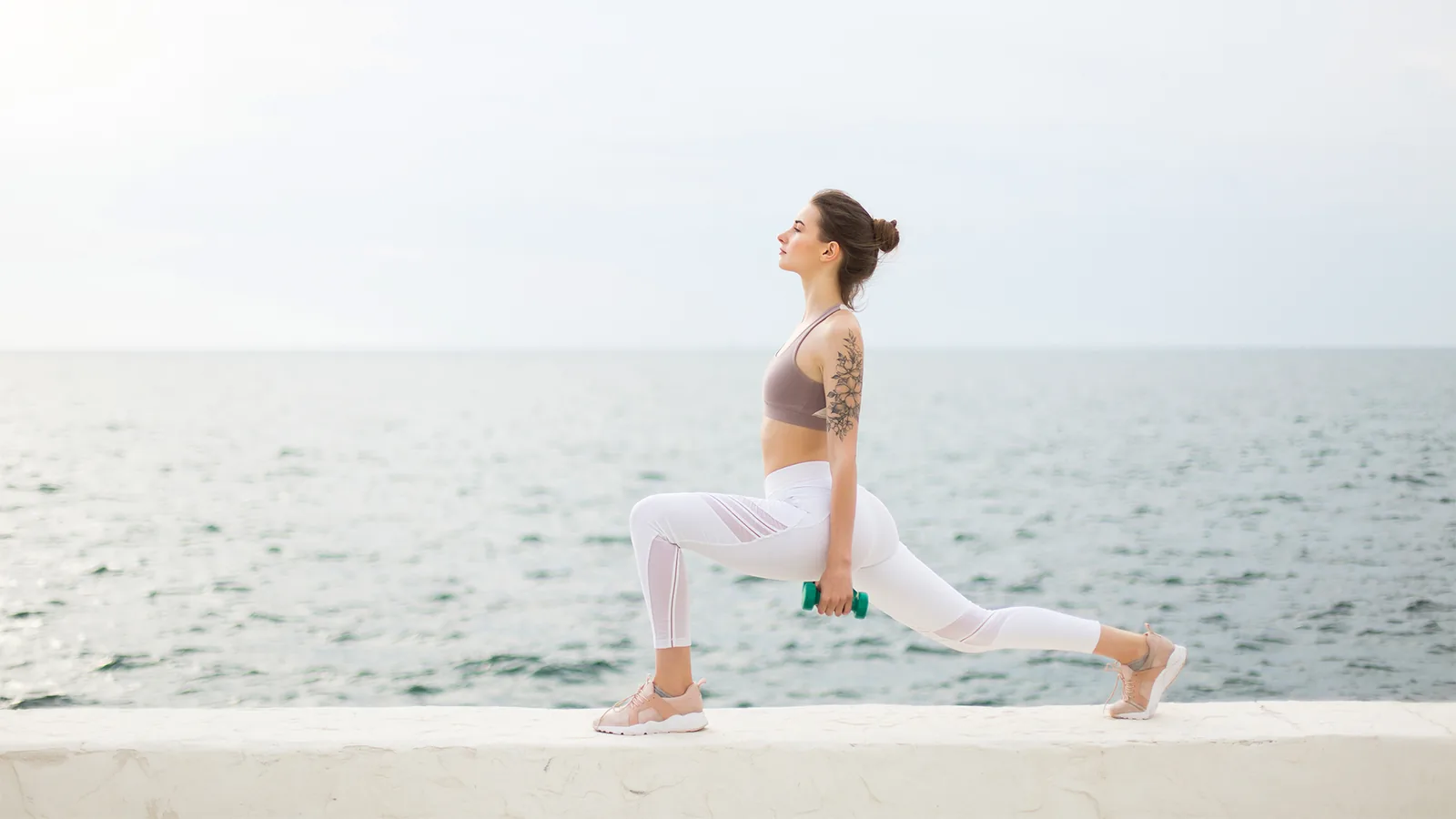
- Weight-bearing activity (such as walking) and strength or resistance training help stimulate and maintain bone
- Balance and stability work can help reduce the risk of falls, which are a major cause of fractures
Lifestyle
- Avoid smoking and limit alcohol
- Keep your home safe from fall hazards, particularly as you get older
Testing and monitoring
Bone density can be assessed with a specific scan, and a doctor may recommend testing based on your age, your risk factors, and your history rather than for everyone at the same time. If you have several risk factors, an earlier conversation about assessment is sensible. Knowing your baseline helps guide whether lifestyle steps alone are enough or whether additional measures should be considered.
Where hormone therapy and other treatments fit
Estrogen plays a role in bone health, which is why bone density is often part of a broader conversation about menopause. Where osteoporosis is diagnosed or the risk is high, a physician may discuss specific bone-protective treatments. Which approach fits you depends on a full assessment, not a general rule.
When to see a doctor
Consider a consultation if:
- You have risk factors for osteoporosis and want to understand your situation
- You have had a fracture from a minor fall or bump
- You have lost height or developed a stooped posture
- You want a proactive, preventive plan for the postmenopausal years
The most useful time to act is before a fracture, not after.
How YOUNIFY can help
Our physician-led Women's Health service takes a long-term view, helping you protect your bones through practical prevention and, where appropriate, discussing assessment and treatment options with our medical team.
To discuss your symptoms and options, our medical team can arrange a consultation. Contact us on LINE (@younifyclinic) or WhatsApp +66 81 556 9696.
常見問題
Does osteoporosis have symptoms?
Usually not, until a bone breaks. That is why it is sometimes called a silent condition and why assessment of risk is valuable.
Can lifestyle alone protect my bones?
For many women, good nutrition, weight-bearing and strength activity, and avoiding smoking make a meaningful difference. Whether more is needed depends on your individual risk and any test results.
When should I get a bone density scan?
There is no single answer for everyone - timing depends on your age and risk factors. A doctor can advise what is appropriate for you.
參考文獻
- Screening for Osteoporosis to Prevent Fractures: US Preventive Services Task Force Recommendation Statement (14 Jan 2025) (US Preventive Services Task Force (USPSTF))
- Osteoporosis in Females (StatPearls), updated 29 Jun 2025 (StatPearls Publishing / NCBI Bookshelf)
- Osteoporosis (Causes, Risk Factors & Symptoms) (NIAMS, NIH)
醫療記錄
本文僅供一般參考,不能取代醫學檢查、診斷或治療。如果症狀嚴重、變化很快或屬於緊急情況,請及時就醫。
結果因人而異,接受治療前請諮詢醫師。