Menopause and weight gain explained - why body composition shifts in midlife and what actually helps, sustainably. Physician-led guidance from YOUNIFY.
内容
要点
- Many women notice that weight becomes harder to manage around menopause, even when their eating and activity have not changed much. It can feel discouraging and confusing. Understanding what is actually happening - and separating the parts you can influence from the parts that are simply biology - makes it easier to respond with a plan that works, rather than another crash diet.
Why midlife weight tends to change
Several things happen around this stage of life, often at once:
Shifting body composition
With age, muscle mass tends to gradually decline, and muscle burns more energy at rest than fat. As muscle decreases, the body's energy needs can fall, so the same eating pattern that once maintained your weight may now lead to a slow gain.
Where weight is carried
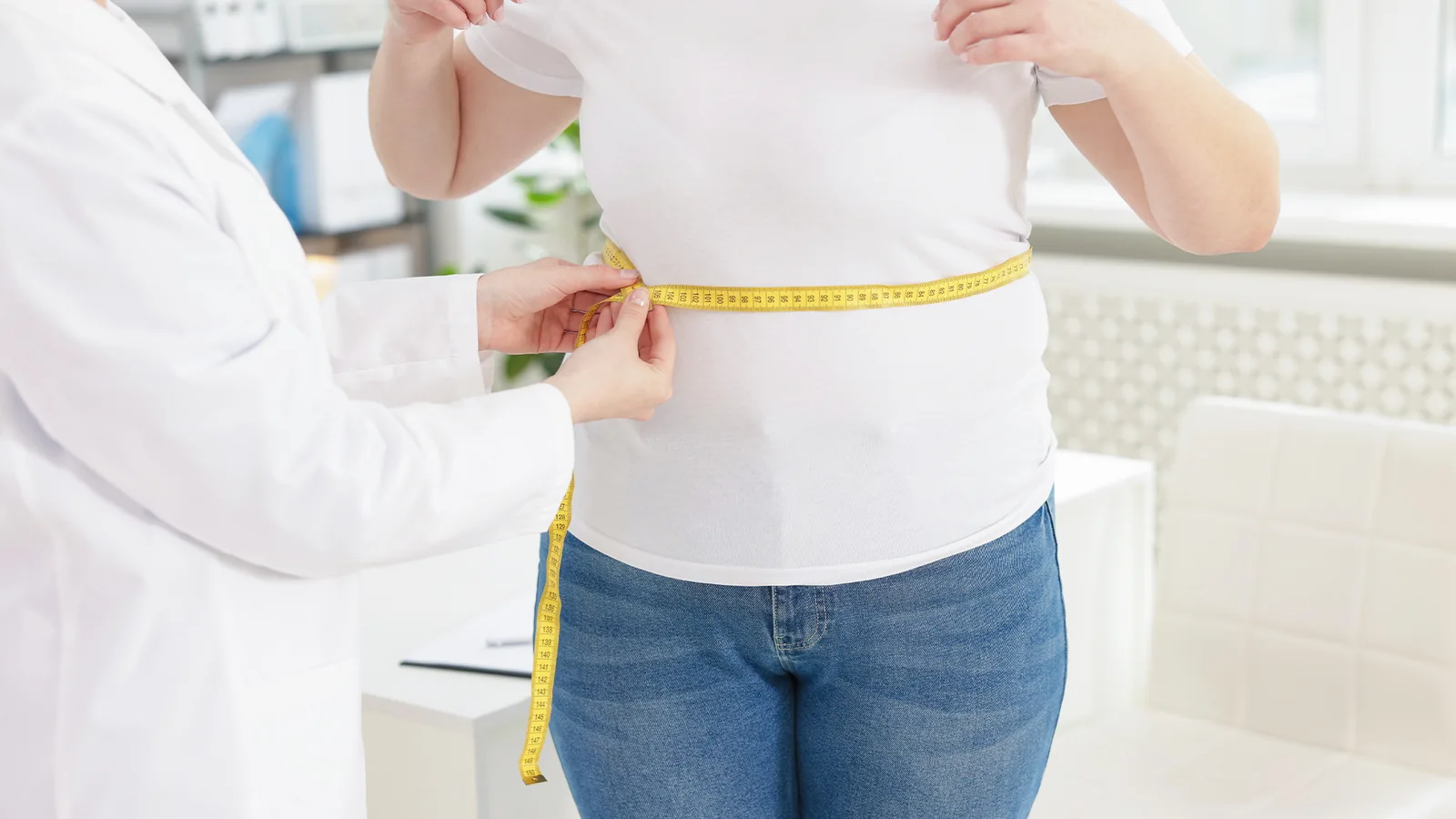
Around menopause, changes in estrogen are associated with a tendency for weight to shift toward the abdomen for many women. So even women whose overall weight changes little may notice their shape changing and clothes fitting differently.
Sleep, stress, and appetite
Poor sleep and higher stress - both common during the transition - can affect appetite, cravings, and energy levels, making healthy choices harder to sustain.
Life stage factors
Busy, demanding years can mean less time for activity and more convenience eating. These are practical, not personal, failings - and they can be addressed practically.
What actually works - sustainably
The most reliable approaches are not dramatic; they are consistent. The aim is a comfortable, maintainable weight and good health, not a number chased through extremes.
Protect and build muscle
- Include strength or resistance activity regularly, which helps preserve muscle and supports metabolism
- Ensure adequate protein across the day to support muscle maintenance
Eat in a way you can keep up
- Favor whole foods, vegetables, fiber, and protein; be mindful of highly processed, energy-dense foods
- Watch liquid calories, including alcohol
- Focus on patterns you can sustain for years, not weeks - very restrictive diets tend to rebound
Move in more than one way
- Combine everyday movement, some cardiovascular activity, and strength work
- Consistency over time matters more than intensity for a single week
Support sleep and stress
- Because poor sleep and stress can drive weight change, addressing them is part of weight care, not separate from it
Why "just eat less" often is not the whole answer
Repeated cycles of strict dieting and regain - sometimes called yo-yo dieting - can be discouraging and hard on both body and mindset. A steadier, structured approach that protects muscle and fits your life tends to serve women better over time. If you have struggled with regain before, that history is useful information for building a smarter plan, not a sign of failure. (For more on avoiding the rebound cycle, see our article on avoiding weight regain.)
When to seek support
Consider professional guidance if:
- Weight is affecting your health, mobility, joints, or confidence
- You have tried repeatedly and keep regaining
- You want a structured, medically informed plan rather than another fad
- You have other health conditions that make weight management more complex
A physician-led plan can look at the whole picture - hormones, sleep, activity, nutrition, and overall health - and tailor support to you.
How YOUNIFY can help
Our physician-led team looks beyond quick fixes. Through our Women's Health and Weight Management services, our medical team can help you build a realistic, sustainable plan suited to this stage of life - and explore our weight-management options where appropriate.
To discuss your symptoms and options, our medical team can arrange a consultation. Contact us on LINE (@younifyclinic) or WhatsApp +66 81 556 9696.
常见问题
Is menopause weight gain inevitable?
Some shift in body composition is common, but the degree varies by individual and is influenced by factors you can act on, such as activity, strength training, nutrition, and sleep.
Will hormone therapy make me lose weight?
Hormone therapy is used to manage menopause symptoms, not as a weight-loss treatment. Any conversation about it should focus on symptoms and health, with realistic expectations set by your doctor.
Why is the weight going to my middle now?
Hormonal changes around menopause are associated with a tendency to carry more weight around the abdomen for many women, even when overall weight changes little.
参考文献
- Changes in body composition and weight during the menopause transition (Greendale et al., SWAN) (JCI Insight 2019;4(5):e124865 · DOI 10.1172/jci.insight.124865)
- Changes in Body Composition and Weight During the Menopause Transition (SWAN (Study of Women's Health Across the Nation))
- Are Midlife Women Doomed to Gain Weight? (12 Oct 2022) (The Menopause Society (NAMS))
医疗记录
本文仅供一般参考,不能取代医学检查、诊断或治疗。如果症状严重、变化很快或属于紧急情况,请及时就医。
结果因人而异,接受治疗前请咨询医生。